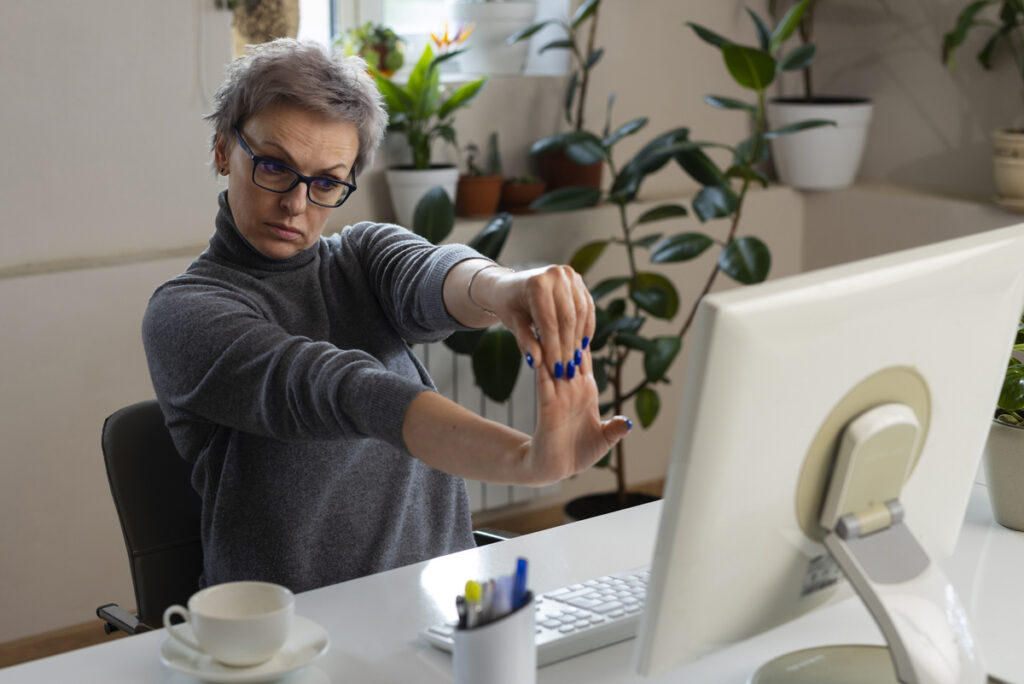
If you're struggling with lower back pain, you're not alone, and finding gentle relief can be more straightforward than you think. Simple stretching techniques, core-strengthening exercises, and ergonomic adjustments in your daily routine can make a significant difference. These strategies not only address discomfort but also promote long-term health benefits. However, the key is knowing which methods work best for your body and lifestyle. Curious about how to implement these changes effectively? Let's explore some practical solutions that could transform your approach to managing lower back pain.
Understanding Lower Back Pain
Lower back pain is a common issue that affects many people at some point in their lives. You might experience it due to various reasons, including poor posture, muscle strain, or even an injury. Understanding the cause of your pain is vital for finding effective solutions.
When you think about your lower back, remember that it supports much of your body weight and is integral to daily activities. If you've been lifting heavy objects incorrectly or sitting for long periods without proper support, you may notice discomfort. This discomfort can manifest as a dull ache, sharp shooting pain, or stiffness, often impacting your ability to move freely.
You should also consider lifestyle factors that contribute to lower back pain. If you're overweight, the additional pressure on your spine can lead to chronic pain. Sedentary habits can weaken your core muscles, making your back more susceptible to injury. Stress, too, can play a role; tension in your back muscles can worsen your discomfort.
It's essential to listen to your body. Ignoring persistent pain can lead to more severe issues down the line. You might want to keep track of when the pain occurs and what activities seem to trigger it. This information can help you and your healthcare provider determine the best course of action.
Gentle Stretching Techniques
Incorporating gentle stretching techniques into your daily routine can markedly alleviate lower back pain. These stretches can improve flexibility, relieve tension, and enhance blood flow to the affected areas. Start by finding a comfortable, quiet space where you can focus on your movements.
One effective stretch is the child's pose. Kneel on the floor, sit back on your heels, and extend your arms forward on the ground. Hold this position for 20 to 30 seconds, breathing deeply to release tension in your lower back.
Another great option is the cat-cow stretch. Begin on your hands and knees, alternating between arching your back upward (cat) and letting it dip down (cow) while inhaling and exhaling. Repeat this for several cycles to gently loosen your spine.
The seated forward bend is another beneficial stretch. Sit on the floor with your legs extended straight in front of you. Slowly reach for your toes, bending at the hips. Hold this position for about 20 seconds, feeling the stretch in your lower back and hamstrings.
Finally, consider the supine spinal twist. Lie on your back, bend your knees, and let them fall gently to one side, keeping your shoulders flat on the ground. Hold for 30 seconds before switching sides.
Incorporating these gentle stretches into your daily routine not only helps alleviate lower back pain but also promotes overall well-being. Make these stretches a habit, and you'll likely notice an improvement in your comfort and mobility.
Strengthening Exercises
To effectively combat lower back pain, you need to focus on strengthening exercises that enhance core stability.
By incorporating routines that improve your stretching, flexibility, balance, and coordination, you'll build a solid foundation for your back.
Let's explore some targeted exercises that can help you feel stronger and more stable.
Core Stability Exercises
How can core stability exercises benefit your lower back? By strengthening your core muscles, you create a solid foundation that supports your spine and pelvis, reducing the strain on your lower back.
When your core is strong, it helps maintain proper posture and alignment, which is essential for preventing pain and injury.
Incorporating core stability exercises into your routine can greatly enhance your overall strength and endurance. Exercises like planks, bridges, and bird-dogs focus on activating the deep abdominal muscles, which play a key role in stabilizing your spine during daily activities.
It's important to engage in these exercises regularly to build strength and improve your balance.
Start slow and focus on your form to avoid injury. Gradually increase the intensity and duration of your workouts as you become more comfortable.
Stretching and Flexibility
While core stability exercises are essential, incorporating stretching and flexibility routines can greatly enhance your lower back health. Stretching helps to alleviate tension in your muscles, improve your range of motion, and relieve discomfort. When you include regular stretching in your routine, you promote better circulation and increase blood flow to the lower back, which aids in recovery.
Start with gentle stretches like the knee-to-chest or seated forward bend to loosen tight muscles. These stretches target the hamstrings, glutes, and hip flexors—key areas that can contribute to lower back pain. Hold each stretch for about 20-30 seconds, breathing deeply to help release tension.
In addition to basic stretches, consider adding yoga poses like the child's pose or cat-cow, which enhance flexibility and encourage proper alignment. These movements not only stretch the lower back but also strengthen supporting muscles, creating a balanced approach to pain relief.
Remember to listen to your body while stretching. If something feels painful, ease off and modify as needed.
Balance and Coordination
Incorporating balance and coordination exercises into your routine can greatly strengthen your lower back and overall stability. These exercises help engage your core muscles, which support your spine and enhance your posture.
One effective way to start is with single-leg stands. Stand on one leg while keeping your other leg slightly bent at the knee. Hold this position for 20-30 seconds, then switch legs. You'll not only improve your balance but also activate your lower back muscles.
Another great option is using a stability ball. Sit on the ball while keeping your feet flat on the floor, and try lifting one foot off the ground. This challenges both your balance and coordination, making your core work harder.
You can also incorporate gentle yoga poses like the tree pose, which further enhances your stability.
Don't forget to progress gradually; as you become more comfortable, try closing your eyes or standing on a less stable surface.
Consistent practice of these exercises will lead to a stronger lower back, reducing your pain and improving your overall physical function. Integrate these movements into your routine, and you'll notice the positive changes in no time!
Natural Remedies and Therapies
When it comes to easing lower back pain, natural remedies and therapies can be highly effective.
You can explore herbal treatments, incorporate stretching techniques, and practice mindfulness to find relief.
These approaches not only promote healing but also enhance your overall well-being.
Herbal Treatments and Solutions
Finding relief from lower back pain often leads people to explore herbal treatments and natural remedies. These options can provide a gentle approach to managing discomfort without relying solely on pharmaceuticals.
One popular choice is turmeric, known for its anti-inflammatory properties. You can add it to your meals or take it as a supplement to potentially ease pain.
Another effective herb is ginger, which may help reduce inflammation and improve circulation. Drinking ginger tea or incorporating fresh ginger into your diet can be beneficial.
Additionally, devil's claw is a lesser-known herb that's been shown to alleviate pain and improve mobility. It's available in capsules or tinctures.
You might also consider topical applications like arnica gel or oil, which can be massaged into the affected area for localized relief.
Chamomile tea can help promote relaxation and reduce stress, which may indirectly help with pain management.
Always consult your healthcare provider before starting any herbal regimen, especially if you're taking other medications.
Stretching and Exercise Techniques
Stretching and exercise techniques can play an essential role in alleviating lower back pain and enhancing mobility.
By incorporating these practices into your routine, you'll not only relieve tension but also strengthen your back muscles, which helps prevent future discomfort.
Here are some effective stretches and exercises to contemplate:
- Cat-Cow Stretch: This gentle yoga move increases flexibility and releases tension in your spine.
- Child's Pose: A restorative stretch that relaxes your back and hips, promoting overall relaxation.
- Pelvic Tilts: Strengthen your abdominal muscles while stretching your lower back; perfect for improving posture.
- Walking: A simple yet effective low-impact exercise that keeps your back muscles engaged and promotes circulation.
Mindfulness and Relaxation Practices
Incorporating mindfulness and relaxation practices into your routine can markedly enhance your journey toward alleviating lower back pain. By focusing on the present moment, you can reduce stress and promote a sense of calm that directly impacts your physical well-being.
Start with simple mindfulness techniques, like deep breathing exercises. Take a few minutes each day to inhale deeply through your nose, hold for a moment, and exhale slowly through your mouth. This practice helps release tension in your back and encourages relaxation.
Consider integrating gentle yoga or meditation into your routine. Both practices not only foster relaxation but also improve flexibility and strengthen the muscles that support your spine.
Find a quiet space, sit comfortably, and guide your thoughts away from distractions. Focus on your breath and allow your mind to settle.
You might also explore progressive muscle relaxation. This technique involves tensing and then relaxing each muscle group, helping you become more aware of tension areas, including your lower back.
Ergonomic Adjustments
Making simple ergonomic adjustments in your workspace can greatly alleviate lower back pain. When you optimize your environment for comfort and support, you help reduce strain on your back. Here are some effective adjustments you can make today:
- Chair height: Verify your chair is adjusted so your feet rest flat on the floor, with your knees at a 90-degree angle. This promotes better posture and reduces pressure on your lower back.
- Desk setup: Your desk should be at elbow height when you're seated. If your arms are raised too high or too low, it can lead to tension in your back and shoulders.
- Monitor position: Place your computer monitor at eye level, about an arm's length away. This prevents you from leaning forward or straining your neck, which can indirectly affect your lower back.
- Keyboard and mouse: Keep your keyboard and mouse close enough to avoid reaching. Your wrists should be straight and your forearms parallel to the floor, minimizing the risk of muscle strain.
Implementing these ergonomic adjustments can make a noticeable difference in your comfort level.
You might find that even small changes lead to significant relief of your lower back pain. Your workspace should support you, not hinder you, so take the time to adjust your setup and prioritize your well-being.
Lifestyle Changes for Relief
To find relief from lower back pain, adopting key lifestyle changes can be incredibly beneficial. Start with your daily habits; how you move and sit makes a significant difference. Incorporate stretching and strengthening exercises into your routine. Simple activities like yoga or Pilates can improve flexibility and core strength, which are important for supporting your lower back.
Next, pay attention to your posture. Whether you're sitting at a desk or standing in line, maintaining good posture helps reduce strain on your back. Use ergonomic chairs or cushions to support your spine when sitting for long periods. Remember to take breaks; stand up, stretch, and walk around every hour to keep your body engaged.
Diet also plays a role in managing pain. Eating a balanced diet rich in anti-inflammatory foods can help reduce pain and inflammation. Incorporate fruits, vegetables, whole grains, and omega-3 fatty acids into your meals. Staying hydrated is essential too; it helps maintain the health of your spinal discs.
Lastly, prioritize sleep. Make sure you're getting enough restorative sleep, as it's crucial for recovery. Consider investing in a supportive mattress and pillows that promote proper spinal alignment.
Conclusion
Incorporating gentle stretches, strengthening exercises, and ergonomic adjustments can greatly ease your lower back pain. By making these changes, you'll not only relieve discomfort but also promote better posture and overall spine health. Don't forget to explore natural remedies and make lifestyle adjustments for lasting relief. Remember, it's about finding what works best for you, so be patient and consistent. With the right approach, you can enjoy a pain-free, active life again!