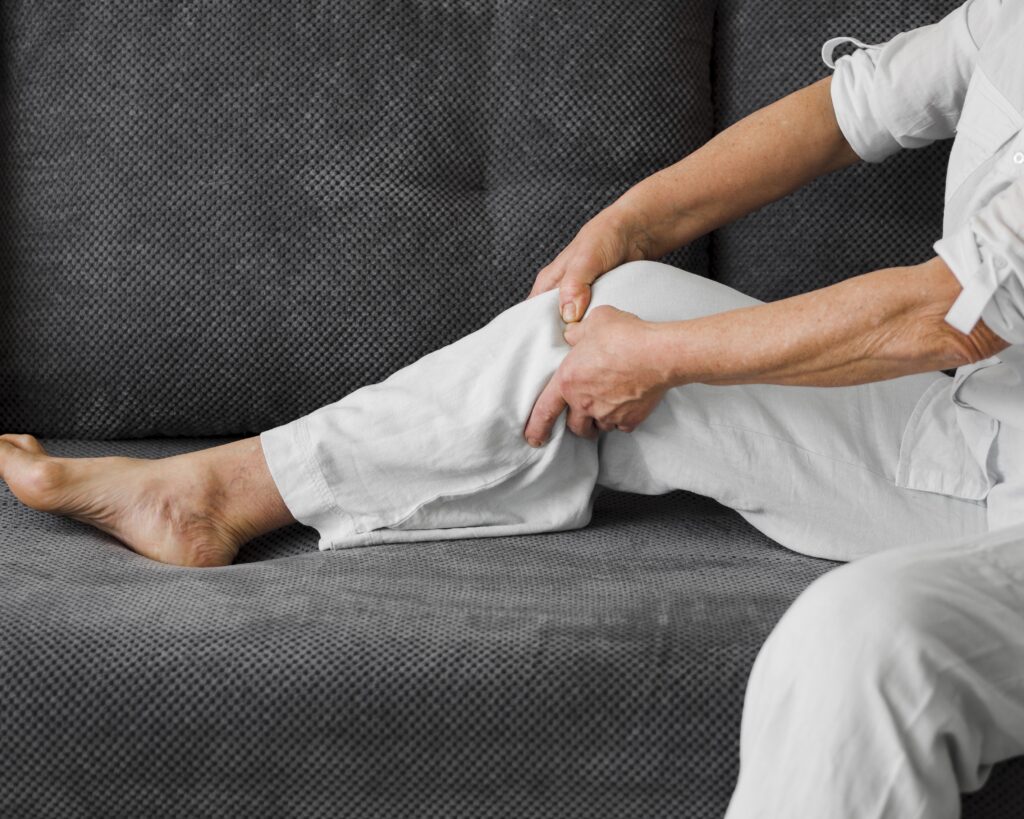
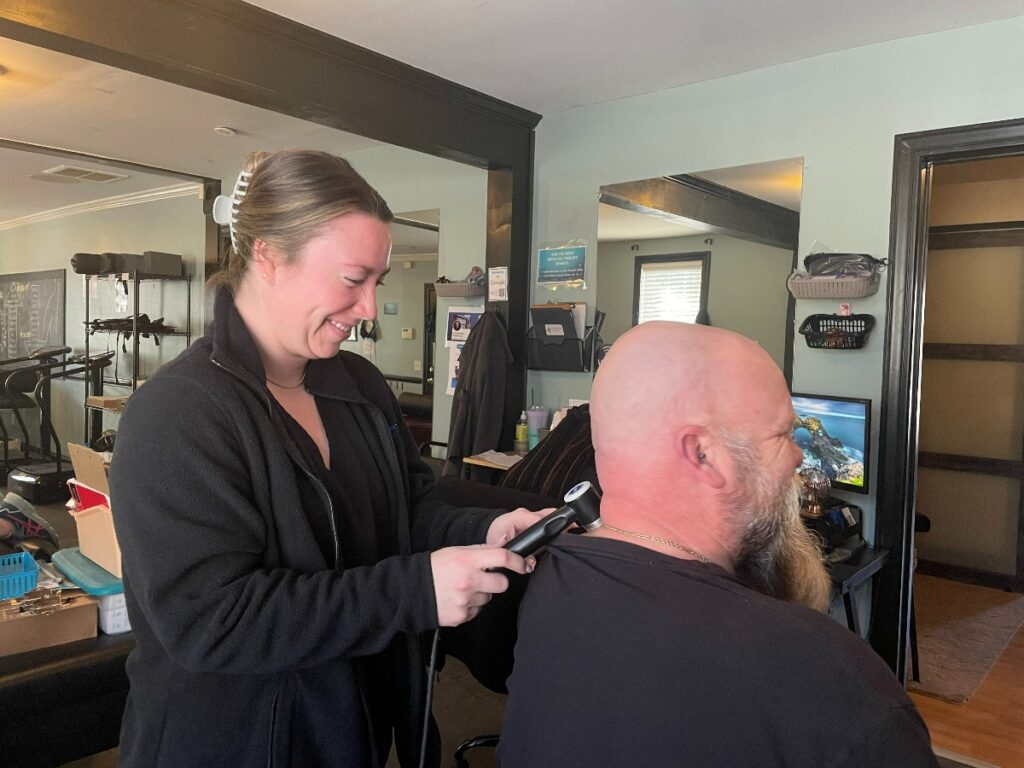
As a local chiropractor, I understand that dealing with a sports injury can be a daunting experience. You may find yourself unsure about how to approach your recovery and which therapies can truly aid in your healing process. It's important to realize that recovery is not solely limited to what happens during your rehabilitation sessions; it's a comprehensive journey that includes physical therapy, proper nutrition, and mental health support.
In my practice, I emphasize a holistic approach to recovery that combines chiropractic care with personalized treatment plans. This means we look beyond the immediate injury and address the underlying factors that may be contributing to your pain or limited mobility. By incorporating techniques such as spinal adjustments, soft tissue therapy, and rehabilitative exercises, we can work together to enhance your body's natural healing abilities.
Additionally, nutrition plays a crucial role in recovery. Fueling your body with the right nutrients can significantly impact your healing process. I often recommend dietary adjustments or supplements that support tissue repair and reduce inflammation.
Mental well-being is another key component. Staying positive and motivated during your recovery can influence your outcome. I encourage open communication and support throughout your journey, ensuring you feel empowered every step of the way.
So, what specific strategies should you consider? Start by scheduling an evaluation to discuss your injury and explore how chiropractic care can fit into your recovery plan. Together, we can create a tailored approach that optimizes your healing and gets you back in the game as quickly and safely as possible. Remember, recovery is a partnership, and I'm here to guide you through each phase.
Understanding Sports Injuries
As a local chiropractor, I understand that sports injuries can be both surprising and frustrating for athletes. One moment you're enjoying the thrill of the game, and the next, you might find yourself dealing with a twisted ankle or a strained muscle.
These injuries can vary significantly, from minor sprains to serious fractures, and each one demands a unique approach to healing. It's crucial to recognize the type of injury you may be facing. Acute injuries occur suddenly, often as a result of a collision or a fall. Conversely, chronic injuries develop gradually, typically due to repetitive movements, such as those in running or swimming.
Understanding this distinction is essential in determining how to proceed with your recovery. The symptoms you experience can differ depending on the nature of the injury. You might feel pain, swelling, or bruising, and occasionally, you may even hear a popping sound.
Recognizing these signs can provide insight into the severity of your injury and help you decide whether a visit to a healthcare professional is necessary. As you assess the affected area, it's important not to overlook persistent pain or instability.
Listening to your body is key. Taking the time to evaluate your symptoms can prevent further injury and promote a more efficient recovery process. Ignoring pain can lead to prolonged healing times and may even result in chronic issues down the line.
In my practice, I emphasize the importance of understanding sports injuries to empower you as an athlete. By being informed, you can make better decisions regarding your health and performance.
Chiropractic care focuses on natural healing and can help restore balance, enhance mobility, and strengthen your body, allowing you to return to the field with greater resilience. Together, we can work towards a safer and more effective recovery.
Importance of Recovery
As a chiropractor, I want to emphasize the critical importance of recovery following an injury. Recognizing the type of injury is just the beginning; truly understanding the role of recovery is essential for paving the way to improved health and performance.
Recovery isn't merely about taking a break; it's a vital phase that allows your body to heal and rebuild stronger than before. When you rush through recovery, you put yourself at risk for complications that may keep you sidelined for even longer.
Many people are aware that consistent training and activity are important, but I can't stress enough how crucial it's to prioritize recovery as well. During this healing phase, your body works tirelessly to repair damaged tissues, replenish energy stores, and restore balance to both your physical and mental health.
Skipping or neglecting this phase can lead to chronic pain, re-injury, and a decline in your overall performance. By respecting the recovery process, you not only enhance your physical capabilities but also develop mental resilience.
Taking the time to heal allows you to return to your activities with renewed focus and determination. You'll likely notice improvements in your agility, strength, and coordination when your body receives the proper care it requires.
Recovery isn't simply about rest; it involves engaging in activities that promote healing. This can include proper nutrition, hydration, and gentle exercises that are tailored to your specific injury.
Maintaining a positive mindset during this time is crucial, too. Every athlete, whether professional or amateur, faces setbacks, but how you respond can shape your journey. Embrace the recovery process, and you'll come back better prepared for the challenges ahead.
As your chiropractor, I'm here to guide you through this journey. Together, we can create a personalized recovery plan that supports your body's natural healing process, ensuring you return to your activities stronger and more resilient than before.
Role of Physical Therapy
When dealing with a sports injury, it's crucial to understand the role of chiropractic care in your recovery journey.
As a local chiropractor, I want to emphasize the importance of tailored rehabilitation programs designed specifically for your unique needs.
Through chiropractic adjustments and therapies, we can help you regain strength and mobility effectively.
Additionally, we focus on natural pain management techniques that will keep you comfortable during the healing process.
Embracing this holistic approach can significantly enhance your recovery and overall well-being.
Personalized Rehabilitation Programs
Understanding recovery from sports injuries is crucial, and as a local chiropractor, I want to emphasize the importance of personalized rehabilitation programs that integrate chiropractic care. Recovery isn't just about healing the injury; it's about taking a holistic approach that considers your unique body, injury specifics, current fitness level, and personal goals.
Chiropractic care focuses on the entire musculoskeletal system, which means that when you come in for an assessment, I'll evaluate not just the injured area but how it relates to your overall health. Together, we'll develop a tailored rehabilitation program that may include gentle adjustments to improve alignment, as well as exercises aimed at enhancing strength, flexibility, and balance.
Our goal is to help you regain full function and to empower you with knowledge on how to prevent future injuries. Regular visits to my office will provide you with the ongoing support and encouragement you need. As you progress, I can modify your program to keep you challenged without feeling overwhelmed.
You'll receive hands-on guidance and feedback, which can greatly enhance your recovery and help you avoid setbacks. Incorporating chiropractic care into your rehabilitation plan is essential for a well-rounded recovery.
Pain Management Techniques
Pain management is a crucial part of healing from sports injuries, and as a local chiropractor, I want to share how chiropractic care can support your recovery process. When you come to see me, I'll start by assessing your specific condition to create a personalized treatment plan that meets your unique needs. My goal is to alleviate your pain and promote healing through natural methods.
One of the effective techniques I use is spinal manipulation, which involves adjusting the joints and spine to restore proper alignment. This can reduce pain and enhance your range of motion.
In addition to adjustments, I may incorporate other modalities such as ice, heat, or electrical stimulation to help reduce inflammation and improve blood circulation, both of which are essential for recovery.
Exercise is another key element of my approach. I'll guide you through specific exercises designed to strengthen the affected areas, improving stability and lowering the risk of future injuries.
I'll also teach you proper body mechanics to help you avoid unnecessary strain during your daily activities.
Moreover, I believe in empowering my patients with coping strategies for managing pain. This may include relaxation techniques, breathing exercises, or mindfulness practices that can help you handle discomfort more effectively.
Manual Therapy Techniques
As a local chiropractor, I want to share how manual therapy techniques can play a vital role in your recovery from sports injuries. These hands-on methods focus on manipulating muscles and joints, which can help alleviate pain and improve your mobility. When you come in for a session, I'll assess your specific needs and customize the treatment to suit your condition.
One particularly effective technique we use is soft tissue mobilization. This method targets the fascia, muscles, and ligaments around the injured area. By applying specific pressure and stretching these tissues, we can reduce muscle tension and increase blood flow, which ultimately speeds up your recovery process.
Another beneficial approach is joint mobilization. This involves gently moving your joints to restore their normal range of motion, which can be especially helpful if you're experiencing stiffness or swelling following an injury.
Additionally, I recommend exploring myofascial release. This technique focuses on releasing tension in the connective tissues surrounding your muscles. As I apply sustained pressure, many patients experience significant pain relief and an increase in flexibility.
Incorporating these manual therapy techniques into your recovery plan can greatly enhance your overall well-being. By addressing both the physical and emotional aspects of your injury, you'll likely feel more empowered and motivated to continue your rehabilitation journey.
Benefits of Strength Training
As a local chiropractor, I want to share with you the significant benefits of strength training, especially when it comes to recovering from sports injuries. Integrating strength training into your rehabilitation process can work wonders alongside the manual therapy techniques we utilize here in our practice.
It's not just about treating the injury; it's about empowering your body to heal and prevent future issues.
When you engage in strength training, you aren't only building the strength of the muscles surrounding the injured area but also enhancing muscle stability and improving joint function. This approach helps protect your body from re-injury as you heal.
You may notice that as you follow a structured strength training routine, you're not just regaining lost muscle mass; you're also boosting your overall physical performance. Improved endurance is essential for getting back to your sport, and with that comes enhanced flexibility and balance, which further reduce the risk of getting hurt again.
Additionally, strength training supports your body's healing process by increasing blood flow to the injured area. This improved circulation is vital as it brings essential nutrients and oxygen necessary for tissue repair.
You might also find that the release of endorphins during your workouts contributes to pain relief and elevates your mood, making your recovery journey feel much more manageable.
It's crucial to start at a comfortable pace and concentrate on maintaining proper form to avoid any unnecessary strain. I recommend working closely with a physical therapist or a trained professional who can help tailor a strength training program to your specific needs and injury.
As you progress through your strength training, you'll likely gain confidence in your abilities, making your return to your sport not only successful but also fulfilling.
Embrace strength training as a vital part of your recovery journey, and you'll be well on your way to achieving peak performance post-injury. Remember, your body is capable of remarkable healing, and with the right support, you can come back stronger than ever.
Innovative Modalities
As a local chiropractor, I want to share how innovative modalities can elevate your recovery from sports injuries, especially if you're new to chiropractic care and natural healing. These advanced therapies harness technology and scientific principles to promote healing and restore function more effectively.
One popular modality we use in our practice is cryotherapy. This technique involves exposing your body to extremely cold temperatures, which can significantly reduce inflammation and pain. By incorporating cryotherapy into your recovery plan, you may find that you heal more quickly and return to your favorite sport sooner.
Another effective option is electrical stimulation therapy. This method employs electrical impulses to engage your muscles, enhancing blood circulation and minimizing muscle atrophy. It's particularly advantageous for injuries that restrict movement, as it helps maintain muscle strength without stressing the injured area.
Infrared therapy is another innovative approach worth exploring. It utilizes infrared light to penetrate deeply into your tissues, which increases blood flow and accelerates the healing process. This can be especially useful for soft tissue injuries, as it alleviates pain and inflammation while encouraging tissue regeneration.
Additionally, we can incorporate virtual reality (VR) into your rehabilitation routine. VR technology can simulate sports-specific movements, allowing you to practice your skills in a controlled setting while tracking your progress. This not only aids in physical recovery but also helps enhance your mental confidence, which is crucial for a successful comeback.
Lastly, I encourage you not to overlook the benefits of massage therapy. Techniques such as myofascial release can help relieve tension in muscles and fascia, promoting relaxation and enriching your overall recovery experience.
Nutrition and Healing
As a local chiropractor, I want to emphasize the vital role nutrition plays in your recovery from sports injuries. The right foods can significantly enhance your healing process and overall well-being. When you're dealing with an injury, your body needs an increased supply of nutrients to repair tissues, reduce inflammation, and bolster your immune system. By prioritizing a balanced diet, you can greatly improve how quickly and effectively you recover.
Start by including lean proteins in your meals, such as chicken, fish, and legumes. These are essential for muscle repair and rebuilding.
It's also important to fill your plate with a variety of colorful fruits and vegetables, which provide necessary vitamins and antioxidants to fight inflammation and promote healing. For instance, vitamin C—found in citrus fruits and bell peppers—is particularly crucial for collagen formation, aiding tissue repair.
Don't overlook the importance of healthy fats in your diet. Foods rich in omega-3 fatty acids, such as walnuts and fatty fish like salmon, can help to reduce inflammation, an essential part of your recovery process.
Additionally, whole grains should be included, as they provide the energy and essential nutrients your body requires to function optimally.
Hydration is another key aspect to consider. Water is critical for every cellular process, including recovery. Make sure you're drinking enough fluids throughout the day, especially if you're engaging in rehabilitation exercises as part of your recovery.
Lastly, I recommend consulting a nutritionist or dietitian who specializes in sports nutrition. They can create a customized meal plan that suits your specific needs and guide you in making the best dietary choices to support your healing journey.
Mental Health in Recovery
As a local chiropractor, I want to emphasize the vital connection between your mental health and recovery from sports injuries. When you're on the path to healing, fostering emotional resilience and implementing effective coping strategies are crucial.
These elements can significantly influence how you tackle the challenges that arise during your recovery journey.
Additionally, don't underestimate the power of your support systems. Family, friends, and healthcare professionals play an important role in providing the encouragement you need to maintain a positive mindset.
Chiropractic care can also complement your recovery by addressing physical discomfort and promoting overall well-being, allowing you to focus on both your physical and mental health as you heal.
Emotional Resilience Building
As a local chiropractor, I want to emphasize the importance of emotional resilience in your recovery from sports injuries. While most people focus on the physical aspects of healing, your mental state plays a crucial role in how well and how quickly you recover.
Building emotional resilience can help you navigate the inevitable challenges and setbacks that come with the healing process.
Here are three effective strategies to enhance your emotional resilience during recovery:
1. Practice Self-Compassion: It's vital to treat yourself with kindness and understanding throughout your healing journey. Recognize that experiencing setbacks is a normal part of the recovery process.
Allow yourself to feel any frustration or sadness without judgment—this is an essential step in moving forward.
2. Maintain a Support Network: Surrounding yourself with supportive friends, family, and teammates can make a significant difference in your recovery.
Sharing your thoughts and feelings with those who uplift you helps you process emotions and reduces feelings of isolation. Remember, you don't have to face this journey alone.
3. Set Realistic Goals: Focus on breaking down your recovery into smaller, achievable milestones.
Celebrate each small victory, as this builds confidence and keeps your motivation alive. This approach not only reminds you that progress takes time but also fosters a positive mindset, which is essential for healing.
By incorporating these strategies into your recovery plan, you can strengthen your emotional resilience and enhance your overall healing experience.
Coping Strategies for Athletes
As a local chiropractor, I understand that recovery can be a challenging journey for athletes, and it's crucial to prioritize both physical and mental health during this time. Incorporating effective coping strategies can significantly enhance your resilience and well-being.
One powerful approach is mindfulness practices. Just a few minutes of meditation or focused breathing each day can help clear your mind and alleviate anxiety, allowing you to better manage the stresses of recovery.
Additionally, setting realistic and achievable goals for your healing process is key. By breaking down your recovery into smaller, manageable steps and celebrating each milestone—no matter how minor—you can maintain motivation and stay engaged in your healing journey.
Journaling is another beneficial strategy. Taking time to write about your feelings and experiences can serve as a valuable outlet for your emotions, helping you process the ups and downs of recovery.
Furthermore, visualization techniques can be incredibly effective. Picture yourself back in action, performing at your best; this positive imagery can foster motivation and enhance your mindset.
It's also important to stay connected with your teammates or peers, even if it's through virtual means. Engaging in conversations about shared experiences reminds you that you're not alone in your journey.
Lastly, practicing self-compassion is vital. Recognize that recovery is a process that takes time, and it's perfectly normal to experience fluctuations along the way.
Support Systems Importance
As a local chiropractor, I want to emphasize that while many athletes and individuals focus on physical rehabilitation during their recovery, the significance of a strong support system shouldn't be underestimated.
Your mental health plays a crucial role in how effectively you heal from an injury. Surrounding yourself with supportive individuals can greatly enhance your recovery experience, helping you navigate the emotional challenges that often accompany this difficult time.
Here are three vital reasons why having a solid support system is essential for your healing journey:
- Emotional Encouragement: Friends, family, and teammates can provide the emotional uplift you need. Their encouragement reminds you that you're not alone in your recovery, fostering a sense of motivation and positivity that's essential for healing.
- Accountability: Sharing your recovery goals with others can create a sense of accountability. Whether it's adhering to a rehabilitation program or maintaining a positive mindset, having a support network helps keep you focused and committed to your healing process.
- Perspective: Those close to you can offer valuable insights that you might overlook during your recovery. They can help you understand that healing is a journey, not a sprint, and remind you to appreciate the progress you make along the way.
As a chiropractor, I believe that addressing both physical and emotional aspects of recovery is vital.
Creating a Personalized Plan
Creating a personalized recovery plan for sports injuries is crucial for promoting healing and helping you return to peak performance. As a chiropractor, I understand that every athlete's body is unique, and each injury presents its own challenges. It all begins with a thorough assessment of your specific injury, which is why I encourage you to consult with a healthcare professional who specializes in sports medicine or chiropractic care. Together, we can set realistic goals tailored to your recovery journey.
Next, it's essential to evaluate your current fitness level and the demands of your sport. This understanding will guide us in developing a rehabilitation plan that includes specific exercises designed to strengthen the injured area while also maintaining your overall fitness. Low-impact activities, such as swimming or cycling, can be great options to keep your cardiovascular health in check without putting excess strain on your injury.
Nutrition plays a pivotal role in the healing process as well. A balanced diet rich in vitamins and minerals can significantly support your recovery. If needed, I can refer you to a nutritionist who can help ensure you're providing your body with the right fuel during this critical time.
Regular follow-up appointments are important to monitor your progress. These sessions allow us to adjust your recovery plan as needed—whether that means ramping up your rehabilitation exercises or taking a step back if healing isn't progressing as expected.
Lastly, I want to emphasize the importance of patience and listening to your body. Recovery is rarely a straight path, and setbacks can happen. While a personalized plan gives you a structured approach to follow, flexibility is essential.
Staying Motivated During Recovery
Staying motivated during your recovery from an injury can be a difficult journey, particularly when it feels like progress is slow or when setbacks arise. However, maintaining a positive mindset and focusing on your healing goals is crucial.
As your local chiropractor, I want to share three strategies that can help you stay motivated throughout your recovery process:
1. Set Achievable Milestones: It's important to break your recovery down into smaller, manageable goals. Whether it's regaining a certain range of motion or completing a pain-free movement, celebrating each small victory can provide a significant boost in your motivation.
These milestones not only give you a sense of accomplishment but also reinforce your commitment to natural healing and chiropractic care.
2. Stay Connected: Surrounding yourself with supportive friends, family, or even fellow patients who understand your recovery journey can be incredibly beneficial. Sharing your experiences and feelings with them can help you feel less isolated.
Additionally, consider joining a support group or an online community focused on recovery and healing. This connection can offer the motivation and accountability you need to stay engaged with your therapy.
3. Visualize Success: Take a few moments each day to visualize yourself fully recovered and enjoying your daily activities or favorite sports again. Picture the joy of moving freely and performing at your best.
This mental exercise not only enhances your motivation but also helps to keep you focused on the end goal of achieving optimal health through chiropractic care.
Remember, recovery is a journey, and with the right mindset and support, you can successfully navigate it.
Stay committed to your healing process, and don't hesitate to reach out for guidance or assistance along the way.
Conclusion
As a local chiropractor, I want to share how a holistic approach can significantly enhance your recovery from sports injuries. Many people are not aware of the benefits of chiropractic care and natural healing techniques, which can be crucial in your healing journey.
Integrating chiropractic adjustments with physical therapy can help restore your body's natural alignment and function, allowing for improved mobility and reduced pain. In addition to manual therapy, strength training is essential for rebuilding muscle and stability around the injured area.
Nutrition also plays a vital role in your recovery. By fueling your body with the right nutrients, you can promote healing and reduce inflammation. It's important to consider how what you eat can impact your recovery process.
Furthermore, don't overlook the importance of mental health. Incorporating mindfulness practices and setting achievable goals can keep you motivated and focused during your rehabilitation.
Together, we can create a personalized recovery plan that combines these elements. With the right support and commitment, you'll be on your way to returning to the game stronger than ever.