When you face a sports injury, it's easy to feel overwhelmed by the road to recovery. You might think that just resting and waiting is enough, but that's only part of the equation. Your approach should encompass not just physical healing, but also nutrition, rehabilitation techniques, and mental resilience. Understanding how each component plays a role can set you on a path to not just recover, but thrive. What if you could transform your setback into a comeback that's stronger than before? Let's explore how to make that happen.
Understanding Sports Injuries
Understanding sports injuries is vital for any athlete looking to maintain peak performance. When you push your body, you're at risk of strains, sprains, fractures, and other injuries that can sideline you for weeks or even months. Knowing the common types of injuries you might face helps you identify them early and take action.
Strains typically involve muscles or tendons, while sprains affect ligaments. Both can result from overexertion, poor technique, or inadequate warm-up. Fractures, on the other hand, occur when bones are subjected to excessive force. Recognizing the signs—pain, swelling, and limited mobility—can prompt you to seek medical attention before the issue escalates.
It's also important to understand the factors that contribute to injuries. Poor conditioning, lack of flexibility, and imbalanced strength can all increase your vulnerability. Keeping your body in the best shape reduces your risk of injury, allowing you to perform at your best.
Lastly, don't underestimate the role of proper equipment and technique. Wearing the right shoes, using protective gear, and learning the correct form can make a significant difference in preventing injuries.
Importance of Rest and Recovery
Rest and recovery are essential components of any athlete's training regimen. They play a significant role in the healing process after a sports injury. When you push your body to its limits, it's important to give it the time it needs to repair and rejuvenate. Overtraining can lead to prolonged recovery times, so listening to your body is key.
Here are some important aspects of rest and recovery that you should consider:
- Muscle Repair: Adequate rest allows your muscles to repair themselves and grow stronger.
- Injury Prevention: Recovery periods help reduce the risk of re-injury by ensuring that your body is fully healed before resuming intense activity.
- Mental Health: Taking time off can prevent burnout and keep you mentally fresh for your sport.
- Enhanced Performance: Proper recovery can lead to improved performance levels, as your body will be in prime condition.
- Sleep Quality: Prioritizing rest often improves your sleep, which is essential for overall health and recovery.
Incorporating rest into your routine doesn't mean you should stop moving altogether. Gentle activities like stretching or low-impact exercises can aid recovery without overexerting yourself.
Role of Nutrition in Healing
While rest and recovery set the foundation for healing after a sports injury, nutrition plays a key role in this process. The foods you consume can greatly impact your body's ability to repair itself. A balanced diet rich in proteins, vitamins, and minerals is essential for healing tissues and reducing inflammation.
First, focus on protein. This macronutrient is critical for muscle repair and growth. Incorporate lean meats, fish, eggs, beans, and legumes into your meals to support tissue regeneration.
You'll also want to pay attention to healthy fats, such as those found in avocados, nuts, and olive oil. These fats can help reduce inflammation and promote overall health.
Next, don't underestimate the power of vitamins and minerals. Vitamin C, found in citrus fruits and leafy greens, is key for collagen formation, which aids in the healing of tendons and ligaments.
Zinc, present in nuts and whole grains, plays a significant role in cell division and tissue repair.
Hydration is another important aspect. Water helps transport nutrients to your cells and removes waste products from your body. Make sure you're drinking enough water, especially if you're engaging in physical therapy or light exercises during your recovery.
Finally, consider maintaining a consistent meal schedule. Regular meals can help provide your body with the energy it needs to heal effectively.
Techniques for Rehabilitation
When you're recovering from a sports injury, using active rehabilitation strategies can make a big difference in your healing process.
It's also important to understand the various therapeutic modalities available to support your recovery.
Let's explore how these techniques can help you get back on your feet faster.
Active Rehabilitation Strategies
Active rehabilitation strategies are essential for effective recovery from sports injuries, as they promote healing while restoring strength and mobility. By engaging in active rehabilitation, you take charge of your recovery process, ensuring that you're not just waiting for injuries to heal but actively working towards a full return to your sport.
Here are some effective active rehabilitation strategies you can incorporate into your recovery plan:
- Stretching: Incorporate dynamic and static stretches to improve flexibility and prevent stiffness.
- Strength Training: Focus on low-impact exercises targeting the injured area to rebuild muscle strength without excessive strain.
- Balance Exercises: Engage in activities like single-leg stands or using balance boards to enhance proprioception and stability.
- Gradual Progression: Start with gentle movements and gradually increase intensity as your body allows, ensuring you listen to your pain levels.
- Cross-Training: Utilize alternative low-impact activities like swimming or cycling to maintain fitness while allowing the injured area to heal.
Therapeutic Modalities Overview
Therapeutic modalities are essential tools in the rehabilitation process, offering various techniques to enhance recovery from sports injuries. These techniques can help reduce pain, improve circulation, and promote tissue healing, ultimately getting you back in the game faster.
One common modality is cryotherapy, which uses cold therapy to decrease inflammation and numb acute pain. On the other hand, thermotherapy applies heat to relax muscles and increase blood flow, aiding in recovery.
Electrical stimulation is another effective technique that helps stimulate muscle contractions and alleviate pain. Ultrasound therapy utilizes sound waves to penetrate deep tissues, promoting healing and reducing scar tissue formation.
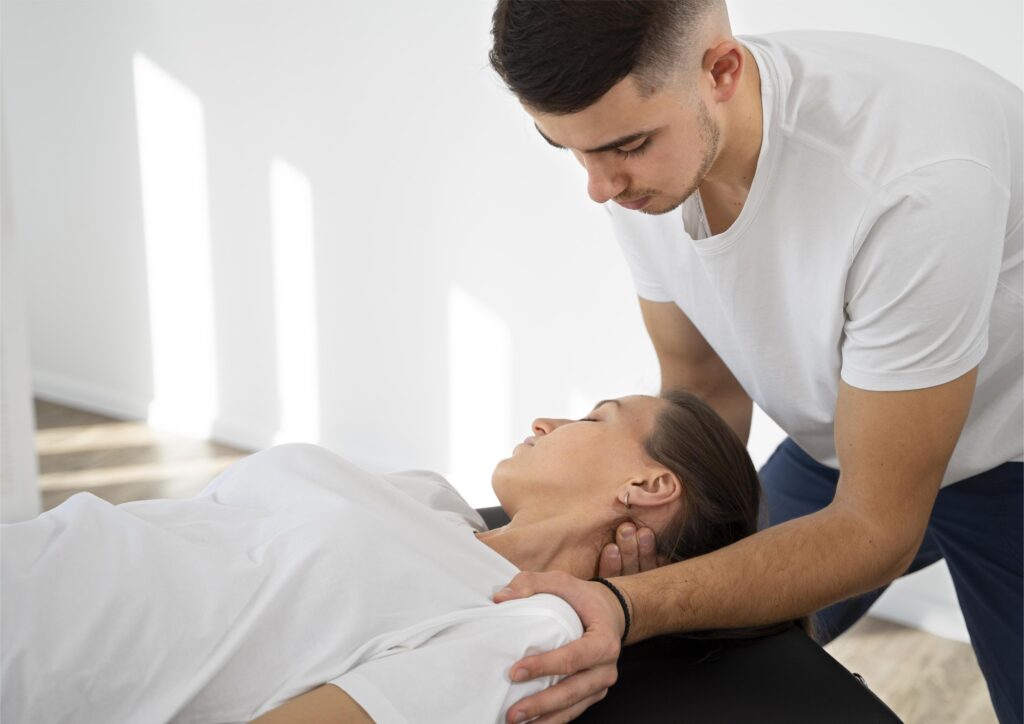
Additionally, manual therapy techniques, like massage, can help improve flexibility and reduce muscle tension. You might also consider using kinesiology taping, which supports muscles and joints while allowing for full range of motion.
Each modality has its unique benefits, and combining them can often yield the best results. Always consult with a healthcare professional to determine the most appropriate techniques for your specific injury and recovery goals.
Preventing Future Injuries
Preventing future injuries is crucial for maintaining your performance and overall well-being. Once you've recovered from an injury, it's important to guarantee you don't find yourself in the same situation again. Here are some key strategies to help you stay injury-free:
- Warm up properly: Always begin with a thorough warm-up session before any physical activity. This increases blood flow, improves flexibility, and prepares your muscles for exertion.
- Strengthen your muscles: Incorporate strength training into your routine. Building muscle strength around vulnerable joints can provide better support and reduce the risk of injury.
- Focus on proper technique: Whether you're running, lifting weights, or playing a sport, using the correct technique can greatly reduce the likelihood of injuries. Consider working with a coach or trainer to refine your skills.
- Listen to your body: Pay attention to any signs of pain or discomfort. Ignoring these signals can lead to more severe injuries down the line. If something feels off, take a break and assess your condition.
- Cross-train: Engage in various activities to avoid overuse injuries. Mixing different types of workouts can help balance muscle development and reduce strain on specific areas.
Mental Aspects of Recovery
When you're recovering from an injury, maintaining a positive mindset can make all the difference.
Visualizing your success not only boosts your confidence but also helps your body heal more effectively.
Let's explore how these mental strategies can support your recovery journey.
Positive Mindset Importance
A positive mindset plays an essential role in your recovery from sports injuries. When you stay optimistic, you enhance your overall healing process, both physically and mentally.
It's easy to feel discouraged during recovery, but focusing on the positives can make a significant difference in your journey back to the field.
Here are some key benefits of maintaining that positive outlook:
- Improved Motivation: Staying positive keeps you motivated to stick to your rehabilitation routine.
- Reduced Stress: A positive mindset helps lower stress levels, which can hinder recovery.
- Better Pain Management: Optimism can lead to a higher tolerance for pain, making your recovery more bearable.
- Enhanced Resilience: Seeing setbacks as temporary challenges strengthens your mental resilience.
- Greater Support: A positive attitude attracts support from friends, family, and teammates, providing encouragement.
Visualization Techniques Benefits
Visualization techniques offer several powerful benefits that can greatly enhance your recovery from sports injuries. By imagining yourself healing and performing at your best, you create a mental blueprint that aligns with your physical goals. This practice can reduce anxiety and stress, which often accompany injuries, allowing you to focus on your recovery.
When you visualize the healing process, you stimulate your brain to activate the same neural pathways used during actual movement. This not only boosts your confidence but also promotes neuroplasticity, helping your body adapt and recover more efficiently. As you picture yourself engaging in rehabilitation exercises or returning to your sport, you enhance motivation and commitment to your recovery plan.
Additionally, visualization can improve pain management. By mentally shifting your focus away from discomfort, you may experience a reduction in pain perception, making it easier to stick to your rehabilitation routine.
Incorporating visualization into your daily practice can catalyze your recovery. Spend a few minutes each day imagining your progress, and you'll likely find yourself more in tune with your body, ultimately speeding up your journey back to peak performance.
Conclusion
To sum up, cracking your way to sports injury recovery means embracing a holistic approach. Prioritize rest and nutrition to fuel your body, while incorporating effective rehabilitation techniques to regain strength. Don't forget the power of a positive mindset; visualization can truly transform your recovery journey. By focusing on these essential aspects, you'll not only heal but also build resilience, setting yourself up for future success and preventing further injuries. Get ready to return stronger than ever!