
Shoulder pain is one of those problems that can sneak up on you gradually — or hit you all at once. Either way, when it becomes severe, it has a way of taking over your entire life. Simple things like reaching for a glass of water, sleeping on your side, or buckling your seatbelt suddenly become ordeals. Here in Lexington, SC, our team at Lexington Spinal Care sees patients dealing with serious shoulder pain on a regular basis. One of the most common questions Dr. Edward Carpenter hears is: “Do I really need surgery, or is there another way?” That is exactly what this article is designed to help you answer. We want to help you understand what is actually going on in your shoulder, what your options look like, and when surgery genuinely becomes the right conversation to have.
What Is Severe Shoulder Pain?
Severe shoulder pain refers to significant, persistent discomfort in or around the shoulder joint that limits your range of motion, disrupts sleep, or prevents normal daily function. It can stem from many different causes — from rotator cuff tears and bursitis to structural instability and joint degeneration. Not all severe shoulder pain requires surgery, and in many cases, conservative care can produce meaningful relief.
Understanding the Shoulder Joint
The shoulder is the most mobile joint in the human body. That incredible range of motion — the ability to swing your arm in nearly every direction — comes at a cost. Mobility and stability exist in constant tension here, which is part of why the shoulder is so vulnerable to injury and pain.
The shoulder is made up of three bones: the humerus (upper arm bone), the scapula (shoulder blade), and the clavicle (collarbone). These bones are held together and controlled by an intricate system of muscles, tendons, and ligaments. The rotator cuff, which is a group of four muscles and their tendons, is the workhorse of shoulder stability. Surrounding the joint are also fluid-filled sacs called bursae that help cushion movement and reduce friction.
When any part of this complex system becomes damaged, inflamed, or compressed, the result can be significant pain and loss of function. Understanding this anatomy helps explain why shoulder pain can feel so different from person to person — and why one-size-fits-all treatment rarely works well.
Common Causes of Severe Shoulder Pain
Before considering any intervention — surgical or otherwise — it is important to understand what is actually causing the pain. Dr. Edward Carpenter emphasizes that an accurate diagnosis is the foundation of any effective treatment plan. Here in Lexington, SC, patients come in with a wide variety of shoulder complaints, and the underlying causes vary considerably.
Rotator cuff tears are among the most common culprits. These can happen suddenly due to a traumatic injury — like a fall or a collision — or they can develop gradually from repetitive overhead movements. A partial tear may respond well to conservative care, while a full-thickness tear in certain patients may eventually require surgical evaluation.
Shoulder impingement syndrome occurs when the tendons of the rotator cuff become pinched under the bony arch of the shoulder. This leads to inflammation, pain with arm elevation, and over time, can contribute to tendon degeneration. Bursitis — inflammation of those small cushioning sacs — often accompanies impingement and can make even minor movements extremely painful.
Shoulder instability, which often develops after a dislocation, can cause chronic looseness in the joint and recurring episodes of giving way or slipping. Osteoarthritis of the glenohumeral joint causes the cartilage between the bones to break down, leading to grinding sensations, stiffness, and deep aching pain that worsens over time. Frozen shoulder, or adhesive capsulitis, causes the joint capsule to thicken and tighten progressively, severely limiting all movement and producing significant pain during the inflammatory phase.
Signs That Surgical Intervention May Be Considered
Surgery is never a casual decision, and the vast majority of shoulder conditions do not require it. However, there are specific situations where surgical consultation becomes a reasonable and necessary step. It is important to recognize these signs — not to cause alarm, but so you can make informed, timely decisions about your health.
One of the clearest indicators is a complete, full-thickness rotator cuff tear, particularly in a younger, active person. Research suggests that large tears in younger patients who rely on their shoulder for work or athletics may not fully heal through conservative means alone. A shoulder that has been dislocated multiple times and continues to slip out despite rehabilitation may also be a candidate for surgical stabilization. Structural instability of this kind can increase the risk of further joint damage with each episode.
Severe, end-stage glenohumeral arthritis that has failed to respond to conservative treatments — including physical rehabilitation, chiropractic care, and anti-inflammatory strategies — sometimes warrants orthopedic evaluation for joint replacement. Similarly, if significant shoulder pain has persisted beyond three to six months of consistent, quality conservative care without meaningful improvement, it is appropriate to have a conversation with an orthopedic specialist.
Acute trauma resulting in fracture, nerve injury, or vascular damage requires prompt medical evaluation regardless of pain level. These are not situations for a “wait and see” approach. Red flag symptoms — such as sudden severe weakness, complete loss of arm function, or changes in sensation spreading into the hand — should always be evaluated medically without delay.
Why Conservative Care Comes First
The American College of Physicians and major orthopedic guidelines consistently recommend conservative, non-surgical approaches as the appropriate first line of care for most musculoskeletal conditions, including many causes of severe shoulder pain. This is not just a cost-saving measure — it reflects genuine evidence that the body has a remarkable capacity to recover when given the right support.
Conservative care for shoulder pain typically includes a combination of chiropractic evaluation and treatment, guided therapeutic exercise, soft tissue therapies, activity modification, and in some cases, working alongside other providers for additional pain management strategies. The goal is to restore proper joint mechanics, reduce inflammation, strengthen the supporting musculature, and improve the way the nervous system coordinates movement around the shoulder.
Many patients who come to Lexington Spinal Care assuming they need surgery discover that a structured conservative program produces significant, lasting improvement. That said, our team never discourages appropriate medical evaluation. Dr. Edward Carpenter’s approach has always been to put the patient’s best interest at the center of every decision — and sometimes that means co-managing care or facilitating referrals when needed.
How Chiropractic Care Fits Into Shoulder Pain Recovery
Chiropractic care plays a meaningful role in addressing many of the musculoskeletal factors that contribute to shoulder pain. While chiropractic is often associated primarily with spinal care, the truth is that it encompasses a comprehensive approach to the entire musculoskeletal system, including the shoulder complex.
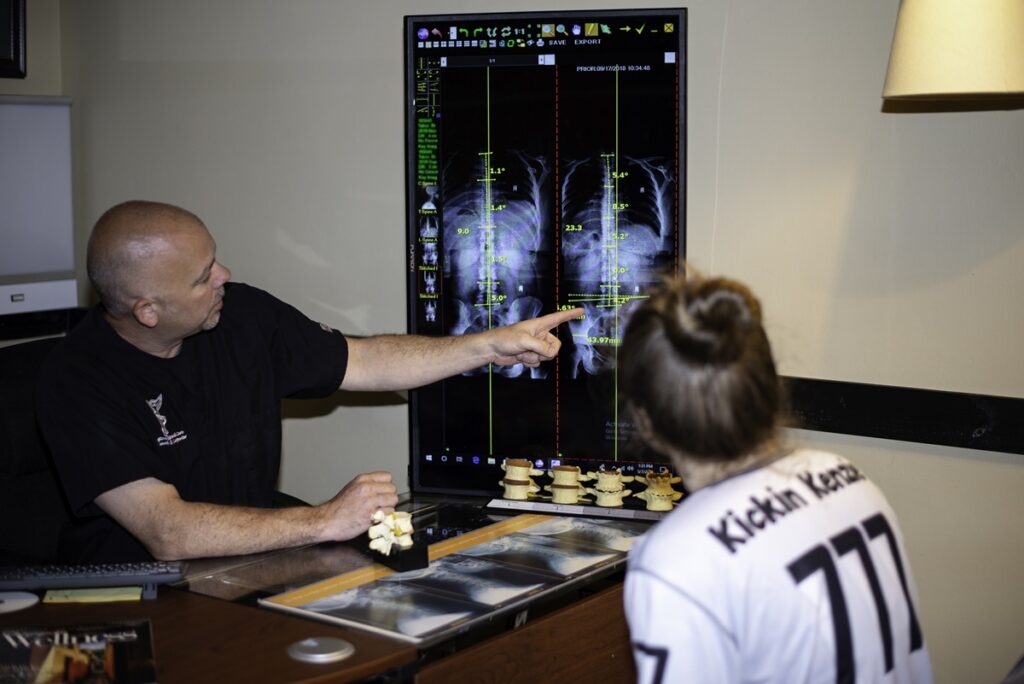
At Lexington Spinal Care, Dr. Edward Carpenter evaluates not just the shoulder itself, but also the cervical spine (neck) and thoracic spine (mid-back), because dysfunction in these areas can directly contribute to shoulder symptoms. A pinched nerve in the neck, for example, can produce pain, tingling, and weakness that mimics or accompanies shoulder problems. Addressing the spine while also working on the shoulder can lead to better outcomes than treating either in isolation.
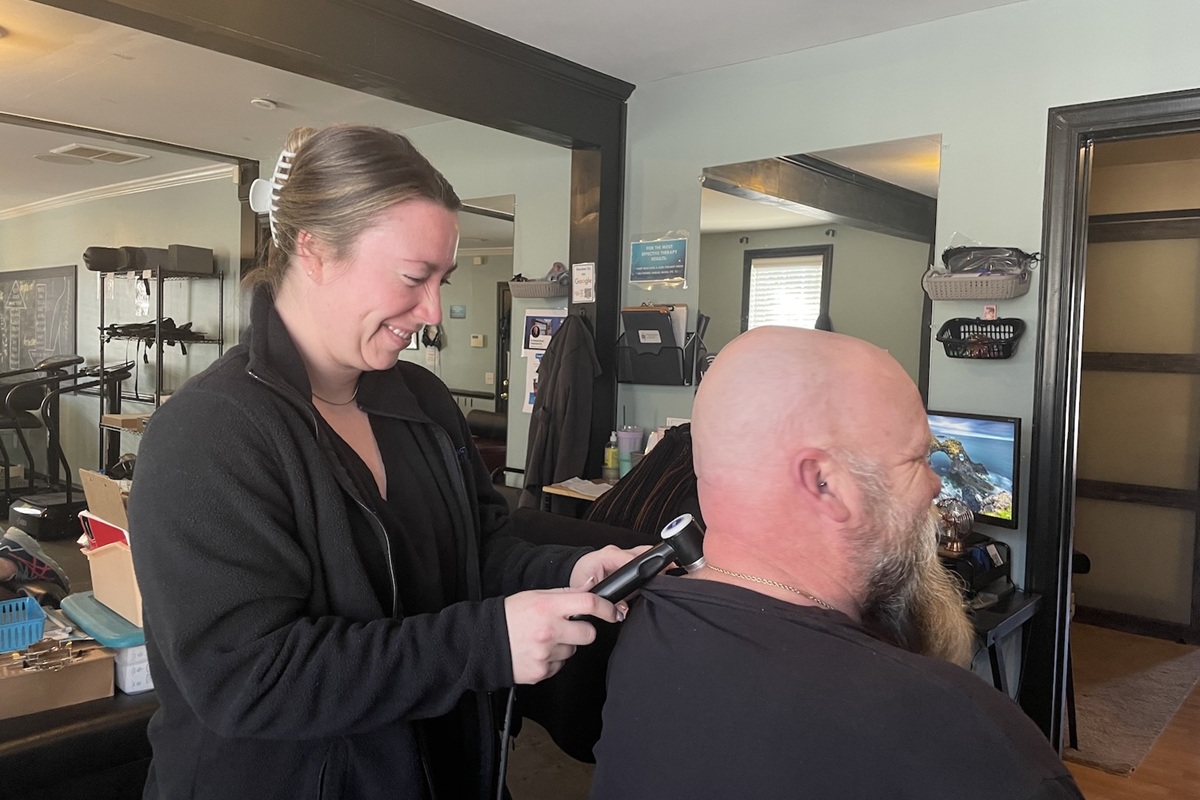
Chiropractic adjustments to the shoulder joint and surrounding structures can help restore normal range of motion, reduce mechanical stress on the joint, and improve the overall function of the muscles and tendons involved. Soft tissue techniques targeting the rotator cuff muscles and surrounding areas may reduce tension and improve circulation to healing tissues. Rehabilitative guidance helps patients understand which movements to avoid and which exercises support recovery.
Chiropractic care is not a replacement for surgery when surgery is genuinely indicated. But for the large majority of shoulder conditions, it represents a safe, effective, drug-free option that deserves a thorough trial before more invasive interventions are considered.
Practical Tips for Managing Shoulder Pain at Home
While professional care is the most important step toward recovery, there are things you can do at home to support the healing process and avoid making things worse. These strategies are general and should be adapted based on your specific condition — always discuss home care with your chiropractor before starting anything new.
Avoid sleeping on the affected shoulder. This simple change alone can significantly reduce nighttime pain. Try sleeping on your back with a pillow under the painful arm, or on the opposite side with a pillow in front of your chest to prevent rolling. Modifying the positions that consistently aggravate your symptoms gives your tissues a chance to calm down.
Be mindful of posture throughout the day. Rounded shoulders and a forward head posture increase the load on the rotator cuff and can worsen impingement-related pain. Sitting tall, gently retracting the shoulder blades, and keeping your workstation ergonomically set up can reduce unnecessary strain on an already irritated shoulder.
Gentle movement — within a pain-free range — is generally better than complete rest. Total immobilization can contribute to stiffness and slow the healing process. However, pushing through sharp pain is never advisable. Ask Dr. Edward Carpenter or our care team at Lexington Spinal Care what types of movement are appropriate for your specific situation.
When to See a Chiropractor
If your shoulder pain has persisted for more than a week or two without improvement, it is worth getting a professional evaluation. Pain that disrupts your sleep, limits your work, or prevents you from doing everyday activities is telling you something important — and ignoring it rarely leads to improvement on its own.
Here in Lexington, SC, many patients at Lexington Spinal Care reach out after weeks or even months of hoping their shoulder will simply get better on its own. Early evaluation often leads to faster, more complete recovery. The longer certain conditions are left untreated, the more the surrounding muscles and joints compensate — and those compensations can create their own set of problems.
Seek immediate medical attention if you experience sudden severe weakness in the arm, inability to lift the arm at all, significant trauma to the shoulder, numbness or tingling spreading into the hand, or signs of infection such as redness, warmth, and fever. These are situations that go beyond what conservative care should address as a first response.
Shoulder Pain: Conservative Care vs. Surgical Intervention
Factor |
Conservative Care |
Surgical Intervention |
|---|---|---|
|
Best suited for |
Most rotator cuff injuries, impingement, bursitis, early arthritis, frozen shoulder |
Full-thickness tears in active patients, recurrent instability, end-stage arthritis, trauma with structural damage |
|
Recovery time |
Weeks to a few months depending on severity |
Typically 6-12 months with rehabilitation |
|
Risk level |
Low — non-invasive, drug-free options available |
Moderate to higher — anesthesia, infection, scar tissue risks |
|
First-line recommendation |
Yes — recommended by ACP and major orthopedic guidelines |
No — typically reserved after conservative care fails |
|
Includes chiropractic care |
Yes — joint mobilization, soft tissue work, rehab guidance |
Post-surgical rehabilitation may still include chiropractic support |
|
Addresses spinal contributors |
Yes — cervical and thoracic spine evaluated alongside shoulder |
Rarely — focus is on the structural shoulder repair |
Myths vs. Facts About Severe Shoulder Pain
Myth: If the pain is severe, surgery is the only real solution.
Fact: Severity of pain does not automatically indicate the need for surgery. Many patients with significant shoulder pain respond well to structured conservative care that includes chiropractic treatment, therapeutic exercise, and activity modification. Pain intensity is one factor in a much larger picture.
Myth: A torn rotator cuff always requires surgery.
Fact: Not all rotator cuff tears are the same. Small to moderate partial tears often heal or become manageable with proper conservative care. Research indicates that many people with rotator cuff tears on imaging have no pain at all, and surgical outcomes for partial tears are not always superior to non-surgical approaches.
Myth: Chiropractic care is only for back and neck problems.
Fact: Chiropractic care addresses the entire musculoskeletal system. Shoulder pain, hip pain, knee pain, and many other joint conditions fall within the scope of chiropractic evaluation and treatment. At Lexington Spinal Care, shoulder care is a regular part of the practice.
Myth: Resting completely is the best thing you can do for a painful shoulder.
Fact: While protecting an acutely injured shoulder from aggravating movements is important, total immobility can lead to stiffness, muscle weakness, and a longer recovery. Guided, gentle movement within a pain-free range is generally beneficial and is part of most conservative care programs.
Myth: If conservative care didn’t work quickly, surgery is the next step.
Fact: Timeline matters. A few weeks of care is rarely sufficient to judge the full potential of a conservative approach. Most guidelines recommend a consistent trial of three to six months of quality conservative care before concluding that surgical evaluation is necessary, except in cases of trauma or specific structural emergencies.
Final Thoughts From Lexington Spinal Care
Shoulder pain — especially when it is severe — can feel overwhelming. It affects your sleep, your work, your ability to care for your family, and your quality of life in ways that are hard to overstate. But overwhelming does not mean hopeless. The vast majority of people dealing with even significant shoulder conditions find meaningful relief through conservative, non-surgical care when given the right guidance and the appropriate time to heal.
At Lexington Spinal Care, Dr. Edward Carpenter is committed to helping patients here in Lexington, SC understand their condition clearly and make informed decisions about their health. That includes being honest when conservative care is the right path, and equally honest when a referral or additional evaluation is warranted. There is no agenda here beyond helping you feel better and function well for the long term.
If you have been struggling with shoulder pain and wondering whether you are headed toward surgery, we encourage you to start with a thorough evaluation. Understanding what is actually happening in your shoulder is the most empowering thing you can do. The team at Lexington Spinal Care in Lexington, SC is here to help you figure that out — step by step, with care and clarity.
Frequently Asked Questions
How do I know if my shoulder pain is serious enough to see a chiropractor?
If your shoulder pain has lasted more than one to two weeks, is disrupting your sleep, or is limiting normal daily activities, it is worth getting evaluated. Early intervention generally leads to faster and more complete recovery than waiting it out.
Can chiropractic care help after shoulder surgery?
Yes, in many cases chiropractic care can play a supportive role in post-surgical recovery. Addressing spinal alignment, surrounding muscle function, and overall movement patterns can complement surgical rehabilitation. Always consult your surgeon before beginning any post-operative care.
How long does it take for shoulder pain to improve with conservative care?
This depends heavily on the underlying cause and severity of the condition. Some patients notice improvement within a few weeks, while others with more significant injuries may require several months of consistent care. Dr. Edward Carpenter can provide a more specific assessment based on your individual situation.
Is it possible to avoid surgery even with a rotator cuff tear?
For many patients, yes. Partial tears and even some full tears in older or less active individuals often respond well to conservative management. The appropriateness of non-surgical care depends on the size and type of the tear, the patient’s age, activity level, and overall health goals.
What makes shoulder pain worse and how can I avoid aggravating it?
Common aggravating factors include overhead reaching, sleeping on the affected side, repetitive pushing or pulling motions, and prolonged postures with rounded shoulders. Identifying and temporarily avoiding these triggers while pursuing care can significantly speed up the recovery process.
Does Lexington Spinal Care work with other medical providers for shoulder conditions?
Absolutely. Dr. Edward Carpenter takes a collaborative approach to patient care. When conditions require orthopedic consultation, imaging, or co-management with other healthcare providers, the team at Lexington Spinal Care facilitates those connections in the best interest of the patient.
TL;DR — Key Takeaways
-
Severe shoulder pain has many possible causes — from rotator cuff tears and bursitis to arthritis and instability — and each requires proper diagnosis before determining the right treatment path.
-
Surgery is not the automatic answer for severe shoulder pain. Most guidelines recommend a thorough trial of conservative care first, typically spanning three to six months.
-
Chiropractic care at Lexington Spinal Care addresses both the shoulder and the spinal contributors to shoulder symptoms, offering a comprehensive, drug-free approach to recovery.
-
Specific red flags — including acute trauma, sudden complete weakness, or recurring instability — warrant prompt medical or orthopedic evaluation rather than conservative care alone.
-
Early professional evaluation leads to better outcomes. If your shoulder pain is affecting your life, reaching out to Dr. Edward Carpenter and the team in Lexington, SC is a smart first step.