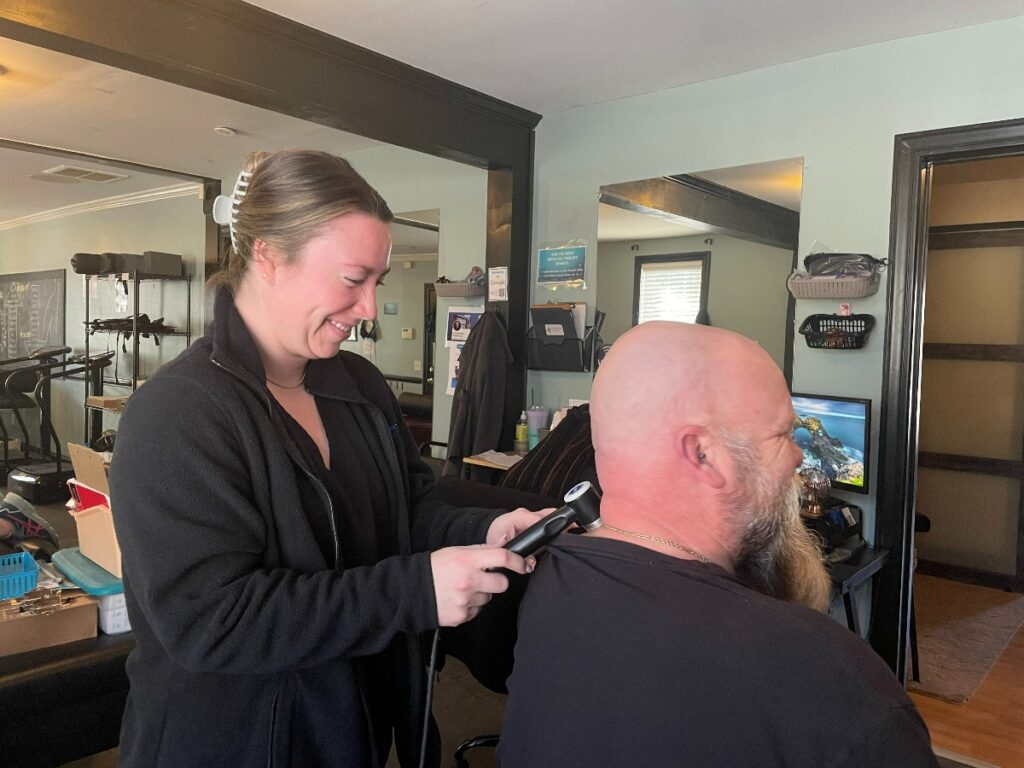
As a local chiropractor, I often get asked whether manual therapy can genuinely help with sports injury recovery. Many athletes have experienced firsthand the benefits of hands-on techniques, reporting reduced pain and enhanced mobility following treatment. But you might be wondering, is there scientific evidence to support these claims?
Let's delve into the various types of manual therapy, including chiropractic adjustments, soft tissue work, and mobilization techniques, to understand how they can aid in your recovery journey. While personal experiences from fellow athletes can be compelling, it's also essential to consider the latest research in this field.
Studies have shown that manual therapy can be effective in alleviating pain and improving function in those recovering from sports injuries. This treatment approach can complement other recovery methods, offering a holistic path to healing that focuses on your body's natural ability to recover.
If you're curious about how chiropractic care and manual therapy can fit into your recovery plan, I invite you to explore this further. The insights might just change your view on how to approach healing from sports injuries.
Understanding Manual Therapy
As a local chiropractor, I want to introduce you to the transformative benefits of manual therapy, especially when it comes to recovering from sports injuries. This hands-on approach isn't just about alleviating pain; it's a holistic method that promotes healing by directly manipulating your muscles and soft tissues.
By engaging in manual therapy, you're addressing not only the symptoms of your injury but also the underlying causes that may have led to it.
One of the key advantages of manual therapy is its ability to enhance blood circulation in the affected areas. Improved blood flow is crucial as it delivers essential nutrients and oxygen necessary for the healing process. This increased circulation can significantly reduce inflammation and swelling, making it easier for you to regain strength and flexibility.
Moreover, the hands-on nature of manual therapy fosters a deeper connection between your mind and body, which can be incredibly beneficial during your recovery journey.
As you experience manual therapy, you may notice a heightened awareness of your body. This newfound awareness helps you identify any movement patterns that may have contributed to your injury, allowing you to make preventive adjustments in your activities.
It's vital to collaborate with a qualified chiropractor who understands your unique needs and can customize the techniques to suit your specific situation.
Types of Manual Therapy
As a local chiropractor, I believe it's essential for you to understand the different types of manual therapy available, so you can make informed choices about your recovery journey. Each method offers unique techniques and focuses on various aspects of treatment. Here are four common types of manual therapy that you might want to explore:
- Chiropractic Manipulation: This is at the heart of what I do as a chiropractor. It involves adjusting the spine and other joints to improve alignment, reduce pain, and enhance mobility. By using specific techniques, I perform quick, controlled movements to help restore proper function to your body.
- Physical Therapy: While my focus is on chiropractic care, it's important to note that physical therapy also plays a vital role in recovery. Physical therapists use a mix of hands-on techniques and therapeutic exercises to boost strength, flexibility, and overall function, all tailored to your specific needs.
- Massage Therapy: Another complementary approach is massage therapy, which focuses on manipulating soft tissues like muscles and tendons. This technique helps to relieve tension and improve circulation. Depending on your situation, different styles—such as deep tissue or sports massage—can be beneficial.
- Osteopathic Manipulative Treatment (OMT): Although my expertise is in chiropractic care, I recognize that some patients may benefit from OMT. Osteopaths use this method to treat various conditions by moving muscles and joints through stretching, gentle pressure, and resistance. Their holistic approach aims to enhance the body's innate ability to heal itself.
By understanding these types of manual therapy, you can take a proactive approach to your health and explore the best options for your recovery.
If you have any questions or would like to learn more about chiropractic care, feel free to reach out!
Benefits for Athletes
As a local chiropractor, I understand that many athletes grapple with the ongoing challenge of balancing performance and recovery. This is where manual therapy can play a crucial role in enhancing your overall training experience. Techniques such as massage, joint mobilization, and fascial release aren't just treatments; they're valuable tools that can significantly support your physical condition and athletic progress.
One of the key benefits of manual therapy is its ability to reduce muscle tension. When you push your body to its limits, tightness and soreness can easily set in. Through manual therapy, we can alleviate this discomfort, enabling you to train harder and more effectively without the nagging pain that often hinders performance.
Moreover, manual therapy promotes improved circulation. Enhanced blood flow means that more oxygen and nutrients reach your muscles, which can accelerate recovery and boost your endurance. This is especially important during intense training cycles when your body needs to recover quickly to keep pace with your demanding schedule.
Another advantage of incorporating manual therapy into your routine is the psychological benefit it provides. Regular sessions can help to reduce stress and anxiety, creating a sense of relaxation. When you feel both mentally and physically rejuvenated, your performance during competitions is likely to improve.
Additionally, manual therapy plays a vital role in injury prevention. By addressing imbalances and restrictions within your body, we can help keep your musculoskeletal system in optimal condition. This means you'll be less susceptible to strains and sprains, allowing you to focus on your performance without the fear of setbacks.
In summary, as a chiropractor, I believe that manual therapy can be a transformative element in your athletic journey. It's about more than just recovery; it's about enhancing your overall performance and well-being.
If you're curious about how chiropractic care and manual therapy can benefit you, I'm here to guide you on your path to better health and athletic success.
The Science Behind Recovery
As your local chiropractor, I want to help you understand the incredible process of recovery and the natural healing mechanisms your body possesses.
When we talk about recovery, it's important to recognize how your body works at a physiological level. Research has shown that manual therapy, which we practice in chiropractic care, can significantly boost your healing by enhancing blood circulation and reducing inflammation.
Let's dive into the science: numerous studies have demonstrated that techniques such as spinal adjustments and soft tissue manipulation can facilitate the body's natural healing processes.
By improving blood flow, we ensure that essential nutrients and oxygen reach the affected areas, aiding in recovery. Additionally, reducing inflammation helps alleviate pain and promotes a healthier environment for healing.
I'm here to guide you through this journey, sharing evidence-based insights that underscore the benefits of chiropractic care and natural healing.
Together, we can enhance your recovery process and get you back to feeling your best!
Physiological Mechanisms Explained
As your local chiropractor, I want to shed light on the intricate physiological mechanisms that play a vital role in recovering from sports injuries and how manual therapy can significantly aid in this process. Understanding these concepts can help you appreciate the benefits of chiropractic care and natural healing.
- Boosting Blood Flow: One of the key benefits of manual therapy is its ability to stimulate circulation. This enhanced blood flow brings essential oxygen and nutrients to your injured tissues, which is crucial for effective healing.
- Relieving Muscle Tension: Manual therapy techniques can help relieve tension in the muscles surrounding your injury. This not only alleviates pain but also improves your mobility, making your rehabilitation more effective and comfortable.
- Improving Joint Mobility: Through various manual therapy techniques, we can enhance the function of your joints. This improvement is essential for regaining strength and stability in the affected area, allowing you to return to your activities with confidence.
- Modulating Pain: One of the wonderful aspects of manual therapy is its ability to activate your body's natural pain-relief systems. Techniques we use can stimulate the release of endorphins, helping you manage discomfort more effectively during your recovery.
By understanding these physiological factors, you can see how manual therapy isn't just about treating symptoms; it's about creating an environment that promotes healing.
My goal is to support you on your recovery journey, helping you regain your strength and ultimately return to peak performance with a renewed sense of well-being.
Evidence-Based Studies Overview
As a local chiropractor, I want to share some important insights about the benefits of manual therapy, particularly in the context of sports injury recovery.
Recent research has shown that techniques commonly used in chiropractic care, such as massage, joint mobilization, and myofascial release, can significantly reduce pain and enhance your overall function during recovery.
In fact, a systematic review published in a prominent sports medicine journal found that athletes who received manual therapy experienced faster recovery times when compared to those who relied solely on traditional rehabilitation methods.
This means that integrating manual therapy into your recovery plan can lead to quicker healing and a return to your favorite activities.
Additionally, manual therapy has been shown to not only relieve discomfort but also improve your range of motion.
This is particularly important for athletes looking to get back into their sport without limitations.
By addressing any underlying issues, manual therapy also helps reduce the risk of reinjury, making it a vital part of a comprehensive rehabilitation strategy.
I encourage you to consider these findings as you navigate your recovery process.
Understanding the role of manual therapy can empower you to make informed decisions about your healing journey.
With the right approach, you can bounce back stronger and more resilient than ever.
As your chiropractor, I'm here to support you every step of the way!
Expert Opinions on Effectiveness
As a local chiropractor dedicated to promoting natural healing and recovery, I want to share some insights about the benefits of manual therapy, which is a fundamental aspect of chiropractic care.
Many professionals in sports medicine and rehabilitation recognize the significant role that manual therapy can play in helping you recover from injuries. This hands-on approach not only alleviates pain but also improves your overall function.
Here are four key benefits you may experience when you integrate manual therapy into your recovery plan:
- Pain Reduction: Many of my fellow practitioners have observed that techniques such as soft tissue mobilization can effectively lessen pain levels. This allows you to start rehabilitation exercises sooner, making your recovery process more efficient.
- Improved Mobility: Manual therapy is known to help restore your normal range of motion in injured areas. Regaining this mobility is crucial for building strength and returning to your daily activities.
- Enhanced Blood Flow: The manual techniques used in chiropractic care can stimulate circulation, which is vital for healing. Increased blood flow delivers essential nutrients and oxygen to your injured tissues, supporting recovery.
- Psychological Benefits: Many individuals report that the personal touch of manual therapy offers psychological comfort. This can help reduce anxiety and enhance your overall sense of well-being during the recovery process.
While there are varying opinions on the best approaches to healing, the consensus among experts is clear: when performed by a qualified practitioner, manual therapy can be a powerful tool in your recovery journey.
I encourage you to consult with your healthcare provider or reach out to me to discuss how chiropractic care and manual therapy can be incorporated into your rehabilitation strategy.
Together, we can optimize your recovery and help you get back to enjoying the activities you love most.
Case Studies in Sports Recovery
As a local chiropractor, I want to share some real-life examples that demonstrate how manual therapy can significantly aid in sports recovery, especially for those who may not be familiar with chiropractic care and natural healing methods.
Take, for instance, a collegiate soccer player who faced a severe ankle sprain during a match. Although he adhered to standard rehabilitation protocols, his recovery seemed to stall. After a few sessions of manual therapy—specifically focusing on soft tissue mobilization and joint manipulation—he experienced remarkable improvements. His range of motion improved, pain levels decreased, and he was able to return to the field much sooner than expected. This is a prime example of how chiropractic techniques can facilitate a quicker recovery.
Another case is that of a professional runner struggling with persistent knee pain. Despite traditional treatments offering minimal relief, she decided to explore manual therapy. Utilizing targeted techniques such as myofascial release and deep tissue massage, her therapist was able to address the underlying tension and imbalances in her body. Within weeks, she not only felt a significant reduction in pain but also regained her competitive edge, ultimately achieving victory in a regional championship.
Let's also consider a weekend warrior who strained his lower back while lifting weights. Experiencing limited mobility and chronic discomfort, he sought chiropractic care. The therapist employed a combination of spinal manipulation and stretching techniques, leading to a swift recovery. Remarkably, he was back to his regular workout routine within just a few days, allowing him to continue his fitness journey without unnecessary downtime.
These cases exemplify how manual therapy, a cornerstone of chiropractic care, can play a crucial role in recovering from sports injuries. By addressing the specific issues that hinder healing, we can help athletes regain their strength, flexibility, and confidence, enabling them to return to their sport more effectively and efficiently.
If you're dealing with a sports injury or any discomfort, consider exploring chiropractic care as a natural and effective healing option.
Comparing Manual Therapy With Other Treatments
As your local chiropractor, I want to help you understand the benefits of chiropractic care and how it compares to other treatment options available for your recovery.
Manual therapy, which includes the hands-on techniques we use in chiropractic, can provide unique advantages, such as enhanced mobility and effective pain relief.
When considering your recovery options, it's important to recognize that chiropractic care focuses on the body's natural ability to heal itself.
Unlike some alternative treatments, chiropractic adjustments aim to address the root cause of your discomfort, promoting overall wellness rather than just masking symptoms.
Let's take a closer look at how chiropractic care stacks up against other popular methods.
This comparison can help you make an informed choice about the best path for your health and recovery.
Manual Therapy Benefits
As a local chiropractor, I want to share the remarkable benefits of manual therapy for sports injury recovery. While there are many treatment options available, manual therapy is truly unique in its approach, addressing not just the immediate pain but also fostering long-term healing.
Here are some of the key advantages of manual therapy that you may not be familiar with:
- Pain Relief: Techniques such as manipulation and mobilization can significantly alleviate pain, allowing you to return to your favorite activities more quickly.
- Improved Mobility: Manual therapy enhances flexibility in your joints and muscles, enabling you to restore your range of motion more effectively than many other treatment options.
- Muscle Relaxation: This hands-on approach helps relieve muscle tension and spasms, promoting relaxation and enhancing your overall physical function.
- Personalized Care: Each session is customized to meet your specific needs, ensuring that you receive focused treatment tailored to your individual injury.
Choosing manual therapy opens the door to a holistic recovery process. Unlike more passive treatments, this active engagement in your healing journey allows us to address not only the symptoms you're experiencing but also the underlying causes of your sports injury.
If you're new to chiropractic care and natural healing, I invite you to explore the benefits of manual therapy and how it can support your recovery.
Alternative Treatment Options
As a local chiropractor, I want to take a moment to educate you about the benefits of manual therapy, especially in comparison to other treatment options for sports injuries. While there are many paths to recovery, manual therapy offers unique advantages that you may not be familiar with.
Manual therapy is a hands-on approach that focuses on promoting healing, alleviating pain, and enhancing mobility through skilled techniques. Unlike medication, which can often mask symptoms without addressing the root cause of your discomfort, manual therapy aims to heal your body from within. This holistic approach fosters a more complete recovery, allowing you to return to your sport with greater strength and resilience.
While physical therapy can include manual techniques, it often leans heavily on exercises and equipment that may feel impersonal or even overwhelming at times. In contrast, my chiropractic practice prioritizes personalized care, tailoring our techniques to meet your specific needs and responses. This individualized approach helps ensure that you receive the most effective treatment possible.
On the other hand, surgical options can be quite invasive and come with lengthy recovery times and potential complications. Many athletes are understandably hesitant to pursue surgery unless it's absolutely essential. The good news is that manual therapy can often help you avoid such drastic measures by effectively addressing your injury and promoting natural healing.
In summary, manual therapy offers a unique combination of immediate relief and long-term recovery benefits, distinguishing it from other treatment methods. If you're considering your options, I encourage you to explore how chiropractic care and manual therapy can play a vital role in your recovery plan and enhance your overall athletic performance.
Let's work together towards a healthier, more active you!
Best Practices for Implementation
As a local chiropractor, I want to share some insights on how we can effectively use manual therapy to support your recovery from sports injuries.
It's essential to approach this process strategically, focusing on your unique needs as an athlete and my expertise in natural healing. Here are some best practices to consider:
1. Assessment and Diagnosis: The first step in your recovery journey is a comprehensive assessment.
We'll discuss your injury history, current symptoms, and any limitations you might be experiencing. This thorough understanding allows me to customize the manual therapy techniques specifically for you.
2. Individualized Treatment Plans: Together, we'll develop a personalized treatment plan that combines manual therapy with other rehabilitation methods.
This holistic approach not only promotes your recovery but also helps in preventing future injuries. Your well-being is my top priority.
3. Communication: It's crucial that we maintain open communication throughout your treatment.
I encourage you to share your thoughts about pain levels and any discomfort you feel during our sessions. Your feedback is invaluable for adjusting our techniques and ensuring your comfort during the healing process.
4. Progress Monitoring: We'll regularly assess your progress.
By tracking improvements in flexibility, strength, and pain levels, I can adjust your treatment plan as necessary to optimize your recovery. Together, we'll celebrate your achievements and make any needed tweaks to keep you on the path to optimal health.
Conclusion
As a local chiropractor, I want to share how manual therapy can significantly benefit your recovery from sports injuries. This hands-on approach enhances circulation, alleviates muscle tension, and improves your range of motion. By addressing both your immediate discomfort and your long-term performance goals, manual therapy can be a vital part of your healing process.
Numerous experts and successful case studies support the effectiveness of this treatment modality, highlighting its role in reducing the risk of reinjury. If you're unfamiliar with chiropractic care and natural healing, I encourage you to consider incorporating manual therapy into your recovery plan. It's an excellent way to support your body's natural healing abilities and get you back to enjoying the sport you love. Don't hesitate to reach out to learn more about how we can work together on your healing journey.