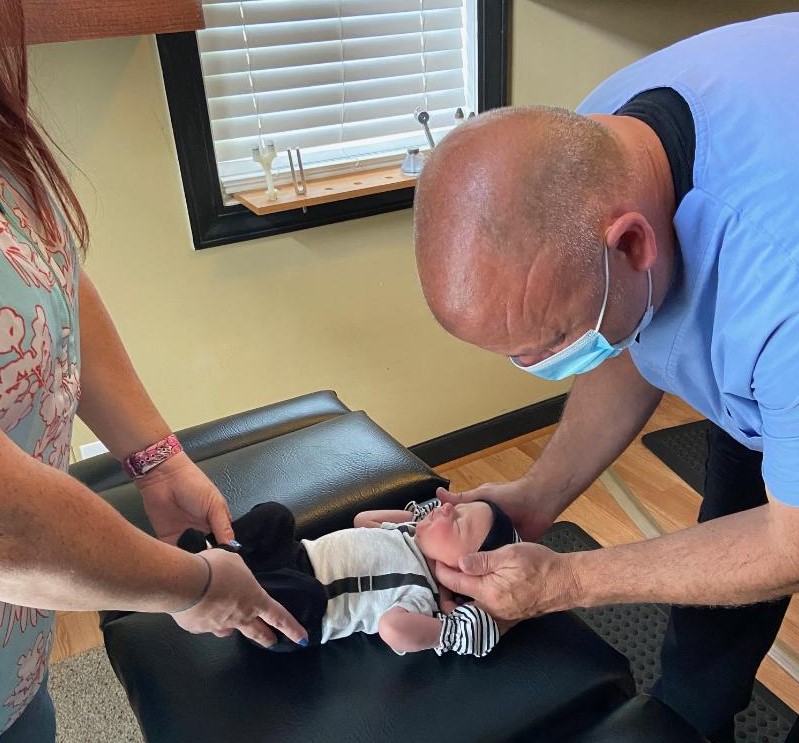
As a local Chiropractor, I understand that chronic back pain can be a frustrating and debilitating issue for many individuals. Fortunately, there are effective long-term strategies to help manage this condition and improve your quality of life.
One key approach is integrating regular exercise into your routine. This doesn’t mean you need to hit the gym every day, but simple activities like walking, stretching, or engaging in low-impact exercises can significantly strengthen your back and core muscles.
Maintaining a healthy weight is also crucial. Excess weight puts added strain on your spine, which can exacerbate pain. By focusing on a balanced diet and regular physical activity, you can create a solid foundation for relief.
Posture plays an important role in back health as well. Many people are unaware of how their daily habits—like slouching at a desk or improper lifting techniques—can affect their spine. I encourage you to become more mindful of your posture throughout the day and make adjustments where necessary.
In addition to these physical strategies, managing stress is vital. Chronic stress can lead to muscle tension, which may worsen back pain. Techniques such as mindfulness, meditation, or yoga can help alleviate tension and promote relaxation.
Lastly, exploring alternative therapies, including chiropractic care, can provide additional relief. Chiropractic adjustments can help restore proper alignment to your spine, improve mobility, and reduce pain.
If you’re curious about how these approaches can transform your daily life and help manage your chronic back pain, let’s dive deeper into each strategy together. Your journey to better health starts here!
Regular Exercise and Physical Activity
As a local chiropractor, I want to emphasize the importance of incorporating regular exercise and physical activity into your daily routine, especially if you’re dealing with chronic back pain. Engaging in activities such as walking, swimming, or yoga can significantly strengthen your core muscles and improve your flexibility, which is crucial for providing better support for your spine.
By staying active, you can help reduce stiffness and enhance blood circulation, which promotes healing in affected areas of your back. I encourage you to include strength training exercises that specifically target your back and abdominal muscles. Building a strong foundation is essential in reducing the risk of injury and managing pain effectively.
The general recommendation is to aim for at least 150 minutes of moderate aerobic activity each week, along with muscle-strengthening exercises twice a week. However, it’s important to listen to your body—start at a pace that feels comfortable for you and gradually increase the intensity of your workouts.
Remember, staying active not only improves your physical health but also boosts your mood and resilience against pain. By prioritizing exercise, you’re taking a proactive step in managing your chronic back pain and enhancing your overall well-being.
If you have any questions about how to safely incorporate these activities into your routine, feel free to reach out for guidance.
Maintaining a Healthy Weight
As a local chiropractor, I want to emphasize the importance of regular exercise not only for strengthening your muscles but also for maintaining a healthy weight. This is particularly crucial for those of you managing chronic back pain. Carrying excess weight can place additional strain on your spine and the surrounding muscles, leading to increased discomfort and pain.
By focusing on a balanced diet combined with regular physical activity, you can effectively control your weight and reduce the likelihood of back pain flare-ups. I encourage you to incorporate both cardiovascular exercises and strength training into your routine. Aim for at least 150 minutes of moderate aerobic activity each week, supplemented by two days of strength training.
Additionally, a diet rich in fruits, vegetables, lean proteins, and whole grains will further enhance your weight management efforts.
Proper Posture and Ergonomics
As a local chiropractor, I want to emphasize the importance of proper posture and ergonomics in managing chronic back pain. Many individuals are unaware that poor alignment can significantly worsen discomfort. By being mindful of how you sit, stand, and move, you can alleviate strain on your back and promote overall well-being.
Let’s start with your workstation. It’s crucial to set it up to encourage good posture. Your feet should rest flat on the floor, and your knees should be positioned at or slightly below hip level. This simple adjustment can make a world of difference.
When you sit, choose a chair that provides adequate support for your lower back, and remember to keep your shoulders relaxed. If you find yourself at a desk for extended periods, make it a habit to take regular breaks. Stretching and changing positions can help prevent stiffness and discomfort.
When standing, aim to distribute your weight evenly between both feet. Avoid locking your knees, as this can lead to unnecessary strain. And when lifting objects, always bend at the knees and keep the load close to your body. These practices can significantly reduce the risk of aggravating your chronic back pain.
Stress Management Techniques
As a chiropractor, I want to emphasize the connection between stress and chronic back pain. It’s crucial to understand that stress can intensify your discomfort, making it even more challenging to manage your pain effectively.
By incorporating stress management techniques into your daily life, you can greatly enhance your overall well-being and contribute to your healing process.
One effective method I recommend is deep breathing exercises. These techniques can help calm your mind and relax your muscles, providing relief from tension.
Mindfulness meditation is another valuable practice; it encourages you to stay present and helps release negative thoughts that may be contributing to your stress and pain.
Regular physical activity is also essential. Engaging in activities like yoga or simply taking a walk can’t only reduce stress but also improve your flexibility, which can alleviate some of the pain you may be experiencing.
Additionally, don’t underestimate the importance of social support. Connecting with friends or joining a support group can offer emotional relief and help you feel less isolated in your journey towards recovery.
Another effective strategy is journaling. Taking the time to express your feelings and track your pain levels can provide insight into your condition and help you identify patterns.
By integrating these techniques into your routine, you can manage stress more effectively and cultivate a healthier mindset. This holistic approach can lead to improved long-term results in your battle against chronic back pain.
Alternative Therapies and Treatments
As a local chiropractor, I want to help you understand the various options available for managing chronic back pain, particularly through alternative therapies and treatments. Chiropractic care is a key component of this approach, as it focuses on realigning your spine and enhancing your overall mobility. By utilizing specific adjustments, we can stimulate your body’s natural ability to relieve pain and improve function.
In addition to chiropractic adjustments, physical therapy can play a significant role in your healing journey. It emphasizes strengthening your back and increasing flexibility, which often results in long-term relief from pain.
I also encourage exploring practices like yoga or pilates, as they focus on core strength and body awareness, further supporting your recovery.
You might also consider incorporating herbal remedies and supplements, such as turmeric or omega-3 fatty acids, into your regimen. These have known anti-inflammatory properties that can help reduce discomfort.
Furthermore, mindfulness practices like meditation can be incredibly beneficial in managing pain by lowering stress levels and boosting your mental resilience.
Remember, each individual responds uniquely to treatments, so it’s essential to consult with a healthcare professional before embarking on any new therapy.
Together, we can find the right combination of techniques that will lead you to lasting relief and an improved quality of life. Your journey to wellness is important, and I’m here to guide you every step of the way.
Conclusion
As a local chiropractor dedicated to helping you manage chronic back pain, I want to share five essential strategies that can significantly enhance your pain relief journey. By incorporating regular exercise into your routine, you can strengthen your back muscles and increase flexibility, which is vital for reducing discomfort. Maintaining a healthy weight is equally important, as it minimizes the strain on your spine.
Additionally, practicing good posture is crucial in preventing further injury and alleviating pain. I often emphasize the importance of being mindful of your posture, whether you’re sitting at a desk or lifting objects. Managing stress through techniques like mindfulness or yoga can also play a significant role in your overall well-being, as stress can exacerbate pain levels.
Lastly, I encourage you to explore alternative therapies, such as chiropractic adjustments, which focus on aligning your spine and enhancing your body’s natural healing abilities. Each individual is unique, so it’s essential to find the combination that works best for you. With commitment and consistency, I believe you can achieve lasting relief and improve your quality of life. Take the first step in your back pain management journey today!