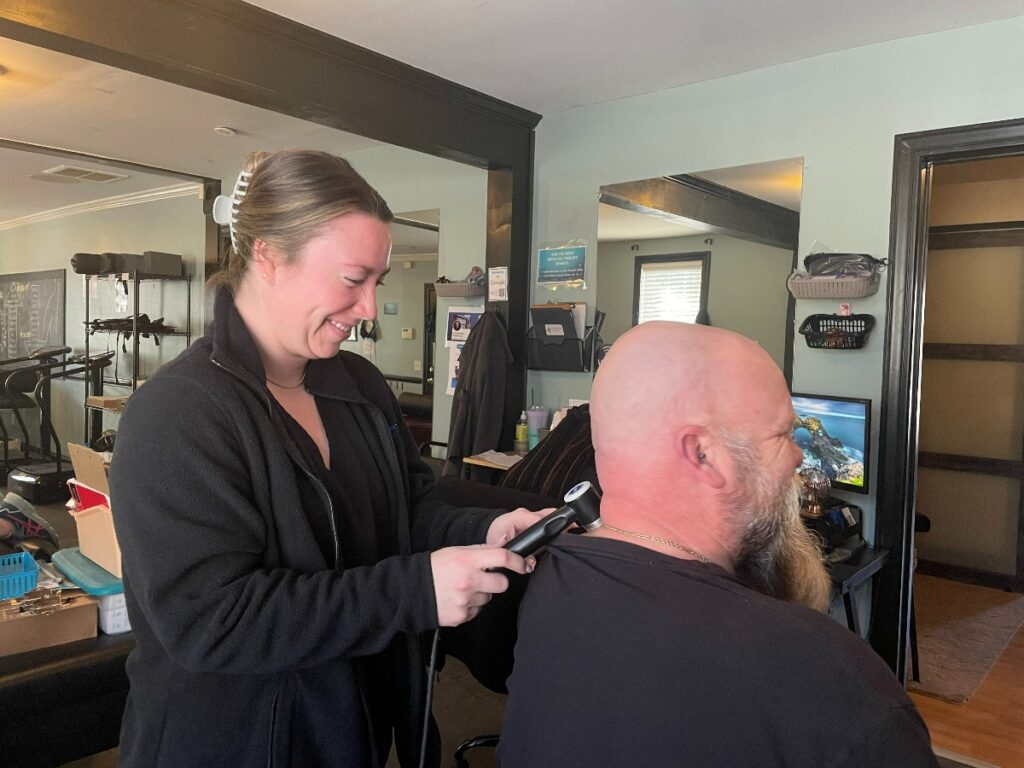
When it comes to back pain, a one-size-fits-all solution rarely works, and that's where customized treatment plans come into play. By tailoring your approach to your specific needs, these plans can address not just the pain but also the root causes, taking into account your lifestyle and medical history. This personalized approach not only enhances communication with your healthcare provider but also empowers you to take an active role in your recovery. But what exactly makes these tailored plans so effective, and how can they truly transform your experience with back pain?
Individualized Pain Management
When it comes to managing back pain, personalized approaches are key. You know your body better than anyone else, and that's why individualized pain management is essential. One person's experience with back pain can differ drastically from another's, so a one-size-fits-all solution rarely works. By tailoring a treatment plan to your specific needs, you can target the root causes of your discomfort more effectively.
Start by evaluating your pain levels, lifestyle, and any underlying conditions. This information helps you and your healthcare provider identify the most suitable interventions. Whether it's physical therapy, medication, or alternative treatments, each option can be adjusted based on your progress and feedback. This ongoing communication guarantees that your treatment stays relevant and effective.
In addition, consider incorporating lifestyle changes that resonate with you. Simple adjustments, like improving your posture or practicing mindfulness, can have a profound impact on your pain levels. Engaging in activities that you enjoy, such as yoga or swimming, can also provide both physical relief and emotional benefits.
Ultimately, individualized pain management empowers you to take control of your back pain. By working closely with healthcare professionals and being proactive about your treatment, you can discover what truly works for you.
Comprehensive Assessment Approach
A thorough assessment approach is essential for effectively addressing back pain. When you seek treatment, healthcare professionals need to gather detailed information about your condition. This isn't just about asking where it hurts; it's about understanding your entire lifestyle, medical history, and any previous treatments you've tried.
During the assessment, you'll likely go through a series of physical examinations, questionnaires, and possibly imaging tests. This extensive evaluation allows your provider to pinpoint the root cause of your pain. Are your symptoms stemming from a specific injury, a degenerative condition, or perhaps lifestyle factors such as posture or weight?
By identifying these underlying issues, you and your healthcare team can develop a tailored treatment plan that works for you. Moreover, a thorough assessment helps establish a baseline for your progress. As you begin treatment, regular follow-ups can track improvements or setbacks, ensuring that your plan remains effective.
You'll feel more in control of your healing journey when you're actively involved in this process. Don't underestimate the importance of open communication during this assessment phase. Sharing your concerns and preferences can lead to a more personalized approach, making your treatment not only effective but also aligned with your lifestyle.
Enhanced Treatment Effectiveness
To enhance your back pain treatment effectiveness, it's essential to implement targeted pain relief strategies that address your specific symptoms.
Personalized rehabilitation approaches can further optimize your recovery by focusing on your unique needs and lifestyle.
Targeted Pain Relief Strategies
Targeted pain relief strategies can considerably enhance the effectiveness of your back pain treatment plan. By honing in on the specific areas where you experience discomfort, these strategies allow for more precise management of your symptoms.
For instance, utilizing localized heat or cold therapy can provide immediate relief, addressing inflammation or muscle tension directly at the source.
Additionally, pain relief medications can be tailored to your individual needs. Nonsteroidal anti-inflammatory drugs (NSAIDs) may help reduce swelling, while muscle relaxants can ease spasms. Your healthcare provider can guide you in choosing the right options based on your pain's nature and intensity.
Incorporating techniques like acupuncture or chiropractic adjustments can also yield significant benefits. These alternative therapies target specific pain points and can help restore proper alignment and function.
Moreover, you might explore modalities such as TENS units, which deliver electrical impulses to alleviate pain.
Ultimately, targeted pain relief strategies empower you to take control of your back pain management. By focusing on your unique symptoms and preferences, you can experience more effective and personalized relief, enhancing your overall quality of life.
Personalized Rehabilitation Approaches
Personalizing your rehabilitation approach can considerably enhance the effectiveness of your back pain treatment. When you tailor your rehabilitation plan to your unique needs, you'll likely experience better results and quicker recovery.
Here are four key elements to contemplate for a personalized rehabilitation strategy:
- Individual Assessment: Start with a thorough evaluation of your physical condition, lifestyle, and specific pain triggers. This helps in identifying the root cause of your pain.
- Customized Exercises: Incorporate exercises that target your specific weaknesses and strengths. By focusing on tailored movements, you can strengthen the muscles that support your back effectively.
- Progress Tracking: Regularly monitor your progress through measurable goals. Adjust your rehabilitation plan based on your improvements or setbacks to stay on the right path.
- Holistic Approach: Don't just focus on physical rehabilitation. Contemplate integrating mental health support, nutrition, and lifestyle changes, as they all play a role in your overall well-being.
Flexibility in Treatment Options
When it comes to treating back pain, having a range of flexible options is essential for finding what works best for you. Each person's experience with back pain is unique, and a one-size-fits-all approach often falls short. By exploring various treatment modalities, you can tailor a plan that fits your lifestyle, preferences, and specific needs.
You might find relief through physical therapy, where a trained professional helps you strengthen your core and improve flexibility. Alternatively, you could explore chiropractic care, which focuses on spinal alignment and may alleviate pain with manual adjustments.
If you're open to holistic methods, acupuncture and massage therapy can provide significant relief by targeting muscle tension and promoting relaxation.
Medications are another flexible option. Whether you prefer over-the-counter pain relievers or prescription medications, you can work with your healthcare provider to find the right balance that minimizes side effects while effectively managing your pain.
Additionally, incorporating lifestyle changes, such as exercise and ergonomic adjustments at work, can enhance your overall treatment plan.
With the right combination of treatments, you're empowered to make informed decisions about your back pain management. The flexibility in options allows you to adapt your approach as your needs change or as you discover what truly works for you.
Focus on Underlying Causes
Understanding the underlying causes of your back pain is essential for effective treatment. When you pinpoint what's truly triggering your discomfort, you can work with your healthcare provider to create a targeted and personalized treatment plan.
This approach not only helps alleviate pain but also addresses the root issues, promoting long-term relief.
Here are four common underlying causes of back pain that you should consider:
- Muscle Strain: Overexertion or improper lifting can lead to muscle strain, which may be the source of your pain. Identifying specific activities that contribute to this strain helps you adjust your movements accordingly.
- Poor Posture: Slouching or maintaining an improper posture while sitting or standing can put unnecessary pressure on your spine. A customized treatment plan can include ergonomic assessments to help you improve your posture and reduce strain.
- Injuries or Trauma: Previous injuries, even if they seem minor, can lead to chronic discomfort. Understanding past incidents allows you to address any lingering effects and integrate therapies that target those injuries.
- Medical Conditions: Conditions such as arthritis, herniated discs, or scoliosis can lead to back pain. A thorough evaluation can help you uncover these issues, enabling you to seek appropriate medical interventions.
Improved Patient Engagement
When you receive a personalized care approach, it makes a significant difference in your treatment journey.
Encouraging your active participation not only empowers you but also enhances your overall experience.
With tailored communication strategies, you'll better understand your options and feel more engaged in your recovery.
Personalized Care Approach
In crafting a personalized care approach for back pain, you're not just a passive recipient of treatment; you're an active participant in your healing journey. This engagement greatly enhances your experience and outcomes.
When you're involved in your care, you're more likely to feel empowered and motivated to follow through with your treatment plan.
Here are four key aspects of a personalized care approach that boost your engagement:
- Tailored Treatment Plans: Your specific symptoms, lifestyle, and preferences guide the creation of a treatment plan that resonates with you.
- Open Communication: You'll have the chance to discuss your concerns and feedback, ensuring your voice is heard throughout the process.
- Goal Setting: Together with your healthcare provider, you can set realistic goals that align with your personal aspirations for recovery.
- Education and Resources: You'll receive information and tools tailored to your understanding, helping you make informed decisions about your health.
Active Participation Encouraged
Encouraging active participation in your back pain treatment can greatly enhance your recovery journey. When you take an active role, you're not just a passive recipient of care; you're empowered to make informed decisions that affect your health. This engagement allows you to express your concerns, share your experiences, and provide valuable feedback to your healthcare provider.
By actively participating, you'll better understand your treatment plan and the rationale behind it. This understanding fosters a sense of control over your recovery, which can improve your motivation and commitment to the prescribed therapies.
You'll likely find that regular communication with your healthcare team leads to adjustments that better suit your needs, further optimizing your treatment.
Additionally, your involvement in exercises, lifestyle changes, and self-management strategies can greatly impact your results. When you feel invested in the process, you're more likely to adhere to recommended practices, which can accelerate healing and reduce the risk of future issues.
Ultimately, active participation cultivates a collaborative relationship between you and your healthcare provider, creating a shared goal of achieving lasting relief from pain and enhancing your overall well-being.
Tailored Communication Strategies
Effective communication is essential for enhancing patient engagement in customized back pain treatment plans. When you feel informed and understood, you're more likely to actively participate in your treatment.
Tailored communication strategies can greatly improve your experience and outcomes. Here are four ways these strategies can work for you:
- Personalized Information: You receive materials specifically designed for your condition, so you can better understand your back pain and the recommended treatments.
- Frequent Check-Ins: Regular updates from your healthcare provider keep you informed about your progress, making it easier for you to stay engaged and motivated.
- Open Dialogue: Encouraging questions and feedback allows you to express any concerns, ensuring that your voice is heard and considered in your treatment plan.
- Visual Aids: Using diagrams or videos can clarify complex concepts, making it easier for you to grasp what's happening with your body and how to manage your pain effectively.
Long-term Pain Relief Strategies
Finding lasting relief from back pain requires a multifaceted approach that addresses both physical and lifestyle factors. You can begin by incorporating regular exercise into your routine. Focus on low-impact activities like walking, swimming, or cycling, which strengthen the muscles supporting your spine without putting undue stress on it. Stretching exercises specifically targeting the back and core can enhance flexibility and reduce tension.
In addition to physical activity, consider your posture throughout the day. Whether you're sitting at a desk or lifting heavy objects, maintaining proper alignment can greatly reduce strain on your back. Ergonomic chairs and adjustable desks can make a big difference in your daily comfort.
Nutrition also plays a critical role in long-term pain relief. A balanced diet rich in anti-inflammatory foods, such as fruits, vegetables, and healthy fats, can help reduce inflammation and promote overall well-being. Staying hydrated is equally important, as dehydration can lead to muscle cramps and discomfort.
Moreover, managing stress through techniques like mindfulness, yoga, or deep-breathing exercises can prevent muscle tension and contribute to pain relief. Quality sleep is essential as well; aim for a consistent sleep schedule and a comfortable sleep environment to promote recovery.
Lastly, consider consulting with a healthcare professional for personalized advice tailored to your specific needs. They can help you create a thorough plan that brings together physical, nutritional, and lifestyle strategies, ensuring you're on the path to long-term relief from back pain.
Personalized Support and Guidance
Maneuvering back pain can feel overwhelming, but personalized support and guidance can make a significant difference in your journey to recovery. When you have a tailored treatment plan, you're not just receiving generic advice; you gain access to resources and strategies specifically designed for your unique situation. This individualized approach empowers you to take control and actively participate in your healing process.
Here are four key aspects of personalized support that can enhance your recovery:
- Expert Consultation: You'll work closely with healthcare professionals who specialize in back pain. Their insights and expertise will guarantee your treatment aligns with your specific condition.
- Customized Exercise Plans: A tailored exercise regimen can strengthen your back and improve flexibility. Having a routine that fits your lifestyle increases the likelihood you'll stick with it.
- Emotional Support: Dealing with chronic pain can be mentally taxing. Personalized support often includes counseling or support groups that help you manage stress and anxiety associated with your condition.
- Ongoing Adjustments: Your treatment plan isn't set in stone. Regular check-ins allow for modifications based on your progress, guaranteeing you're always on the most effective path to recovery.
With personalized support and guidance, you can navigate back pain with confidence, knowing you have a dedicated team behind you, working to achieve your wellness goals.
Conclusion
To sum up, customized back pain treatment plans truly make a difference in your recovery journey. By focusing on your unique needs and underlying causes, these tailored approaches enhance communication with your healthcare provider and empower you to take charge of your well-being. With flexible options and long-term strategies, you're more likely to experience effective relief and improved engagement in your care. Embrace the benefits of a personalized plan and pave the way for a pain-free future.