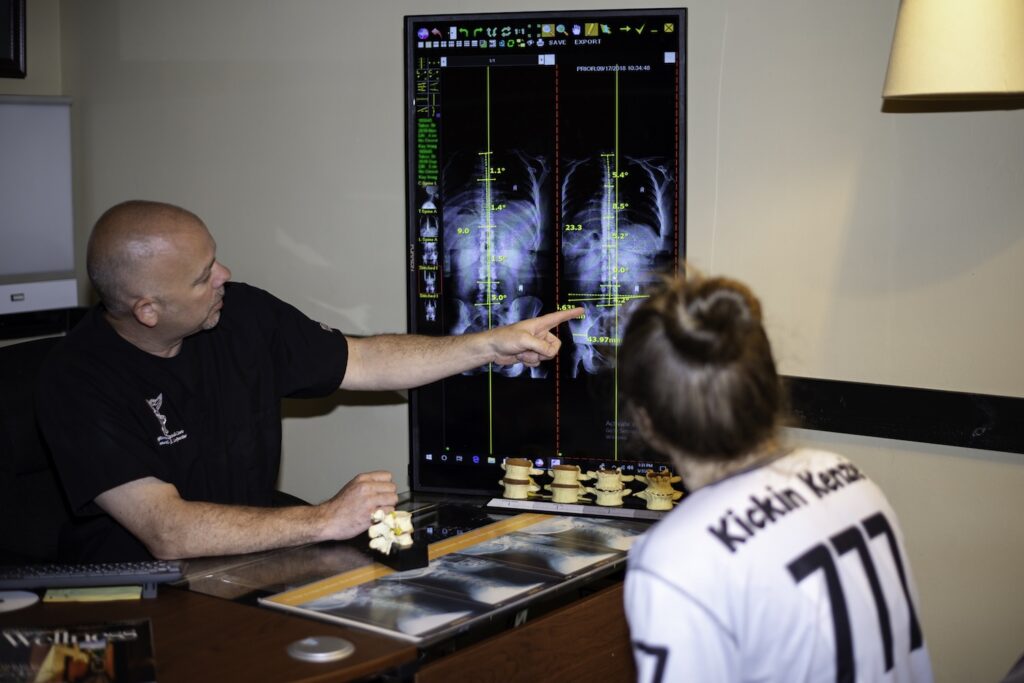
You might not realize how much regular care can transform your mobility and overall well-being. By engaging in consistent assessments and personalized interventions, you can tackle mobility challenges head-on, allowing you to maintain independence in your daily activities. Whether it's through tailored exercises or routine check-ups, the right approach can greatly enhance your strength and flexibility. But what specific strategies can you implement to guarantee lasting results? Let's explore the essential components that contribute to improved mobility and how you can integrate them into your life.
Importance of Mobility
Mobility is the key that releases your independence and quality of life. When you can move freely, you not only enhance your physical well-being but also boost your mental health. You might find that simple activities, like getting out of bed or walking to the kitchen, become more than just chores; they become opportunities for joy and engagement in your daily life.
Being mobile allows you to participate in social activities, connect with friends and family, and maintain a sense of community. The more you move, the more you'll discover new experiences and maintain relationships that are essential to your emotional health. It can be incredibly empowering to realize that you control your environment, rather than the other way around.
Moreover, improved mobility can greatly reduce the risk of chronic conditions. Regular movement helps to strengthen your muscles and bones, enhances circulation, and promotes better coordination. This means fewer chances of falls or injuries, leading to greater confidence in your abilities.
It's amazing how much physical activity can influence your overall health.
Finally, embracing mobility can ignite a sense of achievement. Setting personal goals—whether it's walking a certain distance or participating in a favorite hobby—can provide motivation and purpose.
Understanding Regular Care
Regular care is vital for maintaining your mobility and overall well-being. It involves a consistent routine of assessments and interventions tailored to your individual needs. This care typically includes regular check-ups with healthcare professionals, such as physical therapists or chiropractors, who can help identify any issues before they escalate.
Understanding regular care means recognizing the value of proactive measures. It's not just about seeking help when something goes wrong; it's about investing in your health to prevent problems down the line. Regular assessments can uncover muscle imbalances, joint stiffness, or movement restrictions, allowing you to address these concerns early on.
Incorporating regular care into your life also means setting realistic goals and tracking your progress. You'll want to engage in exercises that enhance your strength, flexibility, and coordination. These targeted activities can greatly impact your ability to move freely and confidently.
Moreover, being consistent with your routine helps establish a familiar pattern that your body can adapt to. You'll learn to listen to your body, understanding when to push yourself and when to rest. This awareness is essential for avoiding injuries and maintaining ideal performance in your daily activities.
Ultimately, regular care isn't just a series of appointments; it's a commitment to yourself. By prioritizing your health, you're not only preserving your mobility but also enhancing your quality of life. Make regular care a fundamental part of your wellness journey, and you'll reap the benefits for years to come.
Benefits of Physical Therapy
Physical therapy offers a range of benefits that can greatly enhance your mobility and overall health. If you've been dealing with pain, injury, or limited movement, physical therapy can be a game-changer. You'll experience improved strength, flexibility, and coordination, which are all essential for maintaining an active lifestyle.
One of the primary benefits of physical therapy is pain management. Therapists use various techniques, including manual therapy and exercises, to help alleviate your discomfort without relying on medications. This not only helps you feel better but also allows you to regain control over your daily activities.
Another significant advantage is the personalized approach. Your therapist will assess your unique situation and tailor a program specifically for you. This customization guarantees that you're working on the areas that need the most attention, leading to quicker and more effective results.
Additionally, physical therapy can help prevent future injuries. By strengthening weak areas and improving your range of motion, you'll be less susceptible to setbacks. As you learn proper body mechanics and techniques, you'll find it easier to engage in activities you love without fear of hurting yourself again.
Moreover, the educational aspect of physical therapy empowers you. You'll gain valuable insights into your body's mechanics and learn exercises you can do at home to maintain your progress.
With regular sessions and commitment, you'll achieve greater mobility and enhance your quality of life. Embrace the benefits of physical therapy, and take the first step toward a more active you!
Role of Chiropractic Adjustments
Experiencing the benefits of chiropractic adjustments can greatly enhance your overall well-being. These adjustments target misalignments in your spine and joints, helping to restore proper function and alleviate pain. When your body is aligned correctly, you'll notice improved mobility, which can lead to a more active lifestyle.
Chiropractic adjustments work by applying controlled force to specific areas of your body. This process encourages your body to release tension and reduces inflammation. As a result, you may find relief from symptoms like headaches, back pain, and joint discomfort.
Regular adjustments not only address existing issues but also help prevent future problems, keeping you in prime shape.
Moreover, these adjustments can enhance your body's nervous system function. By aligning your spine, you improve communication between your brain and body, leading to better coordination and balance. This is especially beneficial if you're involved in sports or physical activities, as it can enhance your performance and reduce the risk of injuries.
Additionally, chiropractic care fosters a holistic approach to health. It encourages you to pay attention to your body's signals and make lifestyle changes that promote wellness.
Incorporating chiropractic adjustments into your routine can help you develop a greater awareness of your physical health, enabling you to make informed decisions about your care.
Routine Check-Ups and Assessments
Routine check-ups and assessments are essential for maintaining your mobility and overall health.
By regularly evaluating your body, you can catch potential issues early and enhance your well-being.
These assessments offer valuable insights that help you stay active and prevent future complications.
Importance of Regular Assessments
Regular assessments are essential for maintaining your mobility and overall health. These routine check-ups help identify potential issues before they escalate, allowing you to take proactive steps toward your well-being.
When you make regular assessments a priority, you're actively engaging in your health journey.
Here are some key reasons why these assessments matter:
- Early Detection: Spotting problems early can lead to better treatment outcomes and prevent long-term complications.
- Personalized Care: Assessments help healthcare providers tailor their recommendations to your specific needs, enhancing your mobility.
- Progress Tracking: Regular evaluations allow you to monitor changes in your health, making it easier to adjust your lifestyle or treatment as needed.
- Informed Decisions: With updated information about your health, you're better equipped to make choices that will improve your quality of life.
Benefits of Routine Check-Ups
Many people underestimate the benefits of routine check-ups, but these appointments are crucial for maintaining your mobility and overall health. Regular check-ups allow your healthcare provider to monitor your progress, catch potential issues early, and guarantee you're on the right path to wellness. By scheduling these visits, you're taking proactive steps to safeguard your body and prevent complications that could hinder your mobility.
During routine check-ups, you'll receive personalized advice tailored to your lifestyle and health needs. This guidance can help you make informed decisions about exercise, nutrition, and other habits that directly impact your physical abilities. Additionally, these assessments can reveal underlying conditions that may not have obvious symptoms, enabling you to address them before they escalate.
Another benefit is the opportunity to build a relationship with your healthcare provider. A strong rapport fosters open communication, making it easier for you to discuss any concerns or changes in your health.
Preventing Injuries Through Care
To prevent injuries, it's essential to incorporate warm-ups into your routine and strengthen your muscles safely.
Regular check-ups can help you identify potential issues before they become serious problems.
Importance of Warm-ups
A proper warm-up is essential for preventing injuries and enhancing your overall performance. Engaging in a structured warm-up routine prepares your body for physical activity, increasing blood flow to your muscles and improving flexibility. This not only reduces the risk of strains and sprains but also helps you perform better.
Here are some key benefits of warming up:
- Increased Blood Flow: Warming up elevates your heart rate, ensuring your muscles receive the oxygen they need.
- Enhanced Flexibility: Dynamic stretches improve your range of motion, making movements smoother and more efficient.
- Mental Preparation: A warm-up gives you time to focus, mentally shifting from daily activities to your workout.
- Reduced Muscle Soreness: Properly warming up can help minimize post-exercise discomfort, allowing for quicker recovery.
Incorporating a warm-up into your routine sets a solid foundation for any physical activity. It doesn't have to be lengthy; just a few minutes of light cardio and dynamic stretches can make a significant difference.
Strengthening Muscles Safely
Strengthening your muscles safely is vital for avoiding injuries and enhancing your overall fitness journey. To do this, it's fundamental to start with proper form. Whether you're lifting weights or doing bodyweight exercises, maintaining good posture will help you target the right muscles and prevent strain.
Don't rush through your workouts; take your time to guarantee each movement is executed correctly. Incorporating a variety of exercises into your routine can also reduce the risk of injury. Focus on both strength training and flexibility exercises. This combination not only builds muscle but also keeps your joints healthy and flexible.
Gradually increase the intensity of your workouts to avoid overexertion. Listen to your body—if something feels off, don't push through the pain. Warm-up and cool-down routines are equally important. They prepare your muscles for the workout ahead and help them recover afterward.
Finally, consider cross-training. Engaging in different activities prevents overuse injuries and keeps your routine fresh and exciting. By prioritizing safe muscle strengthening techniques, you'll not only enhance your fitness journey but also enjoy greater mobility and longevity in your physical activities.
Regular Check-ups Benefits
Regular check-ups can make a world of difference in preventing injuries and maintaining your overall health. When you prioritize regular visits to your healthcare provider, you're taking proactive steps to safeguard your well-being.
These check-ups allow for early detection of potential issues, ensuring you can address them before they escalate into more significant problems.
Here are some key benefits of regular check-ups:
- Early Diagnosis: Catching health issues early can lead to more effective treatment and better outcomes.
- Injury Prevention: Routine assessments can identify risk factors that may lead to injuries, allowing you to take preventive measures.
- Personalized Recommendations: Your provider can tailor advice on exercise, nutrition, and lifestyle changes based on your individual health needs.
- Continuous Monitoring: Regular check-ups help track your progress, ensuring that any adjustments needed for your health plan are made promptly.
Incorporating these visits into your routine not only enhances your mobility but also fosters a deeper understanding of your body's needs.
Take charge of your health, and let regular check-ups be your first line of defense against injuries.
Managing Pain Effectively
Managing pain effectively is essential for maintaining your mobility and overall quality of life. When you're in pain, it can feel like everything slows down, making even simple tasks challenging. To regain control, it's important to identify the source of your pain and understand its nature. Whether it's chronic discomfort or acute pain from an injury, recognizing the symptoms can help you communicate better with healthcare providers.
Start by keeping a pain diary. Jot down when your pain occurs, its intensity, duration, and any triggers you notice. This information can empower you during discussions with your doctor and can lead to more effective treatment options tailored to your needs.
Next, consider various pain management strategies. Physical therapy can be incredibly beneficial, as a trained therapist can teach you exercises and techniques to alleviate discomfort while improving your mobility.
Don't underestimate the power of medication, whether over-the-counter options or prescriptions; just be sure to discuss this thoroughly with your doctor.
Incorporate relaxation techniques, such as deep breathing or meditation, to help manage stress, which can exacerbate pain. Staying connected with a support network also plays an important role in your journey to manage pain; talking about your experiences can relieve some emotional burdens.
Ultimately, by taking an active role in managing your pain, you'll enhance your ability to move freely and enjoy life to the fullest. Don't hesitate to reach out for professional guidance; a proactive approach can make a significant difference in your day-to-day living.
Staying Active With Regular Care
Many people find that staying active becomes easier with regular care and attention to their bodies. Prioritizing your health through routine check-ups, physical therapy, and proper exercise can lead to a more mobile and energetic lifestyle.
You'll discover that by focusing on maintaining your body's condition, you can greatly enhance your overall physical performance and well-being.
To stay active effectively, consider the following strategies:
- Incorporate Stretching: Flexibility is key. Regular stretching helps prevent injuries and keep your muscles limber.
- Engage in Low-Impact Exercises: Activities like swimming, cycling, or walking can be easier on your joints while still providing a robust workout.
- Listen to Your Body: Pay attention to any discomfort or fatigue signals. Adjust your activities accordingly to prevent overexertion.
- Stay Hydrated and Nourished: Proper hydration and nutrition fuel your body, ensuring you have the energy to stay active throughout your day.
Creating a Personalized Care Plan
Creating a personalized care plan is vital for optimizing your mobility and overall health. This plan should be tailored to your unique needs, preferences, and lifestyle. To get started, assess your current health status and identify any specific mobility challenges you face. Are you dealing with joint pain, muscle weakness, or balance issues? Knowing your limitations helps lay the groundwork for your plan.
Next, set achievable goals. Whether you want to walk a certain distance, improve your flexibility, or engage in specific activities, these goals will guide your progress. Make sure they're realistic and measurable, so you can celebrate your achievements along the way.
Consult with healthcare professionals to verify your plan is thorough. They can provide valuable insights into appropriate exercises, dietary recommendations, and necessary treatments tailored to your conditions. Don't hesitate to ask questions or express concerns; open communication fosters a better understanding of your needs.
Incorporate a mix of activities into your care plan, including strength training, stretching, and cardiovascular exercises. Mixing it up not only keeps things interesting but also addresses various aspects of mobility.
Set a routine that fits your lifestyle—whether it's daily walks or weekly exercise classes—consistency is key.
Finally, regularly review and adjust your care plan. As you progress, your needs may change, and it's important to adapt accordingly. With a personalized care plan in place, you're taking proactive steps toward achieving greater mobility and enhancing your overall well-being.
Conclusion
Incorporating regular care into your routine is essential for achieving greater mobility and enhancing your overall well-being. By staying proactive with assessments and personalized interventions, you can tackle mobility challenges head-on. Embrace the benefits of physical therapy, chiropractic adjustments, and routine check-ups to prevent injuries and manage pain effectively. With a tailored care plan, you'll not only stay active but also empower yourself to enjoy life to the fullest. Prioritize your mobility today for a healthier tomorrow!