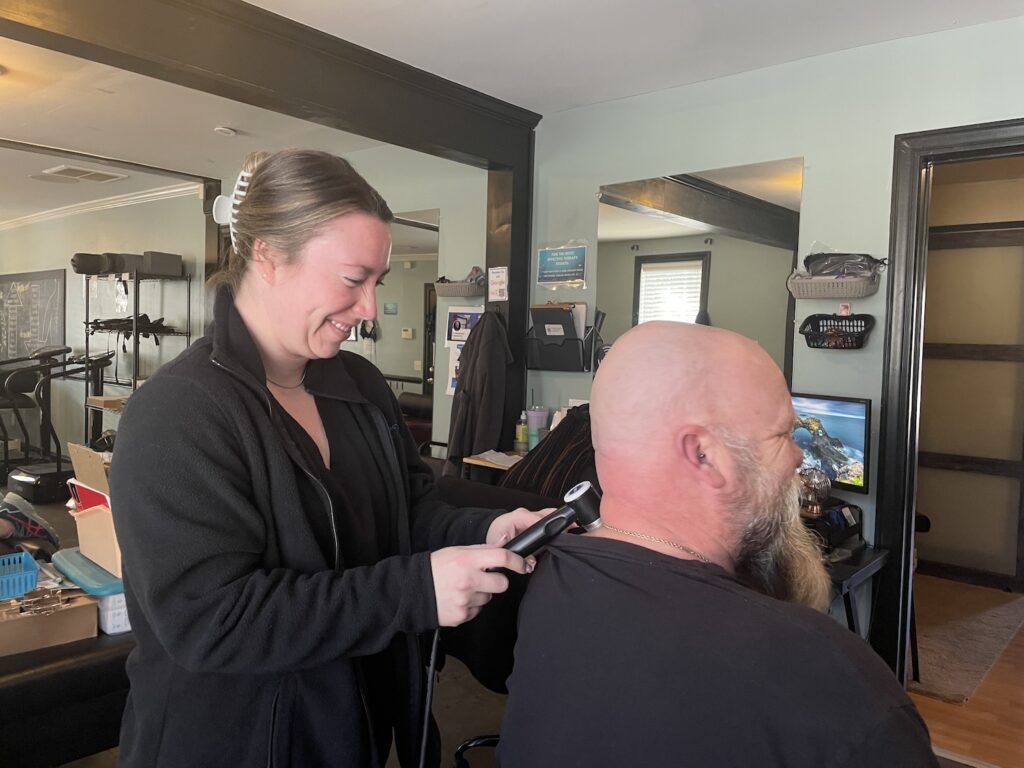
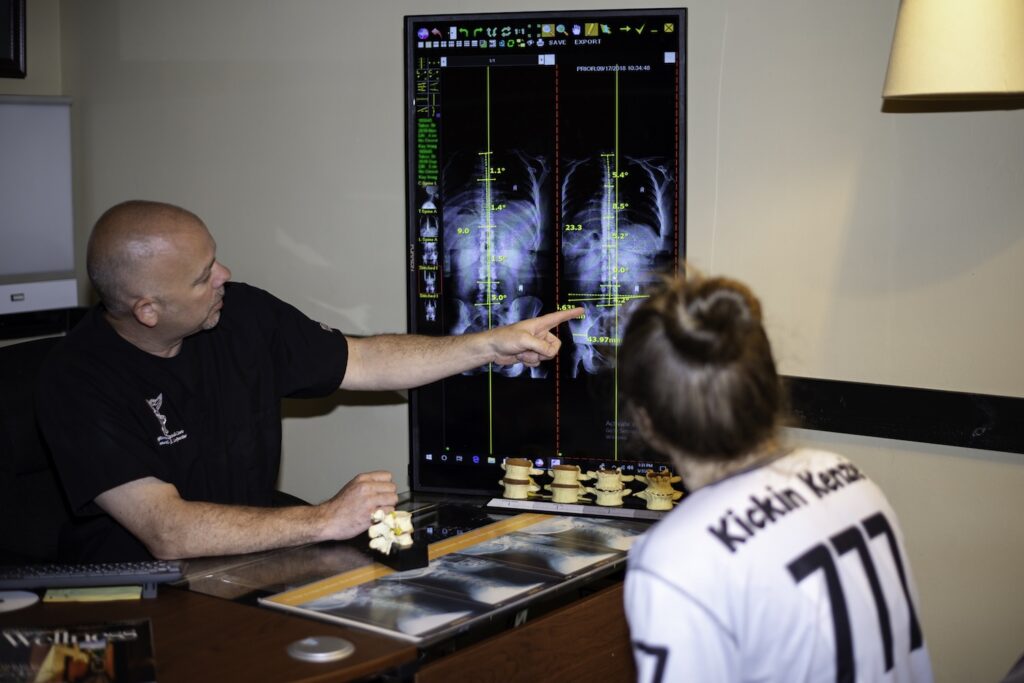
As a local chiropractor dedicated to your well-being, I understand that sports-related back pain can be a significant hurdle in maintaining your active lifestyle. It's essential to find effective relief strategies that not only alleviate discomfort but also support your overall health.
One approach I recommend is a combination of rest, targeted stretching, and core-strengthening exercises. These methods can help ease your pain and improve your athletic performance. Gentle activities, such as walking, can also play a key role in your recovery. However, it's crucial to learn the appropriate stretches and strengthening techniques tailored to your specific needs.
Additionally, understanding when to seek professional help is vital. Chiropractic care can provide you with personalized treatment options that focus on natural healing and restoring balance to your body. Together, we can explore these strategies further to ensure you're on the right path to recovery and returning to your favorite activities safely.
Understanding Back Pain Causes
As a local chiropractor, I understand that back pain can be a frustrating and debilitating experience, especially for those who lead an active lifestyle, like athletes. It's important to grasp the various causes of back pain, as this knowledge is essential for effective management and recovery through natural healing approaches.
One of the most common sources of back pain is muscle strain, which can occur from improper lifting techniques, sudden movements, or overexertion during athletic activities. Even the repetitive motions that are typical in sports such as running or swimming can lead to muscle fatigue and strain, resulting in discomfort.
Another significant factor is posture. Whether you're lifting weights at the gym or simply sitting on the sidelines, maintaining proper body alignment is crucial. Poor posture, such as slouching or leaning awkwardly, can place unnecessary stress on your back, leading to pain.
Additionally, having weak core muscles can exacerbate back issues. A well-developed core is vital as it supports your spine; without this support, instability and pain during sports activities can occur.
Injury due to falls or collisions is another aspect to consider, particularly in contact sports. Such acute injuries can result in sprains, fractures, or even herniated discs, all of which can be extremely painful and require attention.
Lastly, underlying medical conditions like arthritis or scoliosis can also negatively impact your back health.
Effective Stretching Techniques
As a local chiropractor, I want to share with you the importance of effective stretching techniques in managing sports-related back pain. Many people underestimate how crucial proper warm-up stretches are for preparing your muscles before any physical activity.
By focusing on specific muscle groups, we can help prevent injuries and keep your body functioning at its best.
Additionally, establishing a solid post-activity stretching routine is vital for aiding recovery and maintaining flexibility.
It's all about taking care of your back to ensure it stays healthy and pain-free.
Let's dive into these strategies together and discover how they can enhance your overall well-being, naturally.
Warm-Up Stretches Benefits
As a local chiropractor, I want to emphasize the importance of incorporating effective warm-up stretches into your routine, especially if you're committed to maintaining your health and preventing sports-related back pain.
These stretches play a crucial role in preparing your muscles, increasing blood flow, and enhancing flexibility—all of which are essential for optimal movement in any physical activity.
When you take the time to warm up, you not only elevate your body's core temperature, making your muscles more pliable, but you also reduce the risk of injury. This heightened state of readiness helps prevent strains and allows for smoother, more efficient movements, which can significantly improve your overall athletic performance.
Moreover, warm-up stretches aren't just about physical preparation; they also provide an opportunity for mental focus. Taking a moment to clear your mind, set your intentions, and boost your motivation can greatly enhance your concentration and readiness for the task ahead.
I recommend incorporating a variety of dynamic stretches, such as leg swings and torso twists, into your warm-up routine. These exercises target different muscle groups and ensure that you're fully prepared for the physical demands of your chosen activity.
Remember, skipping this important step can lead to tightness and discomfort, which may ultimately sideline you from the activities you enjoy most.
Make warm-up stretches a non-negotiable part of your routine, and you'll not only support your body's natural healing processes but also enjoy a healthier, more fulfilling sports experience.
If you have any questions about how to integrate these stretches effectively or how chiropractic care can further support your athletic endeavors, feel free to reach out. Your health and well-being are my top priorities!
Targeting Key Muscle Groups
As a local chiropractor, I want to share some insights on how targeting key muscle groups can play a vital role in alleviating sports-related back pain through effective stretching techniques.
It's important to focus on the muscles that provide support to your spine, specifically the hamstrings, hip flexors, and quadratus lumborum. Engaging in stretches that target these areas can significantly enhance your flexibility and alleviate tension in your back.
Let's start with a simple hamstring stretch. Sit on the floor, extend one leg straight out, and gently reach toward your toes. Hold this position for 20-30 seconds, then switch to the other leg. This stretch is beneficial for relieving tightness that can contribute to discomfort in your lower back.
Next, consider incorporating a hip flexor stretch into your routine. To do this, kneel on one knee and push your hips forward while keeping your back straight. This stretch helps to ease tightness in the lower back, which is often a result of prolonged sitting or physical activity.
Lastly, let's not forget about the quadratus lumborum, a key muscle in your lower back. To stretch it, stand tall, lift one arm overhead, and lean to the opposite side. Hold this position for a few seconds. This side stretch effectively targets the lower back and promotes improved mobility.
By incorporating these stretches into your routine, you can support your spine and enhance your overall well-being.
If you're interested in learning more about how chiropractic care can assist you in managing pain and improving your health, please feel free to reach out!
Post-Activity Stretching Routine
As a chiropractor, I want to emphasize the importance of a proper post-activity stretching routine to enhance your recovery and improve flexibility, especially after physical activities. Stretching key muscle groups, particularly your back, hips, and hamstrings, is essential in alleviating tension and preventing stiffness.
Let's start with a gentle forward bend. Stand with your feet hip-width apart and slowly hinge at your hips, reaching toward the ground. This movement helps to elongate the spine and relax the back muscles. Hold this position for 20 to 30 seconds while taking deep breaths.
Next, I recommend a seated hamstring stretch. Sit on the floor with one leg extended straight in front of you and the other leg bent, with your foot against the inner thigh of the straight leg. Gently reach for your toes on the extended leg. This stretch can help release tightness in your hamstrings. Remember to switch legs after holding for 20 seconds.
Incorporating a spinal twist while seated can also be beneficial. With one leg bent and the other extended, gently twist your torso toward the bent knee. This stretch not only helps with flexibility but also promotes spinal health. Hold this position for 15 seconds on each side.
Finally, conclude your routine with a child's pose. Kneel on the floor, sit back on your heels, and stretch your arms forward. This position allows your back to relax and can be very soothing.
Strengthening Your Core
As a local chiropractor, I want to emphasize the importance of strengthening your core for overall health and stability. A strong core isn't only vital for athletic performance but also plays a crucial role in preventing back pain and injuries during physical activities.
By integrating effective core exercises into your daily routine, you can improve your body's stability, enhance your performance in sports, and significantly lower your risk of injury.
Many people may not realize how interconnected core strength and spinal health are. A well-developed core provides support to your spine, allowing for better posture and alignment. This is especially important for those who may be unfamiliar with chiropractic care and the natural healing process.
When your core is strong, it can help alleviate stress on your back and reduce the likelihood of discomfort.
By focusing on core strength, you're not just investing in your athletic pursuits; you're also taking proactive steps toward a healthier, pain-free lifestyle.
Let's work together to explore core exercises that can support your journey toward improved health and well-being.
Importance of Core Stability
As a local chiropractor, I want to emphasize the importance of core stability in preventing and alleviating sports-related back pain. When your core is strong, it provides essential support for your spine, helping to maintain proper alignment and reducing strain on your back during physical activities. A stable core acts like a natural brace for your torso, making you less susceptible to injuries.
In addition to supporting your spine, core stability plays a crucial role in enhancing your balance and coordination—key elements for success in nearly any sport. By focusing on core engagement, you can improve your movement efficiency, allowing you to perform techniques with greater accuracy. This not only boosts your athletic performance but also helps prevent overexertion, which is often a precursor to pain.
Furthermore, a strong core aids in evenly distributing the forces generated during physical activities throughout your body. This balance reduces the risk of placing excessive stress on your back, ultimately lowering the chances of developing chronic pain.
Incorporating core stability into your training routine isn't just about building strength; it's about establishing a solid foundation for all your physical activities. By prioritizing core stability, you can enhance your athletic performance and promote a healthier back, which aligns perfectly with the principles of chiropractic care and natural healing that I advocate for.
Effective Core Exercises
As a local chiropractor, I want to emphasize the crucial role that core stability plays in maintaining a healthy spine and overall well-being. Engaging in effective core exercises can significantly enhance your strength and provide vital support for your back, which is especially important during physical activities.
Let's start with planks. This foundational exercise engages multiple muscle groups, helping to build endurance and stability. Begin by holding a plank position for 30 seconds, and as your strength improves, gradually increase the duration. This won't only strengthen your core but also support your spine during everyday movements.
Another excellent exercise is the bridge. To perform this, lie on your back with your knees bent and feet flat on the floor. Lift your hips toward the ceiling while squeezing your glutes at the top. Bridges are fantastic for reinforcing your lower back and glutes, both of which are essential for maintaining stability in your body.
Don't overlook the bird-dog exercise. Start on all fours, then extend one arm and the opposite leg simultaneously. This movement challenges your balance and helps to enhance coordination, both of which are key components of a strong core.
Lastly, I recommend incorporating Russian twists into your routine. Sit with your knees bent and lean back slightly, then twist your torso from side to side. This exercise specifically targets your obliques, providing a comprehensive workout for your core.
I advise my patients to include these exercises in their routine two to three times a week. Consistency is key; over time, you'll notice significant improvements in your core strength. This won't only boost your performance in sports but also help alleviate and prevent any back pain associated with physical activities.
Core Strength and Performance
As a local chiropractor, I want to share how core strength plays a crucial role in enhancing your athletic performance and overall well-being. A stable core is essential for better movement efficiency and effective power transfer during physical activities. When you focus on strengthening your core, you can experience improvements in agility, balance, and overall strength.
Here's how prioritizing core strength can elevate your performance and health:
- Improved Stability: A strong core acts like a foundation for your entire body, helping to stabilize you during intense movements and significantly reducing the risk of injuries. This stability is vital for athletes and anyone engaged in physical activities.
- Enhanced Power Generation: The muscles in your core are key players in transferring energy from your lower body to your upper body. By strengthening these muscles, you can boost your power output, which is especially beneficial in sports that involve running, jumping, or any explosive movements.
- Better Posture: A well-developed core supports proper alignment and posture. This alignment is critical for executing techniques correctly and can help you maintain endurance during your activities. Good posture not only enhances performance but also minimizes the risk of discomfort and injuries.
- Increased Endurance: When you strengthen your core, you enable your body to maintain performance levels over time. This means you can push through fatigue while keeping your form intact, allowing for longer and more effective workouts or athletic endeavors.
As you consider your health and athletic goals, remember that a strong core is a key component that can lead to enhanced performance and a reduced risk of injury.
Incorporating core-strengthening exercises into your routine is a natural way to support your body's function and improve your overall performance. If you have any questions about how chiropractic care can further enhance your core strength and overall health, feel free to reach out!
Recovery and Rest Strategies
As a local chiropractor, I want to emphasize the vital role that recovery and rest play in managing sports-related back pain. Many patients overlook the necessity of allowing their bodies, particularly their backs, the time they need to heal after physical activity. It's crucial to prioritize recovery by tuning into your body's signals and understanding when it's time to take a break.
Firstly, I recommend incorporating scheduled rest days into your routine. These designated breaks are essential for giving your muscles the opportunity to recover, reducing inflammation, and preventing further injuries. Depending on your activity level and how your back is feeling, aim for at least one or two rest days each week.
During these rest periods, consider engaging in gentle activities such as walking or stretching. These low-impact exercises are beneficial for promoting blood flow and maintaining muscle flexibility without placing excessive strain on your back. Practices like yoga or tai chi can also be advantageous, as they focus on relaxation and gentle movements that support overall well-being.
In addition, don't underestimate the importance of quality sleep. Strive for 7-9 hours of uninterrupted sleep each night, as this is the time when your body performs much of its healing work. A comfortable sleep environment, complete with a supportive mattress and pillow, can significantly enhance your recovery process.
Lastly, remember that hydration and nutrition are key components of healing. Staying properly hydrated and consuming a balanced diet rich in anti-inflammatory foods can support your body's natural healing mechanisms.
When to Seek Professional Help
As a local chiropractor, I often see athletes who overlook persistent back pain, thinking it will simply go away on its own.
It's crucial to recognize when it's time to seek professional help, as ignoring these signals can lead to more serious injuries and longer recovery times.
Here are some key indicators that it's time to consult a healthcare professional like myself:
1. Pain Lasts More Than a Few Days: If your back pain hasn't improved after a few days of rest, this is a clear warning sign.
Persistent pain may suggest a more serious underlying issue that should be evaluated.
2. Leg Pain or Discomfort: If you notice pain radiating down your legs or into your feet, this could indicate nerve involvement, which is something that requires immediate attention from a qualified professional.
3. Weakness or Numbness: Are you experiencing weakness or numbness in your legs?
These symptoms can signify a serious condition, such as a herniated disc. It's important not to delay seeking help in these cases.
4. Difficulty with Daily Activities: If your back pain is interfering with your ability to perform daily tasks, including your athletic pursuits, it's essential to seek guidance from a healthcare professional.
Recognizing these signs can help prevent further damage and expedite your recovery process.
Remember, your back is integral to your athletic performance and overall well-being.
Don't let pride prevent you from getting the help you need.
By addressing these issues early through chiropractic care, you can relieve your current pain and protect yourself from future injuries.
Embrace the natural healing process, and let's work together to get you back to doing what you love!
Tips for Preventing Future Pain
As a local chiropractor, I want to share some essential tips for preventing future back pain, which is crucial for both your athletic performance and overall health.
Protecting your back starts with incorporating regular strength and flexibility exercises into your daily routine. A strong core is key to stabilizing your spine and minimizing strain during physical activities. I recommend exercises such as planks, bridges, and bird-dogs to help you build a solid foundation.
It's also vital to pay attention to your posture. Whether you're training, playing sports, or simply sitting during your downtime, maintaining proper alignment can significantly reduce stress on your back. Remember to keep your shoulders back, your chest open, and your head aligned with your spine.
When lifting weights, always use your legs to lift rather than bending at the waist—this simple adjustment can go a long way in preventing injury.
Don't overlook the importance of warming up and cooling down. Taking the time to stretch properly before and after your workouts is essential. Dynamic stretches can prepare your muscles for activity, while static stretches after exercise help improve flexibility and support recovery.
Rest is equally important. Ensure you allow adequate recovery time between workouts and truly listen to your body. If you experience fatigue or discomfort, it's crucial not to push through the pain.
Additionally, investing in the right footwear and equipment suited to your sport can enhance support and stability.
Finally, consider the benefits of working with a chiropractor or healthcare professional. We can help identify any underlying weaknesses or imbalances in your body and provide personalized strategies to keep your back healthy.
Conclusion
As a local chiropractor, I want to share some valuable relief strategies for managing sports-related back pain. It's essential to first understand the underlying causes of your discomfort. By incorporating effective stretching routines and focusing on strengthening your core muscles, you can provide crucial support to your spine, which in turn will enhance your overall athletic performance.
I cannot stress enough the importance of rest and engaging in gentle activities during your recovery process. These practices allow your body to heal naturally. If your pain continues despite these efforts, I encourage you to seek professional chiropractic care. We can work together to develop a personalized approach that addresses your specific needs.
Additionally, I recommend staying proactive with prevention tips to keep your back healthy and prepared for your sporting activities. Remember, natural healing methods can be incredibly effective, and I'm here to guide you every step of the way. You're not alone in this journey; let's work together to keep you active and pain-free!