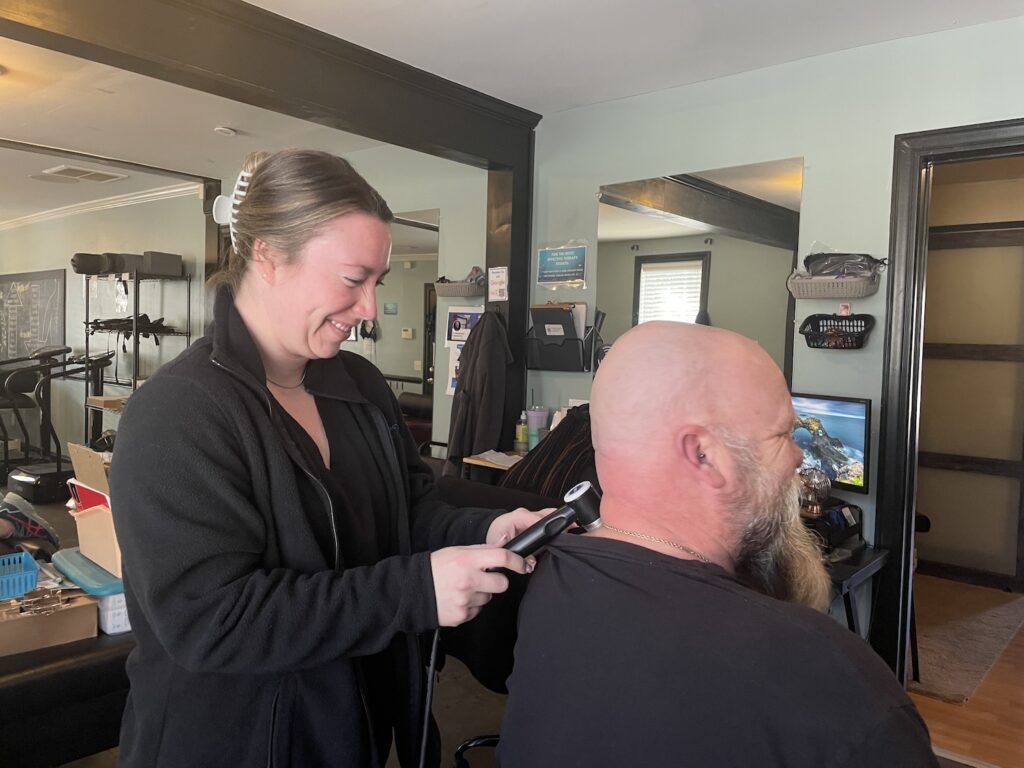
As a local chiropractor, I understand how debilitating neck pain can be and how it can interfere with your everyday activities. Many patients seek relief through a variety of methods, such as gentle stretching and targeted strengthening exercises, which can significantly help alleviate discomfort. Additionally, incorporating heat and cold therapies into your routine can play a crucial role in your recovery process.
However, one aspect that is often overlooked is the influence of posture and ergonomic adjustments on your healing journey. Proper alignment and a supportive work environment can make a world of difference in how your body responds to treatment. By addressing these factors, we can create a more effective strategy for relief.
I encourage you to learn more about these options and consider how they might complement your recovery. Together, we can explore a holistic approach to managing your neck pain and help you get back to living your life to the fullest.
Understanding Neck Injuries
As a local chiropractor, I want to help you understand the complexities of neck injuries and how they can impact your overall health. Neck injuries can arise from a variety of sources, such as accidents, falls, or even the everyday strain of poor posture. Many people don't realize that the neck is a fragile structure filled with essential nerves, muscles, and vertebrae. By learning how these elements function together, you can better recognize the signs of a potential injury.
Some common neck injuries we see in our practice include strains, sprains, and herniated discs. A strain occurs when the muscles or tendons in your neck are overstretched, while a sprain affects the ligaments. If you've ever felt stiffness or pain after a sudden movement, you might be experiencing a strain or sprain.
Herniated discs can occur when the cushioning between your vertebrae bulges out, which can lead to nerve compression and significant discomfort.
It's also important to be aware of chronic neck issues that can develop over time, often due to repetitive motions or prolonged poor posture. If you spend long hours hunched over a desk or constantly looking down at your phone, you might be setting yourself up for neck pain. Symptoms can vary from mild discomfort to more severe pain that may radiate into your shoulders or arms.
Recognizing these factors is crucial for effective treatment and prevention. At our chiropractic office, we emphasize the importance of understanding your neck's intricacies. This knowledge empowers you to take proactive steps to avoid injuries and maintain a healthy spine.
Stretching Techniques
As a local chiropractor, I want to emphasize the importance of gentle neck stretches when recovering from a neck injury.
These stretches can significantly aid in your healing process, but it's crucial to understand how often to perform them and how long to hold each position to prevent further strain.
Let's delve into some effective stretching techniques that can help you regain mobility and alleviate discomfort.
Gentle Neck Stretches
As a local chiropractor, I often see patients struggling with neck tension and discomfort. I want to share some gentle neck stretches that can be incredibly beneficial in alleviating these issues. Incorporating these stretches into your daily routine can enhance flexibility, reduce stiffness, and promote a sense of relaxation.
Here are three effective stretches I recommend:
- Neck Tilts: Find a comfortable seated position and gently tilt your head towards one shoulder. Hold this position for 15-30 seconds before switching to the other side. This stretch targets the muscles along the sides of your neck, helping to ease tension.
- Chin Tucks: Whether you're sitting or standing, practice pulling your chin back towards your throat. This motion creates a double chin effect and should be held for about 5 seconds before releasing. This simple exercise not only strengthens your neck muscles but also contributes to better posture, which is essential for overall spinal health.
- Shoulder Shrugs: Raise your shoulders up towards your ears, hold them for a brief moment, and then gently release them back down. Repeat this movement 5-10 times. This exercise helps to relieve tension in both your upper back and neck, promoting a feeling of relaxation.
As you practice these stretches, remember to move slowly and gently, paying close attention to how your body feels. If you experience any pain, stop immediately.
Making these gentle neck stretches a regular part of your routine can bring you significant relief and support your overall neck health. I encourage you to give them a try and experience the benefits firsthand!
Frequency and Duration
As a local chiropractor, I want to emphasize the importance of incorporating neck stretches into your routine for optimal spine health. Understanding frequency and duration is crucial for reaping the benefits of these stretches. I recommend aiming to stretch your neck at least three to four times a week. This consistent frequency helps your muscles adapt and recover, reducing stiffness and improving overall flexibility.
In terms of duration, each stretch should be held for about 15 to 30 seconds. This timeframe allows your muscles to relax and elongate properly. I suggest repeating each stretch two to three times, ensuring you feel a gentle pull without experiencing any pain.
It's important to listen to your body throughout this process. If you encounter any discomfort, please ease off and adjust the stretch as needed. Consistency is vital to your progress, so try to integrate these stretches into your daily activities. For example, you can perform them while sitting at your desk or even while watching TV at home.
Incorporating these simple yet effective stretches can significantly enhance your neck health and overall well-being. If you have any questions or need guidance on proper techniques, feel free to reach out during your next visit!
Strengthening Exercises
As a local chiropractor, I want to emphasize the importance of neck strengthening exercises in supporting your neck and preventing future injuries.
Many patients may not realize how crucial it's to build muscle endurance and stability in this area. Incorporating resistance band exercises and isometric neck strengthening techniques can significantly enhance your recovery and improve your overall neck health.
By understanding and practicing these methods, you can take proactive steps towards a stronger, healthier neck.
Let's dive into how these exercises can benefit you on your journey to wellness.
Resistance Band Exercises
As a local chiropractor dedicated to your health and well-being, I want to introduce you to the benefits of resistance band exercises for strengthening the muscles around your neck.
These exercises aren't only effective in enhancing stability but also play a crucial role in reducing the risk of future injuries. By focusing on key muscle groups, you can significantly improve the resilience of your neck.
Here are three compelling reasons to incorporate resistance bands into your neck strengthening routine:
- Increased Range of Motion: Resistance bands facilitate dynamic movements that can help improve your neck's mobility and flexibility, which is vital for overall health.
- Adjustable Resistance: One of the great advantages of resistance bands is that you can easily adjust the level of resistance. This makes these exercises accessible and beneficial for individuals at all fitness levels.
- Convenient and Portable: Resistance bands are lightweight and compact, allowing you to perform exercises in the comfort of your home or while traveling, ensuring that you can maintain your routine wherever you are.
To begin, I recommend starting with simple exercises such as neck extensions or lateral raises using a resistance band.
It's important to focus on maintaining proper form and controlling your movements to maximize effectiveness and minimize the risk of injury. As you build strength, you can gradually increase the resistance.
By consistently incorporating resistance band exercises into your regimen, you can alleviate discomfort and fortify your neck against potential injuries.
As your chiropractor, I encourage you to explore natural healing methods like these to enhance your overall health and well-being.
Isometric Neck Strengthening
As a local chiropractor, I want to share with you the benefits of isometric neck strengthening exercises. These exercises are an excellent way to enhance the stability and support of your neck without the need for any movement. By engaging your neck muscles against an immovable object or your own hand, you can safely and effectively build strength in this crucial area.
To begin, find a comfortable position either sitting or standing. Place your hand on your forehead and gently push your head against your hand, while your hand resists the pressure. Hold this position for about 5-10 seconds, then release. Aim to repeat this for 3-5 sets.
You can also strengthen the sides and back of your neck by placing your hand on the side of your head or the back of your head and applying similar pressure.
As you become more familiar with these exercises, consider gradually increasing the duration of your holds. This approach not only boosts muscle strength but also enhances your neck's overall endurance.
Incorporating isometric exercises into your routine can significantly help alleviate neck pain and discomfort over time. Always pay attention to your body and stop if you feel any pain.
With consistent practice, you can expect to see improved stability and support for your neck, contributing to your overall well-being. Remember, I'm here to guide you on your journey to better health through natural healing methods like chiropractic care.
Heat and Cold Therapy
As a local chiropractor, I want to share with you the benefits of heat and cold therapy when it comes to managing neck injuries. These natural methods can be incredibly effective for reducing pain and inflammation, aiding in your healing process, and ultimately helping you regain mobility in your neck.
Heat therapy is particularly beneficial for relaxing tight muscles and enhancing circulation in the affected area. You might consider using a heating pad, a warm towel, or even enjoying a warm shower to apply heat effectively.
In contrast, cold therapy is excellent for minimizing swelling and numbing any sharp pain you may experience. Ice packs or a bag of frozen vegetables wrapped in a cloth can work wonders for this.
Here are some essential tips to keep in mind when utilizing heat and cold therapy:
- Duration: Aim to apply heat or cold for no more than 15-20 minutes at a time to avoid overstressing your tissues.
- Frequency: Depending on your level of discomfort, you can use these therapies several times a day to help manage your symptoms effectively.
- Protection: Always use a cloth or towel to create a barrier between your skin and the heat or cold source. This simple step will help prevent burns or frostbite.
By incorporating these therapies into your recovery routine, you can support your body's natural healing processes and enhance your overall well-being.
If you have further questions or need personalized guidance, feel free to reach out during your next visit!
Alternative Therapies
As a local chiropractor, I want to share some insights into alternative therapies that can be beneficial for managing neck injuries, especially for those who may not be familiar with chiropractic care and natural healing methods.
One of the most effective approaches I recommend is chiropractic care itself. This hands-on therapy focuses on aligning your spine and improving its overall function. By using specific adjustments, I can help alleviate tension and discomfort in your neck, which can enhance your mobility and reduce pain.
It's important to consult with a qualified chiropractor like myself to determine the best course of action tailored to your individual needs.
In addition to chiropractic adjustments, acupuncture is another therapy that many of my patients find helpful. This ancient Chinese practice involves placing fine needles into designated points on the body, which can aid in reducing pain and enhancing circulation. Improved blood flow can significantly support the healing process in your neck.
Massage therapy is also a wonderful complement to chiropractic care. A trained massage therapist can focus on the muscles and connective tissues in your neck, releasing built-up tension and improving circulation. Regular massages can promote relaxation and overall well-being, making it easier for your body to recover.
I also encourage my patients to consider gentle practices like yoga or tai chi. These activities not only improve flexibility and strengthen neck muscles, but they also incorporate mindfulness and stress reduction, which are essential during recovery.
Furthermore, herbal remedies and supplements, including turmeric and omega-3 fatty acids, may provide anti-inflammatory benefits. However, it's crucial to consult with your healthcare provider before trying any new supplements to ensure they're right for you.
By incorporating these alternative therapies alongside chiropractic care, you can develop a comprehensive approach to managing your neck injury and enhancing your quality of life.
If you have any questions or would like to learn more about these options, feel free to reach out!
Ergonomic Adjustments
As a local chiropractor, I want to share some important insights on how making ergonomic adjustments in your workspace can significantly alleviate neck pain and help prevent future injuries.
By optimizing your work environment, you can ensure that your posture supports your neck and spine, rather than causing strain. Here are some essential adjustments to consider:
- Monitor Height: Your computer monitor should be positioned at eye level. If you find yourself looking up or down frequently, it can lead to unnecessary neck strain over time. A simple solution is to use a monitor stand or stack some books to bring your screen to the right height.
- Chair Support: Choosing a chair that provides good lumbar support is crucial. Your chair should enable your feet to rest flat on the floor, with your knees forming a right angle. This promotes alignment throughout your entire body, including your neck, and can help prevent discomfort.
- Keyboard and Mouse Position: It's important to keep your keyboard and mouse within easy reach so that your elbows can remain at a 90-degree angle while you work. This reduces strain on your shoulders, which can, in turn, have a positive effect on your neck.
Beyond these adjustments, I encourage you to take regular breaks throughout the day.
Standing up, stretching, and moving around every hour can relieve tension in your neck and contribute to your overall health.
By incorporating these ergonomic principles into your daily routine, you may notice a significant reduction in discomfort and an increase in your productivity.
Taking the time now to create an ergonomic workspace can lead to long-term benefits and help prevent chronic pain in the future.
If you have any questions about how chiropractic care can further support your health, feel free to reach out!
When to Seek Professional Help
Are you experiencing neck pain and wondering if it's time to consult a healthcare professional? As a local chiropractor, I want to help you understand when it's essential to seek help, as early intervention can make a significant difference in your recovery and overall well-being.
If your neck pain lingers for more than a few days despite trying home remedies, this is a clear indicator that you should reach out to a chiropractor or another healthcare provider. Persistent pain can signal underlying issues that may require professional assessment and treatment.
Additionally, if you're feeling severe pain that radiates down your arms or into your hands, it's crucial not to ignore these symptoms. This may indicate nerve involvement, which requires immediate attention. Similarly, sensations of weakness or tingling in your arms or hands should prompt you to consult a chiropractor right away, as these could point to more serious conditions that need to be addressed.
Consider how your neck discomfort is impacting your daily life. If you find it difficult to work, exercise, or engage in activities you love due to your pain, it's time to seek professional guidance. Chronic pain isn't something to overlook; it can lead to long-term complications if left untreated.
Lastly, if you've recently experienced an injury—like a fall or accident—please seek medical attention, even if you feel okay at the moment. Some injuries can take time to manifest symptoms, and a thorough evaluation by a chiropractor can help ensure that serious issues aren't missed.
Conclusion
As a local chiropractor, I want to share some valuable insights on how to relieve neck injuries effectively. It's important to understand that recovery often involves a combination of gentle stretches and strengthening exercises tailored to your specific needs. Utilizing heat and cold therapy can also be beneficial in managing pain and inflammation.
Don't underestimate the power of alternative therapies! Massage and chiropractic care can significantly enhance your healing process, helping to alleviate discomfort and restore mobility. Additionally, adopting good posture and making ergonomic adjustments in your daily routine can play a crucial role in preventing future neck issues.
If you find that your pain lingers or intensifies, I encourage you to seek professional assistance. By following these holistic approaches, you can support your body's natural healing and return to your daily activities with greater ease and comfort. Remember, your well-being is a priority, and we're here to help guide you on your journey to recovery.