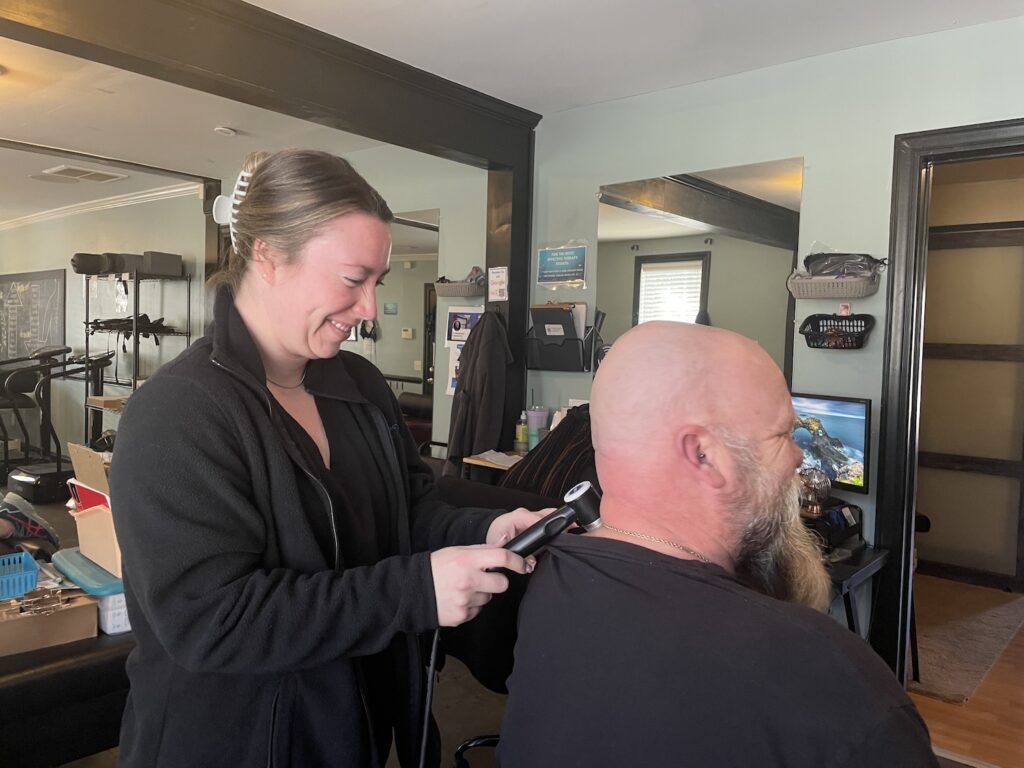
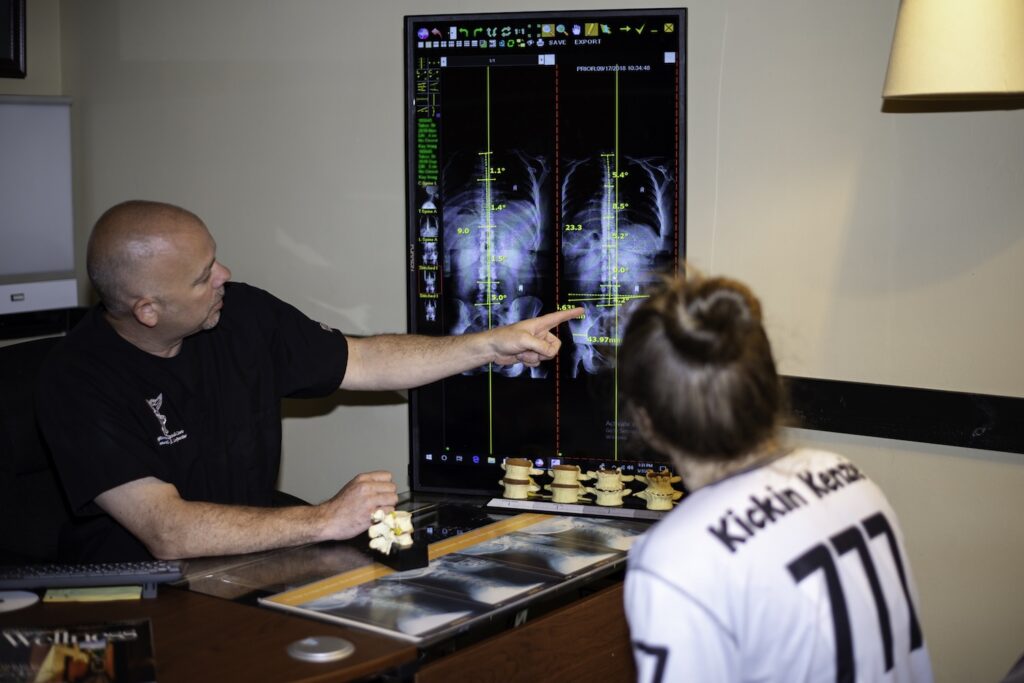
As a local chiropractor, I've seen firsthand how debilitating back pain can be for many individuals. It can disrupt your daily activities and diminish your overall quality of life. If you're feeling lost in a sea of potential remedies, let me assure you, it doesn't have to be complicated. By integrating a few fundamental strategies into your daily routine, you can start experiencing relief sooner than you might expect.
Chiropractic care focuses on natural healing methods that are designed to alleviate pain and promote overall wellness. In my practice, I often recommend effective stretching exercises and mindful relaxation techniques that can make a significant difference in your back pain.
Here are seven secrets that I've found to be particularly helpful for my patients. These approaches not only target the discomfort but also address the underlying issues causing your pain. But how do you determine which strategies will be most effective for you? Together, we can explore these options and tailor a plan that suits your individual needs. Your journey to a pain-free life can start today!
Stretching Exercises
As a local chiropractor, I understand that many of you may be unfamiliar with the benefits of chiropractic care and natural healing methods, especially when it comes to managing back pain.
One effective approach that can significantly enhance your well-being is incorporating stretching exercises into your daily routine. These stretches not only improve flexibility and muscle strength but also help alleviate tension in your back, ultimately leading to reduced discomfort.
To start, I recommend the cat-cow stretch. Position yourself on all fours, arch your back upwards like a stretching cat, and then drop your belly while lifting your head into the cow position. This gentle movement encourages flexibility in your spine and releases built-up tension.
Another beneficial stretch is the child's pose. Kneel on the floor, sit back on your heels, and extend your arms forward on the ground. This pose gently elongates your spine and relaxes your back muscles. Aim to hold each stretch for about 15 to 30 seconds, remembering to breathe deeply to enhance your relaxation.
Don't overlook the hamstring stretch! While standing, place one foot on a low surface, such as a chair or table. Keep that leg straight and lean forward slightly from your hips to feel the stretch along the back of your thigh. This particular stretch can significantly alleviate pressure on your lower back.
Lastly, consider incorporating a gentle twist into your routine. Sit on the floor with your legs extended in front of you, bend one knee, and place that foot on the outside of your opposite thigh. Twist your torso towards the bent knee and hold for several breaths.
Regular practice of these stretches can help you maintain mobility and effectively manage your back pain over time.
Heat Therapy
As a local chiropractor, I want to share with you the benefits of heat therapy for alleviating back pain and promoting relaxation in tense muscles. When you apply heat to your back, it increases blood circulation in the affected area, which delivers essential nutrients and oxygen necessary for healing. This warmth can also help alleviate tightness in your muscles, allowing for easier and more comfortable movement.
There are several effective methods to incorporate heat therapy into your routine. One of the most accessible options is using a heating pad. Simply plug it in, set it to a low or medium setting, and place it on your sore back for about 15-20 minutes. This targeted approach can provide immediate relief, but always be cautious to avoid burns.
If you enjoy a more immersive experience, consider taking a warm bath. Soaking in warm water can be incredibly soothing and is an excellent way to relieve muscle tension throughout your entire body.
Another effective tool is a hot water bottle. Fill it with warm water, wrap it in a towel, and place it on the affected area. This method allows you to provide targeted relief while you comfortably relax on your couch or bed. Just be sure to check the temperature before applying it to your skin to prevent any discomfort.
For optimal results, I recommend combining heat therapy with gentle stretching exercises. The heat will help loosen tight muscles, making it easier for you to stretch and improve your flexibility.
Always pay attention to your body's signals; if the heat increases your pain, remove the source right away.
Incorporating heat therapy into your routine can be a valuable addition to your back pain relief strategy, and as your chiropractor, I'm here to support you on your journey to natural healing.
Cold Therapy
As a local chiropractor, I want to share with you one of the effective methods we often recommend for managing back pain: cold therapy. This technique can be particularly beneficial during the initial stages after an injury or flare-up. By applying cold to the affected area, you can help reduce inflammation and numb the pain, making it easier to find relief.
You have several options for cold therapy, including ice packs, frozen vegetables, or a simple cold compress. Just remember to wrap anything cold in a cloth to protect your skin from direct contact, which can cause damage.
I suggest starting with cold therapy sessions of about 15 to 20 minutes at a time, several times throughout the day. This repeated application can significantly help in minimizing swelling and alleviating discomfort. However, it's important to avoid prolonged exposure, as doing so can lead to skin damage or frostbite. If you're using an ice pack, ensure it's at a tolerable temperature so you can comfortably use it.
Cold therapy isn't exclusively for acute injuries; it can also be a valuable tool in managing chronic back pain. If you find that certain activities trigger your discomfort, applying cold afterward can provide soothing relief.
Always listen to your body — if you notice that cold therapy worsens your pain, it's best to stop and seek advice from a healthcare professional.
Posture Correction
As a local chiropractor, I want to emphasize how crucial proper alignment is for preventing and alleviating back pain.
Many of you may not be familiar with the impact of posture on your overall health, so let's take a moment to explore this important topic together.
Making simple adjustments to your desk setup and incorporating daily stretching techniques can truly transform how your back feels.
By focusing on your posture, you can create a supportive environment that promotes a healthy spine.
I'm here to guide you in establishing a pain-free routine that not only addresses your current discomfort but also helps you maintain optimal spinal health in the long run.
Together, we can work towards a lifestyle that supports your well-being naturally.
Importance of Proper Alignment
As a local chiropractor, I want to emphasize the critical role that proper alignment plays in your overall health, particularly when it comes to preventing and alleviating back pain. When your spine is aligned correctly, it minimizes the stress on your muscles and ligaments, allowing your body to operate more efficiently.
Many people are unaware that their daily habits—how they sit, stand, and move—can significantly affect their back health. Proper alignment means ensuring that your head, shoulders, and hips are in a straight line. When you slouch or lean too far forward, you create additional strain on your spine, which can lead to discomfort and pain.
To combat this, I encourage you to be mindful of your posture throughout the day. Make a conscious effort to sit up straight, keeping your shoulders back and your feet flat on the floor. When standing, aim to distribute your weight evenly between both feet. These simple adjustments can lead to significant improvements in how your back feels.
In addition to mindful posture, incorporating exercises that strengthen your core is crucial for supporting better alignment. A strong core provides stability, which helps reduce the risk of injuries.
Desk Setup Adjustments
As a local chiropractor, I understand that your workspace can significantly influence your posture and, in turn, your spinal health. If you find yourself sitting at a desk for long periods, it's crucial to optimize your setup for comfort and support.
Begin with your chair: adjust its height so that your feet rest flat on the floor or on a footrest. Ideally, your knees should be at or slightly below hip level to promote proper alignment.
Next, let's talk about your monitor. Position it at eye level to avoid straining your neck and encourage a natural, upright posture. The top of your screen should be at or just below eye level, and it's best placed about an arm's length away. If you're using a laptop, I highly recommend investing in a stand and an external keyboard to help you achieve this ergonomic setup.
Your arms should hang comfortably by your sides, with your elbows forming a 90-degree angle when you type. A chair with good lumbar support is essential for maintaining the natural curve of your lower back. If your current chair lacks adequate support, consider adding a cushion to enhance your comfort.
Lastly, keep your desk tidy and organized to minimize awkward reaching. A clutter-free workspace not only promotes better posture but can also significantly alleviate back pain.
Daily Stretching Techniques
As a local chiropractor, I want to emphasize the importance of incorporating daily stretching techniques into your routine. This practice can significantly improve your posture and help alleviate back pain, which many of my patients experience due to various lifestyle factors.
To get started, focus on simple stretches that target key areas such as your back, shoulders, and hips. One of my favorites is the cat-cow pose. Begin on all fours, then as you inhale, arch your back, and as you exhale, round it. Repeat this flow several times; it's a great way to release tension in your spine.
Another beneficial stretch is the seated forward bend. Sit on the floor with your legs extended in front of you. Inhale and raise your arms overhead, then exhale as you reach forward, bending at the hips. This movement not only alleviates back pain but also promotes spinal lengthening, which is crucial for maintaining a healthy posture.
I also recommend the chest opener stretch. Stand tall, interlace your fingers behind your back, and gently pull your shoulders back and down. This stretch is particularly helpful in countering the slouching posture that many develop from prolonged sitting.
Incorporating these stretches into your daily routine—preferably in the morning or after long periods of sitting—can greatly enhance your flexibility and posture, ultimately reducing strain on your back.
Mindfulness and Relaxation
As a local chiropractor, I understand that back pain can often feel overwhelming for many individuals. However, I want to share with you how practicing mindfulness and relaxation techniques can significantly enhance your recovery. By tuning into your body and focusing your mind, you can alleviate some of the stress that contributes to your discomfort.
Here are some effective strategies I encourage you to incorporate into your daily routine:
- Deep Breathing: Take a moment to find a quiet space, close your eyes, and engage in deep breathing exercises. Inhale gently through your nose, hold for a brief moment, and then exhale slowly through your mouth. This simple practice not only helps reduce tension in your back but also calms your mind, creating a more relaxed state conducive to healing.
- Meditation: I recommend setting aside a few minutes each day to meditate. Focus your attention on your breath or repeat a calming mantra. This mindfulness practice can enhance your awareness of your body and its sensations, empowering you to manage pain more effectively.
- Progressive Muscle Relaxation: Consider practicing progressive muscle relaxation. This involves tensing and then relaxing each muscle group in your body, starting from your toes and moving all the way to your head. This technique not only alleviates tension but also fosters a sense of relaxation throughout your entire body.
- Mindful Movement: Incorporating gentle activities like yoga or tai chi into your routine can be incredibly beneficial. These practices emphasize slow, controlled movements that improve flexibility and strength while promoting mindfulness. They can complement your chiropractic care and enhance your overall well-being.
By integrating these techniques into your daily life, you can empower yourself to manage back pain more effectively.
Over-the-Counter Pain Relief
As a local chiropractor, I often see patients who are seeking immediate relief from back pain. While I advocate for mindfulness and relaxation techniques as part of a holistic approach, I understand that sometimes you need quick solutions. That's where over-the-counter (OTC) pain relief options come into play.
Nonsteroidal anti-inflammatory drugs (NSAIDs), such as ibuprofen or naproxen, are commonly used for their ability to reduce inflammation, a key contributor to many back pain issues. It's important, however, to use these medications responsibly. Always adhere to the recommended dosage on the packaging, as exceeding this can result in unwanted side effects.
Another option you might consider is acetaminophen. While it doesn't address inflammation directly, it can still provide effective pain relief. For those who are sensitive to NSAIDs or have specific health concerns, acetaminophen can be a safer alternative. Again, following the dosage guidelines is crucial for your safety.
If you're interested in topical treatments, I recommend creams or patches that contain ingredients like menthol or capsaicin. These products can offer localized relief by either numbing the affected area or providing a soothing warming sensation. Just remember to apply them as directed for the best results.
While these OTC options can be helpful, I also encourage you to explore chiropractic care as a natural healing avenue. By addressing the underlying issues contributing to your pain, we can work together to develop a comprehensive plan that promotes long-term wellness and pain management.
Professional Treatments
When over-the-counter pain relief just isn't enough, professional treatments can provide the support you need to feel better.
As a local chiropractor, I want to share how chiropractic adjustments and focused physical therapy techniques can play a crucial role in restoring your mobility and easing your discomfort.
These natural healing methods are designed to address the underlying issues that may be causing your pain, rather than just masking the symptoms.
Let's explore how incorporating these treatments into your recovery journey can lead to lasting relief and improved overall well-being.
Chiropractic Adjustments
As a local chiropractor, I want to take a moment to share how chiropractic adjustments can be a valuable solution for those of you who may be unfamiliar with this natural healing approach. Many individuals experience significant relief from discomfort through our specialized treatments, which focus on spinal alignment and enhancing your overall musculoskeletal health.
If you find yourself dealing with persistent back pain, chiropractic adjustments can help restore your body's natural balance and improve your quality of life.
Here are some of the benefits you can expect from chiropractic adjustments:
- Pain Relief: Many of my patients report immediate relief from discomfort, allowing for more freedom in movement and daily activities.
- Improved Mobility: Our techniques are designed to enhance your range of motion, not just in your back, but also in the surrounding areas.
- Better Posture: By realigning your spine, we can help you maintain a healthier posture, which reduces strain and discomfort in your back.
- Overall Wellness: Regular chiropractic adjustments can play a significant role in your general health, promoting optimal function of your nervous system and overall well-being.
Before you embark on your chiropractic journey, it's vital to have a thorough consultation with a qualified chiropractor like myself.
I'll assess your specific condition and work with you to create a personalized treatment plan tailored to your needs. Many patients start to feel a positive difference after just a few sessions, making chiropractic adjustments an essential part of the path to overcoming back pain.
I encourage you to take that important step toward achieving a pain-free life!
Physical Therapy Techniques
As a local chiropractor, I want to share how chiropractic adjustments can significantly relieve your back pain. However, for many of my patients, incorporating physical therapy techniques can further enhance recovery and support long-term back health.
Physical therapy focuses on strengthening the muscles surrounding your spine, improving flexibility, and correcting posture—all of which are essential for alleviating discomfort and promoting well-being. One effective technique I often recommend is targeted stretching. This helps relieve tension in tight muscles, and I can guide you through specific stretches tailored to your individual needs.
In addition to stretching, strengthening exercises, particularly core workouts, play a crucial role in stabilizing your spine and reducing the risk of further injury. I believe that a strong core is the foundation of a healthy back.
Manual therapy techniques, including massage and joint mobilization, can also provide relief. These methods are designed to alleviate pain by increasing blood flow and promoting relaxation in your muscles.
Furthermore, modalities such as heat and cold therapy can be effective in managing inflammation and pain levels, enhancing your comfort.
As part of your treatment plan, I'll teach you proper body mechanics to ensure you're moving in ways that support your back health. Additionally, I can create a personalized home exercise program for you, allowing you to continue strengthening your back between our sessions.
Conclusion
As your local chiropractor, I want to share with you seven effective strategies that can help relieve your back pain and enhance your overall well-being. First, I recommend incorporating gentle stretching into your daily routine to increase flexibility and reduce tension in your muscles. Heat or cold therapy can also be beneficial; applying a warm compress or an ice pack can soothe discomfort and promote healing.
It's essential to maintain good posture throughout your day, whether you're sitting at a desk or lifting objects. This simple adjustment can make a significant difference in how your back feels. Additionally, I encourage you to explore the benefits of mindfulness practices, as they can help you manage stress and enhance your body awareness.
If you're considering over-the-counter pain relief options, please do so mindfully and consult with me if you have any questions. Remember, if your pain persists or worsens, it's important to seek professional chiropractic care. Together, we can develop a personalized treatment plan to help you get back to feeling your best. Take charge of your health today, and let's work towards a pain-free life!