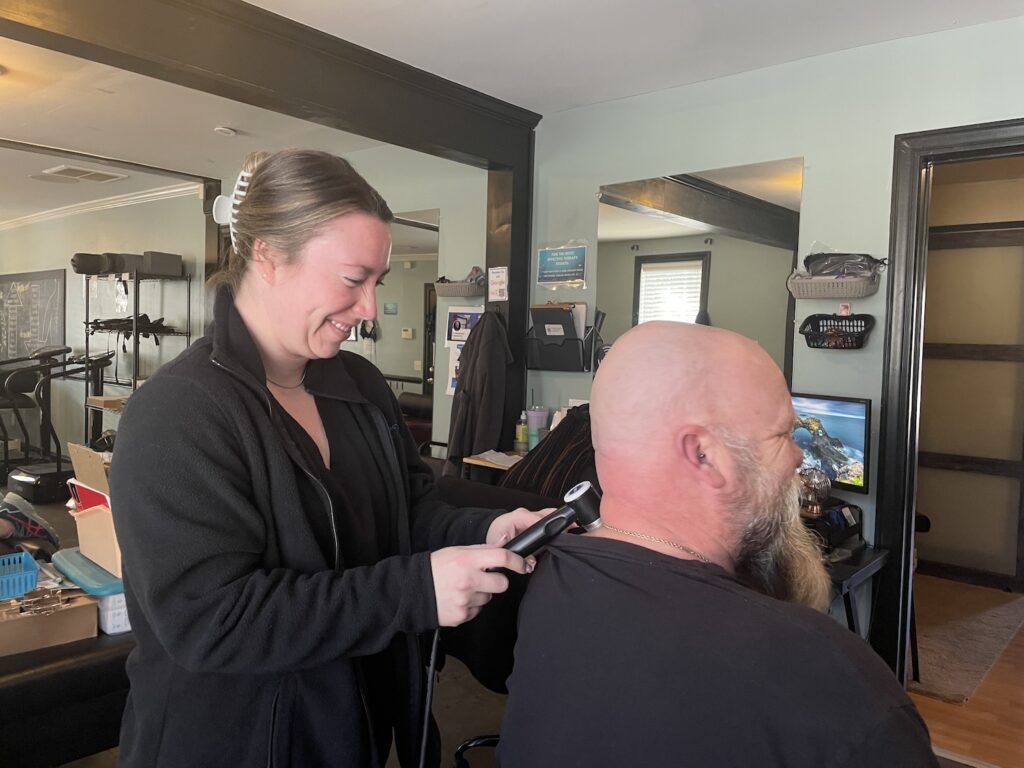
If you're struggling with neck pain, you might be wondering whether certain methods could actually provide relief. Incorporating gentle stretches, strengthening exercises, and even ergonomic adjustments may help ease your discomfort. Furthermore, techniques like heat therapy and alternative treatments could offer additional benefits. While these approaches show promise, understanding when to consult a healthcare professional is essential. Curious about which specific methods might work best for your situation?
Understanding Neck Pain
Neck pain is a common issue that can stem from various factors, including poor posture, muscle strain, and underlying health conditions. When you experience neck pain, it's vital to understand how it affects your daily life. You might find it challenging to turn your head, look up, or even get a good night's sleep.
This discomfort can also lead to headaches, shoulder pain, and stiffness in your upper back. Recognizing the type of neck pain you're experiencing is essential for finding relief. Is it sharp, dull, or throbbing? Does it come and go, or is it constant? You might notice that certain movements or activities exacerbate your pain, while others seem to alleviate it.
By identifying your symptoms, you can better communicate with healthcare professionals about your condition. Another significant aspect of understanding neck pain is its connection to stress and tension. Many people carry stress in their neck and shoulder muscles, leading to tightness and discomfort.
Practicing relaxation techniques can help ease this tension and improve your overall well-being. Additionally, keeping track of your daily habits can reveal patterns that contribute to your pain. Are you spending long hours hunched over a computer or phone?
Analyzing your routine allows you to make necessary adjustments to prevent further strain. By gaining insight into your neck pain, you empower yourself to take proactive steps toward relief and improved health.
Common Causes of Neck Pain
Several factors can contribute to neck pain, making it important to recognize the common causes. One of the most prevalent reasons is poor posture. If you spend long hours hunched over a computer or looking down at your phone, your neck muscles can become strained, leading to discomfort.
Another common cause is muscle tension. Stress and anxiety can cause you to unconsciously tighten your neck muscles, resulting in pain. You might notice this tension after a long day at work or during a particularly stressful period in your life.
Injuries can also lead to neck pain. Whiplash from a car accident is a well-known example, but even minor falls or sports injuries can cause strain or damage to the neck muscles and ligaments.
Degenerative diseases, such as arthritis, can contribute to neck pain as well. As you age, the joints in your neck may wear down, leading to inflammation and pain. Herniated discs, which occur when the cushioning between your vertebrae bulges out, can also result in neck pain, sometimes radiating down to your arms.
Lastly, sleeping in an awkward position or using an unsupportive pillow can lead to discomfort when you wake up.
Being aware of these common causes can help you identify potential triggers and take proactive steps to alleviate your neck pain. By understanding the root of the issue, you'll be better equipped to find the right solutions.
Stretching Exercises for Relief
When dealing with neck pain, gentle neck stretches can provide immediate relief and improve mobility.
Incorporating strengthening exercises not only supports your neck but also enhances your overall posture.
Gentle Neck Stretches
Finding relief from neck pain often starts with gentle neck stretches that can ease tension and improve mobility. Incorporating these stretches into your daily routine can greatly help in reducing discomfort.
Begin with a simple neck tilt. While sitting or standing, gently tilt your head toward one shoulder, holding the position for 15-30 seconds. You'll feel a nice stretch along the opposite side of your neck. Switch sides and repeat.
Next, try the chin tuck. Sit up straight, then gently pull your chin towards your chest, drawing your head back without tilting it down. Hold for 5 seconds and repeat 5 times. This exercise helps align your neck and improves posture.
Another effective stretch is the side rotation. Turn your head to one side, aiming to align your chin with your shoulder. Hold for 15-30 seconds, then switch sides.
Finally, don't forget about shoulder rolls. Lift your shoulders towards your ears and roll them back and down. Repeat this motion 5-10 times.
Incorporating these gentle stretches into your day can help alleviate neck pain and enhance overall mobility.
Strengthening Exercises Benefits
In addition to gentle neck stretches, strengthening exercises play an essential role in managing neck pain and enhancing overall stability. When you build strength in your neck and upper back muscles, you provide better support to your spine, reducing strain and discomfort. This improved stability can help alleviate existing pain and prevent future flare-ups.
Incorporating exercises like shoulder shrugs, neck resistance movements, and upper back extensions into your routine can greatly benefit you. These exercises strengthen the muscles that support your neck, allowing you to maintain proper alignment and distribute weight more evenly.
You might notice that as these muscles become stronger, your range of motion improves, making everyday activities feel easier. Additionally, stronger muscles can help you withstand the stresses of daily life, whether you're working at a desk or engaging in physical activities.
Just remember to start slowly and listen to your body. If any exercise causes pain, stop and consider consulting a professional. By consistently incorporating strengthening exercises, you'll likely experience less neck pain and greater overall comfort in your daily life.
Posture Improvement Techniques
Maintaining good posture is essential for neck pain relief, and stretching exercises can play an important role in achieving that. You'll want to incorporate specific stretches into your daily routine to alleviate tension and improve alignment.
Start with neck rolls—gently drop your chin to your chest, then rotate your head in a circular motion. This helps loosen tight muscles.
Next, try the ear-to-shoulder stretch; tilt your head towards one shoulder, hold for 15-30 seconds, and switch sides. This targets the sternocleidomastoid muscle, which often tightens with poor posture.
Don't forget the chest opener stretch. Stand tall, clasp your hands behind your back, and pull your shoulders back while lifting your arms. This counteracts the forward hunch that contributes to neck pain.
Incorporating these stretches into your daily routine can greatly improve your posture and reduce discomfort. Aim for at least a few minutes of stretching each day.
Strengthening Your Neck Muscles
To effectively alleviate neck pain, strengthening your neck muscles is essential. A strong neck can support your head better, reduce strain on your muscles, and ultimately ease discomfort. You can start with simple exercises that target both the front and back of your neck.
Begin by practicing neck flexion. Sit or stand with your back straight. Slowly lower your chin toward your chest, holding for a few seconds before returning to the starting position. Do this 10 times to strengthen the muscles in the front of your neck.
Next, try neck extension. From the same position, gently tilt your head backward, looking up at the ceiling. Hold for a moment, then return to the neutral position. Repeat this movement 10 times to engage the muscles in the back of your neck.
Side bends are also effective. While sitting, bring your right ear toward your right shoulder, feeling the stretch on the left side of your neck. Hold for a few seconds, then switch sides. Perform this stretch 10 times on each side.
Finally, incorporate isometric exercises. Place your palm against your forehead and push your head against your hand without allowing your head to move forward. Hold for 5 seconds and repeat 5 times.
You can do similar exercises by placing your hand on the sides and back of your head.
Posture Correction Techniques
To relieve neck pain, correcting your posture is essential.
You can start by setting up an ergonomic workspace, incorporating stretching and strengthening exercises, and being mindful of your posture throughout the day.
These techniques can make a significant difference in how you feel.
Ergonomic Workspace Setup
Creating an ergonomic workspace isn't just about comfort; it's essential for preventing neck pain and enhancing productivity. Start by adjusting your chair so your feet rest flat on the floor, with your knees at a 90-degree angle. This promotes proper alignment and supports your spine.
Next, position your monitor at eye level, about an arm's length away. This way, you won't have to tilt your head up or down, reducing strain on your neck. If you use a laptop, consider a stand or an external monitor to achieve this height.
Your keyboard and mouse should be close enough that you can keep your elbows bent at roughly 90 degrees. This minimizes reaching and helps maintain a neutral wrist position. Use a wrist rest if needed to support your hands.
Don't forget your desk layout! Keep frequently used items within easy reach to avoid awkward stretching.
Finally, consider using a chair with good lumbar support or adding a cushion to support your lower back. By making these adjustments, you'll create a workspace that not only feels better but also helps you stay focused and productive throughout the day.
Stretching and Strengthening Exercises
After setting up an ergonomic workspace, incorporating stretching and strengthening exercises into your routine can further help alleviate neck pain and improve posture.
Start with gentle neck stretches. Tilt your head side to side, holding each stretch for 15-30 seconds. This can release tension and increase flexibility. Don't forget to include shoulder rolls; these can help relieve stiffness in your upper back and neck.
For strengthening, focus on exercises that target your upper back and shoulders. Try practicing wall angels: stand with your back against a wall, arms raised like a goal post, and slowly slide them up and down. This action helps strengthen the muscles that support good posture.
Another effective exercise is the chin tuck. Sit or stand up straight, gently tuck your chin toward your chest, and hold for a few seconds. This strengthens the neck muscles and promotes better alignment.
Aim to perform these exercises daily or at least a few times a week.
Mindful Posture Awareness
Being mindful of your posture throughout the day can greatly impact neck pain relief and overall well-being. When you maintain good posture, you reduce strain on your neck and spine, potentially alleviating discomfort.
Start by regularly checking in with your body. Are your shoulders slumped? Is your head jutting forward? Make adjustments to keep your ears aligned with your shoulders, and your shoulders relaxed.
Incorporate reminders into your routine. Set an alarm on your phone or use sticky notes in your workspace to prompt you to check your posture. When sitting, choose a chair that supports your lower back, and keep your feet flat on the ground.
If you're standing, distribute your weight evenly on both feet. While using electronic devices, hold them at eye level to avoid leaning forward. Incorporate short breaks throughout your day to stretch and reset your posture.
These small adjustments can lead to significant improvements in how you feel. By practicing mindful posture awareness, you not only reduce neck pain but also enhance your overall body mechanics, which can contribute to better productivity and a healthier lifestyle.
Heat and Cold Therapy
Heat and cold therapy are two effective methods for alleviating neck pain and promoting healing. Each method serves a distinct purpose, and knowing when to use which one can make a significant difference in your recovery.
Using heat therapy can be beneficial when you're dealing with muscle tension or stiffness. Applying a warm compress, heating pad, or taking a warm shower can help increase blood flow to the affected area. This increased circulation promotes healing by delivering essential nutrients and oxygen to the tissues.
Heat also relaxes tight muscles, making it easier for you to move your neck comfortably. Just be sure to avoid using heat for too long—about 15 to 20 minutes is ideal to prevent overheating.
On the other hand, cold therapy is perfect for reducing inflammation and numbing sharp pain. Ice packs or cold compresses can help decrease swelling by constricting blood vessels, which can be especially useful after an injury or if you've recently overworked your neck.
Apply cold therapy for about 10 to 15 minutes at a time, allowing your skin to return to normal temperature between applications.
Combining heat and cold therapy can also be effective. Start with cold to reduce inflammation, then follow up with heat to ease muscle tension.
Make sure to listen to your body; if either method causes discomfort, it's best to stop. By incorporating these therapies into your routine, you can take proactive steps toward relieving your neck pain.
Alternative Therapies
Several alternative therapies can complement traditional methods for relieving neck pain. One of the most popular options is acupuncture. This ancient practice involves inserting thin needles into specific points on your body. Many people find that acupuncture helps reduce pain and improve mobility, providing a welcome relief from chronic neck issues.
Chiropractic care is another effective alternative. A chiropractor can assess your spine and perform adjustments to align your neck properly. This realignment can alleviate tension and pain, helping you regain your range of motion.
Massage therapy is also worth considering. By targeting tight muscles in your neck and shoulders, a skilled massage therapist can release knots and improve blood circulation. Many individuals report feeling considerably better after just one session, and regular massages can maintain those benefits.
Yoga and stretching exercises can be beneficial too. Engaging in gentle yoga can strengthen your neck and back muscles while improving flexibility. Incorporating specific stretches into your daily routine can help relieve tension and prevent future pain.
Lastly, herbal remedies and supplements might provide additional relief. Ingredients like turmeric and ginger have anti-inflammatory properties that can help soothe discomfort. Always consult with a healthcare professional before trying new supplements to verify they're safe for you.
Incorporating these alternative therapies into your routine can enhance your overall well-being and provide the relief you seek from neck pain. Don't hesitate to explore what works best for you.
Ergonomic Adjustments
When you make ergonomic adjustments to your workspace, you can greatly reduce neck pain and improve your overall comfort.
Start by evaluating your chair and desk setup. Your chair should support your lower back, allowing your feet to rest flat on the floor while keeping your knees at a 90-degree angle. If your chair isn't adjustable, consider using a cushion or footrest to achieve the right height.
Next, position your computer monitor at eye level, about an arm's length away. This helps prevent you from leaning forward or tilting your head downward, both of which can strain your neck. If you're using a laptop, invest in a separate keyboard and mouse to keep your wrists straight and your arms at a comfortable angle.
Pay attention to your posture while sitting. Keep your shoulders relaxed and avoid hunching over. Remind yourself to sit back in your chair rather than perching on the edge, as this can lead to unnecessary tension in your neck and shoulders.
You might also want to take regular breaks to stand, stretch, or walk around to relieve built-up tension.
Finally, consider adjusting your phone setup if you spend time on calls. Use a headset or speakerphone to avoid cradling your phone between your shoulder and ear, which can cause additional strain.
When to Seek Professional Help
Even with ergonomic adjustments in place, there are times when neck pain can persist or worsen, signaling the need for professional help. If you've tried various self-care methods and your pain continues or intensifies, it's important to consult a healthcare professional. Ignoring persistent pain can lead to more serious issues down the road.
Look for specific symptoms that may indicate the need for immediate attention. If you experience severe pain that doesn't improve with rest, it's vital to seek help. Additionally, if you notice numbness, tingling, or weakness in your arms or hands, these could be signs of nerve involvement and shouldn't be ignored.
Another red flag is if your neck pain is accompanied by fever, unexplained weight loss, or persistent headaches. These symptoms could suggest an underlying condition that requires a thorough evaluation.
Furthermore, if your neck pain is affecting your daily activities or sleep, it's important to address the issue with a professional. They can provide a proper diagnosis and may recommend treatments such as physical therapy, medication, or imaging studies to uncover the root cause of your discomfort.
Don't hesitate to reach out for help. Early intervention can lead to quicker recovery and prevent chronic pain from setting in. Trust your instincts—if something feels off, it's always better to be cautious and seek professional advice. Your neck deserves the best care possible.
Conclusion
Incorporating these methods can really help relieve your neck pain. By stretching, strengthening, and correcting your posture, you'll likely notice significant improvements. Don't forget the benefits of heat, cold therapy, and alternative treatments like acupuncture or massage. Making ergonomic adjustments in your daily routine can also make a big difference. If your symptoms persist or worsen, it's essential to consult a healthcare professional to guarantee you get the appropriate care and prevent chronic pain.