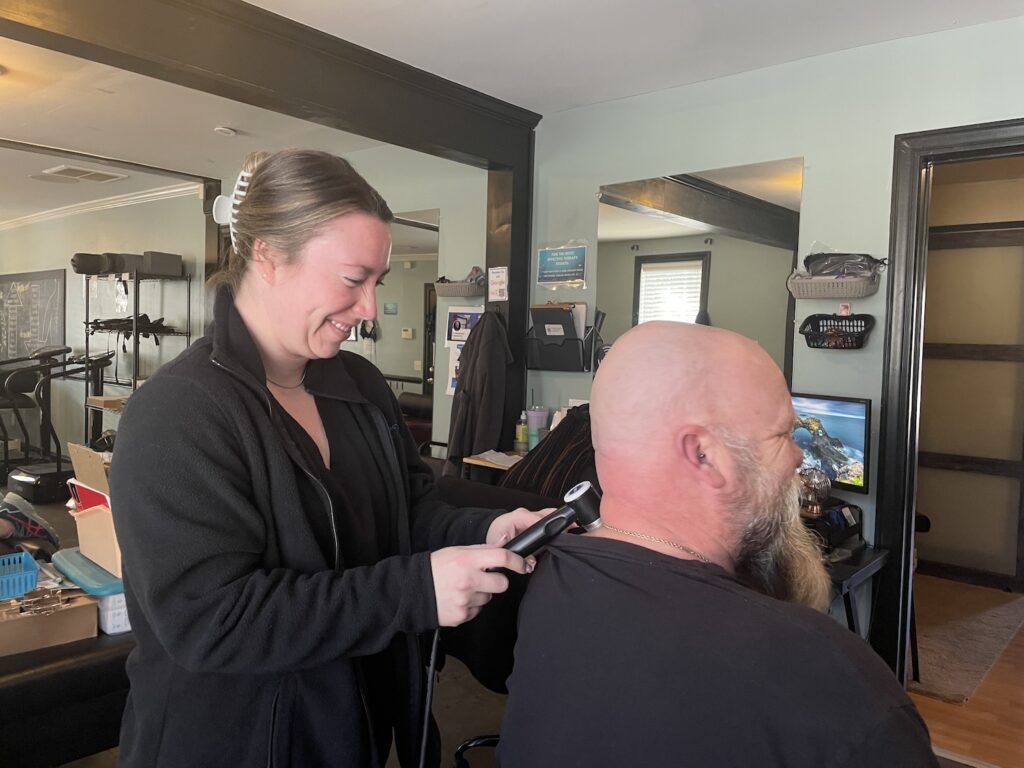
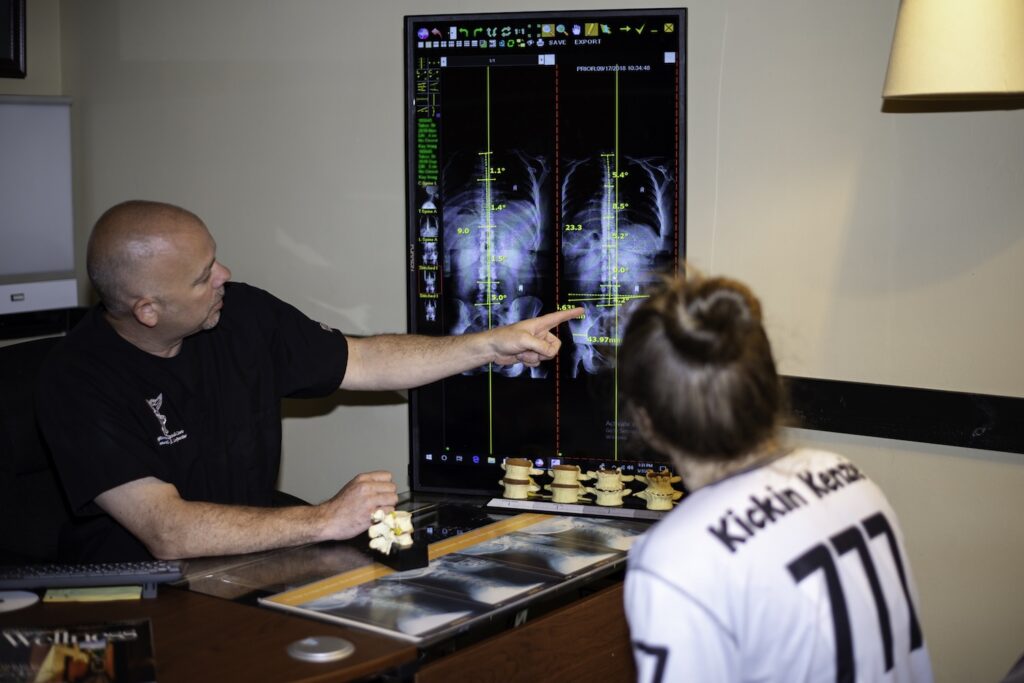
When you think about your long-term health, preventative care plays an essential role that often gets overlooked. By engaging in regular check-ups and screenings, you're not just checking items off a to-do list; you're actively reducing your risk of chronic diseases that can impact your quality of life. It's an investment in your future well-being. Yet, many still question whether these measures truly pay off in the long run. What if the benefits extend far beyond just physical health?
Understanding Preventative Care
Understanding preventative care is vital for maintaining your overall health and well-being. It focuses on taking proactive measures to prevent illnesses and detect potential health issues early. By investing time in preventative care, you're not just treating health problems as they arise; you're actively working to minimize their occurrence.
Regular check-ups, screenings, and vaccinations play an important role in preventative care. These services help identify risk factors and catch any developing conditions before they escalate. For example, routine blood pressure checks can help you manage or prevent hypertension, while annual screenings can detect cancer at its most treatable stage. By staying on top of these assessments, you empower yourself to make informed decisions about your health.
Additionally, adopting a healthy lifestyle complements preventative care. You can greatly reduce your risk of chronic diseases by maintaining a balanced diet, exercising regularly, and managing stress. Implementing these habits doesn't just enhance your physical health; it also boosts your mental well-being and quality of life.
Don't underestimate the importance of communication with your healthcare provider. Discuss your health history, lifestyle, and any concerns you might have. This conversation enables your provider to tailor a preventative care plan that suits your individual needs, ensuring you receive the best possible guidance.
In essence, understanding and participating in preventative care is an investment in your future. By taking these steps today, you're creating a foundation for a healthier tomorrow.
Chronic Disease Risk Reduction
Chronic disease risk reduction hinges on proactive lifestyle choices and regular health assessments. By making conscious decisions about your daily habits, you can greatly lower your chances of developing conditions like diabetes, heart disease, and certain cancers.
Start by focusing on a balanced diet rich in fruits, vegetables, whole grains, and lean proteins. This nutritional approach fuels your body and helps maintain a healthy weight, which is essential for preventing chronic diseases.
Incorporating regular physical activity into your routine is equally important. Aim for at least 150 minutes of moderate exercise each week. Activities like walking, cycling, or swimming can enhance your cardiovascular health and boost your overall well-being.
Don't forget the importance of sleep, too; getting sufficient rest each night plays a significant role in your body's ability to recover and function efficiently.
Regular health screenings are also key to chronic disease risk reduction. Scheduling routine check-ups with your healthcare provider allows for early detection of potential health issues. Monitoring your blood pressure, cholesterol levels, and blood sugar can help identify risks before they escalate into serious conditions.
Lastly, managing stress through mindfulness practices or hobbies can further mitigate your risk. Chronic stress can lead to unhealthy coping mechanisms, which may contribute to disease development.
Improved Quality of Life
Taking steps toward chronic disease risk reduction not only safeguards your health but also significantly enhances your quality of life. By focusing on preventative care, you're not just avoiding illnesses; you're actively promoting a more fulfilling and vibrant lifestyle.
Imagine waking up each day with energy, free from the limitations that chronic diseases impose. This sense of vitality allows you to engage fully in activities you love, whether it's hiking, playing with your kids, or simply enjoying time with friends.
When you prioritize your health, you'll notice improvements in your mental and emotional well-being too. Regular check-ups, screenings, and healthy lifestyle choices contribute to lower stress levels and increased confidence in your body's capabilities.
You'll feel empowered knowing you're taking control of your health, which can lead to a more positive outlook on life.
Additionally, investing in preventative care can foster stronger relationships. When you're healthy, you can participate in social events, family gatherings, and community activities without the worry of health issues holding you back.
These connections enhance your support system, providing you with the emotional resilience needed to navigate life's challenges.
Ultimately, the journey toward improved quality of life through preventative care not only benefits your physical health but also enriches your overall experience.
Cost Savings on Healthcare
While many people may overlook the financial aspect of preventative care, it can actually lead to significant cost savings on healthcare in the long run. By investing in routine check-ups, screenings, and vaccinations, you're taking proactive steps to catch potential health issues early. This proactive approach often means avoiding the high costs associated with treating advanced diseases.
When you prioritize preventative care, you reduce the chances of facing expensive emergency room visits and prolonged hospital stays. For instance, managing chronic conditions like diabetes or hypertension through regular monitoring can prevent complications that require more intensive treatments. You'll find that addressing these health concerns early can save you thousands of dollars in medical bills.
Additionally, many insurance plans cover preventative services at little to no cost to you. This means that you can access essential screenings and vaccinations without worrying about the financial burden. By utilizing these services, you're not just safeguarding your health; you're also making a smart financial decision.
Moreover, healthier individuals tend to have lower healthcare costs overall. When you maintain your well-being through consistent preventative care, you're less likely to miss work due to illness, which can lead to lost income. By keeping yourself healthy, you're not just saving money on healthcare; you're also preserving your earning potential.
Enhanced Mental Health
Preventative care isn't just about physical health; it also plays a significant role in enhancing mental well-being. When you prioritize regular check-ups, screenings, and lifestyle modifications, you're not only investing in your body but also in your mind. Engaging in preventative care helps identify potential stressors and mental health issues before they escalate.
Think about how routine visits to healthcare providers can give you the opportunity to discuss any feelings of anxiety, depression, or stress. By addressing these concerns early, you can develop coping strategies and even avoid more serious mental health challenges down the line.
Furthermore, when you adopt a healthier lifestyle through diet and exercise, those choices can positively affect your mood and overall mental state.
Participating in preventative care also fosters a sense of control and empowerment. Knowing that you're actively taking steps to maintain your health can reduce feelings of helplessness and anxiety. Additionally, building strong relationships with your healthcare providers can provide a support system that's essential for mental health.
It's not just about avoiding illness; it's about creating a balanced life that nurtures both your mind and body. Engaging in regular health screenings and consultations can lead to better mental clarity, improved mood, and a greater sense of well-being.
Increased Longevity
Taking charge of your health through regular screenings can greatly boost your longevity.
By adopting a healthy lifestyle and focusing on chronic disease prevention, you're not just adding years to your life; you're enhancing the quality of those years.
Let's explore how these preventative measures can keep you living longer and healthier.
Regular Health Screenings
Regular health screenings can greatly enhance your longevity by catching potential health issues early. When you undergo regular screenings, you give yourself the chance to identify conditions like high blood pressure, diabetes, or cancer before they escalate into more serious problems.
Early detection often means more effective treatment options, which can lead to better outcomes and a longer life. Additionally, these screenings can provide crucial insights into your overall health, allowing you to understand your body's needs better.
For instance, cholesterol and glucose tests can inform you about your risk for heart disease, enabling you to make necessary adjustments. By staying proactive, you're not just reacting to health issues; you're actively managing your health.
Don't forget the importance of maintaining a routine schedule for these screenings. Whether it's annual check-ups or recommended tests based on your age and family history, consistency is key.
Healthy Lifestyle Promotion
Adopting a healthy lifestyle can greatly boost your longevity and overall well-being. When you make conscious choices about what you eat, how much you move, and how you manage stress, you're investing in a longer, healthier life.
Eating a balanced diet rich in fruits, vegetables, whole grains, and lean proteins provides your body with essential nutrients, helping you maintain a healthy weight and energy levels.
Regular physical activity not only strengthens your muscles and bones but also improves cardiovascular health. Aim for at least 150 minutes of moderate exercise each week. This could include walking, cycling, or even dancing—whatever gets you moving and keeps your heart happy!
Don't forget about mental well-being. Practicing mindfulness, nurturing relationships, and engaging in hobbies can considerably reduce stress and enhance your quality of life.
Prioritizing sleep is just as vital; aim for 7-9 hours per night to allow your body to recover and rejuvenate.
Chronic Disease Prevention
Chronic disease prevention plays an essential role in increasing longevity and enhancing your quality of life. By focusing on preventive measures, you can markedly reduce your risk of developing conditions like heart disease, diabetes, and cancer. Regular check-ups, screenings, and vaccinations are imperative in catching potential issues early, allowing for timely intervention.
Adopting a healthy lifestyle is a key part of chronic disease prevention. Eating a balanced diet rich in fruits, vegetables, whole grains, and lean proteins fuels your body and strengthens your immune system. Coupling this with regular physical activity not only helps you maintain a healthy weight but also boosts your cardiovascular health.
Don't underestimate the power of stress management techniques, like mindfulness and meditation, which can lower your risk of chronic conditions.
Additionally, staying informed about your family history can guide your preventive strategies. If certain diseases run in your family, you'll want to be more proactive in monitoring your health.
Importance of Regular Screenings
Every year, millions of lives are saved through early detection of health issues, making screenings an essential part of your healthcare routine. Regular screenings help catch potential problems before they escalate into serious conditions. Whether it's a simple blood test, a mammogram, or a colonoscopy, these procedures can identify issues early when they're often easier to treat.
You might think you're healthy and don't need to worry, but many diseases can develop silently without obvious symptoms. By participating in routine screenings, you're taking proactive steps toward your health. For instance, screenings for high blood pressure or cholesterol can alert you to risks that could lead to heart disease if left unchecked. Similarly, cancer screenings can detect abnormalities long before they become life-threatening.
It's important to understand that the recommended screenings vary based on your age, gender, and family history. Consult with your healthcare provider to create a tailored screening schedule that addresses your unique needs. Don't wait for symptoms to appear; being proactive can save your life.
Moreover, regular screenings not only benefit you but also contribute to greater public health. When health issues are detected early, it reduces strain on healthcare systems and enhances overall community wellness.
In short, prioritizing regular screenings is a commitment to your long-term health. Stay informed, get screened, and empower yourself to lead a healthier, longer life. Your future self will thank you for it!
Role of Vaccinations
Vaccinations play a crucial role in maintaining your health and the health of those around you. They work by stimulating your immune system to recognize and fight off specific pathogens, making it less likely for you to contract serious diseases. By getting vaccinated, you're not just protecting yourself; you're also contributing to herd immunity. This means that when a large portion of the community is vaccinated, it helps prevent the spread of illnesses, especially to those who can't be vaccinated, like infants or individuals with compromised immune systems.
You might think vaccines are only for children, but adults need them too. Routine vaccinations can protect you from diseases such as influenza, pneumonia, and shingles, which can have severe consequences as you age. Keeping your immunization up-to-date is crucial for long-term health.
Additionally, vaccinations can greatly reduce healthcare costs. By preventing diseases, you're likely to avoid expensive treatments, hospital stays, and lost wages due to illness. It's a proactive step that can save you not just money, but also time and stress.
When you choose to get vaccinated, you're making a commitment to your health and the well-being of your community. Don't overlook the importance of staying informed about vaccination schedules and recommendations.
Consult with your healthcare provider to confirm you're up to date on necessary vaccinations, and encourage those around you to do the same. Your choice to vaccinate can have lasting effects, promoting a healthier future for everyone.
Healthy Lifestyle Choices
Maintaining a healthy lifestyle goes hand in hand with the preventive measures we've discussed, like vaccinations. Your daily choices considerably impact your long-term health. By adopting healthy habits, you can reduce the risk of chronic diseases and improve your overall well-being.
Start with your diet. Eating a balanced diet rich in fruits, vegetables, whole grains, and lean proteins fuels your body and supports your immune system. It's not just about what you eat; it's also about portion control and staying mindful of your caloric intake. Remember, moderation is key.
Physical activity is another essential component. Aim for at least 150 minutes of moderate-intensity exercise each week. Whether it's walking, cycling, or swimming, find something you enjoy. Regular exercise strengthens your heart, boosts your mood, and helps maintain a healthy weight.
Don't forget to incorporate strength training at least twice a week to build muscle and enhance bone health.
Sleep is often overlooked but is necessary for a healthy lifestyle. Aim for 7-9 hours of quality sleep each night. Good sleep hygiene can improve your mood, memory, and overall health.
Finally, don't underestimate the power of stress management. Techniques like mindfulness, meditation, or yoga can help you cope with stress effectively. Surrounding yourself with supportive friends and family also plays an important role in your emotional health.
Empowering Personal Responsibility
Taking charge of your health starts with understanding preventative care and its benefits.
When you prioritize your well-being, you empower yourself to make informed choices that can lead to a healthier life.
It's time to take responsibility for your health journey and make proactive decisions.
Understanding Preventative Care
Preventative care is all about you—it's your proactive approach to staying healthy and avoiding illness. By understanding what preventative care entails, you can take control of your health and make informed decisions. This type of care includes regular check-ups, vaccinations, and screenings tailored to your age and risk factors.
You don't need to wait until you're feeling unwell to see a healthcare provider. Instead, scheduling routine appointments can help identify potential health issues before they become serious. For instance, screenings for high blood pressure, cholesterol, and diabetes can lead to early interventions that save you from more complex treatments down the line.
Nutrition and physical activity also play vital roles in preventative care. Adopting a balanced diet and incorporating exercise into your daily routine can greatly reduce the risk of chronic diseases.
Taking Charge of Health
You can easily step up your health game by actively engaging in your own wellbeing. Taking charge of your health means making informed decisions that pave the way for a healthier future.
Start by educating yourself about nutrition, exercise, and mental health. Knowledge empowers you to choose wisely and prioritize what your body needs.
Set realistic goals that motivate you. Whether it's aiming for a certain number of steps each day or incorporating more fruits and vegetables into your meals, small changes lead to significant results.
Track your progress to see how far you've come; this reinforces your commitment and encourages you to push further.
Don't hesitate to seek support from healthcare professionals. Schedule regular check-ups and screenings to catch potential health issues early.
Remember, you're your best advocate. Communicate openly with your doctor about any concerns.
Lastly, cultivate a positive mindset. Stress management techniques like mindfulness or yoga can greatly enhance your overall wellbeing.
Taking charge of your health isn't just a one-time effort; it's a lifelong journey. Embrace it, and you'll reap the long-term benefits of preventative care.
Conclusion
Incorporating preventative care into your routine can truly transform your health journey. By prioritizing regular check-ups, screenings, and vaccinations, you're not just reducing your risk of chronic diseases; you're also enhancing your overall quality of life. Embracing healthy lifestyle choices empowers you to take charge of your well-being, leading to long-term cost savings and better mental health. Remember, investing in preventative measures today lays the groundwork for a healthier, happier tomorrow. Prioritize your health—you deserve it!