When it comes to enhancing your athletic recovery, expert support can make all the difference. You might underestimate the impact of tailored nutrition, hydration strategies, and even innovative therapies on your performance. With the right guidance, you can address your unique recovery needs and maximize your potential. But how do you effectively integrate these elements into your routine? Exploring the various facets of recovery support reveals strategies that could transform your approach—ensuring you're not just recovering, but actually thriving for your next challenge.
Importance of Athletic Recovery
Athletic recovery is essential for optimizing performance and preventing injuries. After pushing your body to its limits during training or competition, your muscles need time to repair and rebuild. Neglecting recovery can lead to fatigue, decreased performance, and even long-term injuries. You wouldn't want to compromise your hard work and achievements, so prioritizing recovery becomes imperative.
Incorporating adequate recovery into your routine allows your body to adapt to the stress imposed during training. This adaptation not only helps improve your strength and endurance but also enhances your overall athletic ability. When you give your muscles time to recover, you can expect better outcomes in your next performance, whether it's a race, game, or workout.
You should also keep in mind that mental recovery is just as important as physical recovery. Engaging in activities that help you relax and recharge can improve focus and motivation. Practices like mindfulness or gentle stretching can keep your mind sharp while your body heals.
Moreover, effective recovery strategies, such as proper sleep, hydration, and active recovery sessions, play a significant role in reducing soreness and improving performance. By listening to your body and recognizing when to take a step back, you create a sustainable training plan that promotes long-term success.
Nutrition for Optimal Recovery
To maximize your recovery, nutrition plays an indispensable role in replenishing lost energy and repairing muscle tissue. After intense workouts, your body craves nutrients to kickstart the recovery process. Focus on consuming a mix of carbohydrates and protein within 30 minutes post-exercise. This window is essential for restoring glycogen stores and promoting muscle repair.
Carbohydrates are your body's primary energy source. When you engage in strenuous physical activity, you deplete these stores. Aim for complex carbohydrates like whole grains, fruits, and vegetables to provide sustained energy. Pair these with protein sources such as lean meats, dairy, or plant-based options like legumes and tofu. A good rule of thumb is to consume a ratio of 3:1 carbs to protein for the best recovery.
Don't forget healthy fats; they support hormone production and overall health. Incorporate sources like avocados, nuts, and olive oil into your meals. Additionally, vitamins and minerals are essential for recovery. Focus on consuming a colorful array of fruits and vegetables to guarantee you get a variety of nutrients.
Meal timing is just as important as what you eat. Regular meals and snacks throughout the day can help maintain energy levels and support muscle repair. Listen to your body's hunger cues, and don't skip meals.
Hydration Strategies
Hydration is essential for ideal recovery and performance. When you're sweating during workouts, your body loses water and electrolytes, which are vital for muscle function and recovery. To optimize your hydration strategy, you need to know how much water your body requires and when to consume it.
Start by calculating your fluid needs. A general rule is to drink at least half your body weight in ounces daily. For instance, if you weigh 160 pounds, aim for 80 ounces of water. During intense workouts or in hot conditions, increase your intake to replenish what you lose through sweat.
You can monitor your hydration by checking the color of your urine; light yellow indicates proper hydration, while dark yellow suggests you need to drink more.
Timing is important, too. Drink water before, during, and after your workouts. Before exercising, hydrate about two hours in advance to make sure your body is ready. During activity, sip water every 15-20 minutes, especially if your workout exceeds an hour.
Post-exercise, rehydrate with electrolytes to replace lost minerals; sports drinks or electrolyte tablets can be beneficial.
Lastly, don't rely solely on thirst as a guide. By the time you feel thirsty, your body may already be dehydrated. Keep a water bottle handy throughout the day to encourage consistent hydration.
Sleep and Recovery
When it comes to recovery, quality sleep plays an essential role in your performance and overall well-being.
You'll need to pay attention to both the amount of sleep you get and how you create a sleep-friendly environment.
Importance of Quality Sleep
Quality sleep plays an essential role in athletic recovery, with studies showing that just one night of poor sleep can negatively impact your performance and overall well-being.
When you sleep well, your body has the opportunity to repair muscles, replenish energy stores, and release growth hormones. This recovery process is important for maintaining peak performance.
During deep sleep, your brain consolidates memories and skills learned during training. If you skimp on quality sleep, you might find it harder to focus and react during competitions.
Poor sleep can also lead to increased inflammation, making you more susceptible to injuries.
You might be surprised to learn that your immune system takes a hit when you don't sleep enough. This can leave you vulnerable to illness, further hindering your training progress.
Prioritizing quality sleep helps reduce stress levels and enhances your mental resilience, which is essential for athletes facing competitive challenges.
To optimize your recovery, create a sleep-friendly environment. Keep your room dark, cool, and quiet, and establish a consistent sleep schedule.
Sleep Duration Recommendations
For ideal recovery, athletes should aim for a sleep duration that aligns with their training intensity and personal needs. Generally, adults need between 7 to 9 hours of sleep each night, but as an athlete, you might require even more.
If you're pushing your body through intense workouts, consider aiming for 8 to 10 hours to allow for maximum recovery and muscle repair.
Listen to your body. If you're feeling fatigued or sluggish, that's a sign you might need to adjust your sleep duration. Pay attention to how your performance fluctuates based on your sleep. You may find that after a night of adequate rest, your energy levels and focus improve greatly.
Athletes engaged in high-intensity training or those in heavy competition phases should prioritize longer sleep durations. Additionally, incorporating short naps of 20 to 30 minutes during the day can also help boost recovery without interfering with your nighttime sleep.
Ultimately, finding the right balance is key. By tailoring your sleep duration to your specific needs, you'll enhance your performance and overall well-being, setting yourself up for success in your athletic endeavors.
Sleep Hygiene Practices
Getting enough sleep is just the beginning; how you approach your sleep environment can greatly impact your recovery. Creating a space conducive to rest is essential. Start by keeping your bedroom dark, quiet, and cool. Blackout curtains can block light, while earplugs or white noise machines can help drown out disruptive sounds.
Establish a consistent sleep schedule. Try to go to bed and wake up at the same time each day, even on weekends. This routine reinforces your body's natural circadian rhythms and improves sleep quality.
Additionally, limit exposure to screens at least an hour before bedtime, as blue light can interfere with melatonin production. Pay attention to your pre-sleep activities. Engage in calming practices, like reading or gentle stretching, to signal your body that it's time to wind down.
Avoid heavy meals, caffeine, and alcohol close to bedtime, as they can disrupt your sleep cycle. Finally, consider your mattress and pillows. Make sure they provide the support and comfort you need.
Active Recovery Techniques
Active recovery techniques are essential for keeping your body in top shape after intense workouts.
Incorporating stretching and mobility exercises, focusing on hydration and nutrition, and engaging in low-intensity cardio can make a significant difference in your recovery process.
Let's explore how each of these elements can help you bounce back and enhance your performance.
Stretching and Mobility Exercises
Stretching and mobility exercises play an essential role in athletic recovery, helping to enhance flexibility and reduce muscle soreness. Incorporating these practices into your routine can greatly improve your overall performance and prevent injuries.
After intense workouts or competitions, your muscles need to relax and lengthen, and stretching does just that. Start with dynamic stretches before your sessions to prepare your muscles, then shift to static stretches during your cool-down. Focus on major muscle groups, including your hamstrings, quadriceps, and hip flexors. Hold each stretch for about 15-30 seconds, ensuring you feel a gentle pull without bouncing.
Mobility exercises, on the other hand, target joint movement and stability. Incorporate movements like hip circles, shoulder dislocates, and ankle rolls to enhance your range of motion. These exercises not only help alleviate stiffness but also improve your functional strength, making everyday activities easier.
Make it a habit to dedicate at least 10-15 minutes post-workout to stretching and mobility work. Your body will thank you, and you'll notice quicker recovery times and better performance in your next athletic endeavor.
Hydration and Nutrition Focus
Proper hydration and nutrition are essential components of effective active recovery techniques. When you engage in active recovery, your body needs adequate fluids to replenish what you've lost during workouts. Aim to drink water consistently throughout the day, especially before, during, and after your activities. Electrolyte-rich drinks can also be beneficial, particularly after intense sessions.
Nutrition plays a critical role in your recovery as well. Focus on consuming a balanced meal or snack that includes carbohydrates, proteins, and healthy fats within 30 to 60 minutes post-exercise. Carbohydrates help replenish glycogen stores, while protein aids in muscle repair. Foods like lean meats, dairy, whole grains, fruits, and vegetables should be staples in your recovery plan.
Don't overlook the importance of micronutrients; vitamins and minerals support overall bodily functions and recovery processes. Incorporate a variety of colorful fruits and vegetables into your meals to guarantee you're getting the nutrients you need.
Low-Intensity Cardio Activities
Incorporating low-intensity cardio activities into your recovery routine can greatly enhance your overall performance. These activities, such as walking, cycling, or swimming at a leisurely pace, help flush out lactic acid and reduce muscle soreness. They also promote blood flow, which aids in delivering essential nutrients to your muscles, accelerating recovery.
You don't need to push yourself hard; just aim for 20 to 30 minutes of steady movement a few times a week. Listen to your body—if you're feeling particularly fatigued, opt for shorter sessions or even a gentle stroll. This active recovery strategy will keep your muscles engaged without overwhelming them, ensuring you bounce back more quickly for your next workout.
Additionally, low-intensity cardio can boost your mood and mental well-being. The rhythmic nature of these activities can serve as a form of meditation, allowing you to clear your mind and reduce stress levels.
Innovative Therapies
Innovative therapies are transforming the landscape of athletic recovery, offering athletes cutting-edge solutions to enhance their performance and well-being. One such therapy is cryotherapy, where you expose your body to extremely cold temperatures for a short period. This process helps reduce inflammation, alleviate pain, and accelerate recovery by promoting blood flow and reducing muscle soreness.
Another exciting option is infrared sauna therapy. By using heat to penetrate deep into your muscles, this therapy can help improve circulation, reduce muscle tension, and detoxify your body. You'll find that spending time in an infrared sauna can leave you feeling rejuvenated and ready for your next training session.
Electrical stimulation therapy is also gaining traction among athletes. It involves using electrical impulses to stimulate your muscles, enhancing their recovery and strength. This type of therapy can be particularly beneficial after intense workouts, as it helps to decrease muscle fatigue while promoting faster healing.
Additionally, you might explore the benefits of hydrotherapy. By alternating between hot and cold water immersion, you can improve circulation and reduce muscle soreness. The buoyancy of water also allows for gentle movement, which is great for joint recovery.
Lastly, consider the advantages of massage therapy, specifically sports massage. This targeted approach can help relieve tension, improve flexibility, and reduce the risk of injury.
With these innovative therapies at your disposal, you can maximize your recovery and push your athletic performance to new heights.
Mental Recovery Practices
While physical therapies play an essential role in athletic recovery, mental recovery practices are equally important for achieving peak performance. Your mind and body are interconnected, and focusing on mental wellness can enhance your overall recovery process. Here are some key practices you can incorporate into your routine:
- Mindfulness and Meditation: These techniques help you stay present, reduce anxiety, and improve focus.
- Visualization: Picturing yourself succeeding can boost confidence and reinforce positive outcomes.
- Journaling: Writing down your thoughts and feelings can help you process emotions and track your progress.
Integrating these mental recovery practices into your regimen can profoundly impact how you bounce back after intense training or competition. Taking time for mindfulness can help you recharge mentally.
It's easy to overlook this aspect, but when you give your brain the rest it deserves, you set yourself up for success.
Visualization is another powerful tool. When you imagine your goals and the steps to achieve them, you create a mental blueprint that can guide your actions in reality. This not only enhances your performance but also fosters a positive mindset.
Lastly, journaling allows you to express your thoughts and review your experiences. Reflecting on your journey can provide insights and motivate you to keep pushing forward.
Embracing these mental recovery practices won't only enhance your athletic performance but also contribute to your overall well-being, making you a more resilient athlete.
The Role of Massage
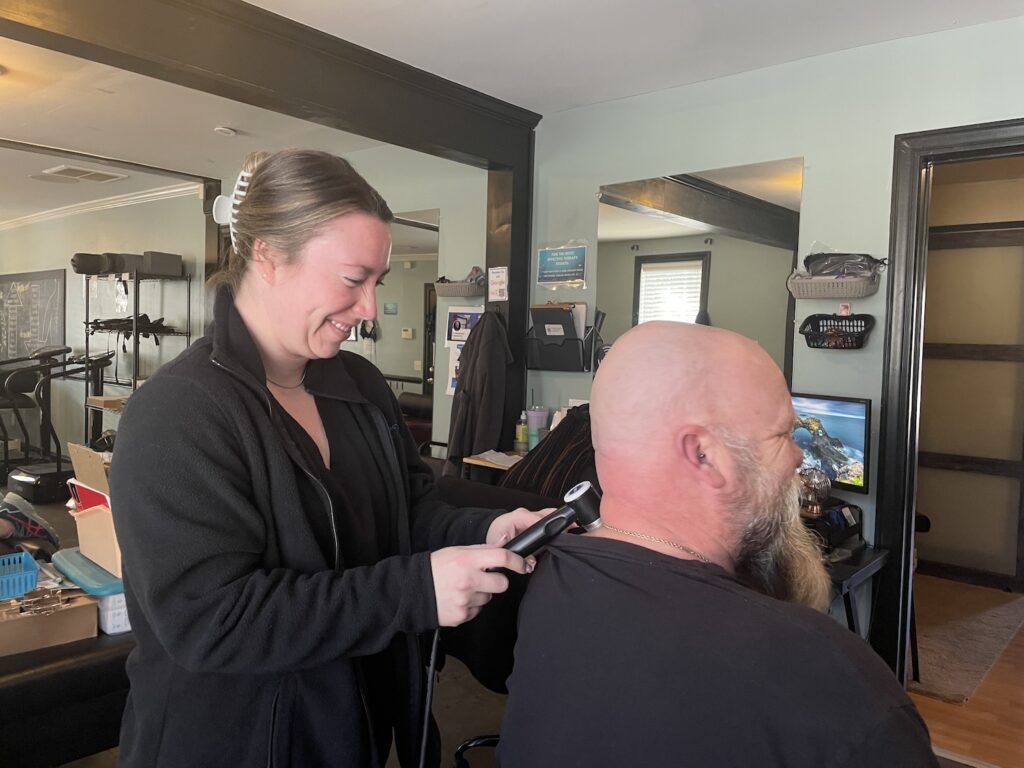
After an intense training session or competition, massage therapy becomes an essential component of your recovery routine. It helps alleviate muscle tension, improve circulation, and promote relaxation, allowing your body to bounce back more effectively.
When you engage in physical activities, your muscles undergo stress, leading to micro-tears that can cause soreness and stiffness. Massage therapy addresses these issues directly, helping to reduce discomfort and accelerate the healing process.
You'll find that different types of massage techniques can target specific needs. For instance, deep tissue massage focuses on the deeper layers of muscle tissue, which can be beneficial if you've pushed yourself hard. Meanwhile, sports massage incorporates techniques tailored for athletes, helping to optimize performance and prevent injuries.
Regularly incorporating massage into your routine can also enhance your overall flexibility and range of motion.
Moreover, the benefits of massage aren't just physical. It can help reduce stress and anxiety, which often accompany rigorous training. By promoting relaxation, massage therapy allows you to mentally reset and prepare for your next challenge.
The sense of well-being you experience can improve your focus and motivation, ultimately benefiting your athletic performance.
Incorporating massage into your recovery routine is an investment in your athletic longevity. Whether you seek relief from soreness or a boost in performance, prioritizing massage therapy can help you feel your best and reach your goals faster.
Don't underestimate the power of touch in your recovery journey.
Building a Recovery Plan
Creating a solid recovery plan is essential for every athlete looking to enhance performance and prevent injuries. A well-structured recovery strategy not only helps your body heal but also primes you for your next training session or competition.
Here are a few key components to reflect upon when building your recovery plan:
- Hydration: Make sure you're drinking enough fluids to replenish what you lose during workouts. Proper hydration aids muscle recovery and prevents fatigue.
- Nutrition: Fuel your body with the right nutrients. Focus on a balanced diet that includes protein, healthy fats, and complex carbohydrates to support muscle repair and energy replenishment.
- Rest and Sleep: Prioritize quality sleep. Aim for 7-9 hours a night to allow your body ample time to recover and regenerate.
Start by evaluating your current routine and identifying areas that need improvement. Incorporate active recovery days, where you engage in low-intensity exercises like yoga or swimming, to promote blood flow without overexerting yourself.
Schedule regular massages or physical therapy sessions to alleviate muscle soreness and enhance flexibility.
Track your progress and listen to your body. If something feels off, don't hesitate to adjust your plan. Remember, recovery isn't just a post-workout necessity; it's a critical part of your overall training regimen.
Conclusion
Incorporating expert support into your recovery routine is key to optimizing your performance. By focusing on nutrition, hydration, sleep, and innovative therapies, you can accelerate muscle repair and boost mental resilience. Don't underestimate the power of active recovery and massage in your plan. By building a thorough recovery strategy tailored to your needs, you'll not only reduce recovery time but also prepare yourself to tackle your next training session or competition with confidence.