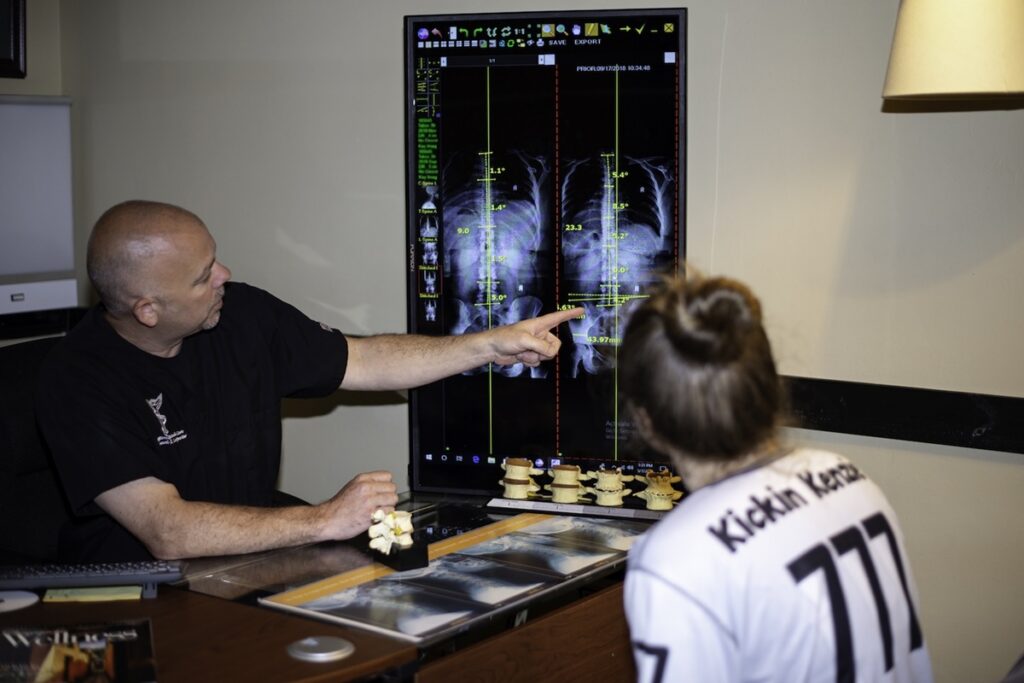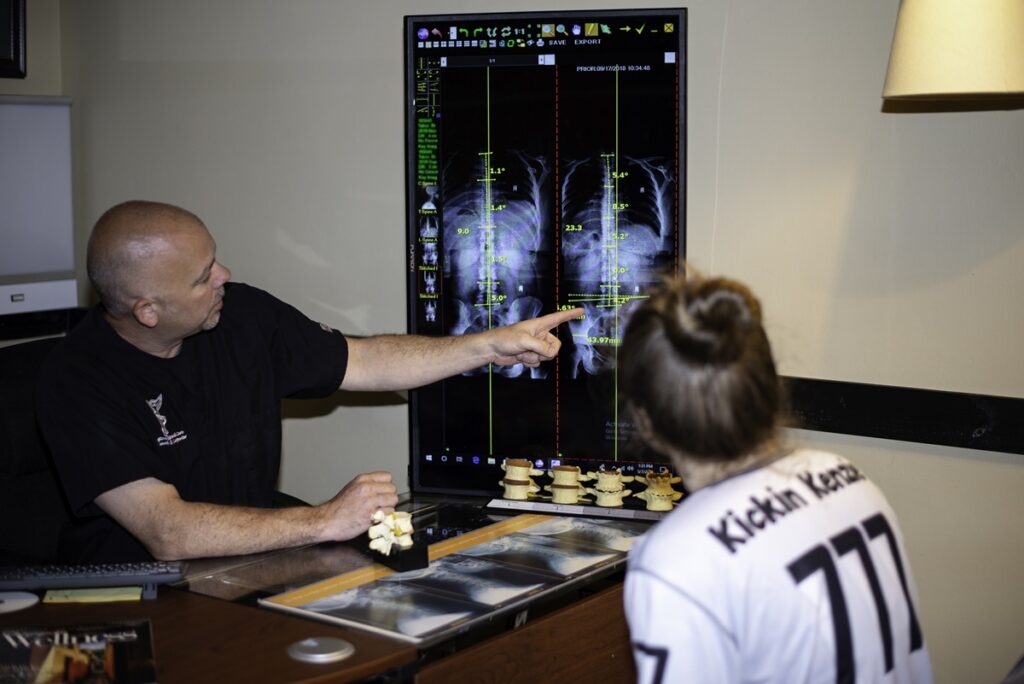
If you're experiencing sports-related back pain, it's important to know that you're not alone, and there's no reason for this discomfort to keep you from your favorite activities. As a local chiropractor, I want to share that many individuals find relief through simple adjustments in their daily routines. By gaining a better understanding of your pain and incorporating some effective natural strategies, you can get back to enjoying an active lifestyle.
Chiropractic care focuses on aligning the spine and improving overall function, which can be beneficial for sports injuries. Here are seven tips that I recommend, which may serve as the key to alleviating your discomfort. From improving your posture to incorporating the right stretches, these strategies can enhance your well-being.
Before diving into these recommendations, it's essential to consider which specific changes might be most effective for you. Every individual is unique, and tailored approaches can lead to a more pain-free experience on the field or court. Remember, chiropractic care is not just about managing pain; it's about promoting healing and ensuring long-term health. If you have any questions or need guidance, feel free to reach out for a consultation. Together, we can work towards a healthier, more active you.
Understand Your Pain
Understanding Your Back Pain
As a local chiropractor, I want to help you understand the nature of your sports-related back pain. It's important to recognize that back pain can stem from various issues, such as muscle strains, ligament sprains, or even herniated discs. When you participate in sports, your body faces physical stress, which can lead to these injuries if it isn't properly conditioned or if you push your limits too quickly.
Take a moment to consider the specific activities that trigger your discomfort. Do you feel a sharp twinge when you twist or lift something? Or maybe a lingering ache after an intense game? Identifying the precise moment when your pain arises can be crucial in determining its cause. Remember, pain is your body's way of signaling that something isn't quite right. Ignoring it may not only fail to alleviate the problem but could also exacerbate it over time.
Next, let's discuss your training habits. Are you engaging in excessive training without allowing for adequate recovery? Do you find yourself using improper techniques during your activities? These factors can significantly contribute to back pain.
It's also essential to focus on your warm-up and cool-down routines. Neglecting these important steps can leave your muscles and joints unprepared to handle the demands of sports.
Lastly, never underestimate the role of flexibility and strength in injury prevention. Incorporating exercises that strengthen your core and back muscles can provide essential support for your spine.
Practice Proper Posture
As a local chiropractor, I want to emphasize the importance of practicing proper posture, especially for those of you who engage in sports.
Maintaining a neutral spine alignment is crucial for preventing back pain related to athletic activities. By focusing on this alignment and strengthening your core muscles, you can provide your back with the support it needs.
These simple adjustments not only enhance your athletic performance but also significantly reduce your risk of injury.
Remember, taking care of your body through proper posture is a natural way to promote healing and maintain overall well-being.
If you have any questions or need guidance, don't hesitate to reach out for support!
Maintain Neutral Spine Alignment
As a chiropractor, it's important for you to understand how your spine's alignment significantly impacts your overall health, particularly in preventing sports-related back pain.
Maintaining a neutral spine position is crucial for ensuring stability and efficiency during any physical activity you engage in. When you're standing, sitting, or moving, try to align your ears, shoulders, and hips in a straight line. This proper alignment aids in evenly distributing your body weight, which can help reduce strain on your back.
During sports or workouts, it's essential to be mindful of your posture. Slouching or excessively arching your back can create muscle imbalances and lead to discomfort. I encourage you to use mirrors or seek feedback from a coach to ensure that you're maintaining good alignment throughout your movements.
In your daily life, it's beneficial to practice awareness of your spine. Whether you're sitting at a desk, lifting weights, or stretching, aim for that neutral spine position.
You can achieve this by keeping your shoulders relaxed, engaging your abdominal muscles, and avoiding any excessive leaning forward or backward. By paying attention to your spinal alignment, you can support your body's natural healing processes and enhance your overall well-being.
#
Strengthen Core Muscles
As a chiropractor, I've seen firsthand how many athletes overlook the vital role a strong core plays in preventing back pain during their activities.
It's important to understand that your core isn't just about your abdominal muscles; it encompasses muscles in your back, hips, and pelvis as well. A well-developed core serves as a stabilizer for your body, enhancing your balance and significantly lowering your risk of injury.
To effectively strengthen your core, I recommend incorporating exercises such as planks, bridges, and Russian twists into your regular fitness routine. Aim to perform these exercises consistently, at least two to three times each week.
It's crucial to focus on maintaining proper form during these exercises to maximize their effectiveness while minimizing strain on your back.
Proper posture during any sports activity is equally important. Whether you're running, lifting weights, or swinging a bat, remember to engage your core and keep your spine aligned.
This mindful engagement helps distribute forces evenly throughout your body, alleviating pressure on your back.
By being attentive to your posture and core strength, you'll likely experience improved athletic performance and less discomfort.
A strong core isn't only essential for preventing injuries but also plays a significant role in enhancing your overall athletic abilities.
Investing time in strengthening your core is an investment in your long-term health and enjoyment of sports.
Incorporate Stretching Routines
As a local chiropractor, I want to emphasize the importance of incorporating stretching routines into your daily regimen. This practice is essential not only for enhancing flexibility but also for preventing back pain, which is a common issue many of my patients face.
It's crucial to understand the difference between dynamic and static stretching. Dynamic stretching involves movements that warm up the muscles and prepare them for activity, while static stretching focuses on holding a position to lengthen the muscles.
By effectively targeting key muscle groups through these types of stretching, you can significantly improve your overall performance and keep discomfort at bay.
Prioritizing regular stretching can complement the chiropractic care you receive, helping to maintain your spinal health and enhance your body's natural healing abilities.
Importance of Flexibility
As a local chiropractor, I want to emphasize the vital role that flexibility plays in preventing sports-related back pain and enhancing your overall performance. When you prioritize flexibility in your routine, you can enjoy improved range of motion, reduced muscle tension, and a lower risk of injuries. This is especially crucial for those of you who engage in intense physical activities.
Incorporating regular stretching routines into your training can significantly enhance your flexibility. Allow me to share some key benefits of consistent stretching:
- Reduced Muscle Tension: Stretching effectively alleviates tightness in your muscles, which can be a contributing factor to back pain.
- Improved Posture: By enhancing your flexibility, you can achieve better alignment, thereby reducing strain on your back.
- Enhanced Performance: A flexible body is better equipped to respond to movement, which can lead to improved athletic performance.
- Injury Prevention: Regular stretching prepares your muscles and joints for physical activity, helping you steer clear of injuries.
To fully experience these benefits, I encourage you to incorporate a variety of stretches that specifically target your back, hips, and legs into your routine.
By making flexibility a priority, you'll not only alleviate back pain but also elevate your performance in sports and daily activities. Remember, consistency is key!
If you have any questions about how chiropractic care can complement your flexibility training, feel free to ask during your next visit. Your health and wellness are our top priorities!
Dynamic vs. Static Stretching
As a local chiropractor, I want to emphasize the importance of both dynamic and static stretching in maintaining a healthy body and preventing injuries. Understanding when to incorporate each type can significantly enhance your overall performance and support your natural healing process.
Dynamic stretching is essential before any workout. This type of stretching involves active movements that not only warm up your muscles but also elevate your heart rate, preparing your body for physical activity.
I recommend incorporating exercises like leg swings, walking lunges, or arm circles into your pre-workout routine. These movements help increase your mobility and flexibility, setting a strong foundation for your physical performance.
After your workout, it's crucial to transition to static stretching. This form of stretching involves holding a position for an extended period, usually between 15 to 30 seconds. This practice helps cool down your muscles and gradually improves flexibility over time.
As part of your post-exercise routine, consider incorporating stretches such as seated toe touches or standing quadriceps stretches. These targeted stretches can help alleviate tightness and promote recovery, ensuring your body is ready for your next activity.
By integrating both dynamic and static stretching into your fitness regimen, you can enhance your physical health while also supporting your body's natural healing capabilities.
If you have any questions or need guidance on proper techniques, feel free to reach out!
Targeting Key Muscle Groups
As a chiropractor, I want to emphasize the importance of targeting key muscle groups for both your physical performance and recovery, particularly if you're an athlete or someone who enjoys staying active.
Focusing on these muscle areas can help alleviate discomfort, such as back pain, and improve your overall physical function.
Let's explore some effective stretching routines you can incorporate into your daily routine to target specific muscle groups:
- Hamstrings: When your hamstrings are tight, they can exert pressure on your pelvis, which may lead to back pain. I recommend trying some seated or standing hamstring stretches to help ease this tension and promote flexibility.
- Hip Flexors: These muscles play a crucial role in the health of your lower back. Incorporating lunging hip flexor stretches can be beneficial in relieving tightness and preventing discomfort in the lower back region.
- Quadriceps: Just like the hamstrings, tight quadriceps can adversely affect your back. To counteract this, make it a habit to perform quad stretches regularly, such as the standing quad pull, to maintain proper muscle length and function.
- Core: A strong core is vital for providing stability and support to your spine. Engaging in exercises like planks and side bends can help you strengthen this area, which, in turn, can lead to improved posture and reduced back pain.
By integrating these targeted stretches into your routine, you can support your body's natural healing processes and enhance your overall well-being.
If you have any questions or need further guidance, feel free to ask during your next visit!
## Strengthen Core Muscles
As a local chiropractor, I want to emphasize the importance of strengthening your core muscles to alleviate sports-related back pain. A strong core plays a vital role in supporting your spine, improving your balance, and enhancing your overall performance in various physical activities.
It's essential to understand that your core encompasses not just your abdominal muscles but also your back muscles, hips, and pelvis. By focusing on these areas, you can establish a solid foundation that helps prevent injuries and reduces pain.
I recommend incorporating exercises such as planks, bridges, and Russian twists into your fitness routine. Planks are fantastic for engaging multiple muscle groups, while bridges specifically target your lower back and glutes, helping to stabilize your spine. Russian twists will enhance your rotational strength, which is crucial for many sports activities.
For optimal results, aim to perform these exercises at least two to three times a week.
It's also important to pay attention to your form. Poor technique can lead to additional strain on your back rather than providing relief. Start with a manageable number of repetitions, and as your strength improves, you can gradually increase the intensity.
Additionally, consider exploring yoga or Pilates, as these practices emphasize core stability and flexibility. They not only strengthen your core but also promote overall body awareness, which enables you to move more efficiently in your sport.
Lastly, consistency is essential. Make core strengthening a regular aspect of your fitness routine, and you may notice improvements in your back pain and athletic performance.
Use Heat and Cold Therapy
As a local chiropractor, I often see athletes struggling with sports-related back pain. One effective way to manage this discomfort is through the use of heat and cold therapy. Understanding when to apply each method can significantly enhance your recovery and pain management.
Heat therapy is excellent for relaxing tight muscles and improving blood circulation. I recommend using heat before engaging in physical activity to warm up your muscles, or after a workout to soothe any soreness you might experience.
On the flip side, cold therapy is ideal for reducing inflammation and numbing sharp pain. It's most effective when applied immediately after an injury or during acute flare-ups.
Here's a simple guide on how to incorporate heat and cold therapy into your routine:
- Heat Application: You can use a heating pad, a warm towel, or even take a warm bath to help relax your muscles effectively.
- Cold Packs: For cold therapy, an ice pack or a bag of frozen vegetables wrapped in a towel can be applied to the affected area to help reduce swelling and pain.
- Timing: Apply heat for about 15-20 minutes and cold for 10-15 minutes, ensuring that you allow your skin to return to its normal temperature in between applications.
- Listen to Your Body: It's crucial to pay attention to your body's response. If one method seems to worsen your pain, don't hesitate to switch to the other.
By understanding and utilizing these therapies, you can take an active role in your healing process and better manage any back pain you may encounter.
If you have more questions or need personalized advice, feel free to reach out during your next visit!
Adjust Your Equipment
As a local chiropractor, I want to emphasize the importance of adjusting your equipment when dealing with sports-related back pain. Whether you enjoy running, cycling, or golfing, the gear you use is crucial to your overall comfort and health during physical activity.
One of the first steps I recommend is to ensure that your footwear is suitable for your specific sport. Wearing shoes that don't fit properly can lead to poor posture and strain on your back. I suggest visiting a specialty store where experts can help you find the right fit.
Next, let's talk about posture. It's essential to evaluate how you position yourself while using any sports equipment. For instance, if you're cycling, adjusting your bike seat height and handlebar position can significantly enhance your ergonomic stance. An improper setup not only affects your performance but can also lead to unnecessary tension in your back.
The same principle applies to golfers; be mindful of your grip and stance, as a misaligned grip can place strain on your lower back.
If weightlifting is part of your routine, check that your equipment is adjusted to suit your body height and size. Using benches or machines that aren't tailored to your frame can result in awkward movements, which may aggravate back pain.
Lastly, consider using sports-specific pads and supports. These can provide additional cushioning and stability, helping to alleviate pressure on your back during your activities.
By making these adjustments, you're not just improving your performance; you're also taking a proactive approach to your health. Remember, even small changes can lead to significant improvements in how you feel while enjoying your favorite sports.
If you have any questions or need guidance on these adjustments, feel free to reach out to me for advice tailored to your individual needs.
Consult a Professional
As a local chiropractor, I want to emphasize how consulting a professional like myself can be transformative for anyone dealing with sports-related back pain. Many individuals may not fully understand the benefits of chiropractic care and natural healing, but my goal is to help you grasp how these approaches can effectively address your discomfort.
When you come to see me, here's how I can assist you:
- Comprehensive Assessment: I'll evaluate your posture, movement patterns, and muscle strength to identify the underlying issues contributing to your pain. Understanding your body is crucial for effective treatment.
- Tailored Treatment Plans: Based on my assessment, I'll develop a customized plan that may include spinal adjustments, specific exercises, stretches, and therapeutic modalities like heat or ice therapy to alleviate your pain and enhance your mobility.
- Education on Body Mechanics: I believe that knowledge is power. I'll teach you about proper techniques and body mechanics that can help prevent future injuries, empowering you to take control of your health.
- Continued Support: My commitment to your recovery doesn't end with a single visit. I offer ongoing support with regular check-ins to monitor your progress and adjust your treatment plan as needed, ensuring you stay on the path to wellness.
Conclusion
As a local chiropractor, I'm here to help you understand how to effectively manage and relieve your sports-related back pain using natural methods. Here are seven reliable tips that can make a significant difference in your recovery and overall well-being.
First and foremost, maintaining proper posture is crucial. Whether you're playing sports or going about your daily activities, being mindful of your posture can help prevent unnecessary strain on your back. Engaging your core muscles is another important step; a strong core provides support for your spine and can reduce the likelihood of injury.
Incorporating regular stretching into your routine can also be beneficial. Stretching helps improve flexibility and can alleviate tension in your muscles. Additionally, don't overlook the importance of adjusting your sports equipment for comfort—this can help ensure that your body is aligned correctly during physical activity.
When it comes to managing pain, heat and cold therapy can be quite effective. Applying heat can help relax tight muscles, while ice can reduce inflammation and numb sharp pain. Strengthening your back and abdominal muscles is essential as well; targeted exercises can enhance your stability and support your spine.
Lastly, if your pain continues despite these efforts, I encourage you to consult with a chiropractic professional. We specialize in personalized care that focuses on natural healing methods to keep you active and injury-free. Remember, taking care of your back is key to enjoying your favorite sports and maintaining a healthy lifestyle.