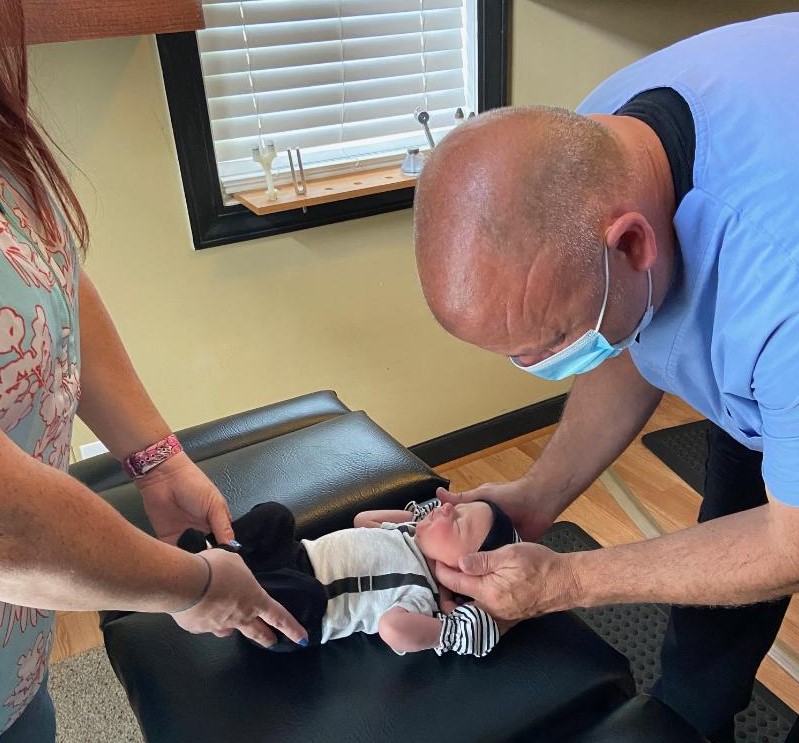
As a local chiropractor, I want to share with you some effective ways to prevent chronic pain naturally. You may be surprised to learn that making simple lifestyle changes can have a profound impact on your well-being. For instance, maintaining a healthy weight and incorporating mindfulness practices into your daily routine are essential steps in managing pain.
Regular physical activity and proper sleep hygiene are two key components that can significantly reduce discomfort. Many people overlook these elements, but they are foundational to a pain-free life. Additionally, there are lesser-known remedies that can complement these practices and further enhance your pain management efforts.
Let's take a closer look at these strategies and how they can transform your approach to health and wellness. By understanding the benefits of chiropractic care and natural healing, you can take proactive steps towards a more comfortable and fulfilling life.
Maintain a Healthy Weight
As a local chiropractor, I want to emphasize the importance of maintaining a healthy weight, especially when it comes to preventing chronic pain. Excess weight can put significant stress on your joints, particularly in areas like your knees and hips. Over time, this extra pressure can lead to pain and discomfort that many people may not even realize is connected to their weight. Each additional pound can substantially increase the strain on your joints, potentially causing inflammation and degenerative changes that heighten your risk for chronic pain conditions.
To help you achieve and maintain a healthy weight, I recommend focusing on your diet as a first step. Incorporating whole foods like fruits, vegetables, lean proteins, and whole grains into your meals can be a game changer. These nutrient-dense options not only support weight loss but also provide your body with essential vitamins and minerals needed for optimal function.
It's also wise to limit processed foods and added sugars, as these can interfere with your weight management goals.
Another important aspect to consider is portion sizes. Even healthy foods can lead to weight gain if consumed in excess. I encourage you to practice mindful eating—take the time to savor each bite and listen to your body's hunger cues. This can help you maintain a balanced approach to your meals.
Staying hydrated is also crucial for managing your weight. Drinking plenty of water can help control your appetite and support your metabolism, making it easier to maintain a healthy weight. By adopting these habits, you can significantly reduce your risk of experiencing chronic pain in the future.
At our chiropractic practice, we believe that prioritizing a balanced lifestyle not only benefits your body but also enhances your overall well-being. By understanding the connection between weight management and chronic pain, you can take proactive steps toward a healthier, pain-free life.
Stay Physically Active
As a local chiropractor, I want to emphasize the importance of staying physically active in your journey toward preventing chronic pain and promoting overall wellness. Regular physical activity is crucial for strengthening your muscles, enhancing flexibility, and improving your body mechanics. Not only does this help keep pain at bay, but it also boosts your mood and energy levels, which can significantly enhance your quality of life.
You don't need to become a daily gym-goer to experience the benefits of an active lifestyle. It's important to find activities that you truly enjoy—whether that's dancing, hiking, swimming, or simply taking a brisk walk in your neighborhood park. Aim for at least 150 minutes of moderate aerobic exercise weekly, along with strength training exercises on two or more days. This balanced approach not only supports your physical fitness but also keeps your joints healthy and reduces the risk of injury.
Incorporating movement into your daily routine can be quite manageable. Start small; consider taking the stairs instead of the elevator or parking a little farther away from your destination. Remember, even short bursts of activity can accumulate over time. The key is consistency; maintaining a regular activity level is more beneficial than engaging in sporadic, intense workouts.
It's essential to listen to your body and respect its limits. If you experience any discomfort, be sure to adjust your activity level accordingly. Striking a balance between challenging yourself and avoiding overexertion is vital for long-term success.
Practice Mindfulness and Meditation
As a local chiropractor, I want to share how practicing mindfulness and meditation can greatly enhance your mental and physical health, particularly in the prevention of chronic pain. These techniques allow you to focus on the present moment, which can significantly reduce stress and anxiety—two factors that often contribute to pain.
By incorporating mindfulness and meditation into your routine, you can condition your mind to respond more effectively to discomfort and stress.
I recommend starting with just a few minutes each day dedicated to mindfulness or meditation. Find a quiet space where you can relax without interruptions. Sit comfortably, close your eyes, and direct your attention to your breathing.
Become aware of the sensations of air flowing in and out of your body. It's natural for your mind to wander; when it does, gently redirect your focus back to your breath. This simple exercise can cultivate a sense of calm and heightened awareness.
Additionally, you can integrate mindfulness into your everyday activities. Whether you're eating, walking, or even doing chores like washing dishes, try to fully immerse yourself in the experience.
Pay close attention to the textures, aromas, and sounds around you. Engaging your senses in this way can help ground you in the present and divert your mind from feelings of pain.
Incorporate Anti-Inflammatory Foods
As a local chiropractor dedicated to helping you achieve optimal health, I want to emphasize the importance of incorporating anti-inflammatory foods into your diet, especially when it comes to preventing and managing chronic pain. Many people are unaware that the foods we consume can significantly impact inflammation levels in our bodies, which is often a driving factor behind chronic pain conditions.
To start, I encourage you to include a variety of fruits and vegetables in your meals, particularly those that are rich in antioxidants. Berries, leafy greens, and tomatoes are excellent choices that can effectively combat inflammation. These vibrant foods not only add color to your plate but also contribute to overall health and wellness.
It's also essential to focus on healthy fats that support your body's natural anti-inflammatory processes. Foods like olive oil, avocados, and nuts are fantastic options. Additionally, consider incorporating fatty fish such as salmon, mackerel, and sardines into your diet. These fish are loaded with omega-3 fatty acids, which are renowned for their anti-inflammatory properties.
Don't overlook the power of spices in your cooking. Turmeric, particularly due to its active compound curcumin, is a potent anti-inflammatory agent. Adding ginger to your meals can also offer similar benefits. I encourage you to experiment with these spices in your cooking or even enjoy them as soothing teas.
Whole grains are another vital part of an anti-inflammatory diet. Instead of refined grains, opt for brown rice, quinoa, and whole grain bread. These options help maintain stable blood sugar levels, which can further reduce inflammation and support your overall health.
Lastly, it's important to be mindful of what you're putting into your body. Limiting or avoiding processed foods, added sugars, and trans fats is crucial, as these can trigger inflammation and contribute to chronic pain. By consciously choosing anti-inflammatory foods and steering clear of harmful options, you can nourish your body and play a proactive role in preventing chronic pain.
Ensure Proper Sleep Hygiene
As a local chiropractor, I want to emphasize the importance of sleep hygiene in managing chronic pain. Prioritizing your sleep can have a profound impact on your overall well-being.
By establishing a consistent sleep schedule and creating an optimal sleep environment, you can significantly enhance the quality of your rest.
Let's take a closer look at how these practices can contribute to better sleep and help alleviate your pain levels.
Establish a Sleep Schedule
As a local chiropractor, I want to emphasize the importance of establishing a consistent sleep schedule for managing and preventing chronic pain. Many people overlook how crucial sleep is for overall health, but when you go to bed and wake up at the same time each day, your body creates a rhythm that can significantly improve your sleep quality. This predictability helps regulate your internal clock, making it easier to drift off to sleep and wake up feeling rejuvenated.
To set up an effective sleep schedule, first, figure out how much sleep you truly need. Most adults perform best with 7 to 9 hours of sleep per night. Once you've determined your ideal bedtime and wake time, make it a habit to stick to them, even on weekends. This consistency reinforces your body's natural sleep-wake cycle, which is vital for recovery and wellness.
I also recommend avoiding stimulating activities right before bed. Instead, develop a calming pre-sleep routine—consider activities like reading or meditating—to signal to your body that it's time to unwind.
Additionally, be mindful of your caffeine and heavy meal intake in the hours leading up to bedtime, as these can disrupt your sleep and affect your overall health.
Optimize Sleep Environment
As a local chiropractor, I want to emphasize the importance of creating an ideal sleep environment, especially for those of you managing chronic pain. Your bedroom should be a sanctuary for rest and recovery.
Start by ensuring the space is dark, quiet, and cool. Blackout curtains can effectively block out light, while earplugs or a white noise machine can help mask any disruptive sounds that might interrupt your sleep.
Investing in a comfortable mattress and supportive pillows is crucial. They play a key role in reducing pressure points and ensuring your body is properly aligned during sleep, which can significantly enhance your overall sleep quality.
It's also important to reserve your bedroom for sleep and intimacy only. This simple practice helps your brain associate the room with relaxation and restfulness. A decluttered space contributes to a calming atmosphere, minimizing distractions and reducing stress.
Consider incorporating calming scents, such as lavender or chamomile, using essential oils or candles. These natural aromas can foster relaxation and prepare your mind for sleep.
Additionally, limiting screen time before bed is essential, as the blue light emitted from devices can disrupt your natural sleep-wake cycle.
Finally, establishing a consistent bedtime routine can signal to your body that it's time to unwind. Gentle stretching, reading, or meditation are excellent ways to ease into sleep.
Use Heat and Cold Therapy
As a chiropractor, I want to share with you the benefits of heat and cold therapy in managing chronic pain. These natural techniques can be incredibly effective when it comes to alleviating discomfort and promoting healing.
When you apply heat to a painful area, it enhances blood circulation, which helps to relax tight muscles and reduce stiffness. You can use tools like a heating pad, a hot water bottle, or even a warm towel. Just be cautious to ensure the heat isn't too intense to avoid burns. I recommend applying heat for about 15 to 20 minutes to maximize its benefits.
Conversely, cold therapy is excellent for reducing inflammation and numbing sharp pain. Ice packs or a bag of frozen vegetables wrapped in a towel can provide significant relief. Apply cold compresses for around 10 to 15 minutes, allowing your skin to rest in between applications. This method is especially beneficial after physical activity or during flare-ups.
Many patients find that alternating between heat and cold therapy can enhance their relief. This combination effectively addresses both muscle tension and inflammation. It's essential to pay attention to your body and see what feels best for you, as everyone reacts differently to these treatments.
Always listen to your body. If you experience increased pain or discomfort while using heat or cold, stop using the therapy immediately.
Consistency is vital, so I encourage you to incorporate these therapies into your daily routine. Over time, you'll likely find the right balance that works for your specific pain issues. By employing these simple techniques, you can take proactive steps toward managing your chronic pain naturally and improve your overall well-being.
Explore Acupuncture and Massage
As a local chiropractor, I want to introduce you to the benefits of natural healing methods like acupuncture and massage therapy, especially if you're dealing with chronic pain.
These alternative treatments can play a significant role in pain management while promoting relaxation and overall wellness.
Acupuncture involves the insertion of fine needles into specific points on the body to stimulate healing and alleviate discomfort.
Meanwhile, massage therapy focuses on manipulating the muscles and soft tissues to reduce tension and enhance circulation.
By incorporating both acupuncture and massage into your wellness routine, you can enhance the effectiveness of your chiropractic care and discover a holistic approach that works best for you.
Together, these therapies can help you achieve a more balanced and pain-free life.
Benefits of Acupuncture
As a local chiropractor, I want to introduce you to the remarkable benefits of acupuncture, especially if you're seeking relief from chronic pain. This ancient therapy offers a natural alternative to conventional pain management techniques and can be an excellent complement to chiropractic care.
Acupuncture involves the careful insertion of thin needles into specific points on the body, fostering healing and restoring balance. Many of my patients have experienced not only a reduction in pain but also an overall enhancement in their well-being after incorporating acupuncture into their treatment plans.
Here are some key benefits of acupuncture for chronic pain relief that I often share with my patients:
- Reduced Inflammation: Acupuncture can significantly decrease inflammation, which is often a leading cause of chronic pain. By addressing this issue, we can help you find lasting relief.
- Improved Blood Flow: The process stimulates circulation, facilitating the delivery of oxygen and essential nutrients to affected areas, which can accelerate recovery and healing.
- Endorphin Release: Acupuncture encourages the release of endorphins—your body's natural painkillers. This not only enhances your mood but also helps to lessen discomfort.
- Stress Reduction: This treatment is effective in calming both the mind and body, lowering stress levels that can worsen pain conditions. A relaxed state is crucial for healing.
If you're looking for alternatives to medications and want to explore natural healing methods, I encourage you to consider acupuncture. It's a holistic approach that targets pain while also promoting your overall health and wellness.
I invite you to give it a try—you might be pleasantly surprised by the positive changes you experience!
Types of Massage Therapy
As a local chiropractor, I want to share with you how combining acupuncture with various types of massage therapy can create a powerful holistic approach to natural pain relief.
Each massage technique offers unique benefits that can enhance your overall well-being and help alleviate chronic pain.
Let's start with Swedish massage, which is known for its gentle strokes and relaxation techniques. This type of massage can improve circulation and release muscle tension, making it an excellent choice for overall relaxation.
If you're seeking deeper pressure, deep tissue massage may be more suited for you. This technique focuses on the deeper layers of muscle and connective tissue, effectively addressing chronic knots and tension that may be contributing to your discomfort.
For those of you who've specific areas of pain, sports massage is an excellent option. This type of massage emphasizes injury prevention and recovery, making it ideal for athletes or anyone who leads an active lifestyle.
On the other hand, trigger point therapy specifically targets tight spots in your muscles, offering focused relief exactly where you need it.
You might also benefit from myofascial release, a technique that aims to relieve restrictions in the fascia surrounding your muscles, promoting greater flexibility and comfort.
Lastly, consider aromatherapy massage, which incorporates essential oils to not only enhance relaxation but also support your healing process.
At our practice, we believe in a holistic approach to health, and these massage therapies, combined with chiropractic care, can work together to improve your overall well-being and help manage pain naturally.
Integrating Both Treatments
Integrating both acupuncture and massage can significantly enhance your journey toward pain relief. As a local chiropractor, I want to help you understand how combining these therapies addresses pain from multiple angles, leading to more effective results.
Acupuncture works by targeting specific points to release energy and alleviate pain, while massage is focused on relaxing muscles and improving circulation. Together, they create a holistic approach to managing chronic pain that aligns perfectly with chiropractic care.
Here are some ways to maximize the benefits of both treatments:
- Schedule Regular Sessions: Consistency is crucial. Regular appointments can help maintain your pain relief and overall well-being.
- Communicate with Your Practitioners: Be open about your symptoms and progress with both your acupuncturist and massage therapist. This will allow them to tailor their treatments specifically to your needs.
- Combine Techniques: Consider alternating between acupuncture and massage sessions. This balanced approach can enhance your overall treatment experience.
- Listen to Your Body: It's essential to pay attention to how your body responds to each treatment. Adjust the frequency and types of therapies based on your comfort and progress.
As you explore these natural healing methods, remember that chiropractic care can also play an integral role in your pain management strategy.
Together, we can work towards your health goals!
Manage Stress Effectively
As a local chiropractor, I want to emphasize the importance of managing stress effectively for your overall health, particularly in preventing chronic pain. Many people may not realize that their mental well-being is closely tied to their physical health. When stress levels rise, your body reacts by releasing hormones that can lead to inflammation and muscle tightness, both of which can contribute to chronic pain issues.
To begin managing your stress, start by identifying your personal stressors. Take a moment to jot down what causes you anxiety. Once you have a clear picture, we can work together to develop strategies that suit you. Simple practices, like deep breathing, meditation, or yoga, can be incredibly beneficial. Even dedicating just a few minutes each day to these techniques can significantly improve your mental clarity and physical relaxation.
Incorporating regular physical activity into your daily routine is another effective way to manage stress. Exercise is known to release endorphins, which act as natural mood enhancers. I recommend aiming for at least 30 minutes of moderate exercise on most days of the week. Whether it's going for a brisk walk, trying out a dance class, or taking a swim, find activities that you enjoy so that you can maintain consistency.
Don't forget the value of social support in your stress management journey. Engaging in conversations with friends or family about your feelings can provide both relief and a fresh perspective.
If you find that stress feels unmanageable, I encourage you to reach out to a professional. As a chiropractor, I can offer tailored strategies and holistic approaches that align with your natural healing journey. Together, we can work towards alleviating the physical manifestations of stress and enhancing your overall well-being.
Stay Hydrated
As your local chiropractor, I want to emphasize the importance of staying hydrated for your overall well-being and its significant role in pain relief.
When you maintain adequate hydration by drinking enough water, you not only support your body's essential functions but also help reduce inflammation, a common contributor to chronic pain.
Let's dive into how proper hydration can positively impact your health and share some practical tips to ensure you stay on track.
By making hydration a priority, you can enhance the benefits of your chiropractic care and support your body's natural healing processes.
Importance of Water Intake
As your local chiropractor, I want to emphasize the critical role that proper hydration plays in your overall health and well-being, especially when it comes to preventing chronic pain.
Many patients may not realize that when your body is well-hydrated, it can function more efficiently, which helps to mitigate pain caused by inflammation and muscle tension. Keeping yourself hydrated not only lubricates your joints but also ensures that nutrients are effectively delivered to your cells.
Here are some essential reasons why prioritizing water intake is vital for your health:
- Supports Joint Health: Adequate water intake is crucial for maintaining synovial fluid, which acts as a cushion for your joints. This helps to minimize wear and tear, ultimately reducing the risk of joint pain.
- Enhances Muscle Function: Staying hydrated can prevent muscle cramps and spasms, which are common sources of discomfort and pain. This is particularly important for those who engage in physical activities or exercise.
- Boosts Energy Levels: Proper hydration helps improve your overall energy levels. When you're well-hydrated, you're more likely to stay active, which can help prevent pain that often arises from a sedentary lifestyle.
- Promotes Healthy Digestion: Drinking enough water supports your digestive system, preventing issues like constipation that can lead to abdominal pain.
To ensure you're getting enough water, I recommend aiming for at least eight 8-ounce glasses per day. However, you may need to adjust this amount based on your activity level and the climate you live in.
Hydration and Pain Relief
As a local chiropractor, I want to help you understand the important connection between hydration and pain relief. Many people aren't aware that staying well-hydrated can significantly enhance your body's ability to manage pain. When you're properly hydrated, your joints and muscles can work more efficiently, which helps prevent stiffness and discomfort.
On the other hand, dehydration can lead to issues like muscle cramps, fatigue, and headaches, all of which can increase your pain levels. Drinking enough water is essential for maintaining the balance of vital nutrients in your body, which supports your overall health and wellness.
It also plays a crucial role in ensuring proper blood circulation, delivering oxygen and nutrients to your tissues while helping to flush out toxins. This is important because good circulation can help prevent inflammation, a common factor that contributes to chronic pain.
Additionally, staying hydrated can have a positive effect on your mood and energy levels—both of which are key in how we perceive pain. When you feel good physically and mentally, you're better equipped to handle discomfort.
Incorporating hydration into your daily routine goes beyond just drinking water; it includes consuming hydrating foods such as fruits and vegetables. By making hydration a priority, you take a significant step toward managing pain naturally.
Tips for Staying Hydrated
As a local chiropractor, I want to emphasize the importance of staying properly hydrated for your overall health and well-being. Hydration plays a crucial role in how your body functions, including how it manages pain. When you drink enough water, your body operates more efficiently, which can help reduce inflammation and enhance joint lubrication—key factors in maintaining mobility and comfort.
Here are some practical tips I recommend to help you stay hydrated throughout your day:
- Carry a water bottle: Keeping a reusable water bottle with you makes it easier to take regular sips, no matter where you are. This simple habit can lead to significant improvements in your hydration levels.
- Set reminders: In our busy lives, it's easy to forget to drink water. Consider using your phone or a hydration app to set reminders to drink at regular intervals. This small step can ensure you're consistently meeting your hydration needs.
- Infuse your water: If plain water doesn't excite you, try infusing it with slices of fruits, herbs, or vegetables. This not only adds flavor but can also motivate you to drink more water throughout the day.
- Eat water-rich foods: Don't forget about the hydration power of certain foods! Incorporate fruits and vegetables such as watermelon, cucumbers, and oranges into your diet. These tasty options not only hydrate you but also provide essential vitamins and minerals that support your overall health.
Making an effort to stay hydrated can have a positive impact on your body's ability to heal and function optimally.
Limit Alcohol and Tobacco Use
As a chiropractor dedicated to helping you manage your chronic pain, I want to emphasize the importance of limiting alcohol and tobacco use in your healing journey. While it may be tempting to unwind with a drink or a smoke, both substances can actually worsen inflammation and contribute to the progression of pain-related conditions.
When you consume alcohol, it can disrupt your body's natural healing processes, making it more challenging for you to recover from injuries or painful flare-ups. This is particularly important to consider when you're trying to heal and improve your overall well-being.
Tobacco use has its own set of complications. It's well-known for having detrimental effects on circulation and lung function. Poor circulation can exacerbate pain, particularly in areas affected by conditions like arthritis or fibromyalgia. Furthermore, nicotine can alter how your body perceives pain, often causing you to experience more discomfort than you otherwise would.
If you're committed to reducing your chronic pain, I encourage you to consider healthier alternatives to these habits. Instead of reaching for an alcoholic beverage, think about enjoying herbal teas or infused water. These options not only hydrate but also provide calming effects without the pain-triggering compounds found in alcohol.
For those of you who smoke, I recommend seeking support through quit lines or apps specifically designed to help you stop. Engaging in physical activities or mindfulness practices can also be effective in managing cravings and keeping your mind focused on your health goals.
Conclusion
As your local chiropractor, I'm here to share some valuable insights on how you can naturally prevent chronic pain. By incorporating a few key strategies into your daily routine, you can significantly lower your chances of experiencing persistent discomfort.
First and foremost, maintaining a healthy weight is crucial. Excess weight can put additional strain on your joints and muscles, leading to pain over time. Staying active is equally important; regular movement keeps your body flexible and strong, helping to ward off pain.
Another essential aspect is your diet. Focus on consuming anti-inflammatory foods, which can help reduce pain and promote overall health. Don't underestimate the power of good sleep; restorative rest is vital for your body to heal and recover. Additionally, managing stress through mindfulness practices can make a big difference in your overall well-being.
I also encourage exploring therapies like acupuncture, which can complement your chiropractic care and further alleviate discomfort. Staying hydrated and minimizing alcohol and tobacco intake will also contribute to your overall wellness.
By embracing these natural practices, you'll be taking proactive steps towards a pain-free life. Remember, your health is a journey, and I'm here to support you every step of the way!