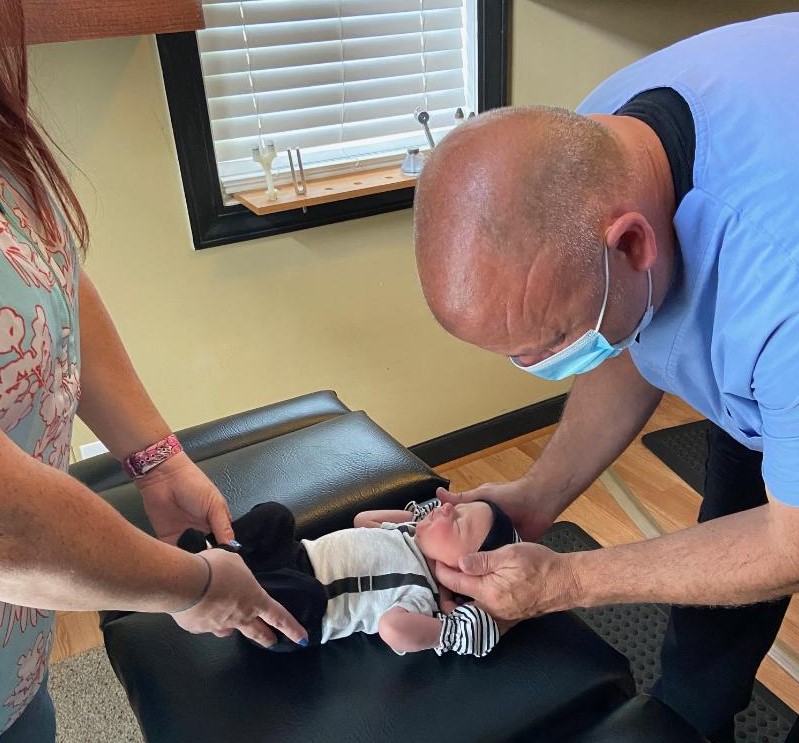
You might wonder why thousands of people rely on regular care for lasting wellness. It's not just about treating illnesses; it's about embracing a proactive approach to health that prioritizes prevention and early detection. By establishing strong relationships with healthcare providers, you're better equipped to make informed decisions that can positively impact your life. This ongoing engagement can lead to significant long-term benefits, but what exactly are those benefits? Understanding the full picture might just change how you view your own health journey.
The Importance of Preventive Care
Preventive care is the cornerstone of maintaining your health and well-being. By focusing on prevention, you can catch potential health issues before they escalate into serious problems. Regular check-ups, screenings, and vaccinations are essential components of this proactive approach. When you prioritize preventive care, you're not just reacting to illness; you're actively taking charge of your health.
Engaging in preventive care helps you identify risk factors that may lead to chronic conditions. For instance, routine blood pressure and cholesterol checks can alert you to cardiovascular issues early on. Similarly, regular screenings for cancer, such as mammograms or colonoscopies, can lead to early detection and greatly improve treatment outcomes.
Moreover, preventive care encourages healthy lifestyle choices. When you visit your healthcare provider for regular check-ups, you'll discuss your diet, exercise, and mental health. These conversations can motivate you to adopt healthier habits that enhance your overall quality of life.
Another benefit of preventive care is that it often saves you money in the long run. By addressing health concerns early, you can avoid more expensive treatments down the line. Insurance plans frequently cover preventive services at little to no cost, making it easier for you to prioritize your health without financial strain.
In essence, preventive care empowers you to take control of your health journey. By making it a key part of your routine, you're investing not only in your current well-being but also in a healthier future.
Building Trust With Healthcare Providers
Building a strong relationship with your healthcare provider is crucial for your overall wellness journey. Trust forms the foundation of this relationship, allowing you to communicate openly about your health concerns. When you feel comfortable discussing your symptoms and lifestyle habits, your provider can offer tailored advice and support.
To build this trust, start by being open and honest during your appointments. Share your medical history, current medications, and any previous issues you've encountered. This transparency helps your provider understand your unique situation better and leads to more effective care.
Don't hesitate to ask questions, either. Clarifying doubts shows you're engaged in your health, and it encourages your provider to be more thorough in their explanations.
You should also pay attention to how your provider listens and responds. A good healthcare provider respects your concerns and takes the time to address them. If you feel dismissed or rushed, it might be worth considering a different provider.
Building trust takes time, but finding someone who values your input is key. Additionally, follow through with any recommendations your provider gives. Consistent participation in your care fosters a sense of partnership, reinforcing the trust between you.
Regular check-ups not only help maintain your health but also strengthen this crucial relationship. Remember, you're not just a patient; you're an active participant in your wellness journey.
Early Detection of Health Issues
Many people underestimate the importance of early detection when it comes to health issues. You might think that feeling well means you're healthy, but many conditions can develop silently without showing obvious symptoms. Regular check-ups and screenings can help identify potential problems before they escalate, allowing for more effective treatment and better outcomes.
When you catch health issues early, you often have more options for managing them. For instance, conditions like high blood pressure, diabetes, or cancer may not present noticeable symptoms in their early stages. By visiting your healthcare provider regularly, you can undergo appropriate tests that reveal these issues, enabling you to take action sooner rather than later.
Early detection can also save you money in the long run. Treating a health issue in its early stages is generally less expensive than dealing with advanced stages, which often require more intensive treatments and can lead to longer recovery times.
Furthermore, knowing your health status can greatly reduce anxiety. Regular screenings provide you with peace of mind, allowing you to focus on your day-to-day life without lingering worries about undetected health problems.
Incorporating early detection into your wellness routine is a proactive approach that empowers you to take control of your health. By prioritizing regular check-ups and screenings, you're not just waiting for issues to arise; you're actively working toward a healthier future.
Empowering Informed Health Decisions
Understanding your health is an essential part of maintaining your well-being. When you're informed about your health, you can make better decisions that impact your quality of life. Regular check-ups allow you to gather vital information about your body, helping you understand what's normal for you and what might indicate a problem.
By engaging with your healthcare provider, you gain insights into your health that empower you to take charge of your wellness journey. You can ask questions, express concerns, and discuss symptoms openly. This dialogue not only clarifies your understanding but also strengthens your relationship with your healthcare team.
When you know your family history, lifestyle factors, and any existing conditions, you can make proactive choices. You'll learn about the importance of nutrition, exercise, and stress management, enabling you to create a balanced lifestyle that suits your needs. With this knowledge, you can prioritize your health goals and take actionable steps toward achieving them.
Moreover, informed health decisions lead to better outcomes. When you're aware of potential risks or necessary screenings, you're more likely to follow through with recommendations. This proactive approach minimizes surprises and maximizes your health potential.
Ultimately, when you empower yourself with knowledge, you're not just a passive recipient of care; you're an active participant in your health. By prioritizing informed decisions, you set the stage for a healthier, happier life.
Long-Term Benefits of Regular Check-Ups
Regular check-ups play an essential role in maintaining your long-term health. By making these appointments a priority, you're actively investing in your well-being. During these visits, healthcare professionals can monitor your health metrics, catch potential issues early, and provide guidance tailored to your individual needs. This proactive approach means you can avoid serious health problems down the line.
One of the significant benefits of regular check-ups is the ability to establish a baseline for your health. By understanding what's normal for you, your doctor can quickly identify any deviations that may signal a health concern. Early detection can lead to more effective treatments and a higher likelihood of a positive outcome.
Moreover, regular visits can foster a strong relationship with your healthcare provider. This trust allows for open communication, where you feel comfortable discussing concerns or changes in your health. When you have a reliable support system, it's easier to stay motivated and maintain healthy habits.
Additionally, routine screenings and vaccinations available during check-ups can prevent illnesses before they even start. They help you stay informed about your health status and empower you to make better lifestyle choices.
Conclusion
In summary, trusting regular care for your wellness is a smart choice. You're not just getting check-ups; you're building a relationship with your healthcare provider, which means better communication and support. Early detection of potential health issues lets you tackle problems before they escalate, while informed decisions empower you to take charge of your lifestyle. Ultimately, these proactive steps lead to healthier living and can save you money on long-term healthcare costs. Prioritize your health today!