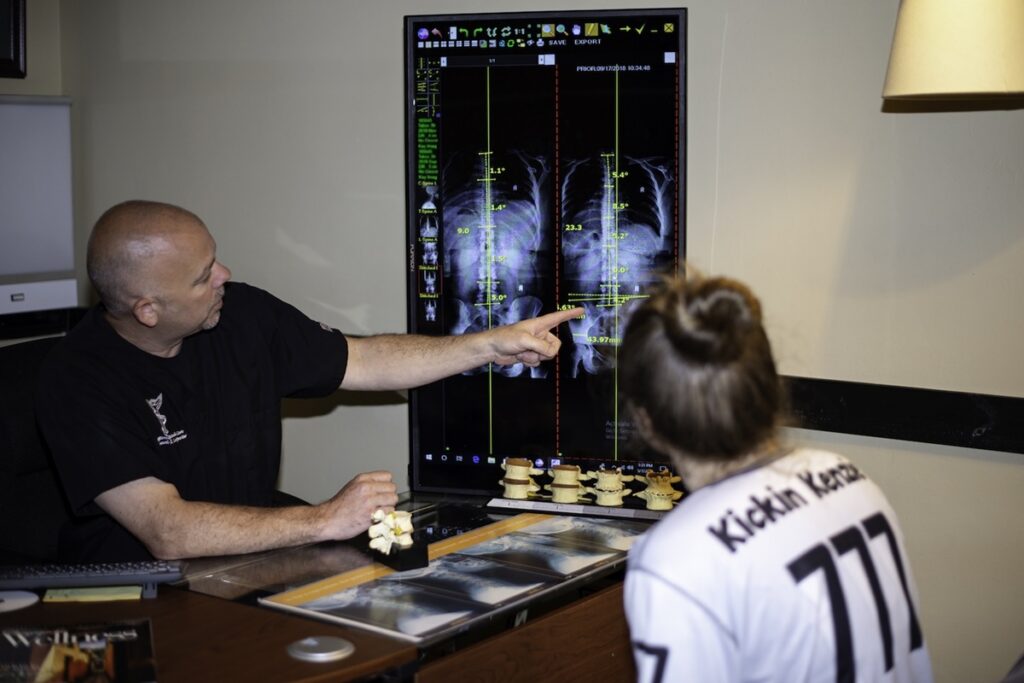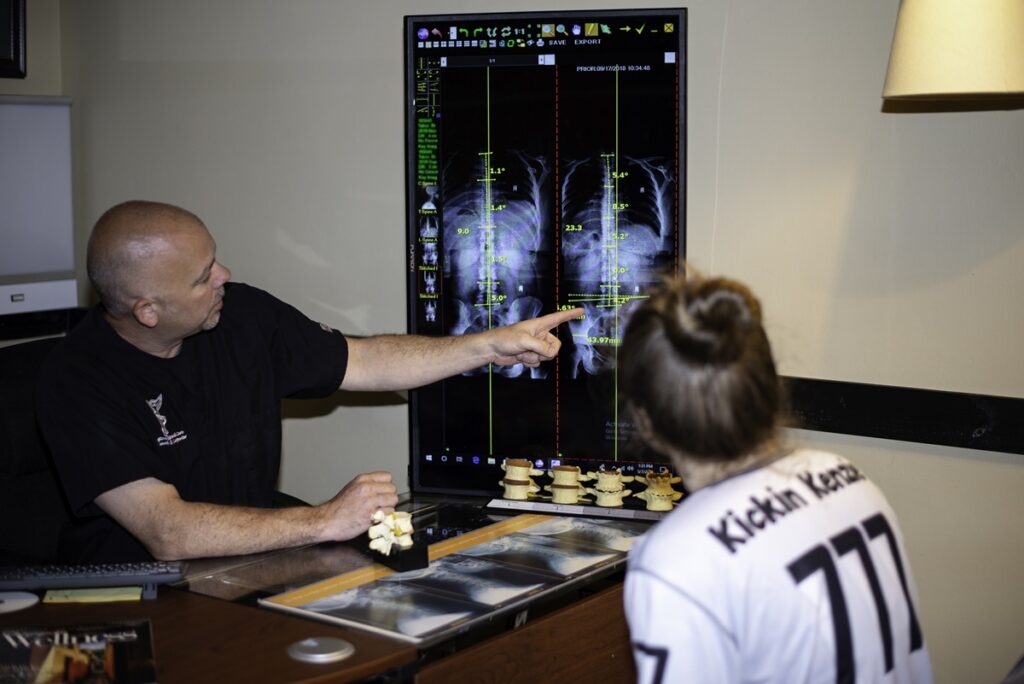
As a local chiropractor, I often get asked why manual therapy is a common treatment choice for managing neurological disorders. It's important to understand that this approach goes beyond merely alleviating discomfort; it focuses on addressing muscle tension and mobility challenges that many of our patients experience.
Manual therapy techniques help improve circulation and encourage relaxation, which are vital components of a comprehensive treatment plan. By engaging in these practices, we can create a supportive environment for your body to heal and regain function.
So, what specific techniques do we use, and how do they aid in your recovery? Techniques such as spinal manipulation, soft tissue therapy, and mobilization can significantly contribute to improving your overall health and well-being. By understanding these methods, you can make informed decisions about your treatment options and take an active role in your healing journey.
Understanding Neurological Disorders
As a local chiropractor, I want to take a moment to discuss the impact of neurological disorders and how our approach to care can support those affected. Neurological disorders are more common than you might think, affecting millions of people globally. These conditions can range from everyday issues like migraines and tension headaches to more complex disorders such as multiple sclerosis and Parkinson's disease.
Often, these disorders stem from disruptions in the nervous system, which can manifest as various symptoms, including challenges with motor control, cognitive difficulties, and changes in sensory perception. Understanding these disorders is crucial, not just for those directly affected but also for caregivers and family members.
When you grasp the underlying mechanisms, it becomes easier to navigate daily challenges. For example, you may experience coordination issues or unexplained fatigue. By recognizing these signs, you can seek appropriate chiropractic interventions and support that might alleviate some of these symptoms.
It's also essential to consider the emotional toll that neurological disorders can take. Many patients experience feelings of frustration, anxiety, or even depression alongside their physical symptoms. As your chiropractor, I believe in addressing both the psychological and physical aspects of these conditions.
By taking a holistic approach to your care, we can work together to enhance your overall quality of life. Education plays a pivotal role in empowering you to make informed decisions about your health. I encourage you to explore specific neurological conditions and discuss them with me during your visits.
We can work together to clarify your options and develop a care plan that aligns with your individual needs. Understanding the nature of your disorder not only helps you advocate for yourself but also ensures that you receive the most effective treatment tailored to your situation, promoting natural healing and wellness.
Manual Therapy Techniques
As a local chiropractor, I want to share how manual therapy techniques can play a crucial role in your treatment plan, especially if you're experiencing a neurological disorder. These hands-on approaches focus on manipulating muscles and soft tissues to enhance mobility and alleviate pain, which can be incredibly beneficial for your overall well-being.
One effective method you might hear about is mobilization. This technique involves using slow, controlled movements to increase the range of motion in your joints. By doing so, we can help you regain function and reduce stiffness, making it easier for you to move freely.
You may also benefit from soft tissue massage, where we apply pressure to your muscles and fascia. This helps relieve tension and promote relaxation, particularly if you're dealing with muscle spasms or tightness. It's a great way to help your body unwind and recover.
Another technique we often use is myofascial release, which targets the connective tissue surrounding your muscles. By releasing restrictions in this tissue, we can improve circulation—an essential factor in your recovery process.
Neurodynamics is another approach to consider. This method focuses on the nervous system's ability to move and function properly. By gently stretching and mobilizing the nerves, we can address symptoms like pain or tingling that may be affecting your daily life.
Lastly, proprioceptive neuromuscular facilitation (PNF) is a technique designed to enhance your flexibility and strength through specific movement patterns. This is often utilized in rehabilitation to help you regain control and coordination, which can be especially important as you recover.
Incorporating these manual therapy techniques into your overall treatment strategy can help address a variety of symptoms associated with neurological disorders.
I encourage you to consult with a qualified chiropractor to determine which techniques will be most beneficial for your individual needs. Remember, natural healing is a journey, and we're here to support you every step of the way.
Benefits of Manual Therapy
As a local chiropractor, I want to share with you the incredible benefits of manual therapy techniques that go far beyond just relieving pain. When you undergo chiropractic care, you may find that these methods not only enhance your overall well-being but also help you regain mobility and significantly improve your quality of life. Engaging in manual therapy allows your body to respond positively, often leading to reduced muscle tension and an increased range of motion.
One of the most notable advantages of chiropractic care is its ability to reduce stress and anxiety. The hands-on approach we use promotes relaxation, enabling you to release built-up tension in both your muscles and mind. This aspect of manual therapy can be especially beneficial for those facing the challenges of neurological disorders, as managing stress is crucial to alleviating symptoms.
Moreover, chiropractic care can significantly enhance your circulation, which plays a vital role in recovery. Improved blood flow ensures that essential nutrients reach your tissues while efficiently removing waste products, thereby speeding up the healing process. You might also notice an improvement in your coordination and balance, which are often affected by neurological conditions.
Regular chiropractic sessions can also help you develop a deeper connection between your body and mind. As you become more aware of your physical state, you'll be able to identify areas of discomfort and take proactive steps to manage them effectively.
Lastly, many of my patients report an overall boost in mood and energy levels after receiving manual therapy. As physical discomfort diminishes, you may find it easier to engage in social activities and pursue hobbies that enrich your life.
Embracing chiropractic care can be a transformative step in your journey toward enhanced health and wellness. If you're curious about how manual therapy can benefit you, I encourage you to reach out and discuss your options.
Evidence and Research Findings
As a local chiropractor, I want to share some exciting insights about how manual therapy can support individuals with neurological disorders. Research has shown that techniques such as spinal manipulation, soft tissue mobilization, and joint mobilization can significantly improve motor function, alleviate pain, and enhance overall quality of life for those dealing with these challenging conditions.
For example, a systematic review found that patients with multiple sclerosis saw marked improvements in their balance and mobility after engaging in manual therapy sessions. This is encouraging because it highlights the potential of chiropractic care to make a real difference in everyday life.
In another study focusing on stroke patients, manual therapy was shown to enhance muscle strength and coordination. Many participants reported feeling more stable and less fatigued after their treatments, which is crucial for their recovery journey.
Additionally, those with Parkinson's disease experienced relief from muscle rigidity and improved range of motion, enabling them to participate more actively in daily activities.
It's important to note that personalized treatment plans are vital to achieving the best outcomes. When manual therapy is tailored to fit an individual's specific neurological condition and needs, the effectiveness can be greatly enhanced.
Often, combining therapeutic exercises with manual techniques leads to even better results. This holistic approach is key to promoting healing and improving overall well-being.
If you or someone you know is navigating the challenges of a neurological disorder, I encourage you to explore how chiropractic care can play a supportive role in your healing journey. Together, we can work towards enhancing your quality of life through natural and effective methods.
Integrating Manual Therapy Into Treatment
As a local chiropractor, I want to share how integrating manual therapy into your treatment plan can significantly enhance your recovery from neurological disorders. Techniques such as soft tissue mobilization, joint manipulation, and myofascial release aren't just about alleviating physical symptoms; they also address the emotional challenges that often accompany these conditions.
These therapies work to improve circulation, reduce muscle tension, and increase your range of motion, all of which are vital for regaining functional mobility.
To begin this journey, we start with a personalized evaluation of your unique needs. I take into account your specific neurological condition, the symptoms you're experiencing, and your personal health goals. Collaboration is key, so I work alongside other healthcare professionals, including your physician and occupational therapists, to create a comprehensive treatment plan.
This multidisciplinary approach ensures that every aspect of your health is addressed, promoting a more holistic path to recovery.
As we implement manual therapy, it's important for me to closely monitor your progress. I'll keep track of changes in your pain levels, mobility, and overall function. Your feedback is invaluable, and I'm always ready to adjust our techniques based on how you respond to treatment.
Everyone's body reacts differently, so staying adaptable is crucial for achieving the best results.
Lastly, I encourage you to learn about the benefits of manual therapy. Understanding how these techniques can support your recovery will empower you to actively participate in your healing journey.
Conclusion
As a local chiropractor, I want to share how incorporating manual therapy into the treatment of neurological disorders can significantly enhance your recovery journey. These specialized techniques can help alleviate muscle tension, improve mobility, and promote relaxation, which allows you to manage your symptoms more effectively.
When you work with me to create a tailored treatment plan, you'll likely discover that manual therapy not only supports your physical health but also contributes to your emotional well-being. This holistic approach embraces the interconnectedness of body and mind, empowering you to unlock your potential for a better quality of life. I invite you to explore the benefits of chiropractic care and natural healing as you embark on this journey towards improved health.