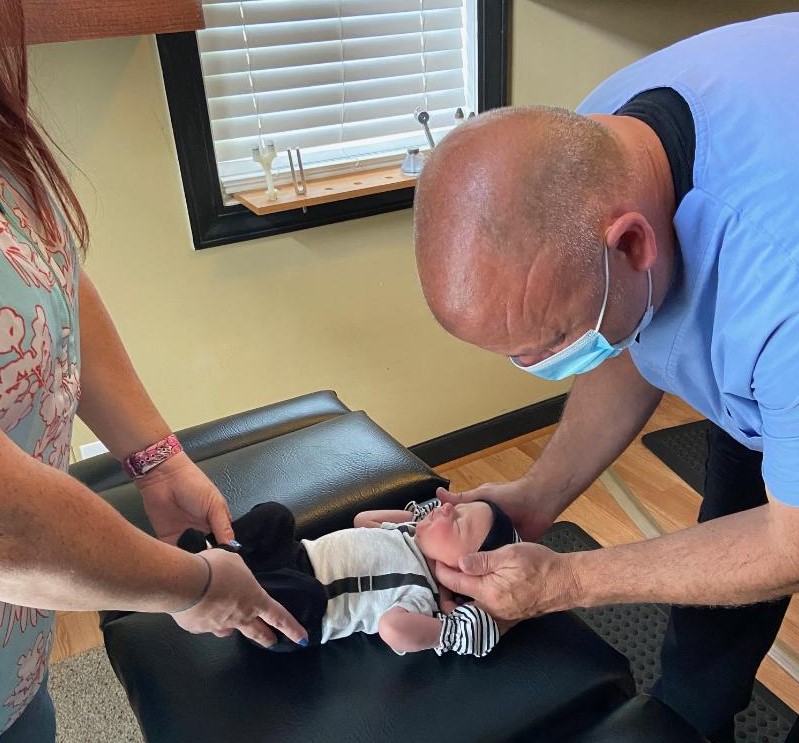
When it comes to managing pain, chiropractic care offers a variety of effective techniques that are tailored to meet your individual needs. Our primary focus is on restoring your body’s natural balance and promoting healing without the use of medications or surgeries.
One of the most well-known techniques we use is manual adjustments. These gentle, precise movements help align your spine and joints, which can significantly improve mobility and reduce discomfort. By correcting misalignments, we not only alleviate pain but also enhance your overall function, allowing your body to heal itself more efficiently.
In addition to adjustments, we incorporate therapeutic exercises into your treatment plan. These exercises are designed to strengthen the muscles supporting your spine, improve your flexibility, and promote better posture. A strong and flexible body is less prone to injuries and pain, making these exercises an essential part of your recovery.
We also take a holistic approach by considering lifestyle factors that impact your health. Simple changes in your daily routine, such as improving your posture while sitting at a desk, staying hydrated, and maintaining a balanced diet, can greatly support your healing process. For instance, being mindful of how you sit and stand can help prevent unnecessary strain on your spine.
So how do these methods work together to provide relief? By addressing both the symptoms and the underlying causes of pain, chiropractic care promotes a comprehensive healing environment. The combination of spinal adjustments, therapeutic exercises, and lifestyle modifications creates a synergistic effect that not only alleviates pain but also empowers you to live a healthier life.
In summary, chiropractic care is a natural and effective choice for achieving optimal health and pain relief. By focusing on your body’s innate ability to heal itself, we can help you regain control over your well-being. Remember, taking small steps towards better posture, staying active, and nourishing your body can make a significant difference. If you’re looking for a holistic approach to pain management, chiropractic care is here to support you on your journey to wellness.
Key Takeaways
Chiropractors are dedicated to helping you find relief from pain and improve your overall well-being through natural, non-invasive methods. One of the most effective approaches we use is spinal adjustments. By applying controlled pressure to the spine and joints, we can help alleviate discomfort and enhance your mobility, allowing you to enjoy life to the fullest.
In addition to spinal adjustments, we employ various manual techniques like soft tissue therapy and mobilization. These methods focus on your muscles, tendons, and ligaments, helping to reduce pain and improve your body’s function. It’s all about getting to the root of the problem and ensuring your body can move freely and comfortably.
To support your healing journey, we also create personalized therapeutic exercise programs tailored to your needs. These exercises help strengthen your muscles and increase flexibility, which are essential for preventing future pain and promoting long-term wellness.
We understand that pain can sometimes be accompanied by muscle spasms or circulation issues. That’s why we use helpful techniques like electrical stimulation and heat/cold therapy to manage pain, reduce spasms, and improve blood flow during your treatment sessions.
Another crucial aspect of chiropractic care is posture correction and ergonomic assessments. By identifying the sources of your discomfort, we can guide you in making adjustments that promote better body alignment. This not only alleviates pain but also contributes to your overall health improvement.
Remember, taking care of your body is key to maintaining optimal health. Simple practices like staying active, maintaining good posture, and listening to your body’s signals can go a long way in preventing pain. If you’re looking for a natural and effective path to wellness, chiropractic care is here to support you every step of the way.
Understanding Chiropractic Care
Chiropractic care is a natural and hands-on approach designed to help you with musculoskeletal issues, especially when it comes to your spine. As your local chiropractor, my goal is to support your journey towards optimal health and wellness.
We start by assessing your posture, range of motion, and overall health to identify any misalignments or areas of dysfunction. By taking a close look at your medical history and performing a thorough physical exam, we can uncover the root causes of your pain.
One of the core principles of chiropractic care is that your body has an incredible ability to heal itself. We focus on encouraging this natural recovery process without relying on medications. Instead, I’ll work with you to educate you about simple lifestyle changes, exercises, and ergonomic adjustments that can enhance your wellbeing.
For instance, incorporating stretches into your daily routine can help improve your flexibility and reduce tension. In addition to hands-on adjustments, I may also use gentle therapies like heat or cold applications to help ease pain and inflammation. These methods can be very effective in providing relief and are completely natural.
The ultimate goal of chiropractic care is to restore balance and proper function within your body. This not only helps you manage pain effectively but also improves your overall quality of life. By taking a holistic approach, you’ll gain the tools and knowledge to take charge of your health and wellbeing.
Here are a few general tips to incorporate into your daily life for better spinal health:
- Practice Good Posture: Be mindful of your posture while sitting, standing, or lifting. Keeping your spine aligned can prevent unnecessary strain.
- Stay Active: Regular physical activity helps keep your muscles strong and your spine healthy. Consider walking, stretching, or engaging in low-impact exercises.
- Listen to Your Body: If you experience discomfort, don’t ignore it. Early intervention can prevent larger issues down the line.
- Stay Hydrated: Drinking plenty of water supports overall health and helps maintain healthy spinal discs.
Manual Manipulation Techniques
When it comes to tackling pain and achieving a balanced, healthy body, manual manipulation techniques are a cornerstone of chiropractic care. These hands-on methods focus on realigning your spine and joints, which can’t only alleviate discomfort but also enhance your overall well-being.
You may encounter a variety of techniques in your chiropractic sessions, such as spinal adjustments. These adjustments involve applying controlled pressure to specific areas, helping to reduce pain, boost mobility, and foster natural healing.
Additionally, your chiropractor may utilize mobilization techniques, which gently move your joints through their full range of motion. This approach not only improves flexibility but also helps to release tension built up in your muscles and joints. Many patients experience immediate relief from these adjustments, and they also contribute to long-term wellness.
As you explore chiropractic care, here are some general tips to consider for maintaining your health at home:
- Stay Active: Regular, gentle exercise can help keep your body flexible and strong. Consider activities like walking, swimming, or yoga.
- Practice Good Posture: Being mindful of your posture, especially when sitting for long periods, can significantly reduce strain on your spine.
- Stay Hydrated: Drinking plenty of water can support your joints and overall health.
- Stretch Regularly: Incorporating stretching into your daily routine can enhance your flexibility and reduce muscle tension.
- Listen to Your Body: Pay attention to how your body feels and communicate any discomfort to your chiropractor.
Soft Tissue Therapy
Soft tissue therapy is an essential part of chiropractic care that focuses on the muscles, tendons, and ligaments to relieve pain and improve function. Unlike other treatments, chiropractic care uses natural, hands-on techniques that not only address discomfort but also promote overall wellness.
By integrating soft tissue therapy with spinal adjustments, we can enhance your body’s ability to heal itself and restore balance.
Many people experience tightness or pain in their muscles and connective tissues, which can stem from poor posture, stress, or repetitive movements. These manual techniques can provide significant relief and can be tailored to your unique needs.
When combined with chiropractic adjustments, soft tissue therapy can help reduce tension, improve circulation, and enhance mobility, leading to a more vibrant and active lifestyle.
Here are some tips to keep in mind for better spinal health and well-being:
- Stay Active: Regular movement is crucial. Incorporate stretching and light exercises into your daily routine to keep your muscles and joints flexible and strong.
- Mind Your Posture: Be aware of your posture, especially when sitting for long periods. Proper alignment helps prevent strain on your muscles and ligaments.
- Hydrate: Drinking plenty of water supports muscle health and overall bodily functions. Dehydration can lead to muscle cramps and tension.
- Listen to Your Body: If you feel tightness or discomfort, don’t ignore it. Consult with your chiropractor to address these issues before they escalate into bigger problems.
- Incorporate Relaxation Techniques: Activities like yoga, meditation, or deep-breathing exercises can help reduce stress and tension in your muscles.
By choosing chiropractic care, you’re opting for a holistic approach to health that promotes natural healing and wellness.
Soft tissue therapy, when integrated into your chiropractic treatment, can be a powerful tool in achieving and maintaining optimal health.
Let’s work together to enhance your well-being and keep you moving freely!
Manual Techniques Overview
Manual techniques, especially soft tissue therapy, are invaluable for alleviating pain and improving mobility. These hands-on approaches focus on manipulating muscles, tendons, and fascia to release tension and encourage relaxation.
As your chiropractor, I may use various methods such as massage, myofascial release, or trigger point therapy to address specific areas where you feel discomfort. By applying targeted pressure and gentle stretching, we can enhance blood circulation and break down any adhesions in your tissues.
Many patients report feeling increased flexibility and reduced soreness following these sessions. Soft tissue therapy is a fantastic complement to other chiropractic treatments, creating a holistic approach to pain management that emphasizes natural healing.
To get the most out of your therapy, it’s important to communicate any discomfort you may feel during the session. This feedback allows me to adjust my techniques to better suit your needs.
Here are some tips you can incorporate into your daily routine to support your well-being:
- Stay Hydrated: Drinking plenty of water helps keep your muscles and tissues hydrated, which can reduce soreness and improve recovery.
- Practice Good Posture: Maintaining proper posture throughout your daily activities can prevent strain on your muscles and spine.
- Incorporate Gentle Stretching: Simple stretching exercises can enhance flexibility and reduce tension in your muscles, complementing the benefits of your chiropractic care.
- Move Regularly: Avoid long periods of inactivity. Simple movements or short walks throughout the day can keep your body functioning optimally.
Benefits of Soft Tissue
While you may be looking for relief from pain, soft tissue therapy, offered in conjunction with chiropractic care, provides a host of benefits that go beyond just comfort. This technique focuses on the muscles, tendons, and ligaments, helping to promote relaxation and improve circulation. As a result, you’re likely to experience reduced tension and increased flexibility, making your everyday movements easier and more enjoyable.
One of the key advantages of soft tissue therapy is its ability to address muscle imbalances. By doing this, it can help prevent injuries and support your overall physical health, complementing the spinal adjustments that chiropractic care provides. Additionally, this therapy aids in the recovery process, allowing your body to heal more efficiently after physical activity or injury.
Regular sessions of soft tissue therapy, combined with chiropractic adjustments, not only alleviate current discomfort but also contribute to long-term wellness. Many patients find that these treatments help them maintain a healthier lifestyle, enabling them to stay active and engaged in the activities they love.
To enhance your experience with soft tissue therapy and chiropractic care, consider these general tips:
- Stay Hydrated: Drinking plenty of water before and after your sessions can help flush out toxins and support recovery.
- Stretch Regularly: Incorporating gentle stretches into your daily routine can improve flexibility and reduce muscle tension.
- Listen to Your Body: Pay attention to how your body feels after treatments and communicate any concerns with your chiropractor to tailor your care effectively.
- Maintain Regular Appointments: Consistency is key in achieving optimal health, so consider scheduling regular chiropractic and soft tissue therapy sessions.
Incorporating soft tissue therapy into your wellness routine, alongside chiropractic care, can significantly enhance your quality of life, helping you move with greater ease and confidence. Embrace these natural healing methods for a healthier, more vibrant you!
Conditions Treated Effectively
Chiropractic care, especially when combined with soft tissue therapy, is a powerful way to tackle many conditions that can cause discomfort and restrict your movement. If you’re experiencing issues like muscle strains, tendonitis, or chronic pain in your neck, back, or shoulders, chiropractic care can help you find relief.
Soft tissue therapy techniques, such as massage and myofascial release, work wonders by focusing on tight muscles and fascia, promoting healing, and enhancing flexibility. For those dealing with sports injuries, repetitive strain injuries, or tension headaches, integrating soft tissue therapy into your chiropractic treatment can greatly improve your recovery process.
This holistic approach not only reduces pain but also restores function, helping you get back to your daily activities more comfortably.
Here are some simple tips you can incorporate into your routine for better health and wellness:
- Stay Active: Gentle exercises and stretches can keep your muscles flexible and strong, making it easier to recover from injuries.
- Maintain Good Posture: Pay attention to your posture whether sitting or standing to prevent unnecessary strain on your spine.
- Hydrate: Drinking plenty of water helps keep your muscles and tissues healthy, aiding in recovery and overall well-being.
- Listen to Your Body: If you feel discomfort, give yourself a break and consult with a chiropractor to address the issue before it worsens.
With the right chiropractic care, you can reclaim your active lifestyle and enjoy improved health without the need for surgeries or medications. Embrace this natural path to wellness and experience the benefits of chiropractic for yourself!
Therapeutic Exercises
When you’re experiencing pain, integrating therapeutic exercises into your routine can significantly boost your recovery journey. These exercises not only help to strengthen your muscles but also enhance your flexibility and promote overall wellness—making them an essential part of your chiropractic care. Your chiropractor will create a personalized exercise program tailored to your specific needs, addressing the root cause of your pain.
Here’s a straightforward overview of some common therapeutic exercises you can consider:
| Exercise Type | Purpose | Example |
|---|---|---|
| Stretching | Increase flexibility | Hamstring stretch |
| Strengthening | Build muscle support | Resistance band curls |
| Core Stability | Enhance balance and stability | Plank holds |
| Mobility Drills | Improve range of motion | Arm circles |
Tips for Incorporating Therapeutic Exercises:
- Start Slow: If you’re new to exercising, begin with gentle stretches and gradually increase the intensity as your body allows.
- Consistency is Key: Make it a habit to perform your exercises regularly, as consistency will lead to the best results.
- Listen to Your Body: Pay attention to how your body feels during and after exercises. If something doesn’t feel right, consult your chiropractor for guidance.
- Stay Hydrated: Drinking plenty of water helps keep your muscles and joints lubricated, which is important for optimal performance.
- Focus on Form: Proper technique is crucial in preventing injuries and ensuring you get the most benefit from each exercise.
Lifestyle and Nutritional Counseling
To achieve lasting relief from pain, it’s important to consider not only physical treatments but also how your lifestyle and nutrition play a role in your overall health. As a chiropractor, I emphasize the importance of lifestyle and nutritional counseling tailored specifically to your needs. By examining your daily habits, we can uncover factors that may be contributing to your discomfort.
One key element is understanding the significance of balanced nutrition. Incorporating anti-inflammatory foods such as colorful fruits, fresh vegetables, and healthy fats can significantly support your body’s healing processes. These foods not only nourish you but also help to reduce inflammation, which is often a source of pain.
In addition to nutrition, managing stress is crucial. Activities like mindfulness practices or engaging in regular physical activity can greatly alleviate pain and enhance your overall well-being.
Remember, staying active and keeping a healthy weight are vital components of a pain-free life.
I can help you make practical adjustments to your daily routine, making it easier for you to embrace healthier habits that promote wellness. By focusing on lifestyle and nutrition, you’ll take important steps toward managing your pain naturally and effectively.
Trust chiropractic care to guide you on this journey to optimal health and pain relief. Together, we can empower you to live a healthier, more vibrant life.
Electrical Stimulation
As a local chiropractor, I want to share with you how electrical stimulation therapy can be a valuable resource in managing pain, particularly in conjunction with chiropractic care.
While there are various types of electrical stimulation methods available, each offers its unique benefits for relief and recovery. Understanding how these therapies work can empower you in your journey toward natural healing and optimal health.
However, it’s important to remember that chiropractic care is often the best choice for addressing the root causes of discomfort and promoting overall wellness.
Incorporating electrical stimulation into your treatment plan can enhance the effectiveness of your chiropractic adjustments by helping to relax muscles and reduce inflammation. This can lead to quicker relief and improved recovery, allowing you to enjoy a more active lifestyle.
Here are a few general tips you can take away:
- Stay Active: Regular movement can help prevent stiffness and promote healing. Your chiropractor can guide you on safe exercises that suit your condition.
- Practice Good Posture: Maintaining proper alignment can reduce strain on your muscles and spine, leading to less pain over time.
- Listen to Your Body: Pay attention to how you feel after treatments. Open communication with your chiropractor can help tailor your care to your needs.
- Consider a Holistic Approach: Along with electrical stimulation and chiropractic adjustments, think about incorporating nutritional support and stress management techniques into your routine for a comprehensive approach to wellness.
Types of Electrical Stimulation
As a local chiropractor, I’m excited to share how various types of electrical stimulation can be powerful tools in alleviating pain and promoting healing naturally.
One popular method we use is Transcutaneous Electrical Nerve Stimulation (TENS). This technique sends gentle, low-voltage electrical currents through the skin to stimulate nerves, helping to reduce pain sensations without the need for medications.
Another effective approach is interferential current (IFC) stimulation. By using two different frequencies, this method can penetrate deeper into the tissues, providing relief from muscle spasms and inflammation. It’s a great option for those experiencing discomfort in their muscles and joints.
We also utilize neuromuscular electrical stimulation (NMES), which focuses on targeting muscle contractions. This not only helps strengthen muscles but also improves mobility, making it particularly beneficial for those recovering from injuries or looking to enhance their physical performance.
Lastly, microcurrent therapy is another gentle option we offer. It uses very low electrical currents to support cellular repair and reduce pain, promoting faster healing.
Each of these electrical stimulation methods has unique benefits, and as your chiropractor, I’ll design a treatment plan tailored to your specific condition and needs. Trust in our expertise to find the best approach for your natural pain management.
In addition to these therapies, here are some simple tips for maintaining your wellness at home:
- Stay active with gentle exercises that suit your body.
- Maintain good posture, especially during long hours of sitting.
- Stay hydrated and eat a balanced diet to support overall health.
- Incorporate relaxation techniques like deep breathing or yoga to manage stress.
Benefits for Pain Relief
When you consider the benefits of electrical stimulation for pain relief, it’s important to understand how this technique can complement your chiropractic care and enhance your overall healing journey.
Electrical stimulation can effectively reduce muscle spasms, which often lead to discomfort and restricted movement. By alleviating these spasms, you can experience greater comfort as you work towards optimal health.
Additionally, this therapy improves circulation, a crucial aspect of healing. Better blood flow means that essential nutrients and oxygen are delivered more efficiently to the areas in need, helping to speed up recovery.
Furthermore, electrical stimulation can stimulate the release of endorphins—the body’s natural painkillers—making you feel more relaxed and less anxious in the process.
One of the great things about electrical stimulation is that it’s non-invasive and can be tailored to your individual needs, making it a safe and effective complement to your chiropractic treatments.
It’s a fantastic option for those looking to manage pain without relying on medications or surgeries.
As a part of your healing journey, remember that maintaining proper spinal health is key. Regular chiropractic adjustments can help align your spine, improve nerve function, and enhance your overall well-being.
Additionally, consider incorporating gentle stretches and exercises into your daily routine to keep your muscles engaged and promote flexibility.
In summary, electrical stimulation is a valuable tool that, when paired with chiropractic care, can help alleviate pain and support your path to wellness.
Heat and Cold Therapy
Heat and cold therapy are valuable methods for managing pain, especially when combined with chiropractic care. These techniques can help reduce inflammation, enhance circulation, and promote natural healing in your body.
| Heat Therapy | Cold Therapy |
|---|---|
| Relaxes tight muscles | Numbs sharp pain |
| Increases blood flow | Reduces swelling |
| Soothes stiffness | Minimizes tissue damage |
For those dealing with muscle tension, heat therapy can be applied using heating pads or warm towels. This not only feels soothing but also helps to relax the muscles and improve blood circulation. On the other hand, if you’re experiencing inflammation or sharp pain, cold therapy can be your best friend. Using ice packs or cold compresses helps to numb pain and reduce swelling effectively.
When using these therapies, remember to apply them for about 15–20 minutes at a time. It’s important to always have a barrier, like a cloth, between your skin and the heat or cold source to prevent any damage.
Integrating heat and cold therapy with regular chiropractic adjustments can significantly enhance your pain relief strategy. Chiropractic care focuses on aligning your spine and improving your overall health, making it a natural choice for those seeking wellness without medications or surgery.
Consider these tips:
- Use heat therapy before engaging in physical activity to warm up your muscles.
- Apply cold therapy after workouts or strenuous activity to aid recovery.
- Listen to your body; if something feels uncomfortable, adjust your approach.
Posture Correction
Good posture isn’t just about looking confident; it’s vital for preventing pain and enhancing your overall health. As a chiropractor, I believe that proper alignment of your spine plays a crucial role in your well-being.
By correcting your posture, you can experience significant improvements in your daily life, from reduced discomfort to increased energy levels.
Here are some simple yet effective techniques to help you maintain good posture throughout the day:
1. Mind Your Sitting Position: When sitting, make sure your back is straight and your shoulders are relaxed. Your feet should be flat on the floor, and your knees should be at a 90-degree angle.
Consider using a lumbar support pillow to help maintain the natural curve of your spine.
2. Stand Tall: When standing, distribute your weight evenly on both feet. Keep your shoulders back and relaxed, and engage your core muscles.
Imagine a string pulling you up from the top of your head, encouraging you to stand tall.
3. Take Breaks: If you work at a desk or spend long periods in one position, make it a habit to take short breaks. Stand up, stretch, and move around every 30 minutes to keep your muscles engaged and reduce tension.
4. Strengthen Your Core: A strong core is essential for maintaining good posture. Incorporate exercises like planks and bridges into your routine to build strength in your abdominal and back muscles.
5. Chiropractic Care: Regular visits to a chiropractor can help you achieve and maintain optimal alignment. Chiropractic adjustments can relieve tension, improve your posture, and enhance your overall health naturally.
By focusing on these tips and incorporating chiropractic care into your wellness routine, you can enjoy the benefits of better posture, leading to a healthier and pain-free life.
Importance of Good Posture
How often do you consider your posture throughout the day? You might be surprised to learn just how crucial good posture is for your overall health and well-being. As a chiropractor, I see firsthand how maintaining proper alignment can make a significant difference in your life.
Here are some key reasons why good posture matters and how chiropractic care can support you in achieving it:
- Reduces strain on your muscles and ligaments. When your spine is aligned, it alleviates unnecessary pressure on your body, helping to prevent discomfort and pain.
- Enhances breathing by allowing your lungs to expand fully. Good posture opens up your chest and diaphragm, promoting better airflow and oxygen intake, which is essential for energy and vitality.
- Boosts energy levels by improving circulation. When your body is properly aligned, blood flows more freely, providing you with the energy you need to tackle your day.
- Improves mood and confidence by promoting a positive body image. Standing tall not only makes you feel better physically but can also enhance your mental well-being, helping you feel more self-assured.
To support good posture, consider these simple tips:
- Be mindful of your posture: Regularly check in with yourself during the day. Sit up straight, keep your shoulders back, and align your ears over your shoulders.
- Strengthen your core: Incorporate exercises that target your abdominal muscles, as a strong core supports your spine and helps maintain proper alignment.
- Take breaks: If you sit for long periods, stand up, stretch, and move around every hour to prevent stiffness and promote circulation.
- Visit your chiropractor: Regular chiropractic adjustments can help keep your spine in alignment and address any issues that may arise from poor posture.
By prioritizing your posture and seeking the benefits of chiropractic care, you can take significant steps toward achieving optimal health and wellness.
Techniques for Posture Correction
Maintaining proper posture is just the first step toward achieving optimal health. Actively working to correct your posture can lead to significant benefits for your overall well-being. As a chiropractor, I often use spinal adjustments to help realign your spine, which not only reduces tension but also promotes a more upright stance. Realignment plays a crucial role in relieving discomfort and enhancing your daily life.
In addition to spinal adjustments, I incorporate exercises that strengthen your core and back muscles. These exercises provide the essential support needed for maintaining good posture. Simple routines like planks or bird-dogs can effectively build strength in these key areas, making it easier to sit and stand tall throughout your day.
Stretching is another vital component of posture correction. Incorporating gentle stretches can help alleviate tightness in muscles that contribute to poor posture. For instance, stretching your chest and shoulders can counteract the effects of sitting at a desk for long periods.
Moreover, I often advise patients to consider ergonomic adjustments in their workspace. Small changes, like using a chair with proper lumbar support or positioning your computer screen at eye level, can significantly encourage healthy posture habits.
Remember, consistency is crucial. Practicing these techniques daily will help reinforce your body’s natural alignment and enhance your overall health.
Benefits of Correct Alignment
When your spine is correctly aligned, the benefits go far beyond just relieving pain. Chiropractic care plays a vital role in achieving proper alignment, and here are some ways it can enhance your overall well-being:
- Improved Posture: With regular chiropractic adjustments, you’ll notice that you stand taller and feel more confident in your daily activities. This can significantly boost your self-esteem and how you carry yourself.
- Increased Energy: When your spine is aligned, there’s less strain on your muscles and joints, allowing your body to work more efficiently. You might feel a surge of energy that helps you tackle your day with enthusiasm.
- Better Digestion: A healthy spine supports optimal organ function, including your digestive system. Regular chiropractic care can help ensure that your body is functioning at its best, making it easier for you to digest food comfortably.
- Enhanced Mobility: With a properly aligned spine, you’ll likely experience greater flexibility and ease of movement. This means you can enjoy your favorite activities—be it sports, dancing, or simply playing with your kids—without discomfort.
These benefits work together to create a healthier lifestyle, allowing you to engage in activities you love more freely. By prioritizing chiropractic care and focusing on spinal alignment, you’re making a smart investment in your long-term health and happiness.
Tips for Maintaining Good Spinal Health:
- Stay active: Regular exercise can help keep your spine strong and flexible.
- Practice good posture: Be mindful of your posture when sitting, standing, or lifting to prevent strain.
- Stretch regularly: Incorporating gentle stretches into your routine can improve flexibility and reduce tension.
- Stay hydrated: Drinking plenty of water supports overall health and helps maintain the health of your spinal discs.
Ergonomic Assessments
Ergonomic assessments are a vital tool in promoting a healthier workplace and alleviating pain caused by poor setup. As your local chiropractor, I want to emphasize the importance of creating an environment that supports your body while you work.
During an ergonomic assessment, we’ll evaluate your workspace, tools, and posture to identify potential issues that could lead to discomfort or injury. This includes looking at the height of your chair, the position of your desk, and how you interact with your computer.
By making simple adjustments based on our analysis, you can significantly improve your body’s alignment and reduce strain. For example, using an adjustable chair that supports your lower back or repositioning your monitor to eye level can greatly enhance your comfort while working.
The aim is to set up a workspace that allows you to work efficiently while prioritizing your health. Incorporating ergonomic principles into your daily routine isn’t just about immediate comfort; it’s also a proactive approach to preventing long-term pain and enhancing your overall productivity.
Remember, your spine plays a crucial role in your health, and maintaining its alignment is key to feeling your best. If you’re feeling discomfort, I encourage you to schedule an ergonomic assessment with me.
Together, we can take the first step toward creating a healthier workspace that fosters natural healing and supports your well-being. Let’s work together to ensure that your work environment promotes not just productivity, but also a pain-free lifestyle.
Collaborative Care Approaches
Collaborative care approaches in healthcare can greatly enhance your journey toward optimal health and wellness, especially when it comes to chiropractic care. By bringing together various healthcare professionals, we can create a personalized treatment plan that truly meets your unique needs. This teamwork not only enriches your recovery but also combines different expertise to offer a well-rounded path to healing.
Here’s how this collaborative approach typically works in the context of chiropractic care:
- Thorough Assessment: As your chiropractor, I’ll carefully evaluate your condition and work alongside other specialists to gain a complete understanding of your health. This ensures that we address all aspects of your wellness.
- Personalized Treatment Planning: Together with other healthcare professionals, we’ll develop a customized treatment plan designed just for you. This plan might include chiropractic adjustments, physical therapy, and lifestyle changes such as nutritional advice that support your overall health.
- Ongoing Communication: Regular check-ins among involved professionals will keep everyone informed about your progress. This communication allows us to make any necessary adjustments to your treatment and ensures we’re all working toward your best outcome.
- Holistic Care: Our collaborative approach focuses on addressing multiple aspects of your health—physical, emotional, and mental well-being. By taking this holistic view, we can promote overall wellness and help you achieve a balanced, healthy lifestyle.
Tips for You:
- Stay engaged in your treatment by asking questions and providing feedback during your appointments.
- Incorporate healthy habits into your daily routine, such as regular exercise, proper hydration, and a balanced diet.
- Consider mindfulness practices like meditation or yoga, which can complement your chiropractic care and support your emotional health.
Remember, chiropractic care is a powerful tool for pain relief and natural wellness. By choosing this path, you’re taking a significant step toward achieving optimal health—without the need for surgeries or medications.
Embrace the benefits of collaborative care and let’s work together to help you feel your best!
Conclusion
Chiropractors provide a variety of effective methods for managing pain that focus on natural healing and overall wellness. While spinal adjustments are a key component of chiropractic care, our approach goes much deeper. We use manual techniques to realign the body, soft tissue therapy to relieve muscle tension, and therapeutic exercises to strengthen and support your body.
In addition, we offer lifestyle counseling to help you make choices that promote better health. Incorporating heat and cold therapy can also be beneficial for easing discomfort, while posture correction and ergonomic assessments can prevent future pain.
Remember, the goal of chiropractic care is not just to relieve pain but to enhance your overall well-being. By working collaboratively with your chiropractor, you can create a personalized treatment plan that addresses the root causes of your pain, leading to lasting relief and a healthier life.
Here are some simple tips you can apply in your daily routine to support your recovery and wellness:
- Stay Active: Engage in regular physical activity that suits your lifestyle. Even a daily walk can do wonders for your body.
- Practice Good Posture: Be mindful of your posture, especially when sitting for long periods. Adjust your workspace to promote better alignment.
- Listen to Your Body: If you feel discomfort, don’t ignore it. Addressing issues early can prevent them from becoming bigger problems.
- Incorporate Stretching: Simple stretches can help relieve tension in your muscles and improve flexibility.
- Stay Hydrated: Drinking enough water is crucial for maintaining healthy muscles and joints.
By choosing chiropractic care, you’re taking a proactive step toward achieving optimal health and wellness, naturally. Remember, your chiropractor is here to guide you on this journey to a pain-free life.