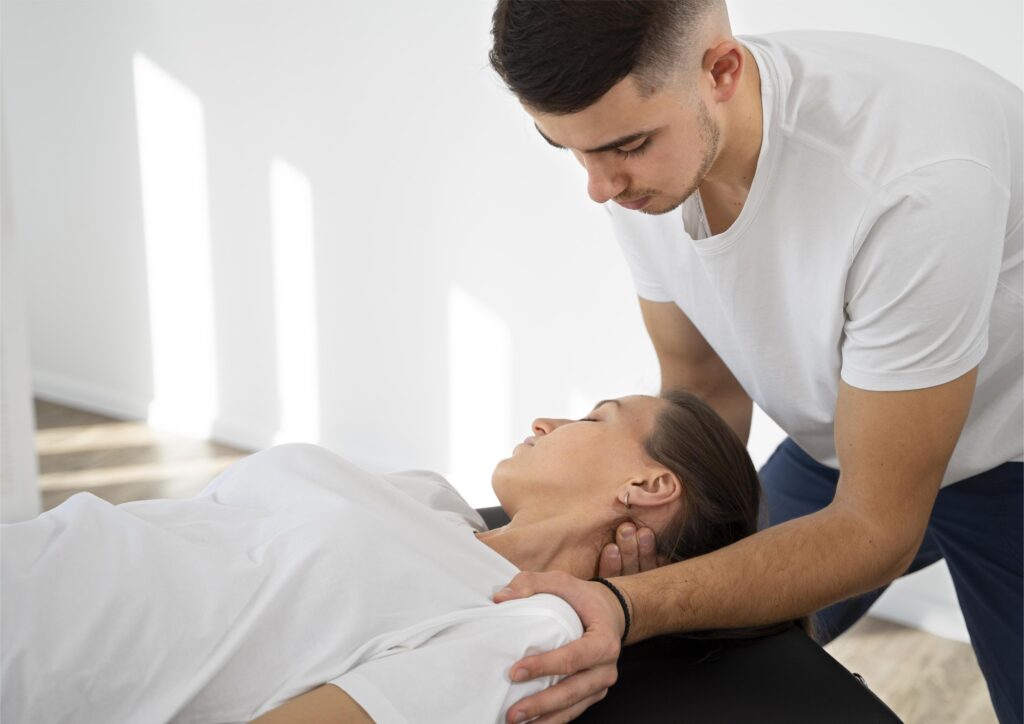
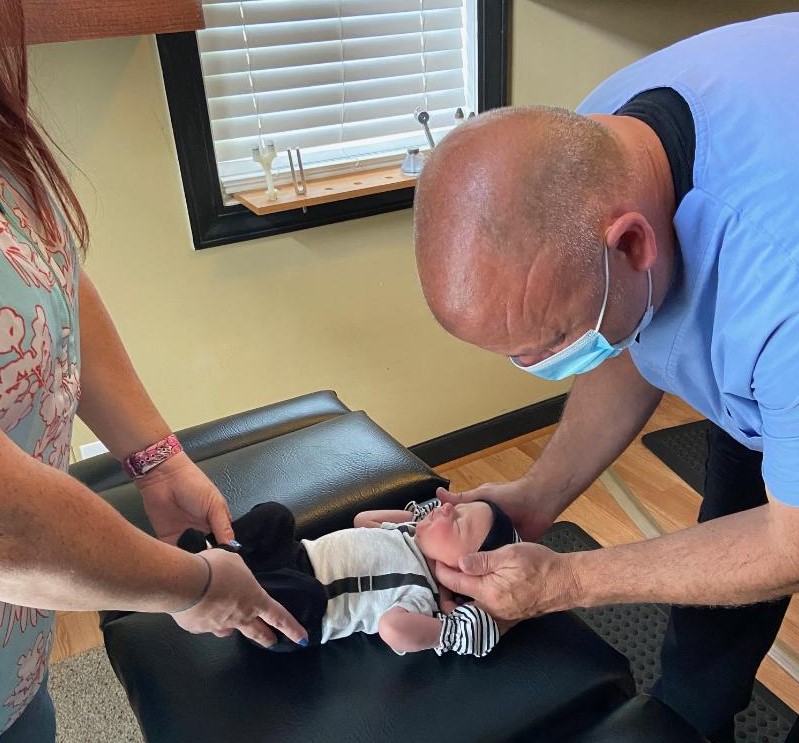
When it comes to your health, taking a proactive approach can make all the difference. Implementing preventative care measures not only helps you avoid chronic diseases but also enhances your overall well-being. From regular health screenings to making informed lifestyle choices, you have the power to shape your health trajectory. But what specific steps should you take, and how can you effectively integrate them into your daily routine? Understanding these elements is vital for achieving lasting wellness. Let's explore the essentials that could redefine your approach to health.
Importance of Preventative Care
Preventative care is essential for maintaining your overall health and well-being. By actively engaging in preventative measures, you can greatly reduce your risk of developing chronic diseases and other health issues. This proactive approach isn't just about treating illnesses when they arise; it's about taking steps to prevent them before they start.
One key aspect of preventative care is the focus on lifestyle choices. You have the power to influence your health through diet, exercise, and stress management. By making informed decisions about what you eat, how much you move, and how you handle stress, you can create a solid foundation for good health.
Regular physical activity not only helps you maintain a healthy weight, but it also boosts your mood and energy levels. Similarly, a balanced diet rich in fruits, vegetables, whole grains, and lean proteins can lower your risk of various health conditions.
Another vital element of preventative care is vaccination. Immunizations protect you from harmful diseases and contribute to the overall health of your community. Staying up-to-date on vaccinations is a simple yet effective way to safeguard yourself and those around you.
Additionally, being aware of your mental health is just as important as your physical health. Practicing mindfulness and seeking support when needed can enhance your overall well-being.
Ultimately, by prioritizing preventative care, you empower yourself to lead a healthier, happier life, and you set a positive example for those around you.
Regular Health Screenings
Regular health screenings play an important role in catching potential health issues before they escalate. By undergoing regular check-ups, you can identify problems such as high blood pressure, cholesterol levels, or even early signs of diabetes, which might otherwise go unnoticed. These screenings give you the opportunity to address health concerns proactively, making certain you stay on top of your wellness.
It's important to know what screenings you need based on your age, gender, and family history. For example, women may require mammograms and Pap tests, while men might need prostate exams. Regular blood tests can also help monitor your overall health, revealing issues like anemia or liver function problems.
Don't wait until you feel unwell to schedule your screenings. Many conditions don't show symptoms until they become serious. By keeping up with recommendations from your healthcare provider, you'll not only catch issues early but also create a baseline for your health that can be useful in future evaluations.
Communicating openly with your doctor about your health history and any concerns can guarantee you receive the most relevant screenings for your situation. Remember, preventative care is a partnership between you and your healthcare provider.
Make it a priority to stay informed and engaged in your health journey. Regular health screenings can save you from more invasive treatments down the line, helping you maintain a healthier, happier life. So, don't overlook this important aspect of your wellness routine!
Vaccinations and Immunizations
Vaccinations and immunizations are vital tools in protecting your health and the health of those around you. By getting vaccinated, you not only strengthen your own immunity but also contribute to the broader goal of community health. This is known as herd immunity, which helps protect individuals who can't be vaccinated, such as infants or those with certain medical conditions.
You should stay informed about the recommended vaccinations for your age, lifestyle, and health conditions. For children, vaccinations like MMR (measles, mumps, rubella) and DTaP (diphtheria, tetanus, pertussis) are fundamental during early development.
For adults, vaccines such as the flu shot, Tdap booster, and shingles vaccine play a significant role in preventing serious diseases. It's important to follow the vaccination schedule recommended by healthcare providers. This schedule is designed to guarantee that you receive vaccines at the most effective times.
If you're unsure about your vaccination status, don't hesitate to consult your healthcare professional. They can help you catch up on any missed vaccines or recommend additional ones based on factors like travel plans or occupational risks.
Keep in mind that vaccinations can have side effects, but these are generally mild compared to the illnesses they prevent. Staying up to date with your vaccinations not only protects you but also contributes to the overall health of your community.
Don't underestimate the power of vaccinations; they're a vital step in your preventative care journey.
Healthy Lifestyle Choices
Maintaining your health goes beyond just vaccinations; it also involves making healthy lifestyle choices. Incorporating these choices into your daily routine can notably boost your overall well-being and help prevent various health issues.
Here are three key areas to focus on:
1. Nutrition: Eating a balanced diet is essential. Fill your plate with fruits, vegetables, whole grains, lean proteins, and healthy fats. This not only provides important nutrients but also supports a healthy weight.
Avoid processed foods and excessive sugar.
2. Physical Activity: Regular exercise is imperative for maintaining a healthy body and mind. Aim for at least 150 minutes of moderate aerobic activity each week, along with strength training exercises twice a week.
Whether it's walking, cycling, or dancing, find an activity you enjoy and stick with it.
3. Sleep: Don't underestimate the power of a good night's sleep. Aim for 7-9 hours of quality sleep each night.
Good sleep hygiene, such as maintaining a consistent sleep schedule and creating a restful environment, can enhance your mood and cognitive function.
Stress Management Techniques
Stress is a common part of life that can impact your health and well-being if left unmanaged. To keep stress in check, it's important to adopt effective stress management techniques. One of the simplest methods is practicing mindfulness. By taking just a few minutes each day to focus on your breathing and being present, you can reduce anxiety and improve your overall mood.
Another effective technique is exercise. Engaging in physical activity releases endorphins, which help alleviate stress. Whether it's a brisk walk, a yoga session, or any sport you enjoy, find time to move your body regularly. Aim for at least 30 minutes of moderate exercise most days of the week.
Time management also plays a significant role in reducing stress. Prioritize your tasks, break them into manageable chunks, and set realistic deadlines. This approach not only helps you stay organized but also minimizes the chaos that often leads to stress.
Don't underestimate the power of social support. Talking about your feelings with friends or family can help you process and cope with stress more effectively. Consider joining a support group or engaging in community activities to foster connections.
Finally, don't forget to allocate time for hobbies or relaxation. Whether it's reading, gardening, or listening to music, make sure you carve out moments just for yourself.
Conclusion
Incorporating preventative care into your life is essential for achieving long-term wellness. By prioritizing regular health screenings, staying up-to-date with vaccinations, and making healthy lifestyle choices, you can greatly reduce your risk of chronic diseases. Don't forget the importance of managing stress through mindfulness and strong social connections. Embrace these proactive measures, and you'll be on your way to a healthier, more fulfilling life. Your well-being deserves the attention and care you give it!