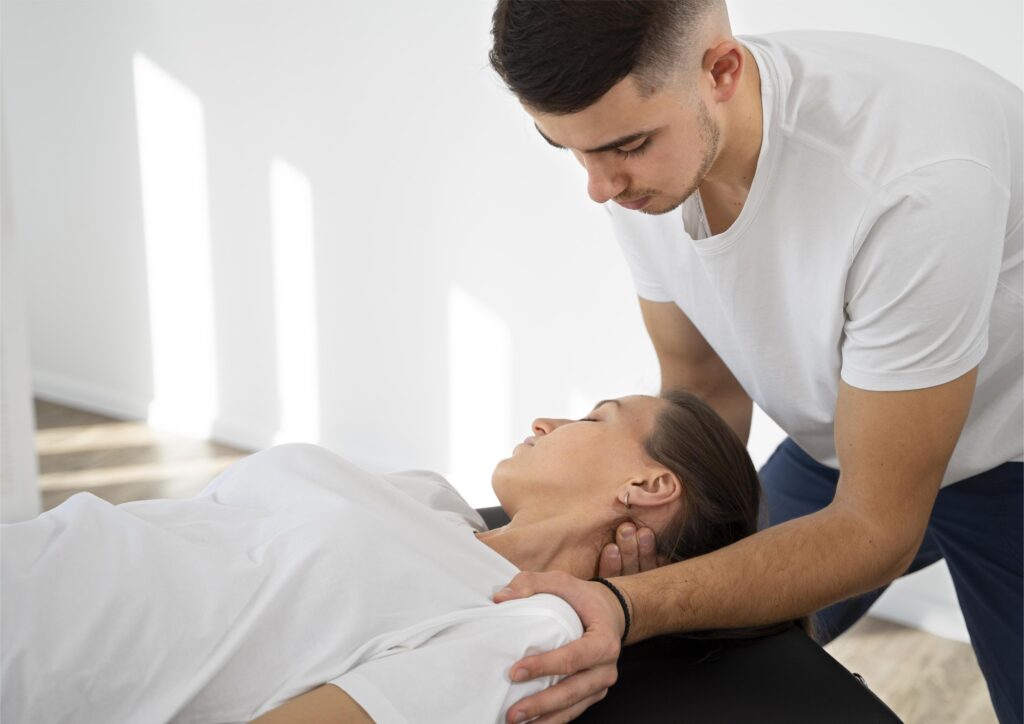
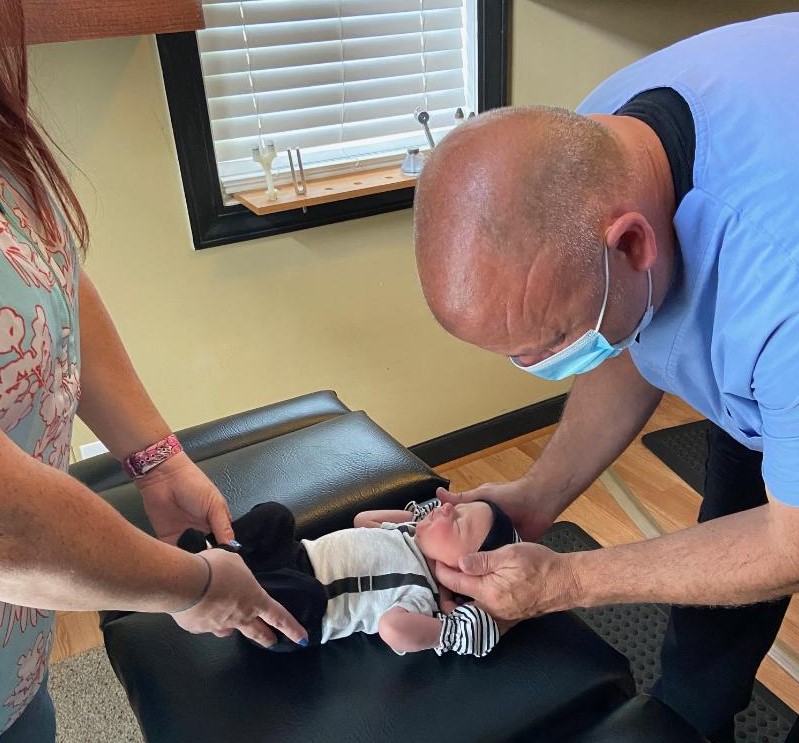
If you’re experiencing neck pain, it can be a real challenge in your daily life. Fortunately, there are effective ways to find relief, and chiropractic care is one of the best options available. As a local chiropractor, I have seen countless patients experience significant improvements through natural techniques that promote healing and wellness.
Gentle stretches and targeted strengthening exercises can do wonders for your neck. These movements help improve flexibility and build strength, which can alleviate discomfort and prevent future issues. Incorporating these exercises into your daily routine is a simple yet powerful way to support your neck health.
In addition to exercises, complementary therapies like massage and heat treatments can offer immediate relief by relaxing tense muscles and increasing blood flow. However, the most impactful choice you can make for your neck pain is to seek chiropractic care. Chiropractors are specifically trained to assess and treat spinal alignment issues, which can be a major contributor to neck pain.
Through gentle adjustments, chiropractors can help restore proper alignment and function to your spine, leading to lasting pain relief and improved overall well-being. Regular chiropractic visits can also help maintain spinal health, making it easier for you to stay active and enjoy life.
To further support your neck health at home, consider these general tips:
- Practice good posture while sitting, standing, and using electronic devices.
- Take regular breaks to stretch and move around, especially if you’re working at a desk.
- Use a supportive pillow that keeps your neck aligned while sleeping.
- Stay hydrated to keep your muscles and joints functioning optimally.
By prioritizing chiropractic care and incorporating these simple strategies, you can pave the way toward a pain-free and healthier lifestyle. Let’s work together to help you achieve your wellness goals!
Key Takeaways
- Gentle stretches and breathing exercises are fantastic ways to alleviate tension in your neck while improving mobility. These simple practices promote relaxation and can help relieve neck pain naturally, making them an excellent addition to your daily routine.
- Strengthening exercises, such as chin tucks and shoulder shrugs, not only enhance your neck stability but also improve your posture. By incorporating these exercises into your lifestyle, you can reduce discomfort and support your overall neck health over time.
- Chiropractic care is a powerful tool for natural pain relief. Through spinal alignment, chiropractors can help improve mobility and provide numerous health benefits, promoting a well-functioning body without the need for medications or invasive procedures.
- Massage therapy is a wonderful complement to chiropractic treatments. It promotes relaxation, reduces muscle tension, and enhances your overall wellness. Together with chiropractic care, it can create a holistic approach to managing neck pain.
- Using heat and cold therapy is an effective way to manage neck pain at home. Alternating between hot and cold applications can help improve mobility and comfort, providing you with relief in between your chiropractic visits.
Remember, your journey to optimal health doesn’t have to involve surgeries or medications. By embracing chiropractic care and adopting these simple practices, you can take control of your neck pain and enhance your overall well-being naturally.
Gentle Stretches for Neck Relief
When neck pain strikes, gentle stretches can be a powerful way to find relief and promote healing. As a chiropractor, I believe in the body’s natural ability to heal, and incorporating these simple stretches into your routine can support that process.
Begin by finding a comfortable position, whether sitting or standing, and ensure your back is straight. Start with a gentle neck stretch: slowly tilt your head to the right, allowing your ear to move toward your shoulder. Hold this stretch for about 15-30 seconds, feeling a soothing pull along the left side of your neck. Then, repeat the same stretch on the left side. This simple movement helps release tension and improves flexibility.
Next, let’s incorporate some gentle rotations. Gently turn your head to the right, looking over your shoulder. Hold this position for the same duration as before, and then switch sides. This rotation not only stretches the muscles but also encourages better spinal alignment.
Another effective technique is the chin tuck. While standing or sitting tall, gently pull your chin straight back, creating a double chin effect. This action strengthens the muscles that support your neck and helps with overall posture, which is essential for preventing pain.
As you perform these stretches, remember to take deep, calming breaths. This not only enhances relaxation but also promotes better oxygen flow to your muscles, aiding in recovery.
Incorporating these gentle stretches into your daily routine can significantly alleviate tension and improve mobility. However, if you’re experiencing persistent neck pain, consider seeking the guidance of a chiropractor. Chiropractic care focuses on natural healing, spinal alignment, and optimizing your overall health, making it an excellent choice for long-term wellness.
Embrace these movements, listen to your body, and know that relief is within reach!
Strengthening Exercises to Support Neck Health
Gentle stretches are a fantastic start to improving neck health, but to truly enhance your well-being, incorporating strengthening exercises is essential. These exercises not only improve stability but can also help alleviate pain, making them a vital part of your routine.
Begin with isometric exercises, which are safe and effective. For instance, press your forehead into your palm without moving your head. This simple action builds neck muscle strength without putting undue strain on your spine.
Next, consider adding chin tucks to your regimen. Pull your chin back while keeping your spine straight, holding for a few seconds before releasing. This movement helps align your neck and fortifies the muscles that support it, promoting better posture.
Shoulder shrugs are another excellent exercise. Raise your shoulders towards your ears, hold for a moment, and then relax. This not only strengthens the shoulder and neck area but also releases tension that can accumulate throughout the day.
Aim for 2-3 sets of 10-15 repetitions for each exercise, and always pay attention to how your body feels. If something doesn’t feel right, it’s important to adjust or stop.
Incorporating these strengthening exercises into your daily routine is a proactive way to support your neck health and enhance mobility.
The Benefits of Massage Therapy
Massage therapy can certainly provide some benefits for neck health and overall well-being, but it’s essential to understand that chiropractic care is often the most effective way to achieve optimal health and long-term relief from neck pain. Chiropractic adjustments target the root cause of pain and discomfort by realigning the spine and improving spinal function, which can lead to better overall health.
While massage therapy can help with muscle tension and relaxation, chiropractic care goes a step further by addressing misalignments in the spine that may contribute to your neck pain. Here are some key benefits of chiropractic care for neck health:
| Benefit | Description |
|---|---|
| Spinal Alignment | Corrects misalignments to reduce pain and discomfort |
| Enhanced Mobility | Improves range of motion and flexibility |
| Natural Pain Relief | Provides a non-invasive solution to pain management |
| Improved Function | Optimizes nervous system function for better health |
| Holistic Wellness | Promotes overall physical wellness and vitality |
Incorporating chiropractic care into your routine can be a game-changer for managing neck pain and enhancing your quality of life. Here are some general tips you can take away for maintaining neck health:
- Posture Awareness: Be mindful of your posture while sitting, standing, or using devices. Proper alignment can prevent strain on your neck.
- Stretch Regularly: Incorporate gentle neck stretches into your daily routine to improve flexibility and reduce tension.
- Stay Active: Engage in regular physical activity to keep your muscles strong and support spinal health.
- Ergonomic Setup: Ensure your workspace is ergonomically designed to minimize strain on your neck.
- Hydrate: Drink plenty of water to keep your muscles and joints hydrated and functioning optimally.
Heat and Cold Therapy Techniques
Applying heat and cold therapy techniques can greatly alleviate neck pain and promote healing, making them valuable tools in your journey towards optimal health.
As a chiropractor, I believe in the power of natural healing. Heat therapy, such as a warm compress or heating pad, can work wonders by increasing blood flow, relaxing tight muscles, and soothing discomfort. Aim to apply heat for about 15-20 minutes—just ensure it’s warm, not hot, to avoid burns.
Cold therapy, on the other hand, is fantastic for reducing inflammation and numbing sharp pain. Ice packs or cold compresses can be effective, and you should use them for 10-15 minutes, giving yourself breaks in between to allow your body to recover.
Feel free to alternate between heat and cold based on what feels best for you. This combination can help manage pain effectively and improve your overall mobility. Always listen to your body and adjust the temperature to what feels comfortable.
In addition to these techniques, consider incorporating regular chiropractic care into your routine. A chiropractor can help address the underlying issues causing your neck pain and offer personalized advice on maintaining a healthy spine.
With consistent use of heat and cold therapy, along with chiropractic adjustments, you might find significant relief from neck pain and enjoy a healthier, more active lifestyle.
Mindfulness and Relaxation Strategies
When you’re experiencing neck pain, incorporating mindfulness and relaxation strategies can significantly enhance your recovery. As a chiropractor, I often recommend these techniques to my patients because they complement the natural healing that chiropractic care provides. By practicing simple breathing exercises and guided visualization, you can alleviate tension in your neck, promote healing, and support your overall wellness.
Breathing exercises are an excellent way to reduce stress and improve circulation to your spine, which is essential for healing. Take a few moments each day to sit comfortably, close your eyes, and take deep, slow breaths. Inhale through your nose, letting your abdomen expand, and exhale gently through your mouth. This practice not only helps to calm your mind but also encourages your body to relax, allowing your muscles to loosen.
Guided visualization is another powerful tool. Picture yourself in a serene environment, perhaps a peaceful beach or a quiet forest. As you visualize this place, imagine the muscles in your neck relaxing and any discomfort melting away. This mental exercise can create a sense of calm and contribute to your healing process.
In addition to these mindfulness techniques, regular chiropractic adjustments play a crucial role in addressing neck pain. By aligning your spine and improving your posture, chiropractic care helps relieve pressure on nerves and reduces pain naturally.
Remember, maintaining a healthy lifestyle can also contribute to neck pain relief. Stay hydrated, engage in regular physical activity, and practice good ergonomics at work and home. These habits will help support your spine and overall health.
If you’re struggling with neck pain, consider integrating mindfulness and relaxation strategies into your routine alongside regular chiropractic visits. Together, they can help you find relief and restore balance to your life. Always prioritize natural healing methods, and take charge of your wellness journey!
Breathing Exercises
One effective way to alleviate neck pain is through breathing exercises that emphasize mindfulness and relaxation, which can complement the benefits of chiropractic care. By focusing on your breath, you can reduce tension in your body and promote an overall sense of well-being.
Begin by finding a comfortable position, either sitting or lying down, to allow your body to relax fully. Inhale deeply through your nose, letting your abdomen rise as you fill your lungs with air. Hold that breath for a moment to increase the oxygen flow to your muscles, then exhale slowly through your mouth, letting go of any tension.
Repeat this process for several minutes, keeping your attention on the natural rhythm of your breath. As you breathe out, visualize your neck muscles loosening and releasing stress with each exhale. If your mind starts to wander, gently redirect your focus back to your breathing.
Incorporating these simple exercises into your daily routine can effectively support your neck health and enhance the benefits of chiropractic adjustments. Remember, maintaining good posture throughout the day, staying hydrated, and taking regular breaks to stretch can also help manage and prevent neck pain.
Guided Visualization Techniques
Guided visualization techniques can be an excellent complement to chiropractic care, providing a holistic approach to reducing neck pain and enhancing overall wellness. By engaging in mental imagery, such as picturing a peaceful beach or a calm forest, you can divert your focus from discomfort and promote relaxation.
As you settle into a comfortable position, close your eyes and take a deep breath. Visualize warmth flowing through your neck and shoulders, alleviating tension and fostering a sense of ease. This practice can be especially beneficial after receiving chiropractic adjustments, as it helps maintain the relaxation and alignment achieved during your visit.
Listening to guided meditations specifically designed for pain relief can enhance this experience, allowing you to stay centered and calm. Regular practice of these visualization techniques, combined with chiropractic care, can improve your body’s ability to manage pain and promote natural healing.
Incorporating these practices into your daily routine can significantly enhance your well-being. Here are a few simple tips to get started:
- Find Your Space: Choose a quiet, comfortable spot where you can relax without distractions.
- Breathe Deeply: Focus on your breath, inhaling deeply and exhaling slowly to help calm your mind and body.
- Visualize Regularly: Dedicate a few minutes each day to visualize a serene scene, allowing your imagination to create a healing mental space.
- Combine with Care: After your chiropractic adjustments, practice guided visualization to reinforce the benefits of your treatment.
Ergonomic Adjustments for Everyday Comfort
Making ergonomic adjustments in your daily life can significantly help alleviate neck pain, and as your local chiropractor, I want to share some simple yet effective strategies to enhance your comfort.
Start by optimizing your desk setup—ensure your chair supports your lower back, and your feet are flat on the floor. Choose a pillow that keeps your neck aligned while you sleep, promoting natural curvature.
Adjusting your screen height is also crucial; your monitor should be at eye level to prevent straining your neck. By implementing these straightforward changes, you’ll not only experience greater comfort but also support better posture throughout the day.
Remember, these adjustments can complement the benefits of chiropractic care, which focuses on natural healing and overall wellness.
Regular chiropractic visits can help align your spine, relieve tension, and enhance your body’s ability to heal itself. Embrace these tips, and consider chiropractic care as a vital step towards achieving optimal health and a pain-free life!
Desk Setup Optimization
Optimizing your desk setup is essential for preventing neck pain and enhancing your overall comfort during those long hours of work. As a chiropractor, I believe that creating a workspace that supports your health is vital for maintaining good spinal alignment and promoting natural healing.
Here are four simple tips to improve your desk ergonomics and help you live a healthier life:
- Monitor Height: Ensure your monitor is positioned at eye level. This keeps your neck in a neutral position, reducing strain and discomfort. When your screen is at the right height, you’re less likely to hunch over, which can lead to spinal issues.
- Chair Support: Choose a chair that provides good lumbar support. A chair that encourages a proper posture is crucial for your spine’s health. When your lower back is supported, you can work more comfortably and focus better on your tasks without the distraction of pain.
- Keyboard and Mouse Placement: Keep your keyboard and mouse close to your body to avoid reaching or straining your shoulders. This simple adjustment helps maintain a relaxed posture, which is important for reducing tension in your neck and shoulders.
- Foot Position: Make sure your feet rest flat on the floor or on a footrest. Proper foot positioning helps maintain alignment throughout your body, which is essential for overall spinal health.
By implementing these adjustments, you can significantly reduce neck strain and enhance your comfort while working.
Remember, chiropractic care is a natural and effective way to address any pain you may experience due to poor ergonomics. With regular chiropractic adjustments, you can achieve optimal health and wellness, ensuring that your body remains in balance and free from discomfort.
Prioritizing your desk setup is a great step towards a healthier lifestyle!
Proper Pillow Selection
Choosing the right pillow is essential for maintaining your neck health and ensuring a good night’s sleep. As a chiropractor, I understand the importance of proper spinal alignment and comfort when it comes to restorative rest.
When selecting a pillow, it’s crucial to consider your sleeping position. For side sleepers, a thicker pillow is ideal. This helps fill the gap between your head and the mattress, promoting spinal alignment and reducing strain on your neck.
If you sleep on your back, aim for a medium-loft pillow that supports the natural curve of your neck, keeping your spine in a healthy position. Stomach sleepers should opt for a softer, thinner pillow to minimize pressure on the neck and spine.
Remember, the material of your pillow plays a significant role in support and comfort. Pillows made from memory foam or latex can offer great adaptability, conforming to the shape of your head and neck while providing the necessary support.
Don’t underestimate the importance of testing different pillow options to find what works best for you. If your pillow no longer supports your neck properly, it’s time for a change. Your comfort is paramount, and a well-chosen pillow can make a substantial difference in your overall wellness.
Incorporating chiropractic care into your routine can further enhance your sleep quality and spinal health. Regular adjustments can help ensure your spine is aligned, reducing discomfort and promoting natural healing.
Prioritizing your sleep environment and overall wellness can lead to a healthier, more vibrant life. Remember, your journey to optimal health starts with the choices you make today!
Screen Height Adjustment
Your workspace can significantly affect your neck health, similar to how your choice of pillow plays a role. Adjusting your screen height correctly is crucial to prevent strain and discomfort while you work. Here’s how to set up your workspace for optimal health and wellness:
- Eye Level: Position your screen so that the top of the monitor is at or just below your eye level. This helps you maintain a neutral head position, avoiding unnecessary tilting that can lead to neck pain.
- Distance: Ensure your screen is about an arm’s length away. This distance not only helps reduce eye strain but also encourages better posture, which is important for spinal health.
- Tilt: Angle your screen slightly back, about 10-20 degrees. This subtle adjustment keeps your neck in a more natural position, reducing the risk of discomfort.
- Chair Height: Adjust your chair so that your feet are flat on the floor. This promotes proper spinal alignment and supports your overall posture.
By making these simple adjustments in your workspace, you can create a more comfortable environment that supports your neck health.
Remember, regular chiropractic care can also be an excellent way to maintain optimal health, alleviate pain, and support your body’s natural ability to heal.
Prioritizing your workspace and incorporating chiropractic care into your wellness routine can lead to lasting relief and improved well-being.
Conclusion
Incorporating these effective techniques into your daily routine can significantly improve your neck pain management. Gentle stretches and targeted strengthening exercises are fantastic for enhancing flexibility and building resilience in your neck muscles. Adding regular chiropractic adjustments can help align your spine and relieve tension, addressing the root causes of your discomfort.
Don’t underestimate the benefits of heat and cold therapy for instant relief. Applying heat can relax tight muscles, while cold packs can reduce inflammation. Mindfulness practices, such as deep breathing or meditation, can also help alleviate stress and tension, promoting a sense of relaxation.
Making ergonomic adjustments in your workspace and daily activities is equally important. Simple changes, like ensuring your computer screen is at eye level and using supportive chairs, can greatly enhance your comfort and support your neck health.
By exploring these holistic methods and prioritizing chiropractic care, you can take control of your well-being and enjoy a pain-free life. Start implementing these strategies today, and empower yourself on the journey to optimal health!