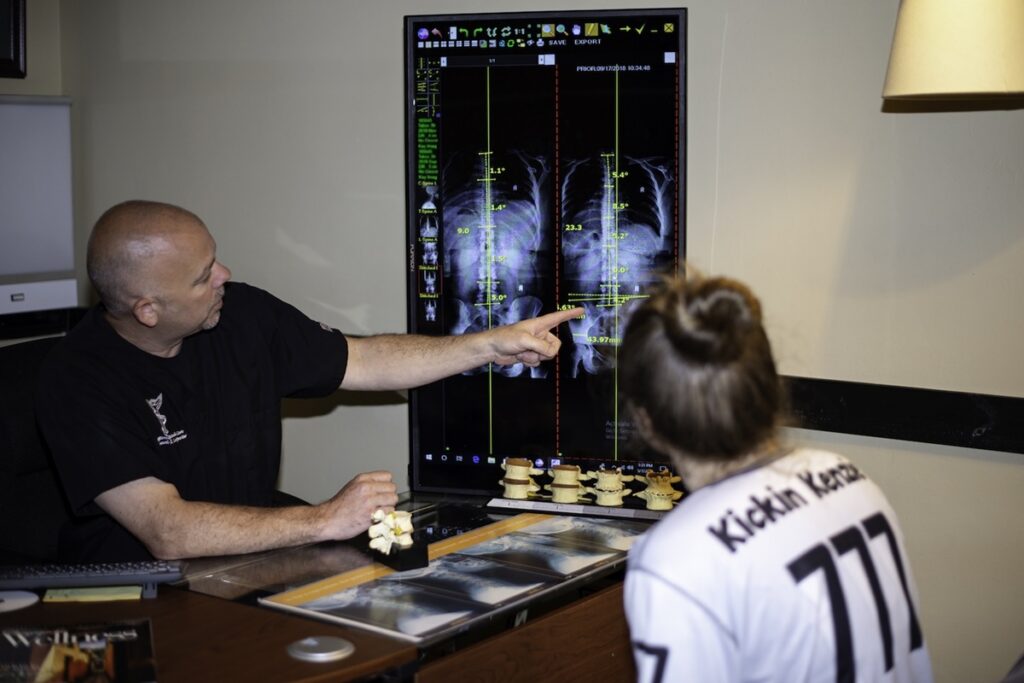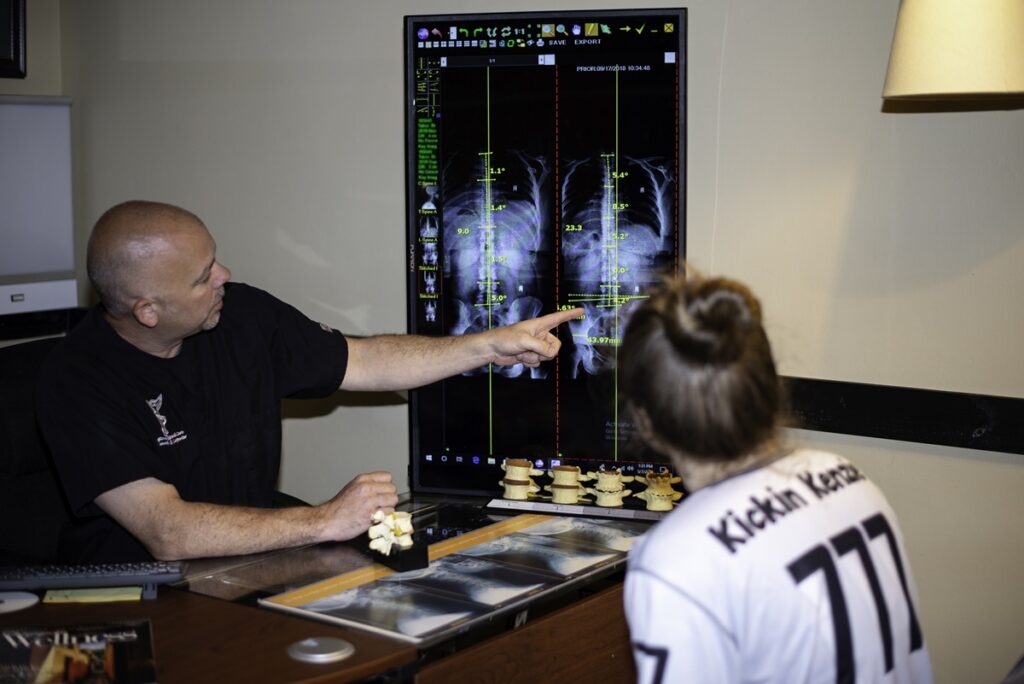
As a local chiropractor, I understand that dealing with lower back pain can be incredibly challenging and disruptive to your daily life. It’s important to recognize that this discomfort often stems from various underlying causes, and there are effective, natural techniques that can help alleviate it.
One of the key aspects of chiropractic care is promoting proper posture, which can significantly reduce strain on your back. Additionally, I often recommend targeted exercises tailored to your individual needs that can strengthen the muscles supporting your spine and encourage healing.
You might be wondering which methods will work best for you—rest assured, there are several practical approaches we can explore together. From gentle adjustments to lifestyle modifications, my goal is to help you find relief and improve your overall well-being. Let’s work together to get you back to feeling your best.
Understanding the Causes of Lower Back Pain
As a local chiropractor, I want to help you understand the various factors that can contribute to lower back pain.
It’s important to recognize that this discomfort can arise from a multitude of causes, ranging from simple muscle strains to more complex underlying health issues. For instance, many people often experience muscle strains due to poor lifting techniques or sudden, awkward movements. These strains are quite common and can lead to significant discomfort.
Moreover, if you find yourself sitting for long periods or not engaging in regular physical activity, your core muscles may weaken over time. This can make your back more vulnerable to pain and injury.
In some cases, conditions such as herniated discs or osteoarthritis can affect your spinal health, leading to chronic pain. It’s also worth noting that stress can have a physical impact on your body, often resulting in muscle tension in the lower back.
I encourage you to pay attention to your daily habits. Observe how you move, how you lift objects, and even how you sleep at night. By being mindful of these factors, you can identify potential triggers for your pain.
Taking proactive steps to address these habits can significantly improve your overall back health.
Understanding the causes of your lower back pain is the first crucial step in finding effective relief through chiropractic care and natural healing methods.
Together, we can work towards alleviating your discomfort and enhancing your well-being.
The Importance of Proper Posture
As a local chiropractor, I want to emphasize the vital importance of maintaining proper posture for your spinal health and to help prevent lower back pain.
When you engage in daily activities—whether sitting, standing, or moving—having the right alignment is crucial. Proper posture reduces the strain on your spine and the surrounding muscles, allowing for better weight distribution and minimizing the risk of injury or discomfort.
Throughout your day, it’s important to be mindful of your body’s positioning. When you’re sitting, ensure your feet are flat on the ground and that your back has adequate support.
If you’re standing, remember to keep your shoulders back and align your head with your spine.
Investing in ergonomic furniture can significantly improve your posture, especially during those long hours at work.
Additionally, when lifting objects, always bend your knees and keep the load close to your body; this technique is key in protecting your lower back.
By incorporating these simple adjustments into your daily routine, you can enhance your posture and establish a strong foundation for lasting spinal health.
If you have any questions or need further guidance, I’m here to help you on your journey to better health through chiropractic care and natural healing.
Stretching Exercises for Immediate Relief
As a local chiropractor, I want to emphasize the importance of maintaining good posture for a healthy spine. However, even with proper posture, many of my patients still experience tension or discomfort in their lower back. Incorporating stretching exercises into your daily routine can offer immediate relief and is a natural way to support your spine’s health.
One of the simplest yet most effective stretches is the knee-to-chest stretch. Here’s how to do it: Lie on your back and gently pull one knee towards your chest. Hold this position for 15 to 30 seconds, then switch legs. This stretch effectively targets your lower back and glutes, helping to alleviate tightness.
Another great stretch is the seated forward bend. Sit with your legs extended in front of you, and reach for your toes. Hold this position for 15 to 30 seconds. This stretch focuses on your hamstrings and lower back muscles, which can often be tight from prolonged sitting.
Don’t overlook the cat-cow stretch while on all fours. This involves alternating between arching your back and rounding it, which not only improves flexibility but also helps to release tension throughout your spine.
I recommend performing these stretches a few times a day, especially after long periods of sitting. You’ll likely find yourself feeling more relaxed, and it can significantly help alleviate discomfort in your lower back.
Strengthening Exercises for Long-Term Support
As a local chiropractor, I want to emphasize the importance of strengthening exercises for maintaining a healthy lower back.
It’s crucial to activate your core muscles and include flexibility work in your routine. This not only helps build a strong foundation for your spine but also enhances your overall stability.
Incorporating resistance training into your regimen can significantly improve your strength, making everyday activities easier and helping to prevent future discomfort.
Core Muscle Activation
As a local chiropractor, I want to share an important aspect of managing lower back pain that often gets overlooked: the activation and strengthening of your core muscles. Many people think that simply stretching is enough, but building a strong core is crucial for long-term relief and overall spinal support.
Your core is more than just your abdominal muscles; it includes the muscles around your pelvis, hips, and lower back as well. When you engage these muscles, you create a stable foundation for your spine, which can significantly reduce discomfort and prevent future issues.
I recommend incorporating exercises such as planks, bridges, and bird-dogs into your routine. These movements are excellent for effectively activating your core. Aim to do them at least three times a week for the best results.
As you strengthen your core, you’ll likely notice improvements in your posture and a reduction in strain on your lower back, leading to better overall stability.
Flexibility and Mobility Work
As a local chiropractor, I want to emphasize the importance of incorporating flexibility and mobility work into your daily routine, especially if you’re dealing with lower back pain. These exercises are crucial for enhancing your range of motion, alleviating stiffness, and promoting better posture, which are all vital components of spinal health.
I recommend starting with gentle stretches, such as the cat-cow or child’s pose, which can be easily integrated into your day. Aim to hold each position for at least 20-30 seconds, and remember to focus on your breathing to help enhance relaxation and effectiveness.
In addition to static stretches, incorporating dynamic movements like hip circles and torso twists can significantly improve mobility in your spine and hips.
I also encourage you to consider adding activities like yoga or Pilates to your weekly routine, as they not only focus on flexibility but also strengthen your core, providing a solid foundation for your back health.
By prioritizing flexibility and mobility work, you can’t only find relief from discomfort but also build resilience in your spine, supporting your overall well-being.
If you have any questions or would like guidance on specific exercises, don’t hesitate to reach out—I’m here to help you on your journey to better health!
Resistance Training Benefits
As a local chiropractor, I want to share with you the significant benefits of resistance training, particularly in relation to alleviating lower back pain and preventing future issues.
Strengthening your muscles through targeted exercises can make a remarkable difference in your overall spinal health. By focusing on building your core, glutes, and back muscles, you provide your spine with the essential support it needs.
When these key muscle groups are strong, they become better equipped to absorb stress and reduce the strain on your lower back. This not only helps in relieving pain but also improves your posture, making daily activities more manageable and comfortable.
I encourage you to incorporate a balanced routine that features exercises such as squats, deadlifts, and rows. It’s important to start with lighter weights and prioritize proper form to minimize the risk of injury.
By embracing resistance training as part of your wellness journey, you’re taking a proactive step towards long-term health and enhancing your overall quality of life.
The Role of Heat and Cold Therapy
As a local chiropractor, I often see patients struggling with lower back pain, and I want to share how heat and cold therapy can be incredibly beneficial for your recovery.
Heat therapy is fantastic for relaxing tight muscles and improving blood circulation, which can help ease discomfort.
On the other hand, cold therapy is effective in reducing inflammation and numbing sharp pain, providing relief when you need it most.
By understanding and applying these techniques correctly, you can significantly enhance your healing process and get back to feeling your best.
If you have any questions about how to implement these therapies alongside your chiropractic care, don’t hesitate to ask!
Benefits of Heat Therapy
As a local chiropractor, I understand that managing lower back pain can be a daunting task for many individuals. One of the most effective and natural methods I recommend is heat therapy. By applying heat to your lower back, you can significantly enhance blood circulation, which aids in healing and alleviates stiffness.
The warmth from heat therapy also plays a crucial role in relaxing your muscles, helping to relieve tension and discomfort that often accompany back pain. You can choose from various heat sources, such as a heating pad, a warm towel, or a hot water bottle. Each option allows the warmth to penetrate deeply into your muscles, providing soothing relief.
Moreover, heat therapy can improve your range of motion, making it easier for you to engage in daily activities without pain. When using heat therapy, I suggest limiting your sessions to about 15-20 minutes at a time, ensuring that the temperature remains comfortable to avoid any skin irritation.
Advantages of Cold Therapy
As a local chiropractor, I want to share with you the importance of incorporating cold therapy into your pain management routine, especially for issues like lower back pain.
While many people are familiar with the benefits of heat therapy, cold therapy is equally essential and can be a game-changer after an injury or during a flare-up.
When you apply a cold pack to your lower back for about 15-20 minutes, it works wonders by constricting blood vessels. This action helps to reduce inflammation and numb sharp pain, providing immediate relief.
Many patients find that alternating between cold and heat treatments can maximize their comfort and healing process.
It’s important to remember to always use a barrier, such as a towel, when applying cold therapy to avoid frostbite and protect your skin.
By integrating cold therapy into your overall pain management strategy, you can create a more balanced approach to relieving your discomfort.
If you have any questions about how to effectively use cold therapy or want to learn more about natural healing methods, feel free to ask during your next visit!
Lifestyle Changes to Prevent Recurrence
As a local chiropractor dedicated to your well-being, I want to share some essential lifestyle changes that can help you prevent lower back pain from recurring. It’s important to understand that your spinal health plays a crucial role in your overall quality of life.
First, let’s talk about exercise. Incorporating regular physical activity into your routine is vital. Focus on exercises that strengthen your core and enhance flexibility—activities such as yoga and swimming are excellent choices. Not only do they promote muscle balance, but they also support your spine.
Maintaining a healthy weight is equally important. Carrying excess weight can put unnecessary strain on your back, so consider adopting a balanced diet and regular exercise to help manage your weight effectively.
I also want to emphasize the significance of good posture. If you find yourself sitting for extended periods—whether at work or home—be mindful of your posture. An ergonomically designed workstation can make a significant difference, reducing strain on your back and promoting better alignment.
Moreover, proper lifting techniques are essential. Always remember to bend at your knees instead of your waist when lifting heavy objects. This simple adjustment can help prevent injuries and protect your spine.
Lastly, don’t underestimate the power of a good night’s sleep. Invest in a supportive mattress and pillow that align with your spine’s natural curves. Establishing a consistent sleep schedule is also beneficial for recovery and overall health.
Alternative Therapies: Acupuncture and Chiropractic Care
As a local chiropractor, I want to share some valuable information about alternative therapies that can help with lower back pain relief, particularly chiropractic care and acupuncture. Many patients may not be familiar with how these treatments work or their benefits, so let’s dive in.
Chiropractic care is centered around the health of your spine. Through hands-on techniques, I adjust your spine to ensure proper alignment. This not only alleviates pressure on your nerves but also enhances your overall mobility.
Regular chiropractic adjustments can help maintain optimal spinal health, preventing future discomfort and promoting a greater range of motion.
Acupuncture is another effective therapy that you might consider in conjunction with chiropractic care. This practice involves the insertion of thin needles into specific points on your body, which stimulates healing and reduces pain.
Many of my patients report experiencing not just relief from their discomfort but also a sense of relaxation and improved well-being after acupuncture sessions.
By combining chiropractic care with acupuncture, you can embrace a holistic approach to managing your lower back pain. If you’re seeking natural ways to enhance your recovery and improve your quality of life, I encourage you to explore these therapies.
You may be pleasantly surprised at the positive changes they can bring to your pain levels and overall health.
When to Seek Professional Help
As a local chiropractor, I want to emphasize the importance of recognizing when it’s time to seek professional help for lower back pain. While exploring alternative therapies like chiropractic care and acupuncture can be immensely beneficial, there are specific signs you should watch for that indicate it’s time to consult a healthcare provider.
If your lower back pain persists for more than a few weeks or if it seems to worsen over time, it’s crucial to get a professional evaluation. Additionally, if you experience severe pain, or if you notice numbness or tingling in your legs, these symptoms may suggest nerve involvement and should be addressed promptly.
It’s also important to pay attention to other warning signs. If you have difficulty standing up straight, experience a loss of bladder or bowel control, or if your pain follows an injury, don’t hesitate to reach out for medical advice. These could be indicators of a more serious condition that requires immediate attention.
Remember, seeking help early on can lead to more effective treatment options and quicker relief. As a chiropractor, I’m here to support your journey to wellness through natural healing methods, but it’s essential to recognize when additional medical interventions may be necessary.
Your health is a priority, and I’m here to guide you through it.
Tips for Maintaining a Healthy Back
As a local chiropractor, I want to emphasize the importance of maintaining a healthy back for your overall well-being. Many people are unaware of how simple lifestyle changes can prevent future pain and discomfort.
First and foremost, practicing good posture is essential. When you’re sitting or standing, aim to keep your shoulders back and your head aligned with your spine. This alignment helps reduce strain on your back over time.
When lifting heavy objects, it’s crucial to bend your knees and use your legs rather than your back. This technique minimizes the risk of injury and supports your spine’s natural structure.
Regular exercise is also a key component of back health. I encourage you to focus on strengthening your core muscles, as they play a vital role in supporting your spine. Activities like yoga or Pilates can significantly enhance your flexibility and balance, which are important for overall spinal health.
If you find yourself sitting for long periods, make sure to take breaks to stretch and move around. This simple practice can alleviate tension and improve circulation.
Additionally, investing in a supportive mattress and ergonomic furniture will promote better spinal alignment during sleep and daily activities.
Lastly, be mindful of your body mechanics in everyday tasks. Small adjustments, like how you bend or twist, can have a significant impact on your back health.
If you’re ever unsure or experiencing discomfort, don’t hesitate to reach out to a chiropractor for personalized guidance and support in your journey to natural healing. Your back will thank you!
Conclusion
As a local chiropractor, I want to share with you some effective techniques for alleviating lower back pain and promoting lasting relief. It’s important to understand that by focusing on proper posture and engaging in specific stretching and strengthening exercises, you can significantly enhance your spinal health.
Incorporating heat and cold therapy into your routine can also provide great relief. Additionally, I encourage you to consider making lifestyle changes and exploring alternative therapies that can support your healing process.
If your pain persists despite trying these methods, seeking professional help is crucial. Remember, taking a proactive approach now can lead to a healthier, pain-free back in the future. I’m here to guide you on this journey to better health!