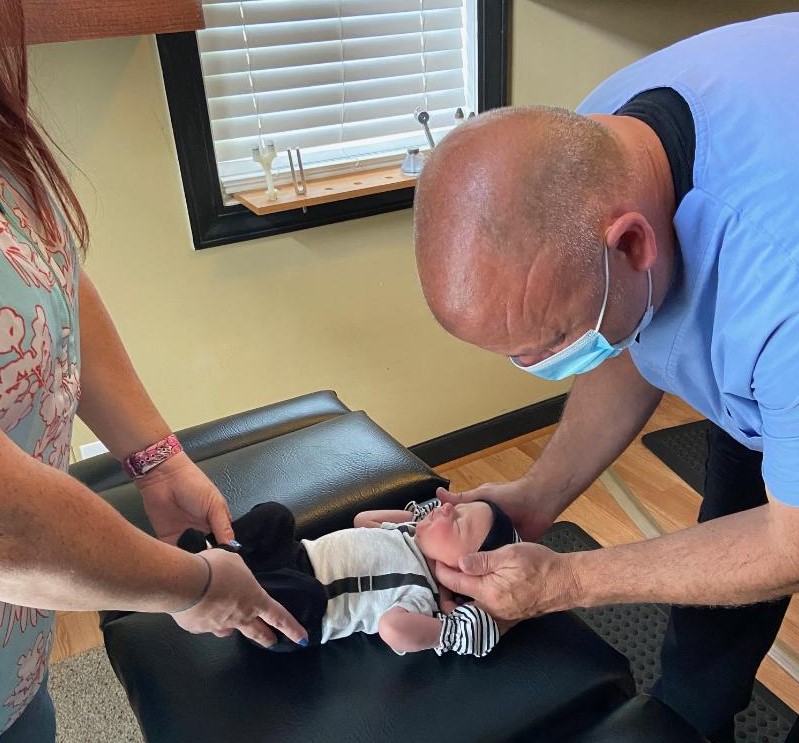
As a local chiropractor, I understand that many of you may be experiencing back pain due to poor posture, and I want you to know that you’re not alone in this struggle. In our modern world, where sedentary work environments are all too common, it’s essential to address these issues head-on. Fortunately, there are simple and effective adjustments you can incorporate into your daily routine to alleviate discomfort and promote better posture.
First, let’s talk about your workspace. Ensuring that your chair, desk, and computer setup are ergonomically designed can make a world of difference. Sit tall, keep your feet flat on the floor, and ensure your screen is at eye level to reduce strain on your back and neck.
In addition to workspace adjustments, I encourage you to integrate specific exercises into your routine. Gentle stretches and strengthening exercises can help support your spine and improve your posture over time.
Remember, small changes can lead to significant improvements in your comfort and overall well-being. I invite you to explore these practical tips and consider how chiropractic care can further assist in your journey toward better posture and pain relief. Together, we can work towards a healthier, more balanced lifestyle.
Assess Your Workspace Ergonomics
As a local chiropractor, I often see patients who experience back pain due to improper workspace ergonomics. One effective way to alleviate this discomfort is by assessing and improving your workspace setup.
Let’s start with your chair: it should provide adequate support for your lower back while allowing your feet to rest flat on the floor. This position helps maintain the natural curvature of your spine.
Next, adjust your desk height so that when you’re typing, your elbows create a 90-degree angle. This alignment reduces strain on your shoulders and neck.
Your computer screen is another critical component; it should be positioned at eye level to minimize neck strain. If you catch yourself leaning forward, it’s a clear indication that your workspace arrangement needs adjustment.
I recommend considering a chair that offers lumbar support or even a standing desk, which allows you to alternate your position throughout the day. Keep frequently used items close to avoid twisting or stretching, which can lead to further discomfort.
Don’t overlook the importance of taking regular breaks. Standing up and moving around every hour can significantly benefit your back and overall well-being.
Incorporate Stretching and Strengthening Exercises
As a local chiropractor, I want to emphasize that improving your workspace ergonomics is just the beginning of effectively managing back pain.
To truly alleviate discomfort, it’s essential to incorporate both stretching and strengthening exercises into your daily routine.
Stretching is crucial as it enhances flexibility and promotes better blood circulation to your muscles, which can significantly reduce tension. Simple stretches, such as hamstring and hip flexor stretches, can provide great relief and help keep your muscles supple.
On the other hand, strengthening exercises are vital for targeting your core, back, and glute muscles. These exercises create a more stable support system for your spine. I recommend incorporating movements like planks, bridges, and back extensions into your routine. Aim for at least 15-30 minutes of these exercises a few times a week to start building a strong foundation.
Remember, consistency is key. The more regularly you commit to these routines, the more likely you’re to notice a decrease in pain over time.
Always listen to your body, and if you have any concerns about specific movements or experience sharp pain, don’t hesitate to consult with a healthcare professional. Your journey to better back health is a partnership, and I’m here to support you every step of the way.
Practice Mindfulness and Body Awareness
As a local chiropractor, I want to emphasize the importance of not only physical exercises but also the practice of mindfulness and body awareness in managing back pain. Understanding your body and being present can greatly enhance your overall well-being and complement your chiropractic care.
By tuning into your body, you can become more aware of your posture and how it impacts your back health. This awareness empowers you to make conscious adjustments throughout your day, leading to better outcomes.
Here are some practical tips to help you cultivate mindfulness and body awareness:
- Focus on your breath: Take a few minutes each day to concentrate on your breathing. This simple practice can ground you in the present moment and relieve stress, which is often a contributor to back pain.
- Check in with your body: Make it a habit to regularly assess your posture while sitting or standing. Are you tensing your shoulders? Is your back straight? Making small adjustments can help alleviate tension and discomfort.
- Cultivate a mindful routine: Incorporate short mindfulness exercises into your daily life. Consider doing a body scan to identify areas of tension or practicing gentle stretches to promote relaxation and flexibility.
By integrating these practices with your chiropractic treatment, you can enhance your healing journey and achieve a greater sense of well-being.
Your awareness of your body is a powerful tool in your recovery and ongoing health.
Invest in Supportive Furniture
As a local chiropractor, I want to emphasize the importance of being mindful not just of your body, but also of your surroundings—especially the furniture you use on a daily basis. Investing in supportive furniture is crucial for alleviating back pain and promoting overall spinal health.
Let’s start with your chair. An ergonomic chair that supports your lower back can make a world of difference. It encourages proper posture while sitting, which is essential for preventing stress on your spine.
If your work requires long hours at a desk, consider incorporating a standing desk or one that allows you to alternate between sitting and standing. This can greatly reduce the strain on your back.
When it comes to your home environment, selecting a mattress that offers proper support is vital. It should allow your spine to remain aligned while you sleep. Additionally, using cushions or lumbar supports can enhance your comfort, providing extra support where you need it most.
Pay attention to your workspace as well. Positioning your monitor at eye level can help minimize neck strain and maintain good posture throughout your workday.
By making these thoughtful choices in your furniture, you create a supportive environment that not only promotes good posture but also reduces the risk of back pain.
Maintain a Balanced Lifestyle
As a local chiropractor, I want to share the importance of maintaining a balanced lifestyle to effectively alleviate back pain. Embracing a holistic approach that includes regular physical activity, mindful eating, and effective stress management can significantly enhance your overall well-being, which in turn benefits your back health.
Here’s how you can create that balance:
- Engage in regular exercise: Incorporating a variety of activities such as strength training, flexibility exercises, and cardiovascular workouts is crucial. These practices not only strengthen your back muscles but also improve your posture, reducing the risk of pain and injury.
- Nourish your body with a wholesome diet: Prioritize whole foods that are rich in essential vitamins and minerals. A nutritious diet plays a vital role in supporting tissue repair and overall health, making it easier for your body to handle physical stress and maintain optimal function.
- Implement stress management techniques: Consider adding relaxation practices to your routine, such as yoga, meditation, or deep-breathing exercises. By managing stress effectively, you can reduce muscle tension, a common contributor to back pain.
By focusing on these key areas, you can empower yourself to take control of your health and enhance your quality of life.
If you have any questions about how these practices can complement chiropractic care, please feel free to ask during your next visit.
Conclusion
As a local chiropractor dedicated to your health, I’d like to share some straightforward strategies to help you manage and alleviate posture-related back pain. One of the first steps is to make simple adjustments to your workspace. Ensure that your chair supports your lower back and that your computer screen is at eye level to promote good posture.
Incorporating regular stretching and strengthening exercises into your daily routine can also work wonders. These exercises help to reinforce your muscles, making it easier for your body to maintain proper alignment. I encourage you to stay mindful of your body throughout the day, paying attention to how you sit, stand, and move.
Don’t overlook the importance of investing in supportive furniture; it can have a significant impact on your spinal health. A good chair, desk, and even footwear can contribute to your overall comfort and well-being.
Finally, maintaining a balanced lifestyle is crucial. This includes proper hydration, nutrition, and sufficient rest, all of which support your body’s natural healing processes. By taking these steps, you can enhance your comfort and health, ultimately enjoying a more pain-free life both at work and during leisure activities. Remember, chiropractic care can also play a vital role in your journey to wellness, so don’t hesitate to reach out for personalized guidance and support.