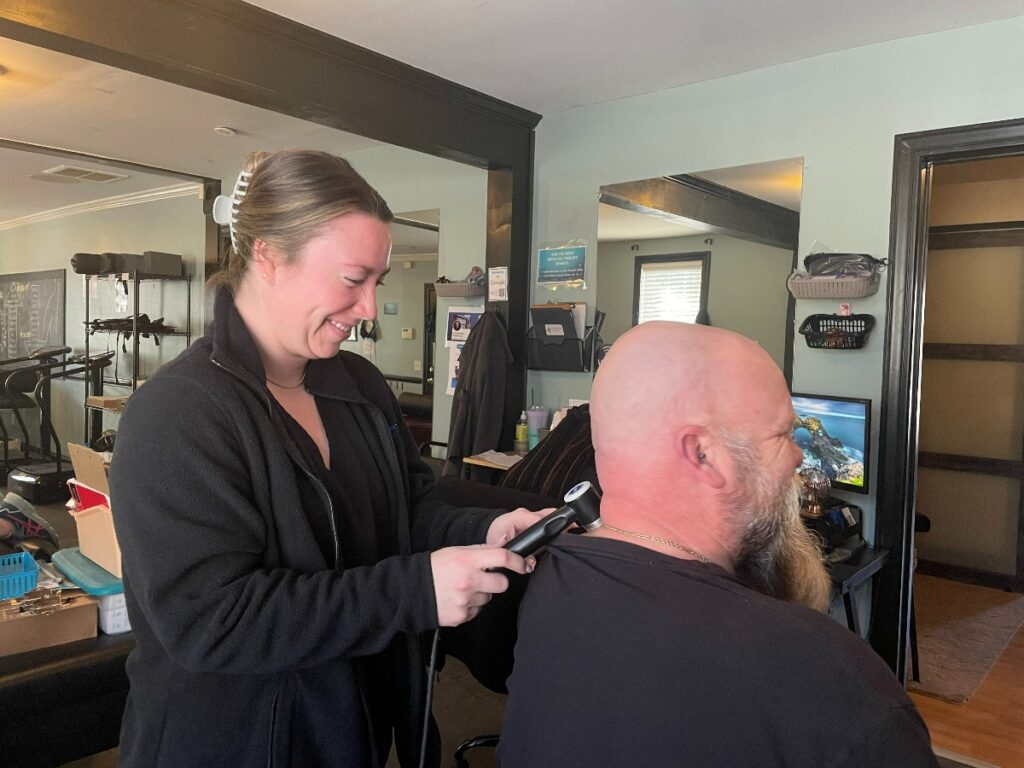
If you've been dealing with upper back discomfort, I understand that you might be searching for effective solutions. As a local chiropractor, I want to share how targeted adjustments can play a significant role in alleviating that persistent pain. These adjustments focus on restoring proper spinal alignment and relieving muscle tension, which are crucial for your overall comfort.
Many of my patients have found relief through techniques like spinal manipulation. Not only can this provide immediate relief, but it also contributes to your long-term well-being by promoting a healthier spine and improving mobility. You might be wondering what these adjustments involve and how they can seamlessly fit into your routine.
I encourage you to explore the specifics of chiropractic care. By understanding how targeted adjustments work, you could discover new ways to enhance your comfort and mobility that you hadn't considered before. Together, we can work on a personalized approach to help you feel your best and enjoy a more active lifestyle.
Understanding Upper Back Discomfort
As a local chiropractor, I often see patients struggling with upper back discomfort. This nagging sensation can feel like a heavy weight, restricting your movement and impacting your daily life. Many people begin to notice this discomfort after spending long hours hunched over their computers or using their smartphones for extended periods.
It can present itself as stiffness, tightness, or even sharp pain that makes it difficult to turn your head or reach for objects. Understanding upper back discomfort is crucial for enhancing your overall well-being. It often arises from poor posture, muscle strain, or overuse.
It's important to listen to your body; discomfort is a signal indicating that something may be amiss. Ignoring these signals can lead to chronic pain or more serious issues over time. You may also feel discomfort radiating to your shoulders or neck, which can complicate your search for relief.
Engaging in physical activities and stretches can alleviate some of this tension. Being proactive is essential; incorporating regular movement and chiropractic care into your routine can lead to significant improvements in how you feel.
Additionally, evaluate your daily habits. Are you lifting objects properly? Are you sitting in an ergonomic chair? Making small adjustments can yield substantial benefits for your upper back health.
By understanding the nature of your discomfort, you empower yourself to take action. This awareness can motivate you to explore targeted solutions, including chiropractic care, to help you achieve a more comfortable and active lifestyle.
Common Causes of Pain
As a local chiropractor, I often see patients who are struggling with upper back pain, and I want to help you understand some of the common causes that may be contributing to your discomfort.
Many times, poor posture habits can lead to misalignments in the spine, which can create tension and pain. Additionally, muscle strain from overexertion or even stress can exacerbate these issues.
By recognizing these factors, you take the crucial first step toward relief. Chiropractic care focuses on natural healing methods to address these underlying problems, allowing your body to restore balance and function.
If you're experiencing upper back pain, I encourage you to explore how chiropractic adjustments and holistic approaches can help you feel better.
Poor Posture Habits
As a local chiropractor, I often see how poor posture habits can be the underlying cause of nagging upper back discomfort for many individuals. When you find yourself slouching or hunching over, you're unintentionally putting unnecessary stress on your spine. This can lead to muscle fatigue and pain that may not become apparent until it starts to affect your daily life.
It's quite common for people to underestimate how much time they spend in poor postures—whether it's while sitting at a desk, scrolling through a smartphone, or even standing in line. You might notice that leaning forward not only compresses your upper back but can also lead to discomfort that accumulates over time.
Additionally, when your head is positioned too far forward, it places extra strain on the muscles in your upper back, forcing them to work harder than they should.
Another important aspect to consider is the arrangement of your workspace. If your computer screen is positioned too low or your chair lacks proper support, you're likely to adopt a posture that could worsen your discomfort.
Moreover, spending long hours in the same position can lead to stiffness and tightness in your muscles. That's why I always encourage my patients to be mindful of their posture throughout the day.
Taking regular breaks to stretch and realign your body can make a significant difference. By making small adjustments to your daily habits, you can greatly reduce upper back pain and enhance your overall comfort.
Muscle Strain Factors
As a local chiropractor, I often see patients who are unfamiliar with how muscle strain can play a significant role in upper back discomfort.
It's important to understand that muscle strain can arise from a variety of factors, and recognizing these causes is the first step towards preventing future pain.
Let's explore some common contributors to upper back issues that I frequently encounter in my practice:
- Overexertion: Many individuals lift heavy objects or engage in intense physical activities without adequate preparation. This can lead to muscle strain and discomfort in your back.
- Repetitive Movements: If you find yourself performing the same motions over and over, whether in certain sports or at work, this can put undue stress on your muscles, resulting in strain.
- Inactivity: A sedentary lifestyle, which often involves prolonged sitting, can weaken the muscles in your back. When these muscles are weak, they become more vulnerable to strain and injury.
- Sudden Twists: Unexpected movements, such as twisting your body while trying to lift something, can easily lead to muscle strain. It's important to be mindful of your body mechanics in these situations.
- Improper Technique: Using poor form during exercise or daily activities can place excessive stress on your upper back, leading to discomfort and strain.
By understanding these factors, you can take proactive steps to protect your back and maintain your overall health.
As your chiropractor, I'm here to provide guidance and support on your journey to natural healing and wellness.
Stress and Tension
As a local chiropractor, I want to share some insights on how stress and tension can significantly impact your upper back health. Many of my patients come in experiencing tightness or discomfort in their upper back, often caused by the stressors of everyday life, such as work pressures, relationship challenges, or other daily responsibilities.
When stress levels rise, our bodies often respond physically—hunching shoulders, clenching jaws, or holding tension in the neck are common reactions that can lead to pain in the upper back.
It's crucial to understand how stress manifests in your body. Chronic stress can cause muscles to tighten, reducing flexibility and limiting your range of motion. Often, you mightn't even be aware that you're holding this tension until it escalates into discomfort.
Unfortunately, this can create a vicious cycle: as your pain increases, so does your stress, making it increasingly challenging to find relief.
To help combat this issue, I encourage you to incorporate relaxation techniques into your daily routine. Simple practices like deep breathing exercises, yoga, or even taking a short walk can be incredibly effective in releasing built-up tension.
Additionally, seeking targeted adjustments from a chiropractor can specifically address muscle tightness and help restore balance to your body.
By managing your stress and actively pursuing relaxation, you can alleviate upper back discomfort and enhance your overall well-being.
Benefits of Targeted Adjustments
As a local chiropractor, I want to share with you the incredible benefits of targeted adjustments for your mobility and flexibility. Many people don't realize how these adjustments can make everyday activities much more manageable.
By incorporating targeted adjustments into your routine, you can experience significant pain relief and improve your ability to manage discomfort. This means you can move through your day with much greater ease and comfort.
Let's take a closer look at how these adjustments can positively impact your upper back health. By focusing on specific areas that may be causing tension or restriction, we can help restore balance and function to your spine.
This not only helps alleviate pain but also enhances your overall well-being. If you're curious about how chiropractic care can support your natural healing journey, I'm here to guide you every step of the way.
Enhanced Mobility and Flexibility
As a local chiropractor, I want to share with you how chiropractic adjustments can significantly improve your mobility and flexibility, making your daily activities much easier and more enjoyable.
When your spine is aligned correctly, your body operates more efficiently, allowing you to perform tasks without discomfort. This increase in your range of motion can truly enhance your overall quality of life.
By incorporating chiropractic adjustments into your routine, you may experience a variety of benefits:
- Improved posture: With better alignment, you'll stand taller and exude more confidence.
- Increased range of motion: You'll notice it's easier to engage in physical activities, whether that means bending down to tie your shoes or reaching for something on a high shelf.
- Greater energy levels: Enhanced mobility can lead to less fatigue, giving you more vitality for your daily pursuits.
- Faster recovery: With improved flexibility, your muscles can bounce back more quickly after exercise or strenuous activity.
- Enhanced athletic performance: Whether you're a weekend warrior or a serious athlete, chiropractic care can boost your physical capabilities.
Integrating regular chiropractic adjustments into your wellness routine can pave the way for a more active and fulfilling lifestyle.
You'll soon discover that everyday movements feel more natural and effortless, allowing you to embrace life with enthusiasm and vigor.
If you have any questions about how chiropractic care can benefit you, feel free to ask during your visit!
Pain Relief and Management
As a local chiropractor, I understand that many people desire an active lifestyle but find themselves struggling with persistent pain, particularly in the upper back.
It's important to know that targeted adjustments can offer significant relief and management of this discomfort, allowing you to regain control over your daily activities.
These adjustments are designed to address the root causes of your pain by realigning your spine and alleviating tension in the surrounding muscles.
When you come in for targeted adjustments, you may notice immediate improvements in your pain levels. Not only do these adjustments help relieve discomfort, but they also enhance your overall posture, which is crucial for preventing future issues.
By focusing on specific problem areas, you can experience quicker recovery times and a reduction in chronic pain.
Furthermore, these adjustments promote better blood circulation, which contributes to overall healing. As your pain diminishes, you'll likely find that your mobility improves, allowing you to engage more freely in the exercises or daily tasks you enjoy.
Ultimately, our targeted adjustments provide a holistic approach to pain management, empowering you to live a more active, pain-free life.
I encourage you to embrace the benefits of chiropractic care and take the first step toward relief today. If you have any questions or would like to learn more about how chiropractic adjustments can help you, feel free to reach out!
Chiropractic Care Techniques
As a local chiropractor, I want to help you understand how chiropractic care techniques can effectively alleviate upper back discomfort while promoting overall health and wellness. Many people are unfamiliar with how we work, so let me explain the various methods we use that are tailored to meet your specific needs.
When you visit our clinic, we'll explore different chiropractic techniques that not only relieve pain but also focus on achieving proper spinal alignment and muscle balance. Here are some common techniques you can expect during your sessions:
- Spinal Manipulation: This hands-on approach is designed to restore proper alignment in your spine. By relieving pressure on the nerves, we can help reduce discomfort and improve your overall function.
- Soft Tissue Therapy: In this technique, we apply targeted pressure to specific muscles and tissues. This helps alleviate tension and enhances blood flow, which can be particularly beneficial for relaxing your upper back.
- Postural Training: We'll assess your posture and provide you with exercises or adjustments aimed at improving your spinal alignment. This is crucial for maintaining a healthier posture and preventing further issues.
- Mobilization: We use gentle movements on your joints to enhance your range of motion. This technique can make it easier for you to move comfortably and without pain.
- Therapeutic Exercises: To support your upper back in the long term, we may prescribe specific exercises that strengthen the surrounding muscles. This not only helps alleviate current discomfort but also prevents future problems.
By incorporating these techniques into your treatment plan, we aim to help you achieve lasting relief and a better quality of life.
If you're experiencing upper back pain or discomfort, I invite you to schedule a visit so we can discuss how chiropractic care can benefit you.
Physical Therapy Approaches
When it comes to addressing upper back discomfort, chiropractic care offers a comprehensive approach to promote healing and restore optimal function. As a local chiropractor, I focus on assessing your individual condition and creating a personalized treatment plan tailored to your specific needs. This customized approach is crucial for effectively alleviating pain and enhancing your mobility.
A key element of chiropractic care is the use of manual adjustments. Through hands-on techniques, I can manipulate your spine and surrounding muscles, which can help reduce stiffness, improve circulation, and relieve muscle tension.
Additionally, I incorporate exercises designed to strengthen the muscles that support your upper back, which not only enhances stability but also helps prevent future discomfort.
Alongside manual adjustments and strengthening exercises, I may utilize natural modalities like heat or cold therapy. These treatments can effectively reduce inflammation and offer immediate relief from pain.
In some cases, I might also incorporate electrical stimulation to promote healing and alleviate muscle spasms, allowing you to achieve a more comfortable range of motion.
Education is a vital part of your recovery journey as well. I'll guide you on maintaining proper posture and body mechanics, empowering you to avoid positions that may aggravate your pain.
Furthermore, I'll share techniques for managing stress, as it can often contribute to muscle tension and discomfort.
In chiropractic care, we emphasize a holistic approach to healing, focusing on your overall well-being and guiding you towards a pain-free lifestyle.
Effective Stretching Exercises
As a local chiropractor, I want to emphasize the importance of incorporating effective stretching exercises into your routine for optimal recovery from upper back discomfort. Stretching is a natural and beneficial practice that not only enhances flexibility but also alleviates tension and boosts blood circulation in your muscles.
By dedicating just a few minutes each day to targeted stretches, you can significantly reduce discomfort and foster a sense of overall well-being.
Here are five valuable stretching exercises that I recommend for your daily routine:
- Cat-Cow Stretch: Begin on all fours, arch your back upward while tucking your chin to your chest (Cat position), then lower your belly and lift your head while allowing your back to dip (Cow position). Repeat this sequence for 5-10 cycles to promote spinal mobility.
- Child's Pose: Kneel comfortably on the floor, sit back on your heels, and extend your arms forward on the ground. Hold this restorative position for 30 seconds to a minute to help release built-up tension in your back.
- Thoracic Extension: Whether seated or standing, maintain a tall posture, interlace your fingers behind your head, and gently draw your elbows back while arching your upper back. Hold this position for 15-20 seconds to open up your chest and improve posture.
- Cross-Body Shoulder Stretch: Bring one arm across your body and use your opposite hand to gently pull it closer to your chest. Hold this stretch for 15-30 seconds on each side to relieve shoulder tension and enhance mobility.
- Seated Forward Bend: Sit with your legs extended in front of you, hinge at your hips, and reach toward your toes. Hold this stretch for 20-30 seconds to relax your back and hamstrings, promoting a more comfortable posture.
Incorporating these stretches into your daily routine can be a simple yet effective way to support your recovery and overall health.
If you have any questions or need further guidance, don't hesitate to reach out during your next visit!
Posture Correction Strategies
As a local chiropractor, I want to share how improving your posture can play a vital role in relieving upper back discomfort. When your body is properly aligned, it significantly reduces the strain on your muscles and joints, leading to less pain and discomfort. It's essential to be mindful of your posture throughout your daily activities. Whether you're sitting, standing, or walking, try to keep your shoulders back and your spine straight.
When sitting, it's important to choose a chair that supports your lower back effectively. Your feet should be flat on the floor or on a footrest, and your knees should be at or slightly below hip level. If you spend a lot of time at a desk, make sure your monitor is at eye level to avoid leaning forward or hunching over. A lumbar roll can also be a helpful tool to encourage your back to maintain its natural curve.
While standing, try to distribute your weight evenly between both feet. Engaging your core muscles is crucial for supporting your spine, and keeping your shoulders relaxed yet pulled back is key. Avoid locking your knees; instead, keep a slight bend to enhance your balance.
Incorporating regular breaks into your routine is another effective strategy. I recommend taking a moment every hour to stretch and reset your posture. This simple practice can counteract the effects of prolonged sitting and help reinforce good posture habits.
Additionally, consider integrating yoga or Pilates into your routine. These practices focus on core strength and body awareness, which can make it easier for you to maintain good posture throughout the day.
By actively applying these strategies, you'll not only find relief from upper back discomfort but also promote your overall well-being.
If you're unsure where to start or need personalized guidance, don't hesitate to reach out. As your chiropractor, I'm here to help you navigate these changes and support your journey to better health.
When to Seek Professional Help
As your local chiropractor, I want to help you understand when it's important to seek professional help for upper back discomfort. While many people find relief through self-care strategies, there are specific signs that indicate it's time to consult with someone who's the expertise to assist you. Ignoring these signals can lead to worsening pain and more serious complications.
Here are some key indicators that you should reach out to a chiropractic professional:
- Persistent Pain: If your discomfort lasts more than a few weeks and doesn't improve with home remedies, it's crucial to get a professional evaluation. Chronic pain can often benefit from targeted chiropractic care.
- Radiating Pain: If you feel pain that travels down your arms or legs, this could indicate nerve involvement. A chiropractor can assess and address these nerve-related issues effectively.
- Weakness or Numbness: Experiencing weakness or numbness in your limbs is a sign that something may be seriously wrong. It's essential to consult with a chiropractor who can provide a thorough examination and appropriate care.
- Difficulty Breathing or Chest Pain: These symptoms can point to more severe medical concerns that require immediate attention. If you experience these, it's important to seek help right away.
- Injury from an Accident: If you've sustained an injury from a fall or accident and are now experiencing upper back discomfort, it's advisable to have a professional evaluate your condition as soon as possible.
If you notice any of these warning signs, don't hesitate to make an appointment with me or another qualified chiropractor. We can conduct a comprehensive assessment and recommend a treatment plan tailored to your needs.
Early intervention is key to enhancing your recovery and restoring your quality of life.
Conclusion
As a local chiropractor, I want to help you understand how incorporating targeted adjustments into your routine can significantly alleviate upper back discomfort and improve your overall health. Many people experience upper back pain due to various factors, including poor posture, muscle tension, and spinal misalignment. By utilizing chiropractic care techniques, we can work together to restore your spinal alignment, reduce muscle tension, and promote better mobility.
It's also important to emphasize the role of posture correction and regular stretching exercises. These practices can help you prevent future discomfort and maintain a healthy spine. If you're experiencing persistent pain, I encourage you to seek professional assistance. Remember, taking charge of your health is essential for enjoying a more comfortable and active lifestyle. Together, we can find a natural healing approach that works for you!