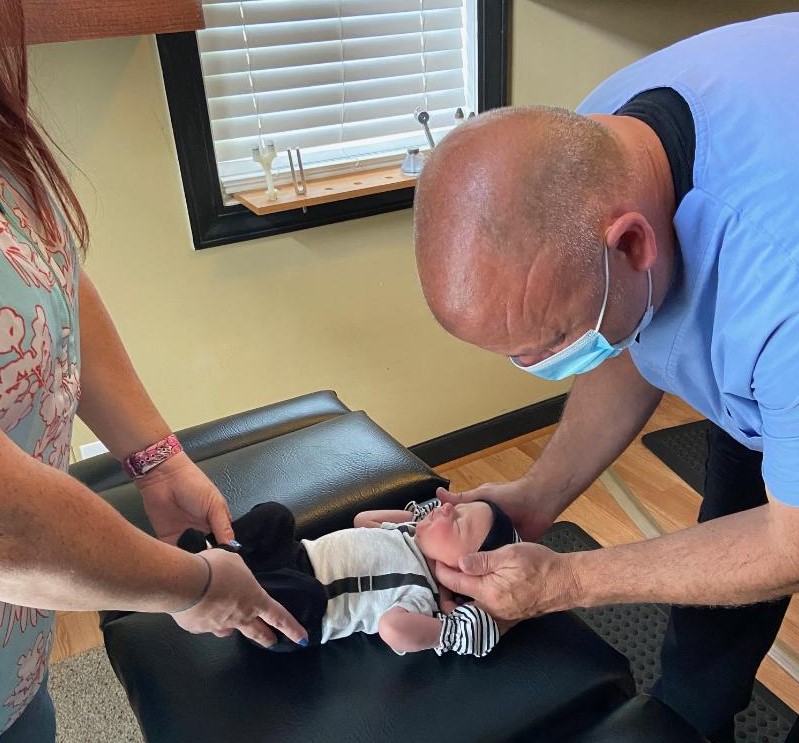
As a local chiropractor, I often see patients who haven’t realized how their daily posture can significantly affect their back pain. Many individuals tend to overlook the influence of basic habits, such as how they sit, stand, or sleep. By taking the time to evaluate your posture, you may identify some hidden factors that are contributing to your discomfort.
Understanding the connection between posture and pain is essential for achieving relief. Common signs that your posture may be causing issues include persistent aches, stiffness, or discomfort in your back, neck, or shoulders.
I encourage you to take a moment to reflect on your daily habits and how they might be impacting your well-being. A simple quiz can help you assess your posture and guide you toward healthier habits. Together, we can explore how improving your posture can lead to significant improvements in your overall comfort and health.
Understanding Posture and Its Importance
As your local chiropractor, I want to share with you the importance of posture and how it plays a crucial role in your overall health.
Understanding posture goes beyond just standing tall; it’s about aligning your body in a way that promotes efficiency and comfort. When your spine is in a neutral position, your muscles and ligaments can work optimally, which helps to minimize unnecessary strain and reduce the risk of back pain.
Many people don’t realize that slouching or hunching can disrupt this alignment, leading to discomfort and pain.
By focusing on maintaining proper posture, you can take significant steps towards alleviating any back pain you may be experiencing. Together, we can explore ways to improve your posture, support your spine, and enhance your overall well-being through natural healing methods.
Common Postural Issues That Contribute to Back Pain
As a local chiropractor, I want to help you understand how poor posture can be a hidden factor contributing to your back pain. Many people don’t realize that their daily habits, such as slumping while sitting, can shift your spine out of alignment and strain your muscles.
If you often find yourself hunching your shoulders forward while standing or walking, this can create tension in your upper back, leading to discomfort that might seem unrelated to your posture.
Another common issue is crossing your legs when sitting. This habit can cause your pelvis to tilt, potentially resulting in lower back pain over time.
Additionally, the modern reliance on technology can lead to “tech neck,” which occurs when you spend prolonged periods looking down at your phone or computer, adding extra stress to your spine.
Moreover, inadequate lumbar support from your chair or sleeping on a mattress that’s too soft or firm can further exacerbate these postural issues.
Becoming aware of these habits is crucial for your well-being. By addressing these factors, you can start making simple changes today that will lead to a healthier back and improved overall health.
As a chiropractor, I’m here to guide you on this journey toward better posture and pain relief.
The Science Behind Posture and Back Health
As a local chiropractor, I want to emphasize how crucial posture is for your back health and overall well-being. Many people are unaware of how their daily habits—like sitting, standing, or even walking—affect their spine.
It’s important to keep in mind that your spine is designed to maintain its natural curves, and when those curves are compromised by poor posture, it can lead to misalignment. This misalignment puts unnecessary stress on your muscles and ligaments, which can result in inflammation and pain, making it difficult for you to move comfortably.
Research indicates that slouching or leaning forward can actually compress your spinal discs, increasing the risk of herniation and chronic pain. On the other hand, when you maintain an upright position, you allow your body weight to be distributed evenly, significantly reducing strain on your back.
Proper posture also helps your muscles engage better, providing more effective support for your spine. Additionally, good posture plays a vital role in enhancing blood circulation and oxygen flow throughout your body, both of which are essential for your overall health and recovery.
By being mindful of your posture throughout the day, you can promote a healthier spine and potentially alleviate back pain. This, in turn, can help you lead a more active and fulfilling lifestyle.
Signs Your Posture May Be Affecting Your Back Pain
As a local chiropractor, I want to share some insights about how your posture might be contributing to your ongoing back pain. Many people don’t realize that common misalignments in the spine can lead to discomfort and tension in the back.
If you’ve been experiencing persistent pain, it’s essential to consider how your posture may be playing a role. Understanding and correcting your posture can be a vital step towards alleviating your pain.
I’d like to introduce you to some effective posture correction techniques that can help restore balance to your body and provide relief. By making small adjustments to your daily habits, we can work together to enhance your overall well-being and support your natural healing process.
Your journey to a pain-free life starts with awareness—let’s explore how we can improve your posture for better health!
Common Posture Misalignments
As a local chiropractor, I often see how subtle misalignments in posture can lead to significant discomfort, particularly back pain.
Many individuals may not be aware of how their posture affects their overall health. By understanding these common misalignments, you can take proactive steps to address the underlying issues.
Here are three key postural concerns to keep an eye on:
- Forward Head Posture: This occurs when your head leans forward, placing strain on your neck and upper back. It can lead to discomfort and even headaches over time.
- Rounded Shoulders: Slouching or allowing your shoulders to roll forward can compress the spine, causing tension and pain in the upper back and shoulders.
- Pelvic Tilt: Whether it’s an anterior (forward) or posterior (backward) pelvic tilt, these misalignments can disrupt your spinal alignment and contribute to lower back pain.
By being mindful of these postural issues, you can take steps to improve your alignment and overall well-being.
Adjustments, exercises, and lifestyle changes can help correct these misalignments, allowing your body to function optimally.
If you’re experiencing any discomfort, consider visiting a chiropractor who can guide you on the path to better posture and health.
Symptoms of Poor Posture
As a local chiropractor, I want to emphasize the importance of recognizing the signs of poor posture and how they can impact your overall well-being. Many of my patients come in experiencing persistent back pain and discomfort, often without realizing that their posture plays a significant role. You might start to notice symptoms like a dull ache in your lower back or even sharp pain that travels down your spine.
If you find yourself slouching frequently or leaning to one side, this is a clear indicator that your posture is off balance. Additionally, stiffness in your neck and shoulders, along with tension headaches, can be direct consequences of poor posture.
Many individuals also report feeling fatigued during daily activities, which can be a sign that your body is working overtime to compensate for misalignment.
It’s crucial to pay attention to these symptoms. By addressing poor posture early on, you can avoid chronic pain and enhance your overall health.
As your chiropractor, I can help guide you through natural healing techniques and adjustments that can improve your posture and alleviate discomfort. Let’s work together to ensure your body functions at its best!
Posture Correction Techniques
As a local chiropractor, I want to help you understand how your posture can significantly affect your back pain. Recognizing when your posture is causing discomfort is the first crucial step towards finding relief.
If you often catch yourself slumping or hunching over, it’s essential to adopt some posture correction techniques. Here are three effective strategies to consider:
- Adjust Your Sitting Position: Make sure your feet are flat on the floor and your back is aligned straight against the chair. If you find it difficult to maintain this posture, using lumbar support can be incredibly beneficial.
- Strengthen Your Core Muscles: A strong core is vital for supporting your spine. Incorporate exercises like planks and bridges into your routine, as they can significantly enhance your core strength, leading to better posture and reduced pain.
- Engage in Regular Stretching: Stretching your back, neck, and shoulders consistently can improve your flexibility and alleviate tension. Simple stretches can be a great addition to your daily routine, promoting better posture and overall well-being.
By implementing these techniques, you can take proactive steps towards reducing your back pain and improving your posture.
If you have any questions or need personalized advice, don’t hesitate to reach out!
Taking the Posture Quiz
As a local chiropractor, I often see patients who are unaware of how their posture can significantly affect their overall health and well-being. Have you ever considered taking a posture quiz? This simple tool can provide valuable insights into how your body positions itself throughout your daily activities.
By answering straightforward questions about your sitting, standing, and sleeping habits, you can better understand how these factors may be contributing to any discomfort or back pain you might be experiencing.
The quiz typically addresses the alignment of key areas such as your head, shoulders, and spine. You might be surprised to discover how small changes in these areas can lead to substantial improvements in your comfort and quality of life.
After completing the quiz, I encourage you to take a moment to reflect on your answers. Are there habits you’ve noticed that could be negatively impacting your posture? This self-assessment is a crucial step in motivating you to make positive changes.
Remember, gaining a better understanding of your posture is the first step toward enhancing your health. So, I invite you to take that quiz, and together we can uncover the truth about your posture and its potential impact on your back pain.
Let’s work towards a more comfortable, healthier you!
Tips for Improving Your Posture and Reducing Back Pain
As a local chiropractor dedicated to helping you achieve better health, I want to share some essential tips for improving your posture and alleviating back pain.
First and foremost, it’s crucial to establish an ergonomic workspace that aligns with your body’s natural structure. This means adjusting your chair, desk, and computer setup to ensure that you’re not straining your muscles while you work.
In addition to a proper workspace, incorporating stretching and strengthening exercises into your daily routine can significantly benefit your posture. These exercises help to balance your muscles and support your spine, reducing the risk of discomfort.
Lastly, I encourage you to practice mindful posture awareness throughout your day. Simply being conscious of how you sit, stand, and move can lead to remarkable improvements in how you feel.
Ergonomic Workspace Setup
As a local chiropractor, I often see patients who spend long hours at their desks, and I can’t stress enough the importance of having an ergonomic workspace setup.
Not only does it play a crucial role in your posture and comfort, but it can also significantly impact your overall health and well-being. By optimizing your workspace, you can reduce strain on your body and improve your productivity.
Here are three essential tips I recommend for creating a healthier work environment:
- Chair Height: Make sure your chair is adjusted so that your feet rest flat on the floor, and your knees are at a 90-degree angle. This simple adjustment can prevent unnecessary pressure on your lower back.
- Monitor Position: Position your monitor at eye level and about an arm’s length away. This will help you avoid neck strain and promote a natural, straight alignment of your spine.
- Keyboard and Mouse: Keep your keyboard and mouse close enough that you don’t have to reach for them. Your wrists should be straight and relaxed while typing or using the mouse, which can help prevent discomfort and repetitive strain injuries.
By implementing these adjustments, you can significantly improve your posture and work comfort, which can help alleviate back pain over time.
Stretching and Strengthening Exercises
As a local chiropractor, I want to emphasize the importance of not only having an ergonomic workspace but also incorporating stretching and strengthening exercises into your daily routine.
These practices can significantly improve your posture and help alleviate back pain, which many of my patients experience.
To get started, I recommend simple stretches that can easily fit into your day. Neck tilts and shoulder rolls are excellent for relieving tension.
Additionally, consider incorporating practices like yoga or Pilates, which are fantastic for enhancing flexibility and building core strength.
Strengthening your core muscles is crucial for maintaining stability and support for your back. Exercises such as planks and bridges are particularly effective.
It’s also important to include stretches that target your lower back, like the child’s pose or the cat-cow stretch, to promote flexibility and comfort.
I suggest aiming for at least 15-30 minutes of these exercises a few times a week.
By making these movements a regular part of your routine, you’ll likely notice improvements in your posture and a reduction in back pain over time.
Mindful Posture Awareness
As a local chiropractor, I want to emphasize how important it’s to be aware of your posture throughout the day. Many people underestimate the impact that good posture can have on reducing back pain and improving overall well-being.
By practicing mindful posture awareness, you can enhance your alignment and alleviate discomfort. Here are three essential tips to help you maintain good posture:
- Evaluate Your Workspace: It’s crucial to ensure that your work environment is ergonomically designed. Your chair should provide adequate support for your lower back, and your computer monitor should be positioned at eye level. This simple adjustment can significantly reduce strain on your spine.
- Strengthen Your Core: Engaging and strengthening your core muscles is key to supporting your spine effectively. Make it a daily habit to consciously engage your abdominal muscles while sitting or standing. This not only helps with posture but also provides stability and support during daily activities.
- Incorporate Breaks into Your Routine: Don’t forget to take regular breaks to stretch and move around. This practice keeps your muscles flexible and helps prevent stiffness, which can contribute to poor posture. Movement is essential for maintaining a healthy spine, so take a moment to stand, stretch, and reset your body throughout the day.
By following these tips, you can take proactive steps toward better posture and overall spinal health.
If you’re experiencing persistent discomfort, consider visiting a chiropractor for personalized care and guidance on maintaining a healthy spine naturally.
Conclusion
As a local chiropractor, I want to emphasize the importance of understanding your posture when it comes to managing and relieving back pain. Many people may not realize how common postural issues can significantly affect their health. By becoming aware of these issues, you can take proactive steps to improve your posture, which is crucial for your well-being.
One effective way to start this journey is by taking a posture quiz. This tool can help you identify any habits that may be contributing to your discomfort and allow you to make necessary adjustments. Small changes in how you sit, stand, and sleep can make a big difference in enhancing your spinal alignment.
Remember, proper posture is not just about aesthetics; it plays a vital role in your overall health. By focusing on your posture, you can pave the way for a pain-free life and experience the benefits of natural healing. I encourage you to take these steps seriously, as they can lead to significant improvements in your quality of life.