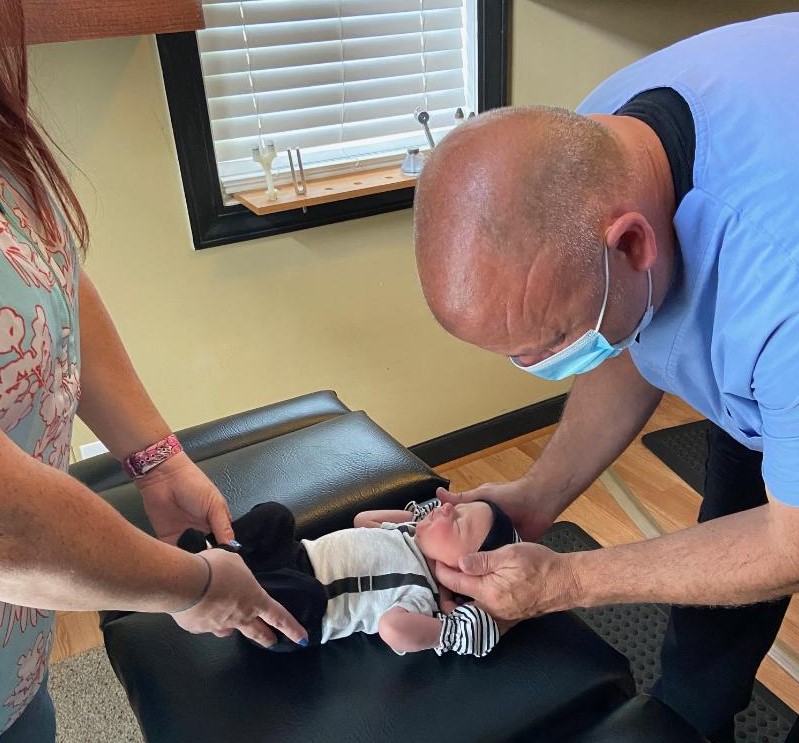
If you’ve ever felt the discomfort of stiffness, you know how it can hinder your daily activities and overall well-being. Luckily, there are holistic approaches that can help alleviate this issue, with chiropractic care being at the forefront. By focusing on the spine and nervous system, chiropractic care addresses the root causes of your stiffness, helping you regain mobility and comfort.
So, what specific strategies can you implement to create a more comfortable and active lifestyle? Here are some effective methods that can enhance your health and wellness:
- Regular Chiropractic Adjustments: Visiting your chiropractor regularly can help alleviate stiffness by restoring proper alignment to your spine. This not only reduces discomfort but also promotes better communication between your brain and body, enhancing your overall health.
- Mindful Nutrition: What you eat plays a crucial role in how your body feels. Focus on incorporating anti-inflammatory foods such as leafy greens, fatty fish, nuts, and fruits into your diet. These foods can help reduce inflammation and improve your body’s response to stiffness.
- Gentle Movement Practices: Engaging in low-impact activities like yoga, tai chi, or even walking can help improve flexibility and reduce stiffness. These practices promote gentle stretching and strengthening of your muscles, which can alleviate discomfort and enhance your range of motion.
- Stay Hydrated: Drinking enough water is essential for keeping your joints lubricated and your muscles functioning well. Aim for at least eight glasses of water a day to support your body’s hydration needs.
- Mindfulness and Stress Reduction: Stress can contribute to muscle tension and stiffness. Incorporate relaxation techniques such as deep breathing, meditation, or even light stretching into your daily routine to help manage stress levels and promote relaxation.
- Ergonomic Adjustments: Whether at work or home, ensure that your workspace is ergonomically friendly. Proper posture and support can prevent additional strain on your spine and help reduce stiffness.
By integrating these holistic strategies into your lifestyle, you can effectively manage stiffness and enhance your overall wellness. Remember, chiropractic care is your partner in achieving optimal health, so don’t hesitate to reach out to your local chiropractor for personalized care and support. Together, we can work towards a more comfortable and active you!
Key Takeaways
- Regular chiropractic care is a key component in achieving optimal health. By improving spinal alignment, we can address the root causes of stiffness. This not only enhances mobility but also supports your overall function, making daily activities easier and more enjoyable.
- To further support your body, consider incorporating anti-inflammatory foods into your diet. Foods like fatty fish and leafy greens can help reduce joint stiffness and promote better lubrication in your joints, making it easier to move without discomfort.
- Gentle activities like yoga and stretching are excellent for enhancing flexibility and improving blood circulation. These practices can significantly alleviate stiffness in your muscles and joints, helping you feel more relaxed and mobile.
- Mindfulness and breathwork are great techniques to cultivate relaxation. By focusing on your breath, you can reduce the perception of pain and ease any muscle tension that may be contributing to your stiffness.
- Maintaining good posture is crucial for your overall health. Along with staying hydrated, these simple habits can support your recovery from stiffness discomfort and keep you feeling your best. Remember, chiropractic care is your ally in achieving a healthy, pain-free lifestyle!
Understanding Stiffness Discomfort
When you experience stiffness discomfort, it can feel like a heavy weight holding you back from your daily activities. This sensation often arises from muscle tightness, joint issues, or overuse. You might notice it more in the morning or after sitting for a long time. It’s your body’s way of signaling that something isn’t quite right.
Stiffness can limit your range of motion, making simple tasks feel challenging. You might struggle to bend down, reach up, or even walk comfortably. Understanding the root cause of your stiffness is essential, and that’s where chiropractic care comes in. Factors like stress, lack of movement, or improper posture can contribute to this discomfort, but with the right guidance, you can find relief.
As a chiropractor, I encourage you to pay attention to how your body responds during different activities. Are certain movements more painful? Identifying these patterns is key to finding effective ways to alleviate stiffness. Chiropractic adjustments can help restore proper alignment, reduce muscle tension, and improve your overall mobility.
Here are a few general tips to help you manage stiffness:
- Stay Active: Engage in regular physical activity, such as walking or gentle stretching, to keep your muscles and joints flexible.
- Practice Good Posture: Be mindful of your posture throughout the day, especially if you sit for long periods. Consider setting up an ergonomic workspace.
- Hydrate: Drink plenty of water to keep your muscles hydrated and functioning optimally.
- Warm-Up: Before any physical activity, take a few minutes to warm up your body with gentle stretches or movements.
- Chiropractic Care: Regular visits to a chiropractor can help maintain spinal health, alleviate discomfort, and support your body’s natural healing processes.
The Role of Nutrition in Reducing Stiffness
Nutrition is a vital component of managing stiffness and discomfort in your joints, and it works best when combined with chiropractic care and regular physical activity. What you eat can have a direct impact on inflammation and the overall health of your joints. By incorporating anti-inflammatory foods into your diet—such as fatty fish, nuts, and leafy green vegetables—you can help reduce stiffness and improve your mobility. Omega-3 fatty acids, which are found in foods like salmon and walnuts, are especially helpful for keeping your joints lubricated and functioning well.
Staying hydrated is equally crucial. Drinking plenty of water helps maintain the fluid in your joints, which can significantly ease discomfort. Additionally, focus on foods that are rich in antioxidants, like berries and vibrant fruits, as they help fight oxidative stress that may contribute to stiffness.
It’s best to steer clear of processed foods, excessive sugars, and trans fats, as these can lead to increased inflammation. Instead, aim for a balanced diet filled with whole grains, lean proteins, and healthy fats to support your overall well-being.
Remember, chiropractic care can complement these dietary changes by addressing any spinal misalignments and improving your body’s overall function. Together, proper nutrition and chiropractic adjustments can create a strong foundation for reducing stiffness and enhancing your quality of life.
Keep these tips in mind as you work towards a healthier, more comfortable you!
Yoga Practices for Enhanced Flexibility
Incorporating yoga into your routine can significantly enhance your flexibility and reduce stiffness in your joints, complementing the benefits of chiropractic care. By practicing specific poses, you can increase blood flow and promote a better range of motion, which is essential for maintaining a healthy spine.
Start with gentle stretches like Cat-Cow and Downward Dog; these not only warm up your spine and legs but also help to align your body and release tension.
As you progress, consider adding poses like Triangle and Warrior II to engage your muscles deeply and open your hips. This kind of stretching can support the adjustments made during chiropractic care, helping to maintain proper spinal alignment.
Remember to focus on your breath; it plays a vital role in releasing tension and allowing your body to relax into each pose.
Consistency is key, so aim for a few sessions each week. Even a short daily practice can lead to noticeable improvements in flexibility, thereby reducing stiffness and enhancing your overall comfort.
When you combine yoga with regular chiropractic adjustments, you’re taking a proactive approach to your health.
Always listen to your body and modify poses as needed to avoid strain. If you find certain movements challenging, don’t hesitate to consult with your chiropractor for guidance on how to enhance your practice safely.
With time, you’ll likely notice that your flexibility improves, contributing to a greater sense of well-being and ease in your daily activities. Embrace this journey, and enjoy the myriad benefits that both yoga and chiropractic care can bring to your life!
Stretching Techniques to Alleviate Tightness
To alleviate tightness in your muscles and joints, incorporating effective stretching techniques into your daily routine can significantly enhance your overall wellness and support spinal health.
Regular stretching improves flexibility and promotes blood circulation, which are essential for relieving discomfort and maintaining a healthy spine. Here are some simple techniques you can easily integrate into your day:
- Dynamic Stretching: Start with movements such as arm circles and leg swings to warm up your body before engaging in any physical activity. This helps prepare your muscles and joints, reducing the risk of injury.
- Static Stretching: Focus on holding stretches for 15-30 seconds to gently elongate your muscles, paying special attention to areas where you feel tightness. This practice can assist in maintaining mobility and comfort.
- Foam Rolling: A foam roller can be a great tool to massage tight muscles. It helps break up knots and promotes better mobility, making it a perfect complement to your chiropractic care.
- Yoga Poses: Incorporating poses like Downward Dog or Child’s Pose into your routine can provide a full-body stretch while also promoting relaxation. These poses can help alleviate tension in both muscles and the spine.
- Breath Control: Pair your stretching exercises with deep breathing techniques. This not only enhances relaxation but also maximizes the effectiveness of your stretches, allowing for better results.
Remember, chiropractic care is an excellent way to address muscle tightness and spinal misalignments.
By integrating these stretching techniques into your routine, you can further support your chiropractic treatments and promote a healthier, more active lifestyle.
Always listen to your body, and if you experience persistent pain or discomfort, consider consulting with your chiropractor to explore personalized strategies for optimal health and wellness.
Mindfulness and Meditation for Pain Relief
Mindfulness and meditation can be powerful tools in your journey towards managing stiffness and discomfort, but they work best alongside chiropractic care. By focusing on the present moment, you can cultivate relaxation and pain relief, which complements the adjustments and treatments that a chiropractor provides.
Incorporating guided meditation and breathwork into your routine can enhance your overall well-being, promoting greater ease in your body. However, it’s essential to remember that chiropractic care is the foundation for achieving optimal health. Regular spinal adjustments can help alleviate pain, improve mobility, and support your body’s natural healing processes.
Here are some simple tips you can incorporate into your daily life to support your wellness journey:
- Practice Mindfulness: Take a few moments each day to sit quietly and focus on your breath. This can help you become more aware of your body and any areas of tension.
- Stay Active: Gentle stretching and light exercises can help keep your spine healthy. Consult your chiropractor for specific exercises that are right for you.
- Maintain Good Posture: Being mindful of your posture throughout the day can prevent stiffness and discomfort. Remember to sit and stand tall, keeping your spine aligned.
- Regular Chiropractic Visits: Schedule regular appointments with your chiropractor. Consistent care is key to maintaining a healthy spine and alleviating pain.
- Stay Hydrated: Drinking plenty of water can help keep your body functioning optimally, supporting both your joints and overall health.
By combining these practices with chiropractic care, you can create a holistic approach to managing discomfort and achieving a healthier, more balanced life.
Always consult with your chiropractor for personalized advice and support on your wellness journey.
Benefits of Mindfulness
While many people look for quick fixes to relieve stiffness and discomfort, incorporating mindfulness and meditation can lead to significant long-term benefits for your health and wellness. By learning to focus your attention and stay present in the moment, you can reduce your perception of pain and improve your overall well-being.
Here are some key benefits you can experience through mindfulness:
- Increased Body Awareness: Mindfulness helps you tune into your body, making it easier to identify stress triggers that may contribute to stiffness.
- Enhanced Emotional Regulation: By practicing mindfulness, you can develop a more positive mindset, which can be crucial in managing discomfort.
- Improved Sleep Quality: Mindfulness techniques can help calm your mind, leading to better sleep and reduced fatigue associated with stiffness.
- Greater Resilience to Pain: By incorporating mindfulness, you can strengthen your ability to cope with pain, making it more manageable.
- Promotion of Relaxation: Mindfulness encourages relaxation, which can ease muscle tension and relieve stiffness.
In addition to these benefits, regular chiropractic care can further enhance your journey toward optimal health. Chiropractors focus on spinal alignment and overall body function, helping to reduce discomfort and promote a natural healing process.
To help manage stiffness and improve your quality of life, consider these simple tips:
- Practice Deep Breathing: Take a few minutes each day to focus on your breath. Deep, slow breaths can help calm your mind and body.
- Engage in Gentle Stretching: Incorporate simple stretches into your daily routine to promote flexibility and relieve tension.
- Stay Active: Regular physical activity, such as walking or yoga, can improve circulation and reduce stiffness over time.
- Consider Chiropractic Adjustments: Regular visits to your chiropractor can help maintain spinal alignment, enhance mobility, and provide relief from discomfort.
By integrating mindfulness practices and chiropractic care into your daily life, you can make a noticeable difference in managing stiffness and achieving better overall health.
Start small, and you’ll likely begin to feel the positive effects soon!
Guided Meditation Techniques
As you seek relief from stiffness and discomfort, incorporating guided meditation techniques can be an excellent complement to chiropractic care. These meditations allow you to focus your mind, facilitating relaxation and reducing stress, which can further ease your physical discomfort. You can find a variety of guided sessions online, ranging from quick five-minute exercises to longer, immersive experiences.
As you engage in these meditations, let the calming voice and soothing music guide you into a peaceful state. Visualize warmth and light spreading through your body, gently loosening tight muscles and joints. Regular practice can help create a mental space that supports healing and resilience against pain, enhancing the benefits of your chiropractic treatments.
Remember, chiropractic care focuses on restoring proper alignment and function to your spine, which plays a crucial role in overall health. By combining chiropractic adjustments with mindful meditation, you can maximize your potential for relief and wellness. Embrace this holistic journey, and you may discover greater ease and comfort in your daily life.
In addition to guided meditation, here are a few general tips to enhance your well-being:
- Maintain good posture to support spinal health.
- Engage in regular physical activity to keep your body flexible and strong.
- Stay hydrated to promote overall health and mobility.
- Prioritize sleep to allow your body to recover and rejuvenate.
Incorporating Breathwork Practices
How can breathwork enhance your journey toward relief from stiffness and discomfort? As a chiropractor, I believe integrating breathwork into your daily routine can be a powerful complement to chiropractic care, helping you achieve greater relaxation and pain management.
When you learn to control your breath, you can calm both your mind and body. This can help reduce tension in those stiff areas you might be feeling. Here are some benefits of incorporating breathwork alongside your chiropractic treatment:
- Increases oxygen flow to muscles: This helps promote relaxation and can enhance the effects of spinal adjustments.
- Activates the parasympathetic nervous system: This system is responsible for your body’s “rest and digest” functions, which can significantly reduce stress and tension.
- Enhances mindfulness: Focusing on your breath allows you to tune into your body’s needs, helping you become more aware of areas that may require attention.
- Encourages deeper relaxation: Practicing breathwork can ease physical discomfort, making you more receptive to the benefits of chiropractic care.
- Fosters a mind-body connection: This holistic approach improves your overall well-being, aligning your physical and mental health.
When combined with regular chiropractic adjustments, breathwork can enhance your overall wellness journey. Here are some simple tips to get started:
- Practice deep breathing: Take a few minutes each day to inhale deeply through your nose, hold for a few seconds, and exhale slowly through your mouth. This can help relax your muscles and mind.
- Incorporate breathwork before or after your adjustments: Use breathwork techniques to prepare your body for chiropractic care or to help integrate the adjustments afterward.
- Stay consistent: Just like your chiropractic visits, consistency is key. Aim to practice breathwork daily for the best results.
The Benefits of Regular Physical Activity
Engaging in regular physical activity is a fantastic way to boost your mood and significantly reduce discomfort in your body. As a chiropractor, I emphasize the importance of movement for maintaining a healthy spine and joints. When you keep your body active, you promote better blood circulation, which helps deliver essential nutrients to your muscles and joints. This can greatly enhance your flexibility and range of motion, making daily tasks easier and more enjoyable.
Incorporating simple activities such as walking, swimming, or cycling not only strengthens your muscles but also improves your overall endurance. As you build strength, your joints become more resilient, which can lead to reduced discomfort over time. Remember, a strong foundation supports a healthy spine!
Moreover, regular physical activity triggers the release of endorphins—your body’s natural pain relievers. This means you can feel better both physically and mentally. With consistent movement, you’ll likely notice a decrease in stiffness and an increase in your energy levels.
To complement your physical activity, consider regular chiropractic adjustments. Chiropractic care focuses on spinal health, helping to ensure that your nervous system functions optimally. By addressing misalignments in your spine, you can enhance your overall wellness and experience greater relief from discomfort.
Alternative Therapies: Acupuncture and Massage
Staying active is crucial for your overall well-being, but did you know that incorporating chiropractic care can significantly enhance your comfort and mobility? As a chiropractor, I believe that chiropractic adjustments are one of the best ways to address pain and stiffness in the body, promoting natural healing and optimal health.
- Chiropractic care focuses on aligning the spine, which can relieve pressure on nerves and improve your body’s function. This not only reduces discomfort but also supports your overall health.
- While acupuncture and massage can provide temporary relief, chiropractic adjustments work to address the root cause of your pain, allowing for long-lasting results.
- Regular chiropractic visits can enhance your flexibility and mobility, helping you recover from physical activity more effectively.
- Many patients find that consistent chiropractic care not only alleviates pain but also promotes a sense of well-being, reducing stress and anxiety.
Incorporating chiropractic care into your wellness routine can offer a holistic approach to managing discomfort and improving your quality of life.
By choosing chiropractic, you’re making a proactive choice toward a healthier, more mobile lifestyle.
Herbal Remedies and Natural Supplements
As you look for holistic ways to manage stiffness and discomfort, incorporating chiropractic care into your wellness journey can be a powerful choice. Chiropractic adjustments can help realign your spine, improve joint function, and enhance mobility, providing immediate relief from stiffness.
In addition, herbal remedies and natural supplements can complement your chiropractic treatment. For instance, turmeric, which contains curcumin, is known for its anti-inflammatory properties that may help reduce stiffness. Similarly, ginger is excellent for easing inflammation and promoting better blood circulation.
Including omega-3 fatty acids found in fish oil supplements can also support joint health and alleviate stiffness. Another option is Boswellia, which has been traditionally used to help reduce inflammation and pain.
Remember, while considering herbal remedies, it’s always a good idea to discuss them with your chiropractor. They can help ensure that any supplements you take align with your overall treatment plan. Consistency is important—integrating chiropractic care and these natural remedies into your daily routine can significantly enhance your well-being and support your journey toward managing stiffness naturally.
Additionally, here are some general tips to help you maintain a healthy spine and manage stiffness:
- Stay active with regular gentle exercises like walking or stretching.
- Maintain good posture, especially when sitting or working at a desk.
- Stay hydrated to keep your joints lubricated.
- Consider regular chiropractic check-ups to keep your spine aligned and functioning optimally.
Creating a Supportive Sleep Environment
To alleviate stiffness and discomfort, the first step is to select a mattress that provides proper support for your spine. A well-supported spine is crucial for overall health, and a good mattress can help maintain your body’s natural alignment while you sleep.
Additionally, keeping your bedroom at a comfortable temperature is important for promoting restful sleep, which supports recovery and well-being.
Remember, these small adjustments can significantly improve how you feel each morning. Coupled with regular chiropractic care, which focuses on the health of your spine and nervous system, these changes can lead to lasting relief from discomfort. Chiropractic care not only helps relieve pain but also promotes overall wellness by enhancing your body’s natural healing abilities.
Consider these tips for a restorative sleep environment:
- Choose the Right Mattress: Look for one that aligns with your specific body needs and sleeping position to support your spine properly.
- Room Temperature: Aim for a cool, comfortable temperature in your bedroom, ideally between 60-67°F, to promote better sleep quality.
- Regular Chiropractic Visits: Incorporate chiropractic adjustments into your routine to ensure your spine is aligned and functioning optimally, which can enhance your sleep quality.
- Create a Relaxing Atmosphere: Use soft lighting and calming colors to make your bedroom a peaceful retreat, helping to reduce stress and anxiety before bedtime.
Optimal Mattress Selection
Choosing the right mattress is crucial for maintaining a healthy spine and promoting restful sleep, which can help alleviate stiffness and discomfort. As your local chiropractor, I want to emphasize that a well-chosen mattress can significantly enhance your sleep quality, allowing your body to recover and heal overnight.
Here are some key factors to consider when selecting the perfect mattress for optimal health:
- Firmness Level: It’s important to select a firmness that aligns with your body type and sleeping position to support proper spinal alignment. A mattress that’s too soft may cause your spine to sag, while one that’s too firm can create pressure points.
- Material: Consider materials like memory foam or latex that contour to your body. These materials can provide the support and comfort needed to maintain a neutral spine, which is essential for overall health.
- Motion Isolation: If you share your bed, look for a mattress that minimizes movement transfer. This way, you won’t be disturbed by your partner’s movements during the night, allowing for uninterrupted sleep, which is vital for healing.
- Durability: Investing in a high-quality mattress that retains its shape over time is essential. A durable mattress supports your spine consistently, reducing the risk of misalignments that could lead to discomfort.
- Trial Period: Seek out a mattress with a generous return policy. This allows you to test the mattress to ensure it meets your needs for comfort and support, confirming it’s the right fit for your health and wellness.
Remember, a supportive mattress is just one part of achieving optimal health. Regular chiropractic care can complement your good sleep habits by ensuring your spine is aligned and functioning properly.
Bedroom Temperature Regulation
Creating a supportive sleep environment is crucial for overall health and well-being, and it goes beyond just having a quality mattress. One key factor to consider is the temperature of your bedroom, which plays a significant role in your sleep quality. For optimal rest, aim to keep your bedroom cool, ideally between 60 to 67 degrees Fahrenheit. This temperature range allows your body to naturally lower its core temperature, which is essential for falling asleep and staying asleep.
If you often wake up feeling too hot or too cold, it can lead to discomfort and even stiffness in your muscles and joints. As a chiropractor, I recommend making a few adjustments to enhance your sleep environment. Start by selecting breathable bedding materials and using a lightweight blanket to promote comfort.
Additionally, consider using a fan or air conditioning to maintain a consistent temperature throughout the night. By regulating your bedroom temperature, you can create an inviting space that not only promotes restful sleep but also helps alleviate discomfort and stiffness.
Developing a Personalized Self-Care Routine
Although stiffness discomfort can feel overwhelming at times, developing a personalized self-care routine can greatly enhance your quality of life. By tailoring your approach to your unique needs, you can find relief and improve your overall well-being.
Here are some essential elements to incorporate, with chiropractic care as a key component for optimal health:
- Regular stretching: Gentle stretches can help maintain flexibility and reduce tension in your muscles. Consider consulting with your chiropractor for specific stretches that align with your spinal health.
- Hydration: Drinking plenty of water is crucial for keeping your muscles and joints lubricated. Proper hydration supports overall bodily function and can help alleviate stiffness.
- Mindfulness practices: Engaging in meditation or deep-breathing exercises can significantly reduce stress and tension. These practices can also complement chiropractic adjustments by promoting relaxation.
- Warm baths: Soaking in a warm bath can soothe tight muscles and promote relaxation. You might even consider adding Epsom salts for added benefits, as magnesium can help reduce inflammation.
- Physical activity: Choose low-impact exercises, like walking or swimming, to stay active without straining your body. Regular movement can enhance spinal health and prevent stiffness.
Don’t forget that chiropractic care plays a vital role in your journey toward comfort and ease. Regular adjustments can help align your spine, relieve tension, and improve mobility.
Start small with your routine, listen to your body, and make adjustments as needed to create a self-care plan that truly supports your health. Remember, consistency is key for achieving lasting relief and wellness.
Conclusion
By embracing holistic approaches, particularly through chiropractic care, you can effectively reduce stiffness discomfort and enhance your overall well-being. Chiropractic adjustments play a crucial role in improving spinal alignment, which can alleviate stiffness and promote better mobility. Prioritizing nutrition by consuming anti-inflammatory foods, incorporating yoga and stretching exercises, and practicing mindfulness can further contribute to your comfort and health.
As you consider these methods, remember that chiropractic care is a natural and effective choice for pain relief and overall wellness. It’s important to explore how regular chiropractic visits can support your body’s healing process and help you maintain an active lifestyle. Creating a supportive sleep environment, along with developing a personalized self-care routine that includes chiropractic adjustments, will empower you to live a more comfortable and fulfilling life.
Start your journey to better health today by prioritizing chiropractic care and experiencing the benefits for yourself!