When you face a sports injury, the choices for treatment can feel overwhelming. You've got traditional methods like rest and rehabilitation, but also innovative therapies that might speed up your recovery. Understanding the full spectrum of options, from physical therapy to cutting-edge treatments, can make a significant difference in your healing journey. But what if some of these emerging therapies could offer results you hadn't imagined? Exploring these avenues might just change how you approach your recovery.
Understanding Sports Injuries
Sports injuries can impact anyone, from weekend warriors to professional athletes. When you push your body to its limits, the risk of injury becomes real. Understanding the types of injuries you might face is essential for both prevention and recovery. Common sports injuries include sprains, strains, fractures, and tendonitis, each varying in severity and treatment requirements.
A sprain occurs when you stretch or tear ligaments, often around joints like your ankle or knee. You might feel immediate pain and swelling, making it difficult to move.
Strains, on the other hand, affect muscles or tendons and can happen suddenly or develop over time. If you ever experience a sudden sharp pain while exercising, you could be dealing with a strain.
Fractures are more severe, involving a break in the bone, which usually requires immediate medical attention. If you suspect a fracture, immobilizing the area and seeking help is vital.
Tendonitis, a common issue among athletes, involves inflammation of the tendon due to repetitive motion. You might notice discomfort that worsens with activity.
Recognizing the signs of these injuries early can help you address them effectively. Also, understanding the risks associated with specific sports can guide your training and preparation.
Always warm up properly and listen to your body. By being proactive about your physical health, you can reduce your chances of injury and enjoy your favorite activities safely.
Traditional Treatment Methods
When you're dealing with a sports injury, traditional treatment methods focus on rest and rehabilitation to help you heal.
Physical therapy techniques can play an essential role in your recovery, guiding you through exercises that strengthen and restore your body.
Let's explore how these approaches can get you back in the game safely and effectively.
Rest and Rehabilitation
Rest and rehabilitation are essential components in the recovery process for sports injuries. When you sustain an injury, your body needs time to heal. It's tempting to push through the pain, but taking a break can prevent further damage and promote faster recovery.
Listen to your body—don't ignore the signs it gives you.
During the rest period, give yourself permission to take it easy. This means avoiding activities that aggravate your injury. You might feel frustrated, but remember that rest is necessary for healing.
Alongside rest, rehabilitation plays an important role. This involves gradually reintroducing movement and strength training once your doctor gives the green light.
Rehabilitation helps restore your range of motion, strength, and function. It often includes specific exercises and stretches that target the injured area.
Keep in mind that consistency is key; committing to your rehabilitation plan can make a significant difference in your recovery time.
In short, prioritize rest and rehabilitation. They're not just about avoiding pain; they're about getting you back to your sport stronger and healthier than before.
Physical Therapy Techniques
After you've prioritized rest and rehabilitation, it's time to contemplate physical therapy techniques that can further aid your recovery.
Physical therapy plays an essential role in restoring strength, flexibility, and function after a sports injury.
One effective technique is manual therapy, where your therapist uses hands-on methods to manipulate muscles and joints, reducing pain and improving mobility.
Stretching exercises are another important aspect, helping to increase flexibility and prevent future injuries. Your therapist may also introduce strengthening exercises tailored to your specific needs, focusing on the affected area to rebuild muscle strength gradually.
Modalities like ultrasound or electrical stimulation can assist in pain relief and promote healing by increasing blood flow to the injured area.
Additionally, gait training might be necessary if your injury affects your movement patterns, ensuring you return to your sport safely and effectively.
Don't underestimate the significance of education during physical therapy. Your therapist will guide you on proper techniques and body mechanics, helping you avoid re-injury.
Physical Therapy Benefits
Physical therapy consistently offers a range of benefits for those recovering from sports injuries. First and foremost, it helps reduce pain. Through targeted exercises and manual techniques, you can relieve discomfort and enhance your overall mobility. This means you won't have to endure the constant achiness that often accompanies recovery.
Another key benefit is the improvement of strength and flexibility. Your physical therapist will create a personalized program tailored to your specific needs, enabling you to regain strength in the affected area. This tailored approach helps you rebuild muscle and improve joint flexibility, which is essential for a complete recovery.
Additionally, physical therapy aids in restoring function. Often, injuries can limit your ability to perform everyday activities or return to your sport. By following a structured rehabilitation plan, you can regain the functionality you need to get back in the game.
Furthermore, physical therapists educate you on injury prevention strategies. They'll teach you proper techniques and body mechanics, helping you avoid future injuries. This knowledge empowers you to take an active role in your recovery and future training.
Lastly, physical therapy often fosters a supportive environment. Working with a therapist can motivate you to stay committed to your recovery journey, making the process feel less intimidating.
Innovative Treatment Options
When it comes to treating sports injuries, innovative options like regenerative medicine and advanced rehabilitation methods are changing the game.
You might find that these cutting-edge techniques not only speed up recovery but also enhance your overall performance.
Let's explore how these approaches can benefit you on your path to recovery.
Regenerative Medicine Techniques
Regenerative medicine techniques are revolutionizing the way we approach sports injuries, offering innovative solutions that promote healing at a cellular level. These treatments harness the body's natural healing processes, allowing you to recover more effectively and return to your sport sooner.
One popular method you might consider is platelet-rich plasma (PRP) therapy. In this procedure, blood is drawn from your body, processed to concentrate the platelets, and then injected into the injured area. This can stimulate tissue repair and reduce inflammation.
Another option is stem cell therapy, where stem cells are harvested—often from your own fat or bone marrow—and then injected to promote healing and regeneration of damaged tissues.
Additionally, you could explore the use of extracellular matrix (ECM) products, which provide a scaffold for new tissue growth. These techniques not only target the injury but also aim to restore the overall function of the affected area.
Advanced Rehabilitation Methods
Advanced rehabilitation methods are essential for enhancing recovery after sports injuries, helping you regain strength, flexibility, and functionality. These innovative approaches go beyond traditional therapy, incorporating advanced techniques that can notably speed up your healing process.
One effective method is neuromuscular electrical stimulation (NMES), which uses electrical impulses to stimulate muscle contractions. This can help maintain muscle strength and prevent atrophy during your recovery.
Another promising technique is the use of blood flow restriction (BFR) training, allowing you to perform low-intensity exercises while restricting blood flow to promote muscle growth and recovery without straining your injury.
Aquatic therapy is also gaining popularity, as exercising in water reduces impact while providing resistance, making it easier for you to regain mobility.
Additionally, virtual reality (VR) technology is emerging as a unique tool in rehabilitation, offering interactive and engaging ways to enhance coordination and balance.
Lastly, personalized rehabilitation programs tailored to your specific needs can yield the best results. By incorporating advanced methods into your recovery plan, you'll not only heal faster but also improve your overall athletic performance, ensuring you're ready to return to your sport stronger than before.
Alternative Therapies
Alternative therapies offer a diverse range of options for treating sports injuries, often providing a holistic approach that complements traditional medical practices. You might find that therapies like acupuncture, chiropractic care, and massage can notably enhance your recovery process. These methods focus on alleviating pain, reducing inflammation, and promoting overall well-being.
Acupuncture, for instance, involves inserting thin needles into specific points on your body. This technique can stimulate your body's healing response and help relieve pain, making it an attractive option for athletes dealing with acute or chronic injuries.
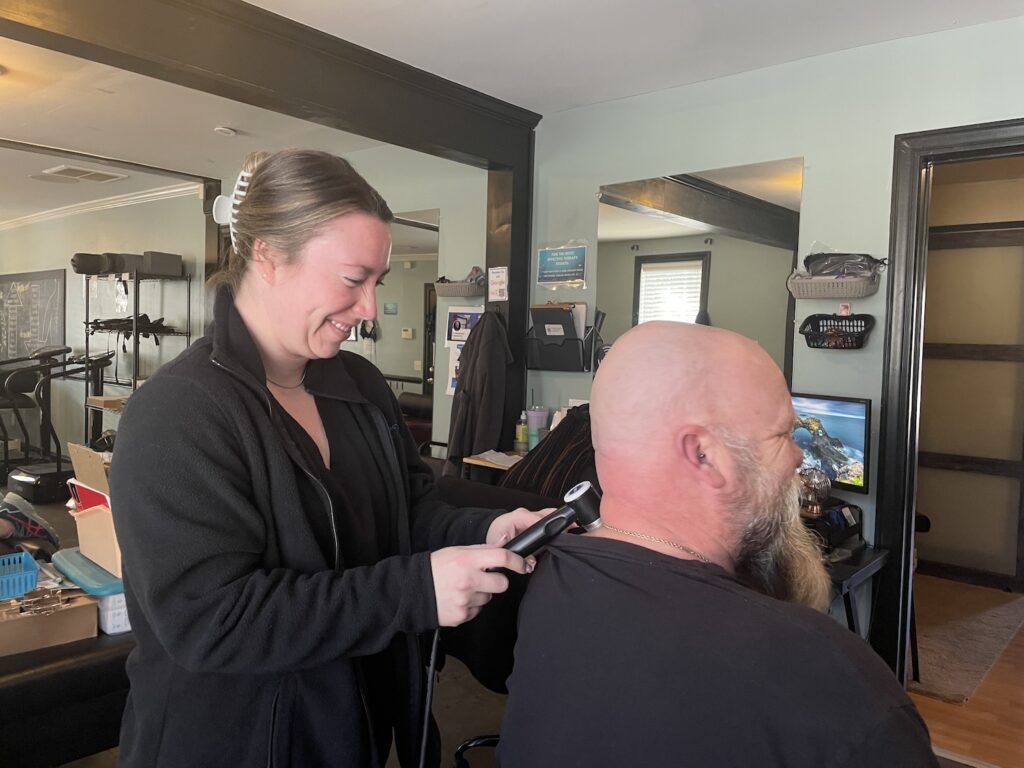
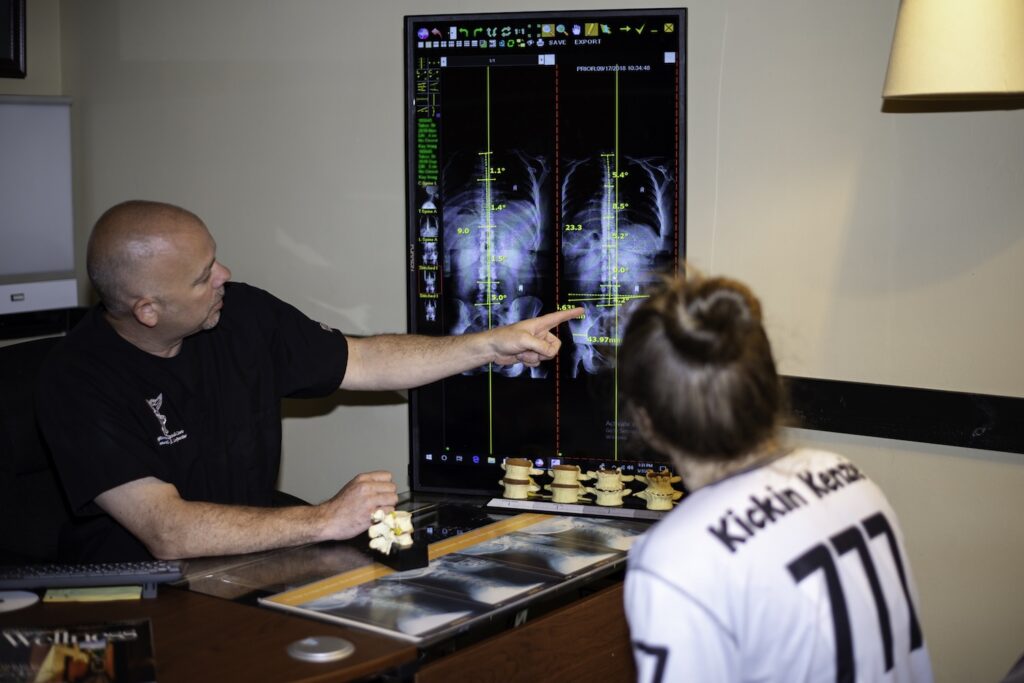
You may also benefit from chiropractic adjustments, which aim to restore proper alignment and function to your musculoskeletal system. By addressing misalignments, chiropractors can help improve your range of motion and reduce discomfort, allowing you to return to your sport more quickly.
Massage therapy is another valuable alternative for sports injuries. It can help relieve muscle tension, improve circulation, and promote relaxation. Regular sessions can assist in the recovery process, aiding in muscle repair and reducing the risk of future injuries.
You might also explore therapies such as yoga or Pilates, which can enhance flexibility and strength while providing a mind-body connection that supports emotional well-being.
Incorporating alternative therapies into your treatment plan can lead to a more thorough approach to recovery. Always consult with your healthcare provider to confirm these therapies are safe and appropriate for your specific injury.
Recovery and Prevention Strategies
Recovery from sports injuries requires a well-structured approach that not only focuses on healing but also on preventing future issues.
You'll want to start by following your healthcare provider's advice, ensuring you're adhering to any prescribed rehabilitation exercises. These exercises are vital for regaining strength and flexibility in the injured area.
Incorporating rest is equally important. Don't rush back into your sport; give your body the time it needs to heal fully. Listen to your body and recognize the signs of overexertion. If you feel pain, it's a signal to slow down. Gradually reintroduce activity, paying attention to how your body responds.
Alongside physical recovery, consider mental strategies. A positive mindset can enhance your healing process. Techniques like visualization and mindfulness can help you stay focused on your recovery goals.
To prevent future injuries, prioritize proper warm-up and cool-down routines before and after activities. This prepares your muscles and reduces the risk of strains.
Additionally, invest in the right gear. Proper footwear and equipment tailored to your sport can make a significant difference in preventing injuries.
Finally, maintain overall fitness with cross-training. Engaging in different types of exercise strengthens various muscle groups, improving your body's resilience against future injuries.
Conclusion
To sum up, exploring various treatment options for sports injuries is essential for your recovery and long-term health. By combining traditional methods, like rest and rehabilitation, with innovative therapies such as PRP and stem cell treatments, you can enhance your healing process. Don't forget the importance of tailored physical therapy and preventive strategies to keep you strong and injury-free. Embrace a thorough approach, and you'll not only recover but also return to your sport with renewed resilience and strength.