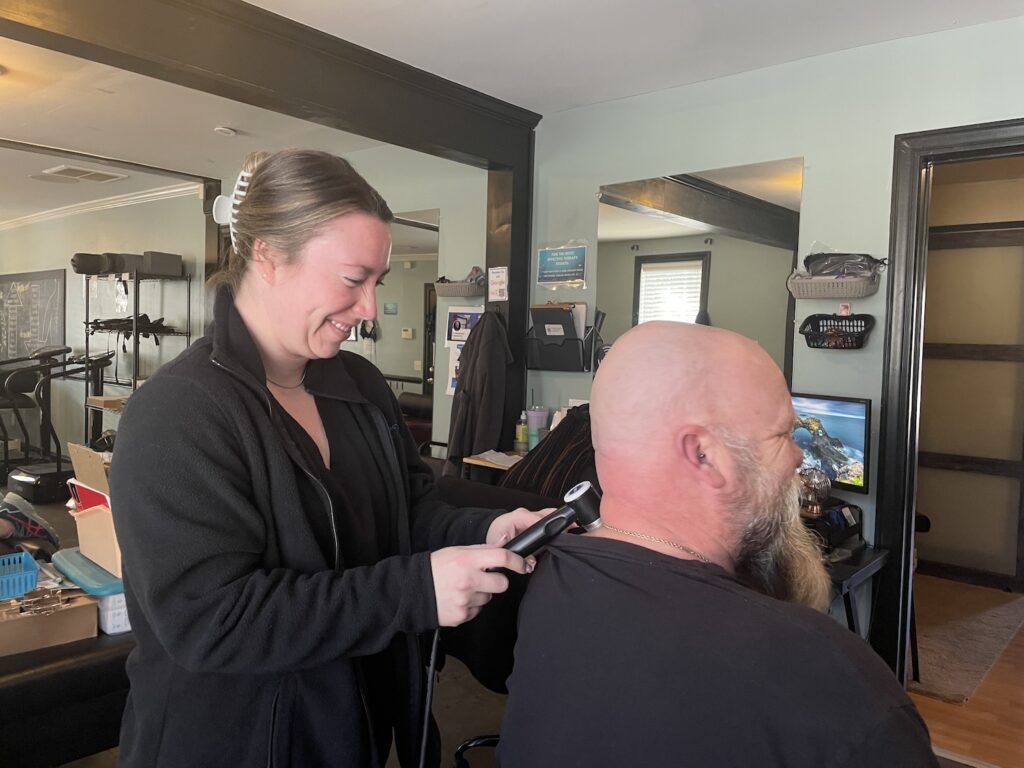
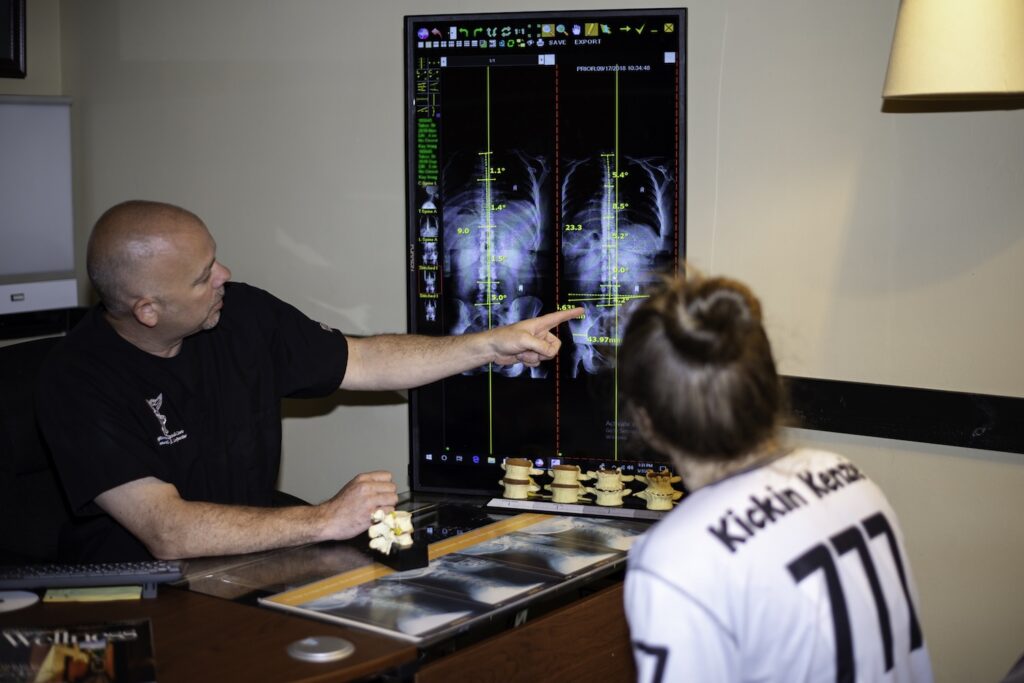
If you’ve recently faced a sports injury, you might be feeling overwhelmed and unsure of how to recover effectively. As a local chiropractor, I want to introduce you to the benefits of chiropractic care during your healing process. Our approach focuses on correcting misalignments in your body that can impede your recovery.
Chiropractic adjustments are not just about alleviating pain; they play a crucial role in enhancing your overall physical function. By tailoring treatment plans to your specific needs, we can help strengthen the muscles surrounding the injured area and improve your flexibility, which is vital for a successful comeback.
If you’re curious about how chiropractic care can make a difference in your recovery journey, I invite you to learn more about the holistic benefits it offers in sports rehabilitation. Together, we can work towards a healthier, stronger you!
Understanding the Impact of Sports Injuries
As a local chiropractor, I want to take a moment to discuss the often-overlooked effects of sports injuries on both your physical and mental well-being. Many people tend to focus on the immediate pain or the time spent away from their favorite activities, but the consequences of injuries can extend much further, affecting your overall quality of life.
Physically, injuries can lead to limitations that not only hinder your athletic performance but can also make everyday tasks feel more challenging. This is where chiropractic care can play a crucial role in your recovery. By addressing the alignment of your spine and improving your body’s overall function, we can help reduce pain and enhance your mobility, allowing you to return to your activities more effectively.
On the mental side, the anxiety surrounding the possibility of re-injury or the frustration of not being able to compete can lead to feelings of isolation or even depression. It’s common to experience a dip in motivation as you navigate these challenges. Understanding these impacts is essential for your recovery process.
At our practice, we emphasize a holistic approach to healing that encompasses both physical and emotional aspects. By recognizing how injuries affect you, we can work together to prepare you mentally for recovery. Our goal is to keep you positive and proactive throughout your healing journey.
The Role of Physical Therapy in Recovery
As a local chiropractor, I want to emphasize the vital role that chiropractic care plays in your recovery process, especially if you’re unfamiliar with the benefits of natural healing. Many people often view chiropractic treatment as a secondary option after an injury, but it can significantly enhance your healing journey.
Here’s how chiropractic care supports your recovery:
- Pain Relief: Chiropractic techniques, including adjustments and manipulations, are effective in alleviating pain and discomfort, allowing you to feel more comfortable as you heal.
- Strengthening and Stability: We develop personalized treatment plans that include specific exercises to strengthen the muscles around your injury, helping you regain stability and support.
- Improved Mobility: Our goal is to enhance your range of motion through guided stretches and adjustments, enabling you to move freely and without pain.
- Injury Prevention: During your sessions, you’ll learn valuable techniques and strategies to prevent future injuries, ensuring you can enjoy your activities safely.
- Holistic Support: Regular chiropractic care not only addresses physical symptoms but also fosters mental well-being, boosting your confidence and resilience throughout the recovery process.
Integrating chiropractic care into your rehabilitation plan can make a remarkable difference, helping you return to your activities stronger and more prepared than ever.
Don’t overlook the importance of chiropractic support in your healing journey!
Nutrition: Fueling the Healing Process
As a chiropractor dedicated to your recovery, I want to emphasize the vital role nutrition plays in your healing journey. The foods you consume can significantly influence your body’s ability to recover and promote overall well-being.
When you experience an injury, it’s essential to provide your body with the extra nutrients it needs to repair tissues and minimize inflammation. Incorporating lean proteins, such as chicken and fish, into your diet is crucial, as they aid in rebuilding muscle and supporting the healing process.
Whole grains and fruits serve as excellent sources of carbohydrates, supplying the energy you need to remain active throughout your recovery. Don’t overlook the importance of healthy fats, found in foods like avocados and nuts, as they contribute to reducing inflammation.
Additionally, staying well-hydrated is critical; water not only helps transport nutrients throughout your body but also plays a key role in recovery. Consider integrating antioxidant-rich foods, like berries and leafy greens, into your meals to help combat oxidative stress.
If you’re uncertain about how to optimize your diet for recovery, I encourage you to consult with a nutritionist. By nourishing your body with the right foods, you’ll enhance your healing process and set yourself up for a quicker and more effective recovery.
Mental Conditioning for Resilience
As a local chiropractor, I want to emphasize how important mental conditioning is in your recovery journey. Building resilience and staying motivated are crucial components of healing, and your mindset can significantly influence how you tackle challenges along the way.
Here are some practical strategies you can adopt to enhance your mental conditioning:
- Set Clear Goals: It’s helpful to break down your recovery into small, achievable milestones. This not only helps you stay focused but also keeps your motivation high as you celebrate each step forward.
- Visualize Success: Take a moment to envision yourself fully recovered and engaging in activities you love. This practice can enhance your confidence and foster a positive outlook on your healing process.
- Practice Positive Self-Talk: It’s easy to fall into negative thinking during recovery. Instead, try to replace those thoughts with positive affirmations that acknowledge your strength and determination. This mental shift can make a big difference.
- Develop a Routine: A structured daily schedule can be immensely beneficial. Incorporate physical therapy exercises, mental conditioning practices, and relaxation techniques to create a balanced approach to your recovery.
- Stay Connected: Remember, you don’t have to go through this alone. Engage with your teammates, coaches, or support groups. Sharing your experiences and receiving encouragement from others can significantly boost your morale and resilience.
By focusing on these strategies, you can foster a mindset that supports your overall healing and recovery process.
If you have any questions about how chiropractic care can fit into your journey, feel free to reach out. I’m here to help you on your path to wellness!
Importance of Rest and Recovery Time
As a local chiropractor, I want to emphasize the critical role that rest and recovery time play in your body’s healing process, especially following a sports injury. Many people underestimate this phase, but neglecting it can lead to prolonged pain and a higher risk of re-injury.
When you take the time to rest, your body begins to work its magic, repairing damaged tissues and reducing inflammation. This healing period is when your muscles, ligaments, and tendons rebuild, ultimately allowing you to return to your sport even stronger.
I understand the urge to jump back into training, but it’s vital to listen to your body. Pushing yourself too soon can hinder your recovery and set you back in the long run.
Incorporating sufficient rest into your recovery plan isn’t just beneficial for physical healing; it also supports your mental well-being. A fully recovered athlete isn’t only physically prepared but also possesses the confidence to perform at their best.
At our chiropractic practice, we focus on natural healing methods that promote recovery. I encourage you to prioritize your recovery process; it’s an essential step toward getting back to the activities you love.
Incorporating Stretching and Mobility Work
As a local chiropractor dedicated to helping you heal from sports injuries, I want to emphasize the importance of incorporating stretching and mobility work into your recovery routine.
These practices can significantly enhance your healing process by improving flexibility, reducing stiffness, and promoting better blood circulation, all of which are vital for your recovery.
Here are some key elements you might consider adding to your routine:
- Dynamic stretches: These involve movements that replicate the motions of your sport, helping to warm up your muscles effectively.
- Static stretches: Holding stretches for 15-30 seconds can improve your flexibility and increase your range of motion, which is crucial for recovery.
- Foam rolling: Using a foam roller can help release tension in tight muscles and fascia, promoting better mobility.
- Joint mobility exercises: Targeting specific joints can help increase their range of motion, which is essential for returning to your sport safely.
- Yoga or Pilates: Incorporating these practices can enhance your body awareness and stability, aiding in your overall recovery.
By integrating these practices into your healing journey, you can support your body’s natural ability to recover and get back to doing what you love sooner.
If you have any questions about how to safely incorporate these elements, please feel free to ask during your next visit!
Utilizing Technology for Injury Monitoring
As a local chiropractor, I want to share how incorporating technology into your injury monitoring can significantly aid your recovery journey. Wearable devices such as fitness trackers and smartwatches offer real-time insights into your activity levels, heart rate, and even muscle strain. By monitoring these important metrics, you can make necessary adjustments to your training and recovery routines, which is crucial for achieving optimal healing.
In addition to wearables, mobile apps can serve as valuable tools in your recovery. They allow you to log your symptoms, track your progress, and receive personalized recommendations tailored to your unique needs. This information empowers you to stay informed and make proactive decisions about your rehabilitation process.
Moreover, telehealth services can connect you with healthcare professionals like myself remotely. This means you can receive expert chiropractic advice without the hassle of traveling to an office. This convenience not only saves you time but also helps maintain your motivation and commitment to recovery.
Building a Support System for Recovery
As a local chiropractor, I want to emphasize how a strong support system can significantly enhance your recovery from sports injuries. Surrounding yourself with the right people can truly make a world of difference in your healing journey.
Emotional and practical support from those who care for you helps you maintain motivation and focus during this critical time. When you have understanding friends, family, and teammates by your side, it can alleviate feelings of isolation that often accompany recovery.
Here are some key components of a robust support system that can aid your healing process:
- Encouraging Friends: Positive influences can uplift your spirits when you need it most, reminding you to stay optimistic about your recovery.
- Experienced Coaches: They can provide valuable insights and help tailor your rehabilitation to meet your specific needs, ensuring a personalized approach.
- Healthcare Professionals: Regular check-ins with professionals like chiropractors ensure that your recovery is on track, allowing for adjustments to your treatment plan as needed.
- Support Groups: Engaging with others who’ve faced similar injuries can be incredibly reassuring and provide a sense of community.
- Accountability Partners: Having someone to help you adhere to your recovery plan can make it easier to stay committed and focused on your goals.
By building a strong support system, not only will you enhance your recovery, but you’ll also cultivate resilience that can benefit you in all areas of life.
Embracing a holistic approach to healing, including chiropractic care, can further support your journey back to health.
Setting Realistic Goals During Rehabilitation
As a local chiropractor, I want to emphasize the importance of setting realistic goals during your recovery from an injury.
It’s crucial to evaluate the severity of your condition and tailor your expectations accordingly. I recommend breaking down your recovery journey into short-term milestones while also keeping an eye on your long-term health objectives.
This strategy not only helps maintain your motivation but also allows us to monitor your progress effectively.
Assessing Injury Severity
As a local chiropractor, I want to emphasize the importance of evaluating injury severity in order to set realistic rehabilitation goals that fit your unique recovery timeline.
Understanding the extent of your injury is crucial as it allows you and our healthcare team to create a personalized plan that promotes natural healing.
Here are some key aspects to consider during this assessment:
- Pain Level: It’s important to gauge your pain on a scale so we can track any changes over time. This helps us understand how your body is responding to treatment.
- Mobility: Assessing your range of motion and functional ability is vital. We want to see how well you can move and perform everyday tasks as we work together on your recovery.
- Swelling: Keep an eye on any swelling or inflammation around the injured area. This can indicate how your body is healing and guide our approach to treatment.
- Strength: We’ll test the strength of the affected muscles and compare them to the uninjured side. This helps us identify any weaknesses that need to be addressed during your rehabilitation.
- Healing Timeframe: It’s important to have an open conversation about the expected duration of your recovery. I’ll work with you to create a realistic timeline based on your specific situation and goals.
Short-Term Milestones
Setting short-term milestones is a crucial aspect of your rehabilitation journey, especially when it comes to chiropractic care and natural healing. These goals help you stay motivated and focused as you work towards recovery. By breaking your healing process into manageable steps, you can effectively track your progress and celebrate those small victories along the way.
Begin by identifying specific, achievable targets that align with your treatment plan. This could involve improving your range of motion, increasing strength in a particular muscle group, or even reducing pain levels. It’s important to ensure that these milestones are realistic and time-bound. For example, you might aim to complete a specific series of stretches or exercises by the end of the week.
Regularly reassessing your goals is key to staying on track and making necessary adjustments. Each milestone you reach not only boosts your confidence but also reinforces your commitment to the healing process.
Long-Term Recovery Vision
As a local chiropractor dedicated to your well-being, it’s important to understand that envisioning your long-term recovery is a collaborative journey. Setting realistic goals that align with your chiropractic care plan is crucial for your healing process. By taking this approach, you can stay motivated and focused as you navigate the journey of recovery.
Here are some key aspects to consider when setting your health goals:
- Assess Your Current Condition: Begin by understanding your physical state and any limitations you might have. This helps us tailor a treatment plan that suits your needs.
- Break Down Your Recovery: We’ll work together to divide your recovery into manageable phases. This allows for gradual progress and helps prevent overwhelm.
- Set SMART Goals: We encourage you to establish specific, measurable, achievable, relevant, and time-bound (SMART) goals. This structured method helps clarify what you aim to achieve and keeps you on track.
- Regularly Evaluate Progress: It’s important to regularly check in on your progress. We can adjust your goals and treatment plan as needed to ensure you’re moving in the right direction.
- Stay Patient and Positive: Remember, healing takes time. Maintaining a positive mindset is key, and I’m here to support you every step of the way.
With these strategies in mind, you can actively participate in your recovery process and experience the benefits of chiropractic care and natural healing.
Transitioning Back to Sports: Best Practices
As you consider returning to sports after an injury, it’s vital to understand the best practices that can ensure a safe and effective transition. First and foremost, I recommend consulting with your healthcare provider, such as a chiropractor, who can assess your condition and readiness to resume physical activities.
A tailored recovery plan is essential, and we can work together to create one that gradually reintegrates you into your sport. Incorporating strength training and flexibility exercises is crucial for rebuilding your body and preventing re-injury. These exercises not only enhance your physical capabilities but also promote proper alignment and function, which are key aspects of chiropractic care.
Additionally, including sport-specific drills in your routine can help you regain your skills, but it’s important to start at a low intensity. Listening to your body is fundamental during this process. If you experience any pain or discomfort, it’s important to stop and reassess. Rushing back can lead to setbacks, so patience is essential.
Maintaining open communication with your coach or trainer is also important; ensuring they’re aware of your recovery status can help tailor your training appropriately. Lastly, don’t overlook the importance of proper nutrition and hydration. A well-balanced diet and adequate water intake will support your body during this transition and enhance your recovery.
Conclusion
As a local chiropractor, I want to share how incorporating chiropractic adjustments into your recovery plan can significantly enhance your healing process from sports injuries. Many people may not realize that chiropractic care focuses on correcting misalignments in the body, which can improve your overall mobility and help alleviate pain. This not only contributes to your physical well-being but also strengthens your mental resilience during recovery.
In addition to chiropractic adjustments, it’s essential to consider other aspects of your recovery, such as maintaining proper nutrition, ensuring adequate rest, and building a supportive network of friends and family. These elements are vital in fostering a holistic healing environment.
As you begin to transition back to your sports activities, I encourage you to set realistic goals and actively engage with your recovery process. This commitment will help ensure a successful and safe return to the field. Remember, I’m here to guide you through this journey and provide the support you need to recover effectively.