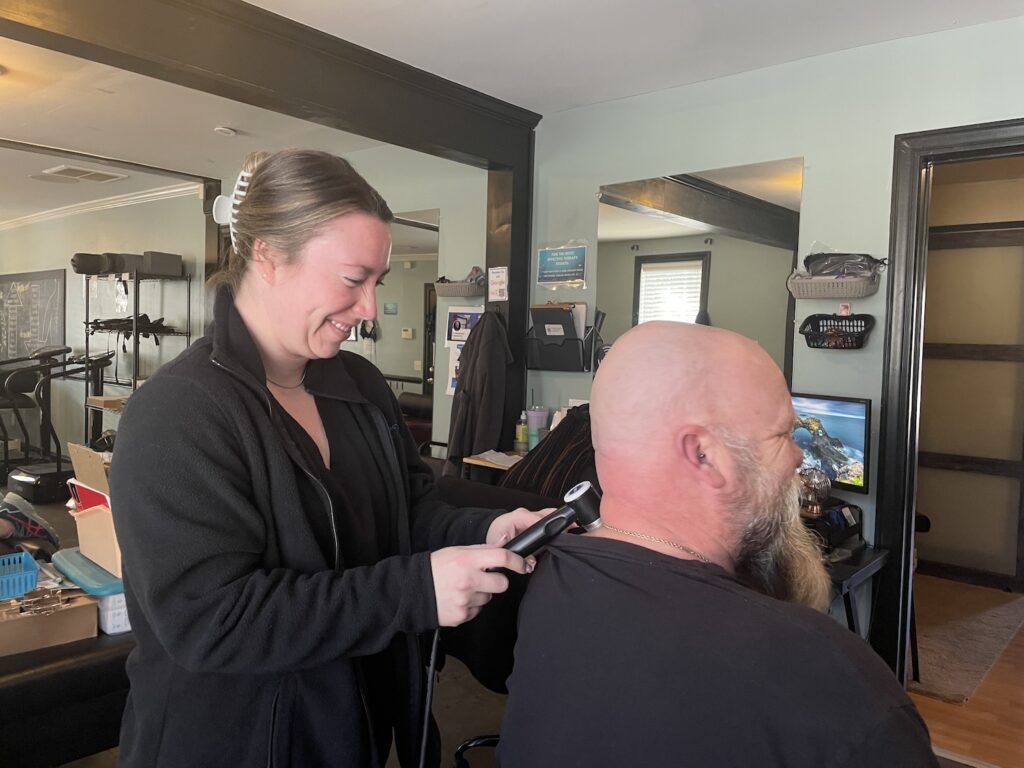
You might not realize how much your posture affects your daily life, from your energy levels to your confidence. By seeking professional care, you can uncover the root causes of your posture problems and receive tailored treatments that address them effectively. Whether it's through physical therapy, chiropractic adjustments, or massage, expert guidance can transform your body mechanics and overall well-being. Curious about the specific techniques and exercises that can support this journey? There's more to discover about how you can enhance your posture and improve your life.
Understanding Poor Posture
Understanding poor posture is essential for your overall health and well-being. It doesn't just affect how you look; it impacts how you feel and function daily. When your body isn't aligned properly, you may experience discomfort, fatigue, and even chronic pain. Poor posture can lead to muscle imbalances, putting extra strain on certain muscle groups while others weaken.
You might find yourself slouching while sitting or standing, which can compress your spine and lead to misalignments. This compression can hinder your breathing and digestion, making you feel lethargic. Over time, these issues can escalate into more serious conditions, like herniated discs or joint problems, which can limit your mobility and overall quality of life.
Recognizing the signs of poor posture is the first step toward improvement. Look for signs like rounded shoulders, a protruding abdomen, or a forward head position. These indicators suggest that your body is compensating for improper alignment, which can lead to discomfort.
Incorporating small changes into your daily routine can help combat these issues. Pay attention to how you sit, stand, and move throughout the day. Awareness is key.
Consider strengthening your core muscles, as they play a significant role in maintaining good posture. Simple exercises, stretches, and mindful adjustments can make a world of difference.
Common Causes of Posture Problems
You mightn't realize it, but several everyday factors can contribute to your posture problems.
A sedentary lifestyle, poor ergonomic setups, and muscle imbalances can all play significant roles in how you hold your body.
Let's take a closer look at these common causes and how they impact your posture.
Sedentary Lifestyle Effects
A sedentary lifestyle can wreak havoc on your posture, leading to a range of discomforts and long-term health issues. When you spend hours sitting, especially without proper support, your muscles weaken and become imbalanced. This imbalance can cause your body to adopt unnatural positions that strain your spine and joints.
You might find yourself slouching or leaning forward, which puts pressure on your back and neck. Over time, this can lead to chronic pain and tension headaches. Your hip flexors can tighten, while your glutes may weaken, further contributing to poor alignment.
If you work at a desk for long periods, you might also notice discomfort in your shoulders and upper back from hunching over your computer.
It's essential to recognize these signs early on. Incorporating regular movement into your day, even if it's just standing up or stretching every hour, can help combat the negative effects of prolonged sitting.
Simple changes, like walking during breaks or adjusting your seating position, can make a significant difference in your posture and overall well-being. Don't let a sedentary lifestyle dictate your health; take proactive steps to enhance your posture today.
Poor Ergonomic Setup
Neglecting proper ergonomic setup is a common pitfall that contributes considerably to posture problems. You mightn't realize it, but the way you arrange your workspace can greatly affect how you sit and stand throughout the day.
If your chair isn't supportive or your desk is too high, it can lead to slouching or leaning forward, putting excessive strain on your back and neck.
Reflect on the placement of your computer screen. If it's too low, you may find yourself looking down for extended periods, causing discomfort.
Your keyboard and mouse should also be positioned to allow your arms to rest comfortably at your sides, reducing tension in your shoulders.
Another factor to reflect on is your seating position. If your feet can't rest flat on the floor, you could be inadvertently creating an imbalance that affects your posture.
Muscle Imbalance Issues
Muscle imbalances are a major contributor to posture problems, affecting many people daily. When certain muscles are stronger or tighter than their opposing counterparts, they can pull your body out of alignment. For instance, if your chest muscles are tight while your back muscles are weak, you might find yourself hunched forward. This imbalance can lead to discomfort and long-term issues if not addressed.
You might notice these imbalances from activities you do regularly. Spending long hours sitting at a desk can tighten your hip flexors while weakening your glutes, contributing to lower back pain.
Similarly, repetitive motions in sports or jobs can cause one side of your body to become stronger, leading to uneven posture.
To correct these imbalances, you'll want to focus on strengthening weaker muscles and stretching tighter ones. Incorporating exercises like rows for your back and chest stretches can help restore balance.
Additionally, consulting a professional can provide tailored strategies to address your specific needs. By actively working on your muscle imbalances, you'll not only improve your posture but also enhance your overall well-being.
Benefits of Professional Care
When you seek professional care for your posture, you open the door to a range of benefits that can greatly enhance your overall well-being. By addressing any imbalances or misalignments, you'll not only feel better physically but also improve your mental clarity and emotional health.
Here are some key advantages you can expect from professional care:
- Improved Alignment: Professionals can assess your posture and provide tailored treatments to correct misalignments, leading to better overall body mechanics.
- Reduced Pain: Many people suffer from chronic pain due to poor posture. Professional care helps alleviate discomfort, allowing you to engage in daily activities with ease.
- Increased Energy Levels: Proper alignment promotes better circulation and oxygen flow, which can boost your energy and enhance your productivity.
- Enhanced Confidence: Good posture can positively impact your self-image. When you stand tall and carry yourself well, you naturally feel more confident in social and professional settings.
- Preventative Care: Regular check-ups with a professional can help identify potential issues before they become serious problems, ensuring long-term health benefits.
Investing in professional care for your posture isn't just about looking good; it's about feeling great, too.
Types of Professional Help
There are several types of professional help available to improve your posture, each offering unique approaches and benefits.
One popular option is physical therapy. A physical therapist assesses your posture and creates a customized exercise program designed to strengthen weak muscles and stretch tight ones, helping you achieve better alignment.
Chiropractic care is another effective choice. Chiropractors focus on spinal adjustments and manipulations to alleviate discomfort and restore proper alignment. They may also provide advice on ergonomic practices, guaranteeing your workspace supports your posture goals.
If you're looking for a holistic approach, consider visiting an osteopath. Osteopaths examine the body as a whole and use gentle manipulation techniques. They address musculoskeletal issues and recommend lifestyle changes to enhance your overall posture and well-being.
You might also explore massage therapy, which can relieve tension in tight muscles that contribute to poor posture. Regular sessions can help you become more aware of your body's alignment and improve your posture over time.
Finally, personal trainers with expertise in posture correction can guide you through specific exercises that target posture improvement. They can motivate you and guarantee you're using proper techniques to avoid injury.
Techniques for Improving Posture
A variety of techniques can greatly enhance your posture, making it easier to stand tall and feel confident.
By incorporating these straightforward methods into your daily routine, you'll notice improvements in how you carry yourself and how others perceive you.
Here are some effective techniques you can try:
- Mindfulness: Pay attention to your posture throughout the day. Regularly check in with your body and adjust your alignment as needed.
- Breath Control: Practice deep breathing. Engaging your diaphragm can help you lift your chest and align your spine better.
- Ergonomic Adjustments: If you spend long hours at a desk, invest in ergonomic furniture. Make certain your chair, desk, and computer screen are set up to promote good posture.
- Posture Reminders: Use sticky notes or reminders on your phone to prompt you to check your posture. This small nudge can make a big difference over time.
- Stretching: Incorporate gentle stretches into your day. Stretching can relieve tension in your muscles and encourage a more open posture.
Exercises to Support Posture
Many people underestimate the impact of specific exercises on improving posture. Incorporating targeted movements into your routine can greatly enhance your alignment and strengthen the muscles that support your spine. Here are some effective exercises you can start today.
First, try the wall angel. Stand with your back against a wall, feet slightly away from it. Raise your arms to form a "W" shape and slide them up the wall while keeping your elbows and wrists in contact. This exercise strengthens your upper back and opens your chest, combating the slouch that comes from long hours of sitting.
Next, do the chin tuck. Sit or stand up straight, gently pull your chin back toward your neck, and hold for a few seconds. This simple movement helps strengthen the neck muscles, reducing forward head posture.
Another excellent exercise is the bird-dog. Start on your hands and knees, then extend one arm forward and the opposite leg back. Hold for a few seconds, then switch sides. This exercise engages your core and promotes stability in your lower back.
Finally, incorporate bridges into your routine. Lie on your back with your knees bent and feet flat on the floor. Lift your hips toward the ceiling, squeezing your glutes at the top. This strengthens your lower back, glutes, and hamstrings, all essential for maintaining good posture.
Maintaining Good Posture Daily
To maintain good posture daily, you need to be mindful of your body alignment throughout your activities.
Whether you're sitting at your desk, standing in line, or even walking, small adjustments can make a big difference. Good posture not only enhances your appearance but also prevents discomfort and long-term health issues.
Here are some tips to help you maintain good posture every day:
- Sit Smart: Use a chair that supports your lower back. Keep your feet flat on the floor, and don't slouch.
- Stand Tall: Distribute your weight evenly on both feet. Keep your shoulders back and your head aligned with your spine.
- Move Regularly: Don't sit or stand in one position for too long. Get up, stretch, or take a short walk every hour to reset your posture.
- Use Proper Ergonomics: Adjust your workstation to fit your body. Position your screen at eye level and keep your keyboard and mouse at a comfortable height.
- Be Mindful: Throughout the day, check in with your body. Are you slumping? Are your shoulders creeping up? Make adjustments as needed.
Success Stories and Testimonials
Transforming your posture can lead to remarkable improvements in both physical well-being and overall confidence. Many individuals have experienced significant changes after seeking professional care, and their stories can inspire your journey towards better posture.
Take Sarah, for example. After years of desk work, she struggled with chronic back pain and fatigue. After just a few sessions with a posture specialist, she reported feeling lighter and more energized. Her confidence soared as she noticed not only physical changes but also improvements in her overall mood.
She now stands taller, and her colleagues often comment on her newfound presence.
Then there's Mark, who was hesitant to reach out for help. He felt his slouched posture was just part of aging. After a series of targeted exercises and adjustments, he discovered he could regain lost strength.
Mark's story highlights how it's never too late to make a change. He now participates in community sports with enthusiasm, crediting his improved posture for boosting his performance and self-esteem.
Your story could be next. With the right guidance and support, you can experience similar transformations. Whether it's overcoming pain or enhancing your confidence, professional care can make a difference.
Countless testimonials highlight the life-changing effects of improved posture, proving that taking the first step can lead to incredible results. Embrace the opportunity to enhance your posture and witness the positive changes unfold in your life.
Conclusion
Improving your posture with professional care can truly transform your health and well-being. By seeking help from experts, you'll gain personalized strategies to strengthen your muscles and correct misalignments. Embrace the exercises and techniques they provide, and make a commitment to maintain good posture daily. As you build these habits, you'll not only feel more confident but also enjoy a more active lifestyle. Start your journey toward better posture today—you deserve it!