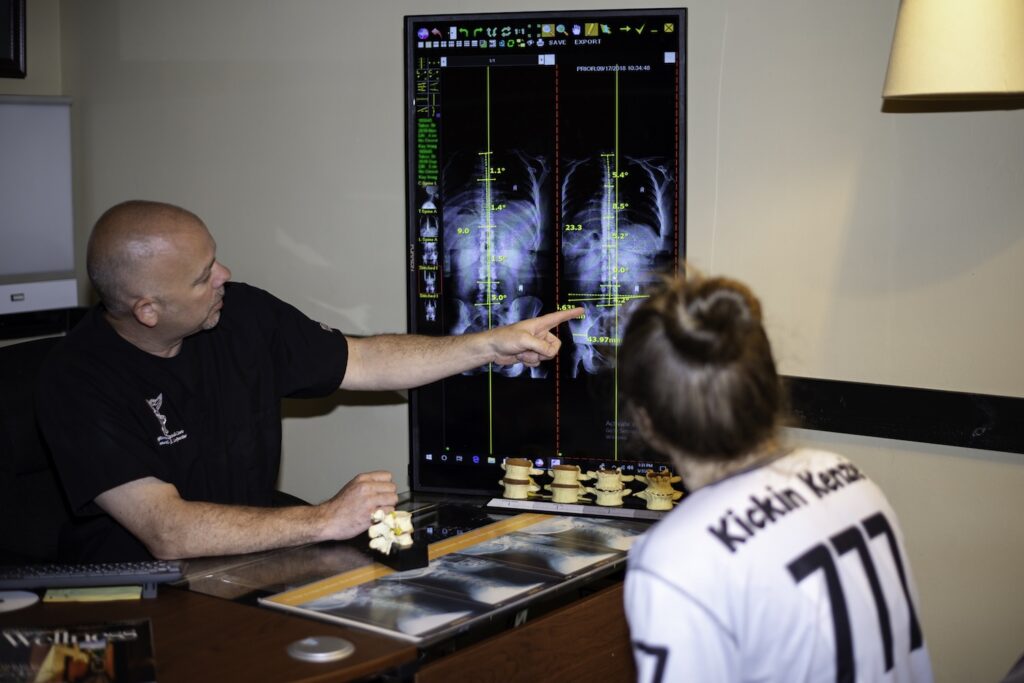
If you’re living with chronic pain, it’s important to know how chiropractic care can help you find relief and promote natural healing. Chiropractors use a variety of effective techniques for pain management, including spinal manipulation and soft tissue therapy, each designed to target specific areas of discomfort and improve your overall well-being. Many patients discover that a combination of these approaches is the most effective way to support their recovery journey.
So, what do these techniques involve, and how can they aid in your path to optimal health? Let’s break down these effective strategies in a way that’s easy to understand.
- Spinal Manipulation: This is one of the most well-known chiropractic techniques. It involves gently adjusting the spine to correct misalignments, which can relieve pressure on nerves, reduce inflammation, and alleviate pain. Regular adjustments can help maintain proper spinal alignment and prevent future discomfort.
- Soft Tissue Therapy: This technique focuses on the muscles, tendons, and ligaments surrounding the spine. By using methods like massage and stretching, chiropractors can reduce tension, enhance circulation, and promote relaxation in these areas, all contributing to pain reduction and improved mobility.
- Lifestyle Advice: Chiropractors are also committed to helping you adopt healthier habits. This might include tips on proper posture, ergonomic adjustments at work, and exercise recommendations tailored to your needs. These lifestyle changes can significantly enhance the effectiveness of your chiropractic treatments.
- Home Exercises and Stretches: Your chiropractor may provide you with specific exercises and stretches to do at home. These can help strengthen your muscles, increase flexibility, and support your overall recovery. Consistency is key, and these simple exercises can make a big difference in your pain management journey.
- Nutrition Guidance: A healthy diet plays a vital role in your recovery and overall health. Your chiropractor may offer nutritional advice to help reduce inflammation and support your body’s natural healing processes.
Chiropractic care offers a holistic approach to pain relief and wellness, focusing on natural healing methods without the need for surgery or medication. By incorporating these techniques into your routine, you can work towards achieving optimal health and a pain-free lifestyle. Remember, your journey to wellness is a partnership—stay engaged with your chiropractor and communicate openly about your progress and any concerns you may have. Together, you can find the best path to relief and recovery.
Key Takeaways
As a local chiropractor, I want to share some effective techniques that can help you manage pain and enhance your overall wellness naturally.
- Spinal Manipulation: This technique is all about restoring alignment in your spine. When your spine is aligned properly, it helps relieve pressure on your nerves, leading to significant pain relief. This not only feels great but also improves your overall wellness, allowing your body to function at its best.
- Soft Tissue Therapy: Techniques like myofascial release and trigger point therapy are fantastic for relieving muscle tension. These methods encourage your body to heal naturally without the need for medications. By focusing on the soft tissues, we can help you feel more relaxed and reduce discomfort.
- Therapeutic Exercise Programs: I believe that staying active is key to preventing future pain. That’s why I create customized exercise programs that focus on building core strength, improving flexibility, and enhancing mobility. When you empower your body to heal through movement, you’re less likely to experience discomfort down the road.
- Heat and Cold Therapy: Using heat packs or cold compresses can be very effective in managing pain and reducing swelling. These simple tools are easy to use at home and can provide immediate relief. Additionally, therapies like electrical stimulation and ultrasound can improve circulation and promote healing in the affected areas.
- Patient Education: I’m here to help you understand how lifestyle choices and nutrition can impact your health. Making informed decisions about your daily habits can play a significant role in managing pain and achieving overall wellness. Simple changes, like staying hydrated and eating a balanced diet, can make a big difference.
Remember, chiropractic care is a holistic approach that focuses on your body’s natural ability to heal itself. By choosing chiropractic, you’re taking a positive step towards a healthier, pain-free life. If you have any questions or need personalized advice, feel free to reach out!
Spinal Manipulation Techniques
When you think about chiropractic care, spinal manipulation techniques are often at the forefront as essential tools for achieving pain relief and overall wellness. These adjustments are designed to restore proper alignment in your spine, enhancing your body’s functionality and promoting natural healing. By applying gentle, controlled pressure to specific joints, chiropractors alleviate nerve pressure and help reduce discomfort.
There are several types of spinal manipulation techniques you might encounter, such as the diversified technique, which involves quick thrusts to mobilize the spine, or the Gonstead method, which focuses on precise adjustments for targeted relief. Each of these methods is tailored to address specific issues, whether you’re dealing with chronic back pain, headaches, or discomfort from past injuries.
As you receive these adjustments, you may notice improvements in your mobility and a decrease in pain. Chiropractors personalize each session to fit your individual needs, ensuring you receive the most effective care possible. Embracing spinal manipulation can truly transform your path toward pain relief and enhanced well-being.
To support your journey to optimal health, consider incorporating some simple tips into your daily routine. Maintaining good posture while sitting and standing can significantly reduce strain on your spine. Regular stretching and light exercises can also help keep your muscles flexible and strong. Staying hydrated and nourishing your body with healthy foods will further contribute to your overall wellness.
Soft Tissue Therapy
Soft tissue therapy is a vital component of achieving optimal health and managing pain, especially when it comes to the muscles and connective tissues in your body. As a chiropractor, I highly recommend incorporating techniques such as myofascial release and trigger point therapy into your wellness routine. These methods not only help alleviate tension but also enhance your mobility, allowing you to live a more active and pain-free life.
By focusing on the body’s soft tissues, we can promote natural healing and overall wellness. Unlike other forms of healthcare, which may rely on medications or surgeries, chiropractic care provides a holistic and natural approach to pain relief. It’s about helping your body heal itself and restoring balance without invasive procedures.
Here are some simple tips you can incorporate into your daily routine to support your health:
- Stay Active: Regular physical activity helps maintain muscle health and flexibility. Even a daily walk can make a big difference.
- Practice Good Posture: Be mindful of your posture throughout the day. Sitting and standing correctly can prevent unnecessary strain on your muscles and spine.
- Stretch Regularly: Gentle stretching can relieve tension in your muscles and improve your range of motion. Consider integrating stretching exercises into your morning or evening routine.
- Stay Hydrated: Drinking plenty of water supports your muscles and connective tissues, helping to keep them healthy and functioning well.
- Listen to Your Body: If you feel discomfort or tension, don’t ignore it. Seeking chiropractic care early can prevent bigger issues down the line.
Incorporating these practices into your life, along with regular chiropractic check-ups, can lead to significant improvements in your health and well-being.
Myofascial Release Techniques
As a local chiropractor dedicated to your health and wellness, I want to share the powerful benefits of myofascial release, a remarkable soft tissue therapy that can significantly enhance your journey to better health. This technique focuses on the fascia, which is the connective tissue surrounding your muscles. By relieving tension in this area, myofascial release can improve your mobility and help you feel more comfortable in your own body.
Here’s a simple overview of the benefits of myofascial release:
| Benefits | Description |
|---|---|
| Pain Reduction | Helps alleviate chronic pain and discomfort |
| Improved Mobility | Increases flexibility and range of motion |
| Stress Relief | Encourages relaxation and lowers tension |
Incorporating myofascial release into your wellness routine can lead to notable improvements in your overall health. Here are some tips to consider for integrating this technique into your life:
- Stay Active: Regular physical activity can keep your fascia healthy. Activities like walking, stretching, or yoga can be beneficial.
- Hydrate: Drinking plenty of water helps maintain the elasticity of your fascia and supports overall tissue health.
- Listen to Your Body: Pay attention to areas of tension. If you notice tightness, gentle stretching or a visit to your chiropractor for myofascial release can provide relief.
- Posture Matters: Maintaining good posture can prevent the buildup of tension in the fascia. Be mindful of your sitting and standing positions throughout the day.
- Regular Chiropractic Care: Make chiropractic adjustments a part of your routine. Chiropractic care not only addresses spinal alignment but also complements techniques like myofascial release, leading to optimal health and wellness.
Trigger Point Therapy
Trigger point therapy is a powerful tool in chiropractic care that focuses on relieving pain by targeting specific areas of muscle tension, known as trigger points. These tight knots can cause discomfort and limit your range of motion, making daily activities more challenging.
During a session, your chiropractor will apply pressure to these trigger points, helping to release the built-up tension and improve blood flow to the affected areas. While you may feel some discomfort at first, the relief that comes afterward can be quite remarkable.
This technique not only helps to alleviate pain but also enhances your mobility, allowing you to move more freely and comfortably throughout your day. By incorporating trigger point therapy into your overall wellness plan, you can experience significant benefits, especially if you’re dealing with chronic pain or muscle tightness.
Chiropractic care, including trigger point therapy, is a natural and effective way to support your body’s healing process. It promotes a healthier lifestyle without the need for medications or invasive procedures.
Here are some general tips to enhance your recovery and well-being:
- Stay Hydrated: Drinking plenty of water helps to flush out toxins and keeps your muscles hydrated, which can minimize tension.
- Stretch Regularly: Incorporating gentle stretching into your daily routine can help maintain flexibility and prevent muscle tightness.
- Practice Good Posture: Being mindful of your posture while sitting, standing, or moving can significantly reduce strain on your muscles.
- Engage in Regular Exercise: Low-impact activities, such as walking or swimming, can help keep your muscles strong and reduce the risk of developing trigger points.
- Listen to Your Body: Pay attention to any areas of discomfort and address them promptly with your chiropractor to prevent further issues.
Therapeutic Exercises
When it comes to managing pain naturally, incorporating therapeutic exercises into your daily routine can truly make a world of difference. As a chiropractor, I believe that customized exercise programs focusing on core strengthening, flexibility, and mobility are essential for your overall health and well-being.
These exercises not only aid in recovery but also play a crucial role in preventing future discomfort. By engaging in therapeutic exercises, you empower your body to heal itself, which is the essence of chiropractic care.
Whether you’re looking to improve your posture, alleviate back pain, or enhance your overall wellness, these simple yet effective movements can be tailored to fit your unique needs.
Here are a few general tips to help you get started:
- Start Slow: If you’re new to exercise, begin with gentle stretches and gradually progress to more intense movements as you gain strength and confidence.
- Focus on Your Core: Strong core muscles support your spine and overall body function. Incorporate exercises like planks and bridges into your routine.
- Stay Consistent: Consistency is key! Aim to incorporate these exercises into your daily schedule, even if it’s just for a few minutes.
- Listen to Your Body: Pay attention to how your body feels during and after exercises. If something doesn’t feel right, it’s important to adjust or stop the activity.
- Consult Your Chiropractor: Always consider discussing your exercise routine with your chiropractor. They can provide personalized advice and ensure you’re on the right path to optimal health.
Customized Exercise Programs
Customized exercise programs are a vital component of effective pain management and overall wellness. As a chiropractor, I believe that tailoring your exercise routine to your specific needs is key to achieving optimal health. By assessing your posture, flexibility, and strength, I can create a personalized plan that not only alleviates pain but also enhances your overall function.
These programs typically include a mix of stretching, strengthening exercises, and low-impact cardio, all designed to promote a balanced approach to rehabilitation. You’ll be guided through movements that specifically target areas of discomfort, which can help improve your mobility and reduce any pain you’re experiencing.
As you progress and start to feel better, I may adjust your program to keep challenging you and encourage continuous improvement. Remember, consistency is crucial! By incorporating these exercises into your daily routine, you can experience long-lasting benefits that greatly enhance your quality of life.
Here are some general tips to help you get the most out of your customized exercise program:
- Stay Committed: Make your exercise routine a non-negotiable part of your day. Set aside time for it, just like you’d for any other important appointment.
- Listen to Your Body: Pay attention to how you feel during and after exercises. If something doesn’t feel right, let me know so we can make adjustments.
- Focus on Form: Quality over quantity is key! Proper form helps prevent injury and ensures you’re getting the most out of each movement.
- Stay Hydrated: Drinking plenty of water before, during, and after exercise supports muscle function and recovery.
- Be Patient: Healing and improvement take time. Celebrate small victories and remember that every step forward is a step towards better health.
Core Strengthening Techniques
Building on the foundation of a personalized exercise program, core strengthening techniques are essential for enhancing overall stability and support for your body. These exercises specifically target the muscles in your abdomen, lower back, and pelvis, creating a solid base for movement that’s crucial for maintaining a healthy spine.
When you strengthen your core, you not only improve your posture and balance but also enhance your overall performance in daily activities. Incorporating exercises such as planks, bridges, and pelvic tilts into your routine can significantly alleviate pain and help prevent injuries.
Remember, focusing on proper form is key. Gradually increasing the intensity of your workouts can help avoid unnecessary strain on your body.
By prioritizing core strength, you can manage pain more effectively and boost your confidence in physical activities, making everyday tasks feel easier and more enjoyable. As a chiropractor, I encourage you to view core strengthening as an integral part of your health and wellness journey.
Emphasizing natural methods, like exercise and proper alignment, is a safe way to promote healing and overall wellness. Incorporating these core exercises into your routine can lead to better spinal health and overall well-being.
Always listen to your body, and if you have any concerns or experience pain, consider consulting with a chiropractor for tailored advice and care. Taking steps to strengthen your core is a proactive way to ensure a healthier, happier you.
Flexibility and Mobility Work
While strengthening your core is crucial for overall health, incorporating flexibility and mobility work into your routine is just as important for effective pain relief.
These exercises not only enhance your range of motion but also help prevent stiffness, enabling your body to move freely and comfortably. Activities like stretching, yoga, and dynamic movements can be particularly beneficial. They help alleviate tension, promote better circulation, and support muscle recovery—all key elements in your journey toward natural wellness.
By regularly practicing flexibility and mobility exercises, you can improve your physical performance and significantly reduce the risk of injuries.
As your chiropractor, I may suggest specific stretches tailored to your unique needs, focusing on tight areas and enhancing the function of your joints. Integrating these practices into your daily routine can support your body’s natural healing processes, leading to a more balanced, pain-free life.
Here are some simple tips to get you started:
- Set Aside Time Daily: Dedicate just 10-15 minutes each day to flexibility exercises.
- Listen to Your Body: Pay attention to areas that feel tight or tense and focus on those during your stretches.
- Stay Consistent: Incorporate these exercises into your regular routine for the best results.
- Consider Yoga: Try attending a local yoga class, which can provide guided instruction and community support.
- Breath Deeply: Remember to breathe deeply while stretching; it helps relax your muscles and enhances the effectiveness of the stretches.
Posture Correction
Good posture is key to maintaining overall health and can significantly influence your comfort levels. When you keep your body in proper alignment, you reduce unnecessary strain on your muscles and joints, leading to less discomfort.
As a chiropractor, I focus on posture correction to help you achieve better alignment and enhance your well-being naturally. Here are three effective techniques I often use to support my patients:
- Posture Assessment: I begin by evaluating your posture to pinpoint any imbalances and areas that may need attention. This helps us understand the root causes of any discomfort you may be experiencing.
- Spinal Adjustments: I perform gentle spinal adjustments to correct misalignments and help your body return to its natural, optimal position. This can relieve tension and improve your overall function.
- Tailored Exercises: I’ll provide you with personalized exercises designed to strengthen specific muscle groups that support good posture. These exercises not only promote better alignment over time but also empower you to take an active role in your health.
In addition to these techniques, here are some general tips to improve your posture daily:
- Mind Your Sitting Position: When sitting, keep your feet flat on the floor, your back straight, and shoulders relaxed. Consider using a supportive chair that encourages good posture.
- Take Breaks: If you find yourself sitting for long periods, make a habit of standing up and stretching every 30 minutes to maintain mobility and reduce stiffness.
- Stay Active: Regular physical activity, including walking or yoga, can strengthen your core muscles and improve your posture.
Lifestyle and Nutritional Counseling
Understanding the role of lifestyle and nutrition is essential for enhancing your health and well-being, especially when it comes to managing pain naturally. As a chiropractor, I focus on these vital aspects to help you not only find relief but also promote healing and prevent future discomfort.
By taking a closer look at your daily habits, we can identify simple changes that can make a significant impact on your health. A balanced diet, filled with whole foods, is crucial because the right nutrition fuels your body and supports recovery. Incorporating anti-inflammatory foods, such as colorful fruits, leafy vegetables, and healthy fats like avocados and nuts, can help reduce pain and improve your overall condition.
Regular exercise tailored to your abilities is another important factor. It can enhance your mobility, strengthen your muscles, and alleviate discomfort. Think of activities you enjoy, whether it’s walking, swimming, or yoga, and try to incorporate them into your routine.
Stress is often a major contributor to pain, so I also recommend simple stress-reduction techniques. Practices like mindfulness or gentle yoga can help you manage pain triggers and promote relaxation.
By embracing these lifestyle changes, you can experience long-term improvements in your health. Remember, chiropractic care is your best ally in achieving optimal health. It empowers you to take charge of your well-being and enhances your quality of life in a natural, effective way.
Let’s work together on this journey to better health!
Heat and Cold Therapy
When you’re experiencing pain, understanding how to effectively use heat and cold therapy can greatly enhance your recovery and overall wellness. These natural techniques are fantastic for reducing inflammation, alleviating muscle tension, and encouraging healthy blood flow. Here’s how you can seamlessly integrate them into your daily routine:
- Cold Therapy: For acute pain or swelling, apply an ice pack wrapped in a towel to the affected area for 15-20 minutes. This technique helps numb the pain and reduce swelling, especially useful after an injury or flare-up.
- Heat Therapy: To soothe tight muscles and enhance circulation, use a heating pad or warm towel for 15-20 minutes. This method is particularly effective for chronic pain or stiffness, promoting relaxation and comfort.
- Contrast Therapy: A great way to maximize the benefits of heat and cold is to alternate between the two. Start with heat for about 10 minutes, then switch to cold for another 10 minutes, and repeat this cycle. This approach can boost blood flow and alleviate discomfort, making it a wonderful addition to your wellness routine.
In addition to these therapies, it’s important to remember that chiropractic care plays a vital role in achieving optimal health. Regular adjustments can help align your spine, reduce pain, and enhance your body’s natural healing abilities.
By incorporating chiropractic care into your wellness strategy, you can experience improved mobility and a more balanced life. Always consult with your chiropractor for personalized advice tailored to your specific needs and health goals.
Embrace these natural remedies, and take an active role in your health journey!
Electrical Stimulation
Incorporating electrical stimulation into your pain management routine can be a wonderful addition alongside chiropractic care. This technique utilizes low-voltage electrical currents to help reduce pain and promote healing in areas affected by discomfort. Many patients find it soothing, as it stimulates the nerves and helps block pain signals sent to the brain.
| Benefits | How It Works | Usage |
|---|---|---|
| Reduces Pain | Sends gentle electrical impulses to target nerves | Typically used during treatment sessions to enhance relief |
| Promotes Healing | Boosts blood flow and circulation, aiding recovery | Can be combined with chiropractic adjustments for maximum benefit |
| Enhances Mobility | Helps relax muscles and ease tension, improving movement | Especially effective for those with chronic conditions |
As a chiropractor, I always emphasize the importance of a holistic approach to health. By integrating electrical stimulation with regular chiropractic adjustments, you can optimize your pain relief and overall wellness. Remember to stay hydrated, maintain good posture, and engage in gentle stretches to support your spine and nervous system. These practices, combined with electrical stimulation and chiropractic care, can help you achieve a healthier, more active lifestyle.
Ultrasound Therapy
Ultrasound therapy is a valuable, non-invasive treatment that can help alleviate pain and support your body’s natural healing process. This method utilizes sound waves to penetrate deep into your tissues, promoting circulation and reducing inflammation. Many people find it especially helpful for conditions like muscle strains and joint pain, but it’s just one of the many tools available through chiropractic care.
Here are three significant benefits of ultrasound therapy that you should know:
- Pain Reduction: The gentle vibrations from ultrasound therapy can help soothe sore muscles, allowing you to move more comfortably throughout your day. This can be particularly useful if you’re dealing with chronic pain or recovering from an injury.
- Enhanced Healing: By increasing blood flow to the affected areas, ultrasound therapy can accelerate your body’s natural healing process. This means you may recover from injuries faster, helping you get back to the activities you love.
- Improved Range of Motion: If stiffness is limiting your flexibility, ultrasound therapy can help ease that tension. This improvement in range of motion can make everyday activities easier and more enjoyable.
Incorporating ultrasound therapy into your overall chiropractic treatment plan can lead to remarkable improvements in your comfort and mobility. Your chiropractor can help determine how this effective technique fits into your journey toward optimal health.
As you explore your wellness options, here are a few tips to keep in mind for better health and healing:
- Stay hydrated to support circulation and tissue health.
- Engage in gentle stretching or light exercise to keep your muscles and joints flexible.
- Focus on nutrition that promotes healing, such as foods rich in antioxidants and omega-3 fatty acids.
Patient Education and Self-Management Strategies
Understanding your condition and engaging actively in your care can significantly enhance your recovery journey. By learning more about your health, especially when it comes to spinal health, you’ll be better equipped to manage pain and prevent future issues. Embracing self-management strategies is crucial, and chiropractic care is a fantastic way to support this process naturally.
Here are some helpful techniques to consider:
| Technique | Description |
|---|---|
| Educate Yourself | Learn about your spinal health and how chiropractic treatment can help. |
| Set Realistic Goals | Establish achievable milestones for your recovery with your chiropractor’s guidance. |
| Maintain a Healthy Lifestyle | Focus on proper nutrition, regular exercise, and quality sleep to support your healing process. |
| Practice Stress Management | Utilize techniques like meditation or deep breathing exercises to alleviate tension in your body. |
Chiropractic care focuses on restoring balance and alignment to your spine, which can lead to improved overall health and wellness. By incorporating these self-management strategies along with regular chiropractic adjustments, you create a powerful foundation for long-term pain relief and a healthier lifestyle. Remember, you have the tools to take charge of your health, and chiropractic care is here to support you every step of the way!
Conclusion
Incorporating effective chiropractic techniques into your pain management plan can significantly enhance your overall well-being. By embracing spinal manipulation, soft tissue therapy, and therapeutic exercises, you can take charge of your health in a natural way. It’s important to recognize that posture correction, lifestyle adjustments, and nutritional advice are also key components of your recovery journey.
Spinal manipulation helps realign your spine, relieving pressure on nerves and reducing pain. Soft tissue therapy addresses muscle tension and imbalances, while therapeutic exercises strengthen your body and improve flexibility. Together, these techniques work harmoniously to promote healing and alleviate discomfort.
Remember to pay attention to your posture throughout the day, whether you’re sitting at a desk or lifting heavy objects. Small changes can make a big difference in how you feel. Additionally, making healthy lifestyle choices—like staying active and eating a balanced diet—can support your recovery and overall health.
You don’t have to navigate this journey alone. Engaging with your chiropractor for tailored advice and ongoing support can empower you to manage your pain effectively and promote long-term wellness. Choose chiropractic care as your go-to solution for achieving optimal health and a pain-free life!