You might be wondering if spinal adjustments can genuinely ease your stress. Many people experience tension not just in their minds but also in their bodies, and it's worth exploring how a well-aligned spine can impact your overall well-being. By addressing physical discomfort, these adjustments could potentially lead to a calmer state of mind. However, the connection between your spine and stress relief isn't always straightforward. What insights could recent studies provide about this relationship?
Understanding Spinal Adjustments
When you think about spinal adjustments, it's easy to overlook their considerable impact on overall health. You might associate them solely with back pain relief, but they actually serve a much broader purpose. Spinal adjustments involve the manipulation of the vertebrae to restore proper alignment and function. This process can enhance your nervous system's ability to communicate effectively, which plays a vital role in maintaining your overall well-being.
During an adjustment, a chiropractor applies controlled force to specific areas of your spine. This not only helps alleviate discomfort but also promotes better mobility and reduces inflammation. You may notice that after an adjustment, your range of motion improves, and everyday activities feel easier. This newfound freedom can greatly enhance your quality of life.
It's also important to recognize that spinal health is closely linked to other bodily functions. When your spine is aligned correctly, it can positively influence your posture, digestion, and even your immune system. You might find that maintaining spinal health leads to fewer illnesses and more energy in your daily life.
Incorporating regular spinal adjustments into your wellness routine could be a game-changer. By prioritizing your spinal health, you're investing in your overall wellness. You'll likely experience improved physical health, which can help you manage stress more effectively.
The Connection Between Stress and Body
Stress can have a profound effect on your body, impacting everything from your muscles to your immune system. When you experience stress, your body goes into fight-or-flight mode, releasing hormones like adrenaline and cortisol. These hormones prepare you to react to perceived threats, but when stress becomes chronic, they can wreak havoc on your physical health.
You might notice muscle tension, especially in areas like your neck, shoulders, and back. This tension can lead to pain, stiffness, and even headaches. Prolonged stress can also contribute to digestive issues, such as stomachaches or irritable bowel syndrome, as your body prioritizes survival over digestion.
Your immune system doesn't escape the effects of stress either. Elevated cortisol levels can suppress your immune response, making you more susceptible to infections and illnesses. You may find that you're catching colds more often or taking longer to recover from sickness.
Furthermore, stress can disrupt your sleep patterns, leading to insomnia or restless nights. Poor sleep can create a vicious cycle, as lack of rest can further increase your stress levels, affecting your mood and cognitive function.
Recognizing the connection between stress and your body is vital. By understanding how stress manifests physically, you can take proactive steps to manage it. Whether through exercise, mindfulness, or seeking professional help, addressing stress is essential for maintaining your overall health and well-being.
Your body communicates with you, and listening to those signals is key to achieving balance.
How Spinal Adjustments Work
Chronic stress can lead to misalignments in your spine, which may contribute to discomfort and pain. When your body is under constant pressure, muscles can tighten and pull your spine out of alignment. This misalignment can block nerve signals and hinder your body's natural ability to heal and function effectively. That's where spinal adjustments come in.
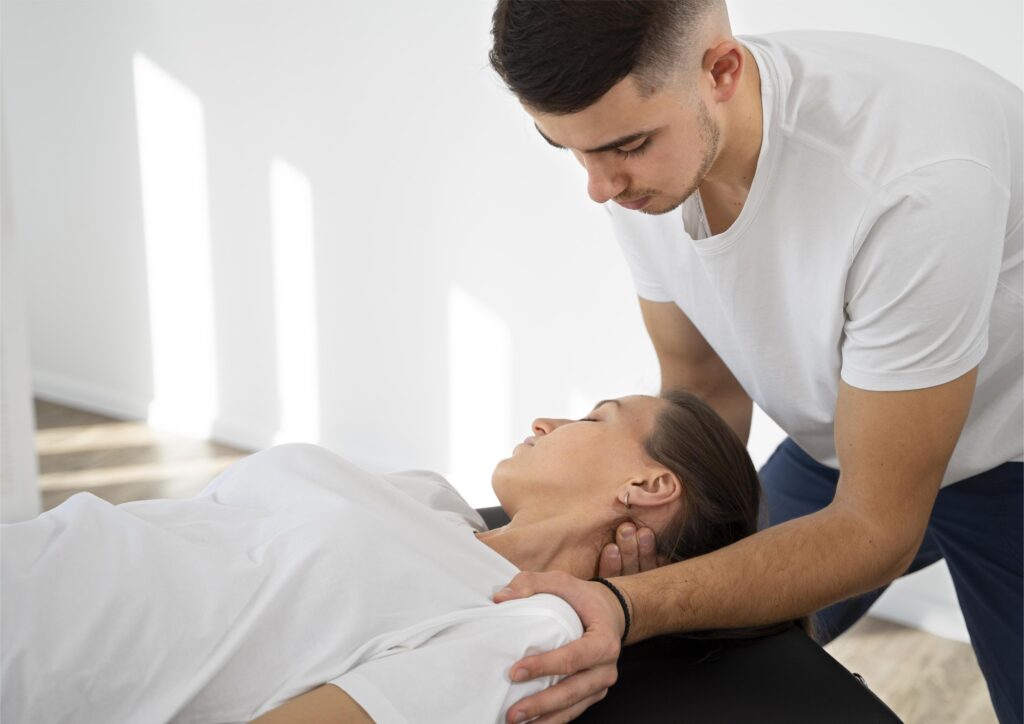
During a spinal adjustment, a trained chiropractor applies controlled force to specific joints in your spine. This gentle manipulation aims to restore proper alignment, relieve tension, and improve mobility. By realigning the vertebrae, adjustments help alleviate the pressure on nerves, reducing pain and discomfort. You might feel immediate relief as your body begins to respond positively to the treatment.
Additionally, spinal adjustments can promote better blood circulation. By freeing up tight muscles and improving alignment, you allow blood to flow more freely throughout your body, which can help reduce stress levels. Increased circulation means your body gets more oxygen and nutrients, enabling it to function better overall.
Moreover, the act of receiving an adjustment can trigger the release of endorphins, your body's natural painkillers. This release can create a sense of well-being, further easing stress.
While adjustments don't directly target stress, the physical relief and improved bodily function can help you cope better with stressors in your life.
Scientific Evidence Supporting Adjustments
Research has shown that spinal adjustments can lead to significant improvements in both physical health and overall well-being. Numerous studies support this claim, highlighting the effectiveness of chiropractic care in addressing various health issues.
For instance, a systematic review published in the Journal of Manipulative and Physiological Therapeutics found that spinal manipulations can enhance mobility and reduce pain in individuals suffering from musculoskeletal disorders. This improvement in physical function can help alleviate stressors related to chronic pain.
Additionally, a study in the Journal of Chiropractic Medicine revealed that patients who received regular spinal adjustments reported lower levels of anxiety and depression compared to those who didn't. This suggests that the benefits of spinal adjustments extend beyond just physical health; they can also positively influence mental well-being.
By enhancing spinal function and promoting nervous system efficiency, these adjustments may help your body respond better to stress.
Moreover, research has indicated that spinal adjustments can influence cortisol levels, a hormone closely tied to stress. A study published in the Journal of Clinical Psychology found that individuals receiving chiropractic care showed a significant reduction in cortisol levels, suggesting a physiological mechanism by which adjustments may help manage stress.
Potential Benefits for Stress Relief
Spinal adjustments offer a range of potential benefits when it comes to stress relief. When your spine is properly aligned, it can greatly impact your overall well-being, including your mental state. Many people report feeling more relaxed and less anxious after an adjustment, which can lead to a calmer mind and improved emotional resilience.
One of the primary ways spinal adjustments help relieve stress is by reducing tension in the body. Misalignments in your spine can lead to muscle tension and discomfort, which can contribute to stress. By correcting these misalignments, you may experience a decrease in physical tension, promoting a sense of relaxation and comfort.
Additionally, spinal adjustments can improve blood circulation and nerve function. This enhanced circulation can lead to increased oxygen and nutrient delivery to your muscles and organs, supporting better overall health. Improved nerve function can also aid in regulating your body's stress response, allowing you to better manage stress levels.
Moreover, regular adjustments may promote better sleep quality. Many individuals find that less physical discomfort leads to improved sleep, which is essential for stress management. When you're well-rested, you're more equipped to handle daily stressors and challenges.
Incorporating spinal adjustments into your wellness routine can be a proactive approach to managing stress. By addressing physical misalignments and promoting relaxation, you may find that you feel more balanced, both physically and mentally, leading to a greater sense of overall well-being.
What to Expect During a Session
When you arrive for your session, you'll start with an initial consultation to discuss your health history and specific concerns.
The chiropractor will then use various adjustment techniques tailored to your needs.
After your session, you'll receive post-session recommendations to help maintain your progress.
Initial Consultation Process
During your initial consultation for spinal adjustments, you'll find the process both informative and welcoming. You'll typically begin by filling out a health history questionnaire that helps the chiropractor understand your medical background and any specific concerns you might have. This step is essential, as it sets the stage for your personalized care.
Next, the chiropractor will conduct a thorough assessment. They'll ask questions about your symptoms, lifestyle, and stress levels. You'll likely undergo a physical examination, which may include posture analysis and range-of-motion tests. This evaluation helps them identify areas of tension or misalignment in your spine.
After gathering this information, the chiropractor will explain their findings in a clear manner. They'll discuss any potential issues and the benefits of spinal adjustments in relation to your stress and overall well-being. You'll have the chance to ask questions, ensuring you're comfortable moving forward.
Finally, they'll outline a proposed treatment plan tailored to your needs. This collaborative approach fosters trust and sets the foundation for your journey toward stress relief and improved health. You'll leave feeling informed and empowered about your choices.
Adjustment Techniques Used
Many different adjustment techniques can be used in a chiropractic session, each tailored to your specific needs.
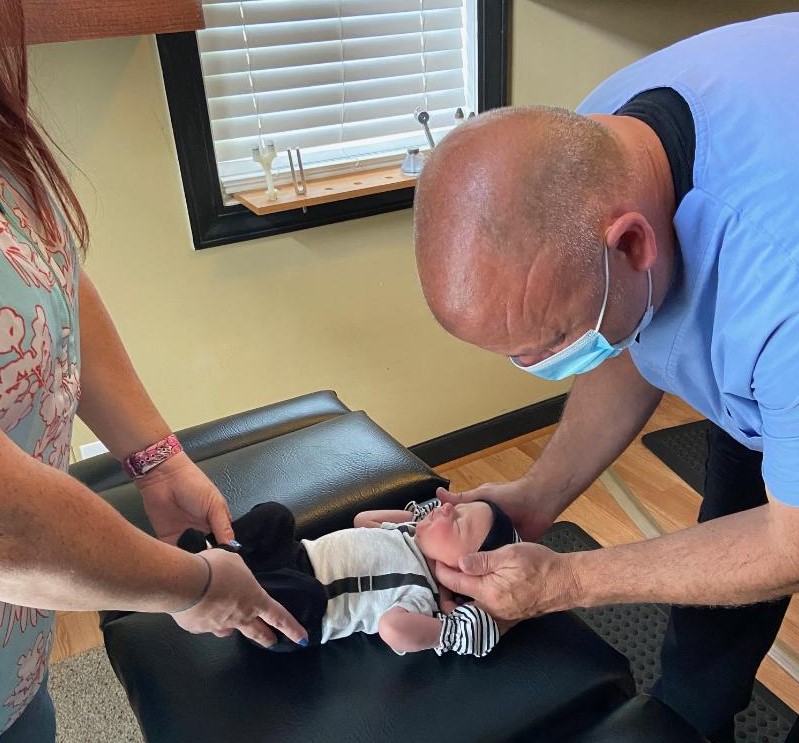
You might experience manual adjustments, where the chiropractor uses their hands to apply controlled force to your spine. This technique focuses on realigning vertebrae and relieving pressure on nerves.
Another common method is the Activator Technique, which employs a small, handheld device to deliver gentle impulses to the spine. This technique is great if you prefer a lighter touch.
You may also encounter the Gonstead Technique, which involves a thorough analysis of your spine and specific adjustments to improve function and alleviate discomfort.
If you have a more severe condition, the Flexion-Distraction Technique might be used. This involves a specialized table that gently stretches the spine while your chiropractor applies precise adjustments.
Throughout your session, you'll likely be asked about your comfort level and any specific areas of concern.
The goal is to guarantee you feel at ease and supported during the process. Regardless of the technique used, the focus will be on restoring balance and improving your overall well-being.
Post-Session Recommendations
After your chiropractic session, you can expect a few important recommendations to help maximize the benefits of your adjustments.
First, your chiropractor might suggest resting for a short period. This allows your body to integrate the changes made during the session. You should also stay well-hydrated, as drinking water can aid in flushing out any toxins released during your adjustments.
Next, consider engaging in gentle stretching or light physical activity. This keeps your muscles limber and promotes circulation. Avoid high-impact exercises or heavy lifting for at least 24 hours post-session, as your body needs time to adjust.
It's also a good idea to be mindful of your posture throughout the day. Maintaining proper alignment can enhance the effects of your treatment.
If you experience any discomfort or unusual symptoms, don't hesitate to reach out to your chiropractor. They can provide further guidance tailored to your needs.
Finally, consider scheduling follow-up appointments as advised. Consistency is key in achieving long-term benefits from your chiropractic care.
Alternative Stress Relief Methods
Exploring alternative stress relief methods can offer you effective ways to manage your stress levels and improve your overall well-being. One popular approach is mindfulness meditation. By focusing on your breath and being present in the moment, you can reduce anxiety and create a sense of calm. Even just a few minutes a day can make a significant difference.
Yoga is another powerful method. Combining physical movement with breath control, yoga helps you release tension and increase flexibility. It promotes relaxation and allows you to connect your mind and body, making it easier to cope with stress.
Physical activity is also a great stress reliever. Whether it's a brisk walk, a run, or a dance class, moving your body releases endorphins, which are natural mood lifters. Find an activity you enjoy, and make it a regular part of your routine.
Creative outlets like painting, writing, or playing music can also help you express emotions and process stress. Engaging in a hobby allows you to focus your mind, providing a temporary escape from daily pressures.
Don't forget about the power of social connections. Spending time with friends or loved ones can lift your spirits and offer a support system. Sharing your feelings can lighten your emotional load.
Lastly, consider exploring herbal remedies or aromatherapy. Scents like lavender or chamomile can promote relaxation and help you unwind after a long day.
Personal Experiences and Testimonials
Many people like you have found relief from stress through spinal adjustments, sharing powerful stories of their experiences.
These real-life testimonials highlight the emotional benefits that come with improved spinal health.
You might be surprised at how a simple adjustment can transform not just your body, but your overall well-being.
Real-Life Experiences Shared
Through the lens of personal experiences, countless individuals have discovered the profound impact spinal adjustments can have on stress relief. You might be amazed by how many people share similar stories of transformation after their treatments. They often report feeling lighter, more relaxed, and ready to tackle their daily challenges.
Here are some common themes from their testimonials:
- Immediate Relief: Many individuals feel an immediate reduction in tension and stress right after their first adjustment. It's like a weight has been lifted off their shoulders.
- Improved Sleep: Several people mention that regular spinal adjustments lead to better sleep quality, allowing them to wake up refreshed and ready to face the day.
- Enhanced Mood: Others find that their overall mood improves greatly, making it easier to deal with life's ups and downs.
These real-life experiences highlight the potential benefits of spinal adjustments beyond physical health.
If you're feeling overwhelmed, perhaps it's time to explore how these adjustments could work for you. Your journey to stress relief might just begin with that first appointment.
Emotional Relief Stories
Relief often surfaces in unexpected ways, and for many, spinal adjustments have become a powerful tool for emotional healing. You might be surprised to learn how a simple adjustment can transform your emotional state.
Take Sarah, for example. After months of stress from work and personal issues, she found herself feeling overwhelmed. A friend recommended spinal adjustments, and reluctantly, she gave it a shot. To her amazement, she felt lighter and more at ease after her first session.
Then there's Mark, who dealt with anxiety for years. He discovered that spinal adjustments not only alleviated his physical discomfort but also lifted the emotional weight he carried. He shares that he now feels more centered and capable of tackling life's challenges.
You're not alone if you've heard similar stories. Many individuals have reported feeling an emotional release during or after their adjustments. This might stem from the connection between physical alignment and mental well-being.
As you explore this path, you may find your own story of relief waiting to unfold, proving that spinal adjustments can indeed offer more than just physical benefits.
Conclusion
To sum up, spinal adjustments can be a powerful tool in managing stress. By promoting proper alignment and enhancing nervous system function, these adjustments help alleviate tension and improve your overall well-being. You might find yourself feeling more relaxed, sleeping better, and enjoying a better mood after just a few sessions. Don't overlook the potential benefits—consider incorporating spinal adjustments into your routine for a holistic approach to stress relief and improved emotional health.