Recovering from a sports injury can seem daunting, but it doesn’t have to be when you understand the role of chiropractic care and natural healing in your recovery process. As a local chiropractor, I want to share some key strategies to facilitate a smoother healing journey.
First and foremost, prioritizing rest is crucial. Your body needs time to heal, and rest helps to reduce inflammation and promote recovery. Alongside rest, implementing a personalized rehabilitation plan tailored to your specific injury can greatly enhance your recovery process. This may include exercises that improve strength and flexibility, which I can guide you through in our sessions.
Don’t overlook the importance of nutrition during your recovery. A balanced diet rich in anti-inflammatory foods can support healing and strengthen your body. Additionally, your mental health plays a significant role in recovery; staying positive and motivated can make a big difference.
Are you ready to explore the best ways to ensure a successful recovery? With the right approach, you can get back to doing what you love in no time!
Prioritize Rest and Recovery
As a local chiropractor, I want to emphasize the importance of prioritizing rest and recovery when you sustain a sports injury. It can be tempting to push through the discomfort, but ignoring your body’s signals can lead to more serious issues down the line. Allowing yourself the necessary time to heal is crucial for a successful comeback.
Rest isn’t solely about avoiding sports or physical activities; it also involves giving your mind a chance to recuperate. Adequate sleep is vital, as it plays a key role in repairing tissues and strengthening your immune system.
Additionally, maintaining proper hydration and a balanced diet will provide your body with essential nutrients needed for effective recovery.
I encourage you to listen closely to your healthcare provider’s guidance and resist the urge to rush the healing process. If permitted, engaging in gentle activities like stretching or light walking can be beneficial, but remember, these activities should complement your rest, not replace it.
Implement a Structured Rehabilitation Program
As a local chiropractor, I want to emphasize the importance of a structured rehabilitation program for your recovery from sports injuries.
It’s crucial to set clear, specific goals tailored to your unique recovery needs. Regularly monitoring your progress is essential; it not only keeps you motivated but also allows us to make any necessary adjustments to your rehabilitation plan.
By understanding and following this approach, you can enhance your healing journey and embrace the benefits of chiropractic care and natural healing methods.
Set Clear Goals
Setting clear goals is a fundamental aspect of your recovery journey from sports injuries, especially when considering chiropractic care and natural healing methods. As your local chiropractor, I want to emphasize how setting these goals can serve as a roadmap during your rehabilitation.
Begin by identifying specific and measurable objectives that correspond with your recovery timeline. For example, one goal could be to regain full range of motion in your injured area within a set number of weeks.
It’s beneficial to break these overarching goals into smaller, achievable milestones. This approach not only helps you stay motivated but also allows you to focus on incremental progress.
Consider incorporating both short-term goals, like completing daily chiropractic exercises or stretches recommended during your visits, and long-term goals, such as returning to your favorite sport without pain.
I encourage you to communicate these goals with me during your chiropractic sessions. This way, I can customize your treatment plan to align with your objectives and ensure we remain on track.
Monitor Progress Regularly
As you embark on your journey towards recovery, it’s essential to monitor your progress regularly to ensure that your rehabilitation stays on course.
At our chiropractic practice, we believe in a holistic approach to healing, and a structured rehabilitation program can help you remain focused and motivated.
Here are some effective strategies to track your progress on this path:
- Keep a Journal: We encourage you to document your daily exercises, any pain levels you experience, and improvements you notice. This not only helps you stay accountable but also provides valuable insights into your healing process.
- Set Milestones: Breaking your recovery into smaller, achievable goals can make the journey less overwhelming. Celebrate these milestones as they reflect your progress and commitment to natural healing.
- Seek Professional Feedback: Regular check-ins with your chiropractor can offer you personalized insights and adjustments to your rehabilitation plan. We’re here to support you every step of the way.
- Use Technology: Consider utilizing apps or wearable devices that can help track your performance metrics. These tools can provide you with real-time feedback and help you visualize your progress.
Focus on Nutrition and Hydration
As your local chiropractor, I want to emphasize how crucial proper nutrition and hydration are for your recovery from a sports injury. Many people may not realize that what you eat and drink can significantly impact your healing process. A balanced diet that’s rich in vitamins, minerals, and protein is essential for speeding up your recovery.
Incorporating lean proteins, such as chicken, fish, or legumes, is vital as they help repair damaged tissues. Additionally, loading up on fruits and vegetables is key, as they provide antioxidants that can help reduce inflammation.
Hydration can’t be overlooked. Staying well-hydrated is important for maintaining optimal blood circulation, ensuring that the nutrients your body needs reach the injured area efficiently. I recommend aiming for at least eight glasses of water a day, and if you find yourself sweating heavily or feeling fatigued, consider replenishing your electrolytes as well.
It’s also important to avoid processed foods and excessive sugar, as these can impede your recovery. Instead, I advise focusing on whole foods that nourish your body.
Utilize Physical Therapy Techniques
As a local chiropractor dedicated to your well-being, I want to emphasize how incorporating physical therapy techniques into your recovery can be incredibly beneficial, especially when recovering from sports injuries.
These natural healing methods not only aid in your recovery but also play a vital role in preventing future injuries. Here are four effective techniques that you may find helpful:
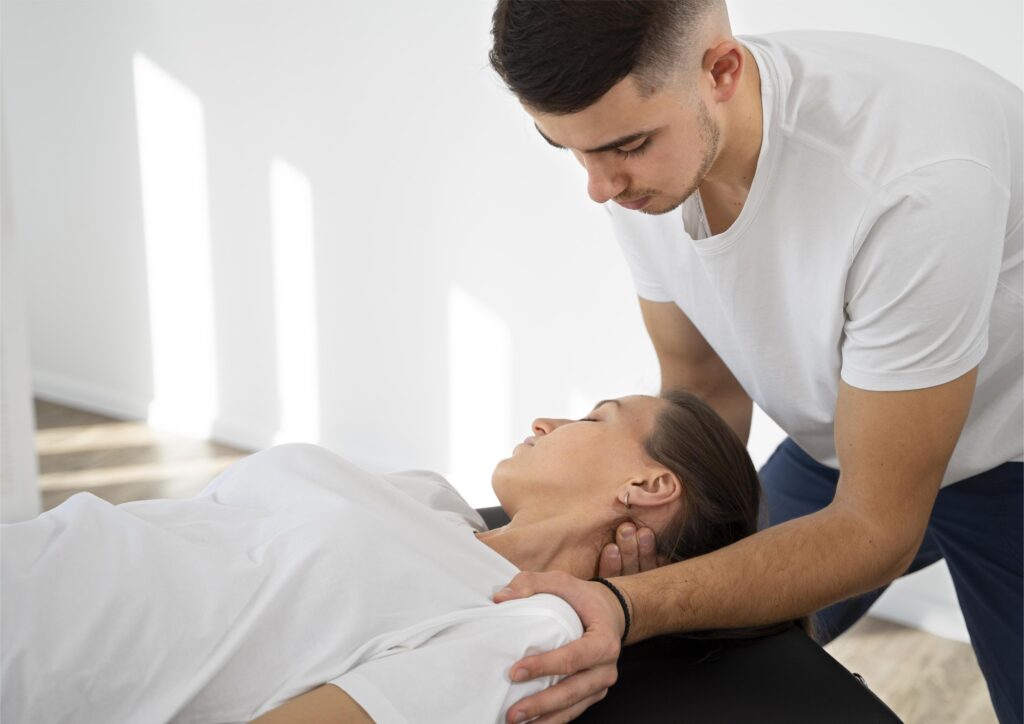
- Manual Therapy: This hands-on technique is designed to alleviate pain, enhance mobility, and boost circulation in the affected areas. It can be a game-changer in your recovery process.
- Strength Training: Engaging in targeted exercises helps to rebuild muscle strength and stabilizes injured joints, ultimately making you more resilient and less prone to injuries.
- Stretching and Flexibility: Adding stretching routines to your regimen can significantly improve your range of motion and keep stiffness at bay, promoting overall mobility.
- Therapeutic Modalities: Utilizing advanced techniques like ultrasound or electrical stimulation can effectively reduce inflammation and foster healing in the affected areas.
By integrating these physical therapy techniques into your recovery plan, you can achieve a more holistic approach to healing and wellness.
Incorporate Mental Health Strategies
Incorporating mental health strategies into your recovery process is just as important as physical rehabilitation when dealing with a sports injury. As a local chiropractor, I often see how injuries can weigh heavily on both the body and the mind. It’s crucial to recognize that addressing your emotional well-being is a key component of healing.
First, allow yourself to acknowledge your feelings; it’s completely normal to experience frustration or anxiety during this time. I recommend practicing mindfulness or meditation techniques, which can significantly reduce stress and enhance your focus on recovery. These practices can help create a sense of calm and clarity as you navigate your healing journey.
Consider speaking with a mental health professional who specializes in sports psychology. They can offer tailored coping strategies that align with your recovery goals. It’s also beneficial to surround yourself with a supportive network of friends and family. Sharing your feelings and celebrating small victories can help lift your spirits and keep you motivated.
As you embark on your recovery, set realistic goals and understand that healing takes time. Engage in positive self-talk to boost your motivation and resilience.
Gradually Return to Activity
As you begin to feel better, it’s crucial to approach your return to activity with care to prevent re-injury and ensure a sustainable recovery.
As a chiropractor, I often see patients who jump back into their routines too quickly, only to face setbacks. Here are some steps I recommend to help you ease back into your activities safely:
- Start Slow: Begin with low-impact activities such as walking or swimming. These gentle movements can help your body gradually adjust and regain strength without undue stress.
- Listen to Your Body: Your body communicates valuable information. If you experience any pain or discomfort during your activities, take a step back and reassess. It’s essential to honor what your body is telling you.
- Increase Intensity Gradually: Once you feel comfortable with your initial activities, you can slowly increase the intensity and duration of your workouts. This gradual progression helps your body adapt and prevents overwhelming it.
- Incorporate Rest Days: Just as important as your active days are your rest days. Be sure to schedule time for recovery. This allows your body to heal and adapt, supporting a more effective and sustainable return to your normal routine.
Remember, the journey to recovery is unique for everyone.
If you’re unsure about how to proceed, don’t hesitate to reach out for advice or support. Your health and well-being are my top priority.
Learn From the Experience
While recovering from a sports injury, it’s important to take the time to reflect on your experience, as this can help prevent future setbacks. I encourage you to consider what may have contributed to your injury. Was it due to improper technique, insufficient warm-ups, or perhaps overtraining? Recognizing these factors is crucial in avoiding similar mistakes in the future.
I recommend keeping a journal to document your training routines, your recovery process, and any pain or discomfort you experienced. This record can offer valuable insights that can inform your future training and rehabilitation.
Don’t hesitate to reach out for feedback from coaches or healthcare professionals, including chiropractors like myself. We can provide perspectives that might help you identify blind spots in your approach to training and recovery.
As you progress in your healing journey, consider setting new goals that prioritize your overall well-being and longevity in your sport. Learning from your experiences not only aids in your recovery but also builds your resilience, making you a more prepared athlete for the challenges ahead.
Embrace this opportunity for growth, and let it become an integral part of your athletic journey. Through chiropractic care and natural healing, we can work together to optimize your recovery and enhance your performance.
Conclusion
As a local chiropractor, I want to emphasize that recovering from sports injuries requires a comprehensive approach that prioritizes rest, structured rehabilitation, and proper nutrition. Chiropractic care can play a vital role in this process by utilizing physical therapy techniques and addressing the underlying issues contributing to your injury.
It’s important to also focus on your mental health during recovery, as a positive mindset can significantly enhance your healing journey. When you’re ready to return to activity, it’s crucial to do so gradually to prevent re-injury.
This recovery period is not just about healing; it’s an opportunity for growth and learning. Every step you take toward recovery is a step toward becoming a stronger and healthier version of yourself. By staying committed to your recovery plan and incorporating chiropractic care, you can bounce back better than ever. Remember, I’m here to support you every step of the way!