If you're dealing with chronic back pain, you might be wondering about effective non-invasive solutions that can provide relief without resorting to surgery or medication. Techniques like physical therapy, chiropractic adjustments, acupuncture, and mindfulness practices have shown promise in alleviating discomfort and improving overall well-being. Each approach offers unique benefits, but you may be surprised to learn how they can work together for a more thorough strategy. What's the best combination for your situation, and how can you start implementing these solutions in your daily routine?
Physical Therapy Techniques
When it comes to managing chronic back pain, physical therapy techniques can be your best ally. These techniques focus on strengthening your muscles, improving flexibility, and enhancing your overall body mechanics. Your physical therapist will likely start by evaluating your condition and tailoring a program specifically for you, ensuring it addresses your unique pain points.
One effective technique is stretching. You'll learn various stretches that target tight muscles in your back and surrounding areas, helping to alleviate tension and improve your range of motion.
Additionally, strengthening exercises can be beneficial. By focusing on your core, you can provide better support to your spine and reduce the strain on your back.
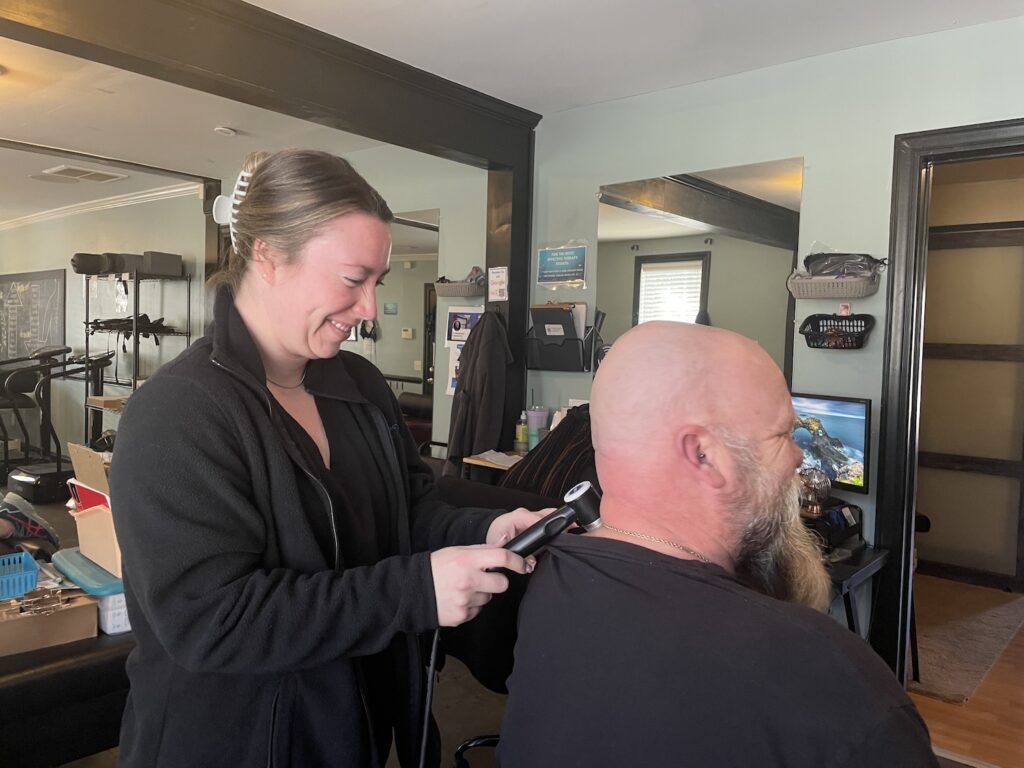
Manual therapy is another essential aspect of physical therapy. Your therapist may use hands-on techniques to manipulate and mobilize your spine and surrounding tissues. This can help improve blood flow, reduce stiffness, and promote healing.
Don't be surprised if your therapist introduces modalities like heat therapy or ultrasound; these can help soothe discomfort and enhance the effectiveness of your treatment.
Education's also a key component. Your therapist will guide you on proper posture and body mechanics during daily activities, helping you avoid movements that might aggravate your pain.
Chiropractic Adjustments
Chiropractic adjustments offer another non-invasive approach to managing chronic back pain, complementing the benefits of physical therapy. When you visit a chiropractor, they focus on diagnosing and treating musculoskeletal disorders, particularly those affecting your spine. By aligning your spine and improving your nervous system function, chiropractic adjustments can help alleviate pain and restore mobility.
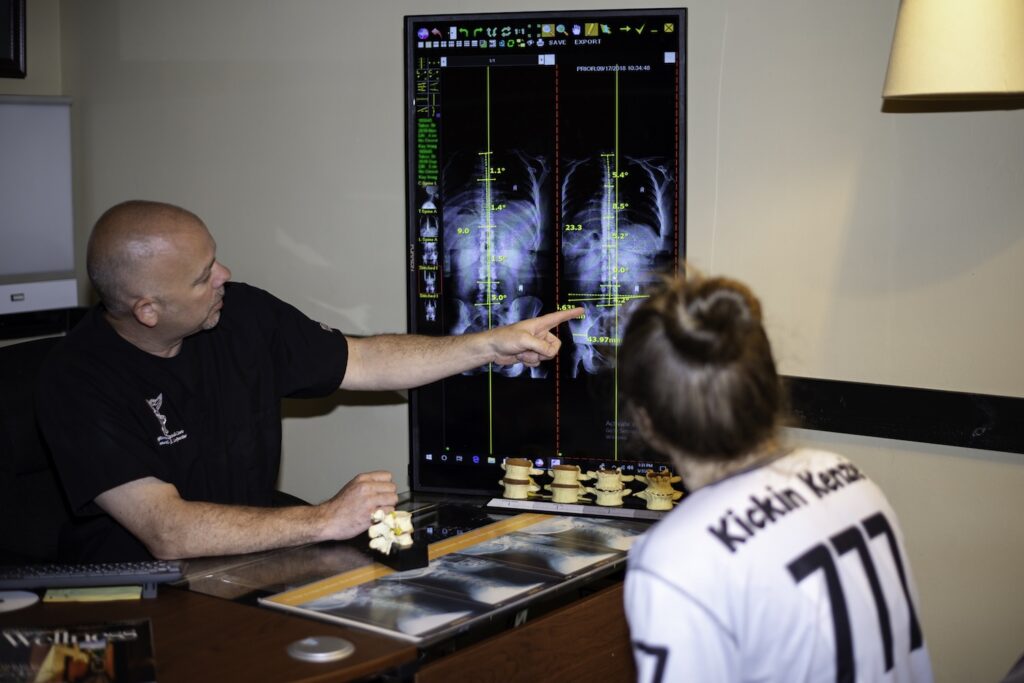
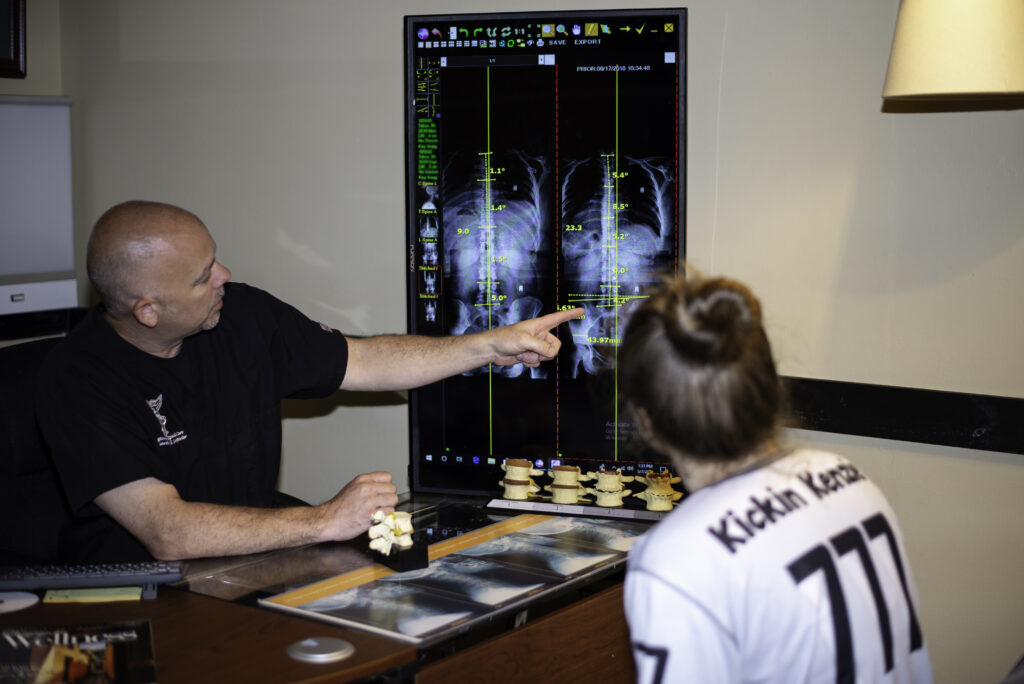
During your appointment, the chiropractor will perform a thorough assessment, including physical examinations and possibly imaging studies. This process allows them to understand your specific condition and tailor a treatment plan just for you. Adjustments typically involve gentle manipulation of the spine to correct misalignments, which can lead to significant pain relief.
Many patients report feeling immediate relief after their first session, while others may notice gradual improvements over time. Regular adjustments can also help maintain proper alignment, potentially preventing future pain episodes. You might find that chiropractic care not only reduces discomfort but also enhances your overall well-being.
It's important to communicate openly with your chiropractor about your symptoms and any concerns you may have. Together, you can establish a treatment plan that fits your lifestyle and specific needs.
While chiropractic adjustments may not work for everyone, many individuals benefit from this holistic approach to managing chronic back pain. If you haven't yet explored this option, consider scheduling a consultation to see if chiropractic care could be the right fit for you.
Acupuncture Benefits
Harnessing the ancient principles of Traditional Chinese Medicine, acupuncture offers a promising non-invasive option for managing chronic back pain. This technique involves inserting thin needles into specific points on your body, aiming to restore balance and alleviate pain. If you're struggling with persistent back pain, acupuncture can help reduce discomfort and improve your overall quality of life.
One of the key benefits of acupuncture is its ability to stimulate the release of endorphins, your body's natural painkillers. By promoting this release, you may experience a significant decrease in pain levels and an increase in your emotional well-being. Many people report feeling more relaxed and less anxious after a session.
Moreover, acupuncture can enhance blood circulation in the affected areas, which promotes healing. With improved blood flow, nutrients can reach your muscles and tissues more effectively, accelerating recovery and reducing inflammation. This can be especially beneficial if your back pain is linked to muscle tension or strain.
Additionally, acupuncture has a low risk of side effects compared to traditional pain medications. This makes it an appealing choice for those looking to avoid potential complications associated with pharmaceuticals. Regular sessions can lead to long-term benefits, helping you maintain a more active lifestyle.
Incorporating acupuncture into your chronic back pain management plan can be a game-changer. By tapping into its holistic approach, you not only address the pain but also support your overall health and wellness.
Mindfulness and Meditation
Mindfulness and meditation are powerful tools that can greatly aid in managing chronic back pain. By focusing on the present moment, you can shift your attention away from the discomfort and reduce the overall perception of pain. When you practice mindfulness, you become more aware of your thoughts and feelings without judgment, allowing you to create a mental space where pain doesn't dominate your experience.
To get started, find a quiet place where you won't be disturbed. Sit or lie down comfortably, and close your eyes if you feel comfortable doing so. Take a few deep breaths, inhaling through your nose and exhaling through your mouth. As you breathe, notice any sensations in your body, especially around your back. Instead of pushing the pain away, acknowledge it and observe how it feels. This practice cultivates acceptance and can lessen the intensity of your discomfort.
Try incorporating meditation into your daily routine. Even just a few minutes each day can make a difference. You might use guided meditations available through apps or online resources that focus specifically on pain relief and relaxation.
As you continue this practice, you'll likely find that your ability to cope with pain improves, helping you feel more in control.
Incorporating mindfulness and meditation into your life isn't just about pain relief; it can also enhance your overall well-being. You'll cultivate a greater sense of peace and resilience, empowering you to navigate the challenges of chronic back pain more effectively.
Exercise and Stretching Programs
In addition to mindfulness and meditation, incorporating exercise and stretching programs can play a significant role in managing chronic back pain. These activities not only help strengthen your back muscles but also improve flexibility and posture, which are essential for pain relief.
Here are some benefits you might experience with a regular exercise and stretching routine:
- Enhanced muscle strength: Strengthening the core and back muscles can provide better support for your spine.
- Increased flexibility: Stretching helps maintain or improve your range of motion, reducing stiffness.
- Improved posture: Regular exercise can promote better body alignment, which reduces strain on your back.
When starting an exercise program, listen to your body. Opt for low-impact activities like walking, swimming, or cycling, as these are easier on your back. Incorporate exercises that target core stability, such as planks or bridges.
As you build confidence, gradually introduce more challenging movements. Stretching is equally important. Focus on gentle stretches for your hamstrings, hip flexors, and lower back.
Yoga can be particularly beneficial, as it combines stretching with mindfulness, helping to further alleviate tension.
Always consult a healthcare professional before beginning any new exercise program, especially if you have chronic pain. They can guide you in selecting appropriate exercises tailored to your specific needs.
Conclusion
Incorporating these non-invasive solutions into your routine can greatly improve your chronic back pain. By engaging in physical therapy, seeking chiropractic adjustments, trying acupuncture, and practicing mindfulness, you'll create a well-rounded approach to managing discomfort. Remember, consistency is key—stick with these methods to strengthen your body and enhance your coping skills. Embrace this holistic strategy, and take control of your pain management journey towards a healthier, more active life.