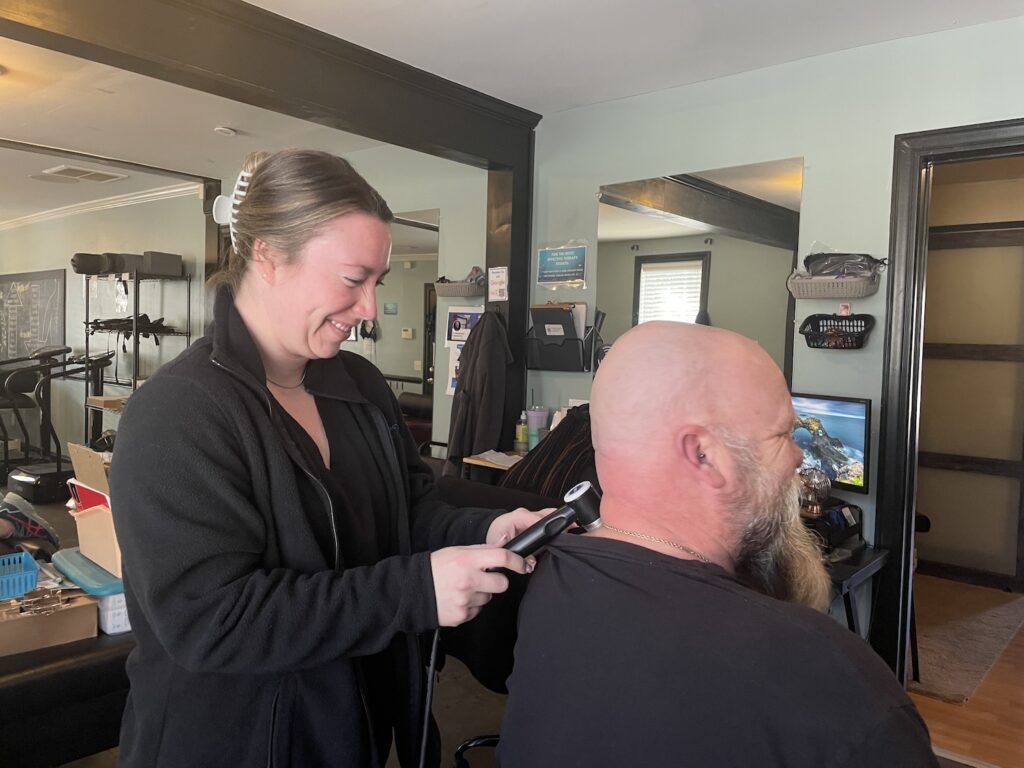
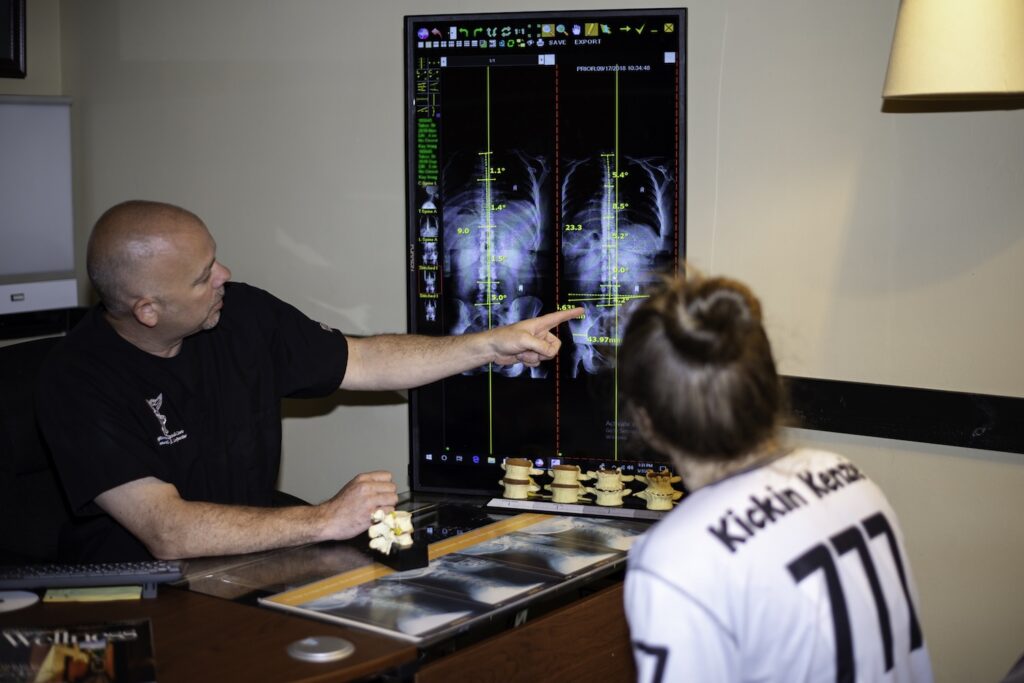
When it comes to managing back pain, you might find that a one-size-fits-all approach simply doesn't cut it. Personalized back pain plans are designed to cater to your unique situation, taking into account your medical history, lifestyle, and specific pain triggers. This tailored strategy not only enhances your treatment effectiveness but also encourages you to stay committed to your recovery. Yet, many people overlook critical factors that can make all the difference. What are these factors, and how can they transform your path to relief?
Understanding Back Pain
Back pain is a common issue that affects millions of people, often stemming from a variety of causes. You might experience it due to poor posture, muscle strain, or even underlying medical conditions. Understanding the root of your back pain is vital for effective management and recovery.
When you think about back pain, remember that it can manifest in different forms—sharp, dull, or even throbbing sensations. It can be localized or radiate to other areas, like your legs or neck. This variability makes it important to pay attention to your body's signals. Knowing when the pain started, its intensity, and how it affects your daily activities can provide valuable insights for you and your healthcare provider.
You should also consider the role of lifestyle factors in your back pain. Sedentary habits, obesity, and even stress can contribute considerably to discomfort. Engaging in regular physical activity, maintaining a healthy weight, and practicing stress-reduction techniques can help alleviate symptoms.
Don't overlook the importance of a supportive environment. Your workspace, sleeping position, and footwear can all impact your back health. By making small adjustments to these areas, you might find relief.
Ultimately, understanding back pain isn't just about identifying symptoms. It's about recognizing the interplay of physical, emotional, and environmental factors that contribute to your experience. This holistic view can empower you to take the necessary steps toward effective pain management.
The Limitations of Generic Plans
When it comes to managing back pain, generic plans often fall short of addressing individual needs. You might find that these one-size-fits-all approaches don't consider your unique situation, including your specific pain type, lifestyle, and medical history. This can lead to ineffective treatments and frustration as you struggle to find relief.
Generic plans typically provide broad guidelines that may work for some but often neglect the nuances of your condition. For instance, if you have a herniated disc, a generic plan might suggest general stretching exercises, which could aggravate your pain instead of helping. You could end up feeling worse, not better.
Additionally, these plans often overlook key factors like your level of physical activity, work environment, and emotional well-being. If you're an avid runner, a generic plan may not take into account the extra strain on your back from running regularly. Without personalized insights, you risk missing out on effective strategies tailored to your specific needs.
Moreover, generic plans may ignore the psychological aspects of pain management. Stress and anxiety can exacerbate back pain, but a standard approach might skip over addressing those issues. This lack of thorough care can leave you feeling unsupported and disheartened.
In short, relying on generic plans can hinder your journey to recovery. You deserve a treatment strategy that recognizes your individual circumstances, so you can effectively manage and alleviate your back pain.
Benefits of Personalization
Personalization in back pain management offers significant advantages that can transform your recovery journey. When you tailor your treatment plan to fit your unique needs, you're likely to see better results. Instead of following a one-size-fits-all approach, personalized plans consider your specific pain levels, lifestyle, and medical history, ensuring that the therapies you engage in are effective and relevant.
One major benefit of personalization is increased engagement. When you're involved in creating your plan, you'll feel more invested in your recovery. This active participation can motivate you to stick with the plan, whether it includes physical therapy, exercise, or other interventions. You're more likely to follow through on recommendations that resonate with your individual circumstances.
Moreover, personalized plans can lead to quicker relief. By identifying the root causes of your pain and addressing them directly, you can target treatments more effectively. Whether it's focusing on specific muscle groups or adjusting your activity levels, personalized strategies can expedite your healing process.
Additionally, personalized approaches often consider your emotional and psychological well-being. Chronic pain can take a toll on your mental health, so incorporating stress management techniques or counseling into your plan can create a more holistic approach to recovery.
Ultimately, a personalized back pain plan empowers you to take control of your health. By addressing your unique needs and preferences, you're setting yourself up for a more successful and fulfilling recovery experience.
Factors Influencing Back Pain
Understanding the factors influencing back pain is essential for creating an effective personalized treatment plan. Several elements come into play when addressing your specific situation.
First, your daily activities and lifestyle choices can greatly impact your back health. If you spend long hours sitting or engage in heavy lifting without proper techniques, you may be setting yourself up for discomfort.
Another crucial factor is your physical fitness level. Weak core muscles or poor flexibility can lead to increased strain on your back. Regular exercise, focusing on strengthening and stretching, can help mitigate these risks.
Additionally, your body weight can play a role; excess weight may place increased pressure on your spine and surrounding muscles.
Emotional well-being should also be considered. Stress and anxiety can create tension in your body, often manifesting as back pain. Recognizing the connection between your mental state and physical discomfort is essential for developing a holistic treatment plan.
Moreover, age and genetics can't be overlooked. As you age, your spine undergoes natural degeneration, which can lead to pain. If back issues run in your family, you may be predisposed to similar conditions.
Lastly, previous injuries or medical conditions can influence your current back pain. Understanding your unique history allows for a more tailored approach to treatment, addressing both symptoms and underlying causes.
Tailoring Treatment Strategies
To effectively manage your back pain, you need a treatment strategy that's tailored just for you.
Individual assessments help identify your unique needs, ensuring the approach is relevant to your situation.
Customized exercise recommendations can then target your specific issues, promoting better recovery and long-term relief.
Individual Assessment Importance
How can an individual assessment transform your back pain treatment? By diving deep into your unique situation, an assessment pinpoints the specific causes and patterns of your pain. This tailored approach means you won't waste time on generic solutions that mightn't work for you. Instead, you'll receive a treatment plan that addresses your unique needs.
During an assessment, you'll discuss your medical history, lifestyle, and pain triggers. This information is essential; it helps healthcare professionals identify underlying factors contributing to your discomfort. Whether it's poor posture, a previous injury, or a specific activity that exacerbates your pain, knowing these details allows for more precise interventions.
Moreover, an individual assessment can highlight any psychosocial factors that may be influencing your pain perception. Understanding how stress or anxiety might amplify your discomfort can lead to more effective coping strategies.
Ultimately, a personalized assessment sets the foundation for your back pain management. It empowers you to take charge of your recovery journey, leading to better outcomes and improved quality of life.
When you know what to focus on, you can tackle your pain head-on with confidence and clarity.
Customized Exercise Recommendations
After identifying your specific pain triggers and underlying factors through an individual assessment, the next step is to create customized exercise recommendations that target your unique situation.
Tailoring your exercise plan can greatly improve your mobility and reduce pain. Here's what you might focus on:
- Core Strengthening: Exercises like planks and bridges help build stability and support your spine.
- Flexibility Training: Stretching routines, such as yoga or Pilates, enhance your range of motion and alleviate tension.
- Low-impact Cardio: Activities like swimming or walking improve circulation without straining your back.
- Posture Improvement: Movements that emphasize proper alignment reduce pressure on your spine.
- Gradual Progression: A structured increase in intensity guarantees you avoid overexertion while strengthening your body.
Importance of Medical History
Understanding your medical history is vital when developing a personalized back pain plan. Your past health conditions, previous injuries, and surgeries can markedly influence your current back pain and how it should be treated. By sharing your medical history with your healthcare provider, you allow them to take a thorough approach to your treatment.
For instance, if you've had prior issues like herniated discs or sciatica, your provider can tailor your plan to address these specific concerns. They can also determine if any medications you're currently taking might affect your back pain or its treatment.
Additionally, knowing whether you have chronic conditions, such as arthritis or osteoporosis, helps your healthcare team design a safer and more effective plan.
Moreover, understanding your family medical history can shed light on genetic predispositions to certain conditions, which can also impact your back pain. If your family has a history of back issues, your provider might consider this when recommending treatments or preventive measures.
Lastly, your medical history can help identify what's worked or hasn't worked for you in the past. If a particular treatment led to adverse effects or didn't relieve your pain, it's significant information that can guide your current plan.
Lifestyle Considerations
Many factors in your lifestyle can greatly impact your back pain and overall treatment plan.
It's vital to recognize how daily habits and choices influence your recovery and well-being. By making simple adjustments, you can considerably alleviate discomfort and enhance your body's resilience.
Consider these lifestyle factors that play an important role in managing back pain:
- Posture: Sitting or standing incorrectly can strain your back. Maintaining a neutral spine helps reduce pressure.
- Exercise: Regular physical activity strengthens your core and back muscles, providing better support.
- Nutrition: A balanced diet rich in anti-inflammatory foods can help reduce pain and promote healing.
- Sleep: Quality sleep in a supportive mattress can rejuvenate your body, reducing stiffness and discomfort.
- Stress Management: High stress levels can lead to muscle tension. Practicing relaxation techniques, like yoga or meditation, can be beneficial.
Monitoring Progress and Adjustments
Regularly monitoring your progress is vital for effectively managing back pain and ensuring your treatment plan remains on track. By keeping a close eye on your symptoms, you can identify what's working and what isn't. This means you should take note of your pain levels, mobility, and overall function. Consider keeping a daily journal where you record these details, along with any activities or treatments you've tried. This will help you spot patterns and triggers that may influence your back pain.
As you track your progress, it's important to remain flexible. Your initial plan might require adjustments based on how your body responds over time. If you notice that certain exercises exacerbate your pain, you should modify them or replace them with alternatives that better suit your needs.
Regular check-ins with your healthcare provider can help facilitate these adjustments. They'll appreciate the information you've gathered and can offer guidance on the next steps.
Incorporating feedback into your routine is also essential. If you're experiencing improvements, celebrate those wins! But if things aren't progressing as anticipated, don't hesitate to communicate this with your provider. They can suggest alternative approaches or therapies that may better align with your current state.
Ultimately, monitoring your progress and making timely adjustments can greatly enhance your treatment experience. It empowers you to take an active role in your recovery and can lead to more effective pain management strategies tailored specifically for you.
Success Stories and Case Studies
You've seen how personalized approaches can make a difference, but let's explore some real-life transformations.
These success stories highlight how tailored treatments lead to measurable outcomes, proving that a customized plan can truly change your experience with back pain.
Get ready to be inspired by individuals who've turned their struggles into triumphs.
Individualized Treatment Approaches
Personalized treatment plans for back pain have transformed the lives of countless individuals, showcasing the power of tailored approaches. Each person's experience with back pain is unique, which is why individualized strategies work wonders. You can find relief by addressing your specific needs and goals.
Consider these elements that make personalized plans effective:
- Targeted exercises: Strengthening the right muscles can reduce pain and improve mobility.
- Lifestyle adjustments: Tweaking daily habits can alleviate strain on your back.
- Pain management techniques: From mindfulness to physical therapy, various methods can be tailored to fit you.
- Nutritional guidance: Eating the right foods can promote healing and reduce inflammation.
- Continuous feedback: Regular check-ins can help adapt your plan as your condition improves.
These approaches have led to remarkable success stories, with individuals experiencing reduced pain, increased flexibility, and a renewed sense of freedom.
Real-Life Transformations
Through the stories of those who've embraced personalized back pain plans, you can see the profound impact tailored treatments can have on individuals' lives.
Take Sarah, for instance. After years of struggling with chronic pain, she finally found relief through a customized plan that included physical therapy, mindfulness practices, and specific exercises. Within weeks, she was able to return to her favorite activities, like hiking and yoga, that she thought were lost forever.
Then there's Mike, who dealt with severe lower back pain due to a herniated disc. With a personalized approach focusing on core strengthening and ergonomic adjustments at work, he experienced significant improvement. He was amazed at how quickly he could get back to playing with his kids without discomfort.
Lastly, consider Lisa, who'd almost given up hope after trying various treatments. By collaborating with her healthcare team to create a plan that included nutrition, lifestyle changes, and targeted therapy, she not only alleviated her pain but also improved her overall well-being.
These transformations highlight how personalized back pain plans can lead to renewed lives, empowering individuals to reclaim their passions and daily routines.
Measurable Outcomes Achieved
Success stories abound when discussing measurable outcomes achieved through personalized back pain plans. These tailored approaches have transformed the lives of many individuals, illustrating the power of targeted care.
You might be surprised by the specific improvements people experience, including:
- Reduced pain levels: Many report significant decreases in daily discomfort, allowing them to engage in activities they once avoided.
- Increased mobility: Personalized plans often lead to enhanced flexibility and strength, making everyday movements smoother.
- Improved sleep quality: With pain managed, countless individuals find they can finally enjoy restful nights, leading to better overall health.
- Enhanced mental well-being: As physical pain lessens, anxiety and depression often decrease, paving the way for a more positive outlook on life.
- Greater confidence: Achieving pain relief empowers you to participate in social events and hobbies that once felt impossible.
These outcomes aren't just numbers; they represent real change.
As you consider a personalized back pain plan, remember that your journey to relief is backed by the success of others who've walked a similar path. You could be next!
Conclusion
In summary, personalized back pain plans are essential for your recovery journey. By addressing your unique needs, they provide targeted strategies that can effectively reduce your pain and improve your mobility. Understanding your medical history and lifestyle allows for tailored treatments that resonate with you. So, embrace this approach, monitor your progress, and don't hesitate to adjust your plan as needed. With the right support, you can reclaim your quality of life and live pain-free.