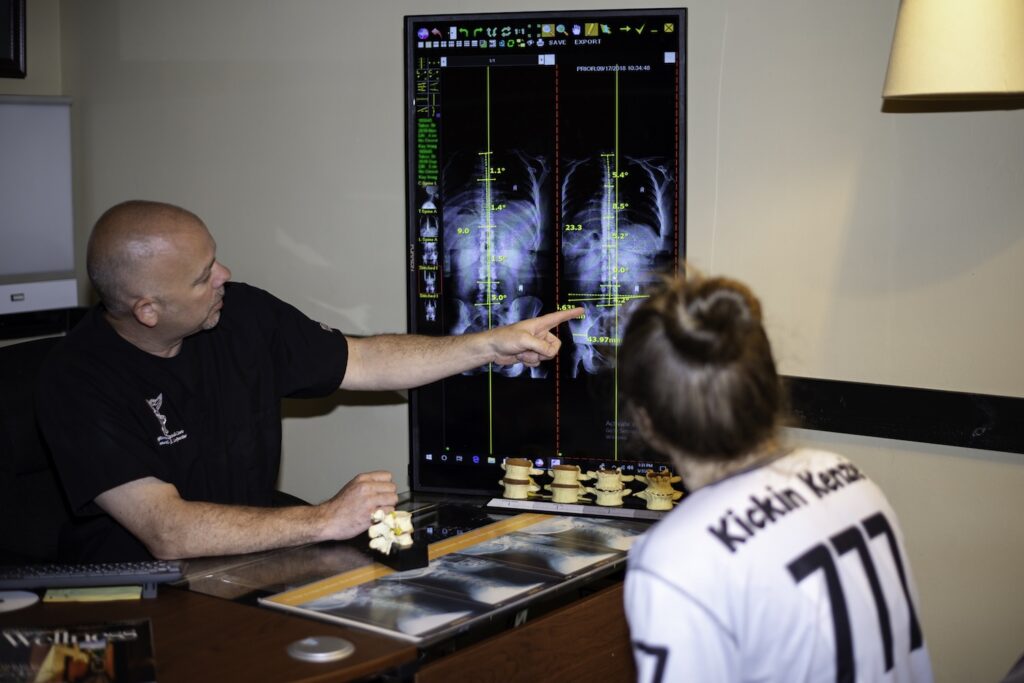
When it comes to your health, opting for customized treatment plans can make all the difference. These tailored approaches consider your unique medical history, lifestyle, and personal goals, ensuring that you receive care that truly fits your needs. You might find that this individualized attention not only enhances your engagement but also leads to better health outcomes. However, there's more to it than just personal preference—understanding the broader implications of these plans could reshape your approach to healthcare altogether. What might you discover about your own health journey?
Individualized Care Approach
An individualized care approach tailors treatment to meet your unique needs and preferences. This means that instead of following a one-size-fits-all model, healthcare providers focus on you as a whole person, considering your medical history, lifestyle, and personal goals. By doing so, they can develop a customized treatment plan that works best for you.
You'll find that an individualized care approach fosters a deeper connection between you and your healthcare team. They take the time to listen to your concerns, understand your values, and incorporate your input into the decision-making process. This collaboration empowers you to take an active role in your health, making you feel more invested in the outcomes.
Moreover, such an approach allows for flexibility in treatment. As your needs evolve over time, your healthcare providers can adjust your plan accordingly. Whether it's trying different medications, exploring alternative therapies, or incorporating lifestyle changes, you're not locked into a rigid regimen. Instead, you're encouraged to voice your preferences and adapt your treatment as necessary.
Ultimately, an individualized care approach enhances your overall experience within the healthcare system. You'll likely feel more satisfied with your care when it aligns with your specific circumstances. This tailored method not only addresses your immediate health concerns but also supports your long-term wellness.
When you feel understood and valued, you're more likely to engage positively with your treatment journey.
Improved Health Outcomes
How does a customized treatment plan lead to improved health outcomes? When you receive a treatment plan tailored specifically to your needs, it directly addresses your unique health conditions, preferences, and lifestyle. This personalization guarantees that the strategies and medications chosen are the most effective for you, reducing the risk of adverse effects and increasing the likelihood of successful outcomes.
Customized plans often involve a thorough assessment of your medical history and current health status. By understanding your specific issues, healthcare providers can pinpoint the most relevant treatment options. For example, if you have a chronic illness, a tailored approach can help manage symptoms more effectively, leading to fewer hospital visits and better overall health.
Moreover, when you're involved in creating your treatment plan, you're more likely to stick with it. You may find that a plan incorporating your preferences makes it easier to maintain consistency in your health regimen. This adherence can considerably improve your results, as regular follow-ups and adjustments help fine-tune the approach as needed.
In addition, custom treatment plans can facilitate more precise monitoring of your progress. Your healthcare provider can quickly identify what's working and what isn't, allowing for timely adjustments. As a result, you can experience quicker recovery times and enhanced quality of life.
Enhanced Patient Engagement
Customized treatment plans not only lead to better health outcomes but also foster enhanced patient engagement. When you're involved in creating your own plan, you're more likely to feel a sense of ownership over your health journey. This involvement encourages you to take an active role in your treatment, making it easier to stick to prescribed therapies and lifestyle changes.
You'll find that when your treatment plan aligns with your personal preferences, values, and lifestyle, you're more motivated to follow through. Instead of feeling like a passive recipient of care, you become a collaborator with your healthcare provider. This partnership enhances communication, as you're more likely to ask questions and express concerns, ensuring that your needs and preferences are fully understood.
Moreover, customized plans can lead to better education about your condition. You'll gain insights into how specific treatments work, which can empower you to make informed decisions. Understanding the rationale behind your treatment helps demystify the process and makes it easier for you to engage with your healthcare team.
In this environment of shared decision-making, trust builds between you and your provider. You're not just following orders; you're actively participating in your health management. This collaboration can lead to greater satisfaction with your care experience and, ultimately, better adherence to your treatment plan.
Enhanced patient engagement through customized treatment plans isn't just beneficial; it's essential for achieving your health goals.
Adaptability to Changing Needs
Flexibility is a key advantage of personalized treatment plans, allowing them to adapt to your evolving health needs. Unlike one-size-fits-all approaches, customized plans are designed to respond to changes in your condition, preferences, and lifestyle. This adaptability guarantees that you receive the most effective care, tailored specifically to your circumstances.
As your health status shifts—whether due to a new diagnosis, changes in symptoms, or varying responses to treatment—your care plan can be modified to reflect those changes. This means you won't have to wait for a scheduled review or follow a static regimen that no longer serves you. Instead, you can work closely with your healthcare provider to make real-time adjustments, assuring that your treatment remains relevant and effective.
Additionally, personalized treatment plans often incorporate your feedback and observations, making you an active participant in your care. If you notice side effects or changes in your condition, you can communicate this information promptly, leading to quicker adjustments. This responsive approach not only enhances your treatment outcomes but also fosters a sense of empowerment and ownership over your health journey.
Moreover, as your life circumstances change—be it stressors, routine shifts, or other factors—your treatment plan can evolve accordingly. This level of responsiveness is vital in guaranteeing that your healthcare not only meets your immediate needs but also supports your long-term well-being.
Comprehensive Understanding of Patients
To create effective treatment plans, you need a thorough understanding of each patient's unique health needs.
This means looking beyond symptoms and considering holistic profiles that include emotional, social, and lifestyle factors.
Individual Health Needs
How can healthcare providers truly grasp the unique needs of each patient? It starts with active listening and open communication. You, as a patient, play an essential role in sharing your health history, lifestyle choices, and concerns. By being transparent about your symptoms and experiences, you empower your healthcare provider to tailor a treatment plan that genuinely fits you.
Providers need to evaluate various factors, such as age, genetics, and existing conditions, to understand how these elements impact your health. Your individual preferences and values also matter; what works for one person may not resonate with another. Engaging in dialogue about your goals and expectations can lead to a more personalized approach.
Moreover, your emotional and mental well-being is just as significant as your physical health. Discussing stressors, mental health history, and social circumstances gives providers a clearer picture of your overall health landscape.
In doing so, you help them create a thorough treatment plan that addresses not just the symptoms but the root causes of your health concerns. Ultimately, recognizing your individual health needs fosters a collaborative relationship that enhances your treatment outcomes.
Holistic Patient Profiles
Building on the understanding of individual health needs, creating holistic patient profiles offers a more detailed view of each person's well-being. By taking into account various aspects of your life—physical health, mental state, lifestyle choices, and social environment—you can gain insights that standard assessments might overlook.
When you develop a holistic profile, you're not just focusing on symptoms or conditions; you're considering the whole person. This all-encompassing approach allows healthcare providers to tailor treatments that resonate with your unique circumstances. For instance, if you struggle with anxiety, understanding your daily stressors and support systems can lead to more effective coping strategies beyond just medication.
Moreover, holistic patient profiles encourage open communication between you and your healthcare team. Sharing your experiences, preferences, and values empowers you to take an active role in your care. This collaboration fosters trust and guarantees that treatment plans reflect your goals and aspirations.
Ultimately, embracing a holistic view of your health can lead to more personalized care, improving both your outcomes and quality of life. You deserve a treatment plan as unique as you are.
Collaboration With Healthcare Providers
Collaborating with healthcare providers is vital for creating effective customized treatment plans. When you work closely with doctors, nurses, and specialists, you guarantee that your unique needs are fully understood and addressed. Each healthcare provider brings their expertise to the table, allowing for a thorough approach to your treatment.
By establishing open communication with your healthcare team, you can share your concerns, preferences, and goals. This dialogue helps them tailor the treatment plan specifically to you. For instance, if you have dietary restrictions or allergies, informing your providers will enable them to take these factors into account while recommending medications or therapies.
Additionally, involving multiple providers can lead to a more complete assessment of your condition. A primary care physician might collaborate with a nutritionist and a physical therapist, making sure that all aspects of your health are taken into consideration. This teamwork often results in innovative solutions that you mightn't have accessed otherwise.
It's also important to be proactive in your healthcare journey. Attend appointments prepared with questions and updates about your condition. This involvement not only empowers you but also motivates your healthcare providers to stay engaged in your treatment.
Long-term Cost-Effectiveness
When it comes to customized treatment plans, many people overlook the long-term cost-effectiveness that careful planning can offer. You might initially think that personalized treatments are more expensive than standard options, but that's not always the case. By tailoring a plan specifically to your needs, you can often avoid unnecessary treatments, hospitalizations, and complications that can arise from a one-size-fits-all approach.
Consider how customized treatment plans focus on your unique health profile and lifestyle. This precision can lead to more effective outcomes, reducing the chances of recurring issues that require pricey interventions down the line. For instance, if you're dealing with a chronic condition, a personalized plan can help you manage symptoms more efficiently, decreasing the frequency of doctor visits and emergency room trips.
Additionally, investing in preventive care tailored to your needs can save you money in the long run. When you address potential health risks proactively, you're less likely to face costly treatments later.
It's also worth noting that many insurance plans are recognizing the value of customized treatments and may cover them fully or partially, making them more affordable.
Conclusion
Incorporating customized treatment plans into your healthcare journey not only addresses your unique needs but also empowers you to take charge of your health. By fostering collaboration with your healthcare providers and adapting to your changing circumstances, you'll likely experience improved health outcomes and greater satisfaction. Plus, these personalized approaches can save you money in the long run by reducing unnecessary interventions. Embrace the benefits of individualized care and invest in a healthier, more fulfilling future for yourself.