When dealing with a sports injury, it's crucial to understand the various recovery techniques that can significantly enhance your healing process. As a local chiropractor, I want to emphasize the importance of natural healing methods that can help you get back to your favorite activities sooner.
Chiropractic care, for instance, focuses on aligning the spine and improving overall body function, which can play a vital role in your recovery. Alongside chiropractic adjustments, combining physical therapy and proper nutrition is essential. These elements work together to strengthen your body and support your healing.
Additionally, advanced treatments such as cryotherapy and ultrasound therapy can complement these methods, providing targeted relief and reducing inflammation. Each of these approaches has its own unique benefits, but knowing how to effectively integrate them is key to a quicker recovery.
So, what specific strategies can you adopt to ensure a more efficient healing process? By exploring natural healing techniques, you may find the right combination that allows you to return to the game with renewed strength and vitality. Remember, the journey to recovery doesn't have to be a painful one, and I'm here to guide you every step of the way.
Importance of Rest
As a local chiropractor, I want to emphasize the critical role that rest plays in recovering from sports injuries. It's a concept that can't be overstated. When you experience an injury, your body requires time to heal properly. Neglecting to give yourself the necessary rest can't only prolong the recovery process but may also lead to more severe complications in the future.
While it might be tempting to push through the discomfort and return to your favorite activities, this approach could significantly hinder your recovery. During periods of rest, your body is hard at work repairing damaged tissues. This healing phase is crucial for regaining strength and flexibility.
By prioritizing rest in your recovery plan, you're not only helping to prevent further injuries but also facilitating a more effective healing process. I understand that taking a break can be frustrating, especially for athletes, but remember that rest is a vital component of your journey back to health.
Rest isn't just about physical healing; it also provides mental benefits. Coping with an injury can be challenging, and allowing yourself time off gives you the opportunity to reflect on your goals and strategies. This downtime can be used to focus on other elements of your training, such as enhancing your nutrition or working on mental conditioning, which can significantly boost your performance once you return to your sport.
It's important to listen to your body. If you're experiencing pain or discomfort, it's a clear indication that you need to rest. Pay attention to these signals, as they're your body's way of communicating its needs.
By incorporating rest into your recovery routine, you can emerge stronger and more resilient than before. Remember, taking the time to rest isn't just a pause in your training; it's a crucial investment in your long-term health and athletic performance.
As your chiropractor, I'm here to support you in this journey towards natural healing and optimal wellness.
Role of Physical Therapy
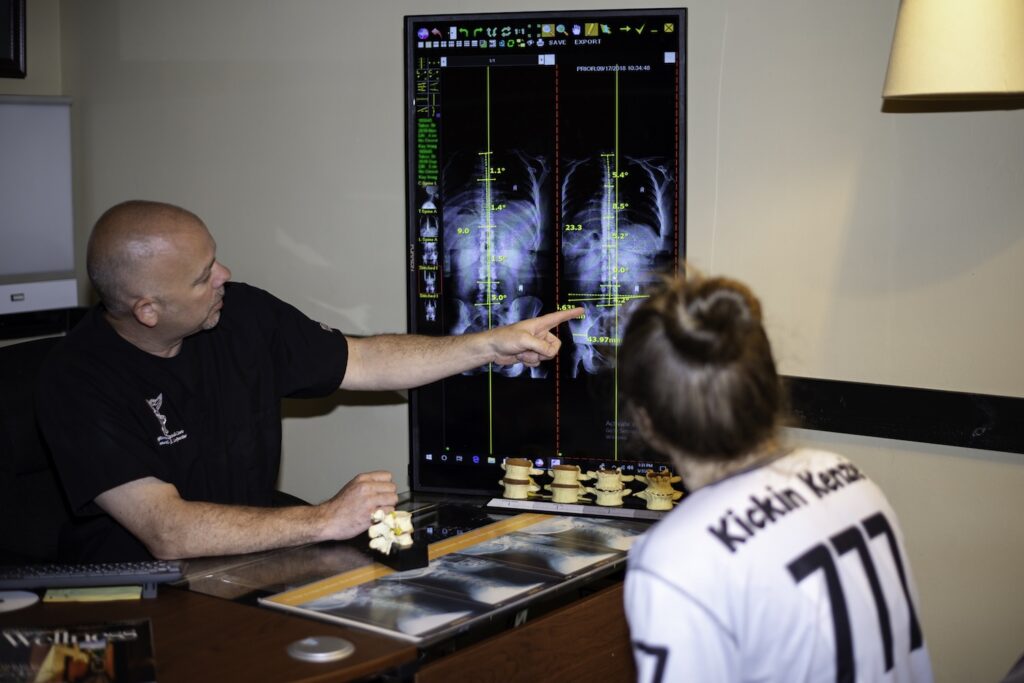
Understanding the role of chiropractic care in sports injury recovery can significantly enhance your healing process. When you experience an injury, chiropractic treatment provides structured support to help you regain strength, flexibility, and overall mobility. As a chiropractor, I'll assess your specific condition and develop a personalized rehabilitation plan tailored to your unique needs.
A key aspect of chiropractic care is its emphasis on pain management and natural healing. Through various techniques, such as spinal adjustments, soft tissue therapy, and rehabilitation exercises, we can alleviate discomfort and promote your body's innate healing abilities. These methods not only help reduce pain but also prepare your body for more advanced recovery exercises.
As you progress, I'll introduce a series of exercises designed to gradually restore your strength and mobility. This methodical approach ensures that you don't push yourself too hard too soon, thereby minimizing the risk of re-injury. You'll also learn proper movement patterns and techniques to prevent future injuries, which is vital for any athlete.
Another important component of chiropractic care is education. I'll teach you about your injury, the recovery process, and the importance of adhering to the recommended exercises. This knowledge empowers you to take an active role in your healing journey, helping you understand that your body has the capability to heal itself with the right support and guidance.
Nutritional Support for Healing
As a chiropractor dedicated to your overall wellness, I want to emphasize the crucial role that proper nutrition plays in your recovery from sports injuries. When your body is healing, it requires specific nutrients to repair tissues, reduce inflammation, and regain strength. By focusing on a balanced diet, you can significantly enhance your recovery process.
First and foremost, let's talk about protein. This macronutrient is vital for rebuilding muscle and connective tissues. I encourage you to incorporate sources of lean protein—such as chicken, fish, eggs, dairy, legumes, and nuts—into each of your meals. This consistent intake will support your body's healing mechanisms.
Next, we mustn't forget the importance of carbohydrates. They're your body's primary energy source and are essential for fueling your daily activities and recovery workouts. Opt for whole grains, fruits, and vegetables to ensure you receive necessary vitamins and minerals. These foods also boast antioxidants that can help reduce inflammation and accelerate healing.
Healthy fats are another key component of your recovery. Omega-3 fatty acids, found in fish, walnuts, and flaxseeds, are known to decrease inflammation and promote joint health. Including these in your diet can be beneficial in alleviating pain and swelling associated with your injuries.
Hydration is equally important. Water is vital for transporting nutrients throughout your body and plays a significant role in your recovery. Dehydration can impede your healing process, so be sure to drink plenty of fluids throughout the day, especially if you're engaging in physical activities.
Finally, I recommend consulting with a nutritionist who can help tailor your diet to your specific injury and nutritional needs. By prioritizing your nutritional support, you create an optimal environment for healing, allowing you to return to your sport not just quickly, but stronger than before.
Benefits of Cryotherapy
As a local chiropractor dedicated to your health and wellness, I want to share with you the incredible benefits of cryotherapy, especially for those of you who may not be familiar with this innovative recovery technique. Cryotherapy involves exposing your body to extremely cold temperatures, either through localized ice packs or whole-body cryo chambers. This method has been embraced by athletes and individuals alike for its remarkable ability to enhance recovery.
One of the primary benefits of cryotherapy is its ability to reduce inflammation. When you sustain an injury, your body naturally responds with swelling, which can be uncomfortable and slow down your healing process. By applying cold temperatures, we can help constrict blood vessels, effectively minimizing both swelling and pain. This can lead to quicker relief, allowing you to return to your daily activities and training sooner.
In addition to reducing inflammation, cryotherapy significantly improves muscle recovery. The cold temperatures work to flush out metabolic waste that builds up in your muscles during physical activity. This rapid recovery not only helps you get back to your favorite sports with less downtime but also enhances your range of motion by alleviating stiffness. You'll find it easier to perform movements without discomfort, which is a key aspect of maintaining an active lifestyle.
Furthermore, cryotherapy has the added benefit of boosting endorphin levels. These "feel-good" hormones can elevate your mood and overall sense of well-being, which is crucial for anyone looking to recover and return to their physical pursuits. Mental health plays a vital role in your recovery journey, and feeling good emotionally is just as important as the physical aspects.
Lastly, incorporating regular cryotherapy sessions into your routine can strengthen your immune system, making you less susceptible to future injuries. If you're serious about your recovery and overall health, exploring cryotherapy may be a transformative step. It's a powerful tool to speed up healing and help you get back to doing what you love most.
As your chiropractor, I encourage you to consider the benefits of cryotherapy as part of a holistic approach to your health and recovery. Together, we can work towards achieving your wellness goals naturally.
Ultrasound Treatment Techniques
As a local chiropractor, I want to take a moment to share with you the benefits of ultrasound therapy, a natural healing technique that we often use in our practice.
This method utilizes sound waves to foster healing within your body by enhancing blood flow and reducing inflammation.
Many of my patients find that ultrasound therapy significantly aids in their recovery process, helping to alleviate pain and promote tissue repair effectively.
It's a gentle, non-invasive treatment that can be particularly beneficial for sports injuries.
Understanding how ultrasound works can empower you to make informed decisions about your health and recovery.
Let's delve into the details of this effective option and how it can support your journey towards wellness.
Mechanism of Ultrasound Therapy
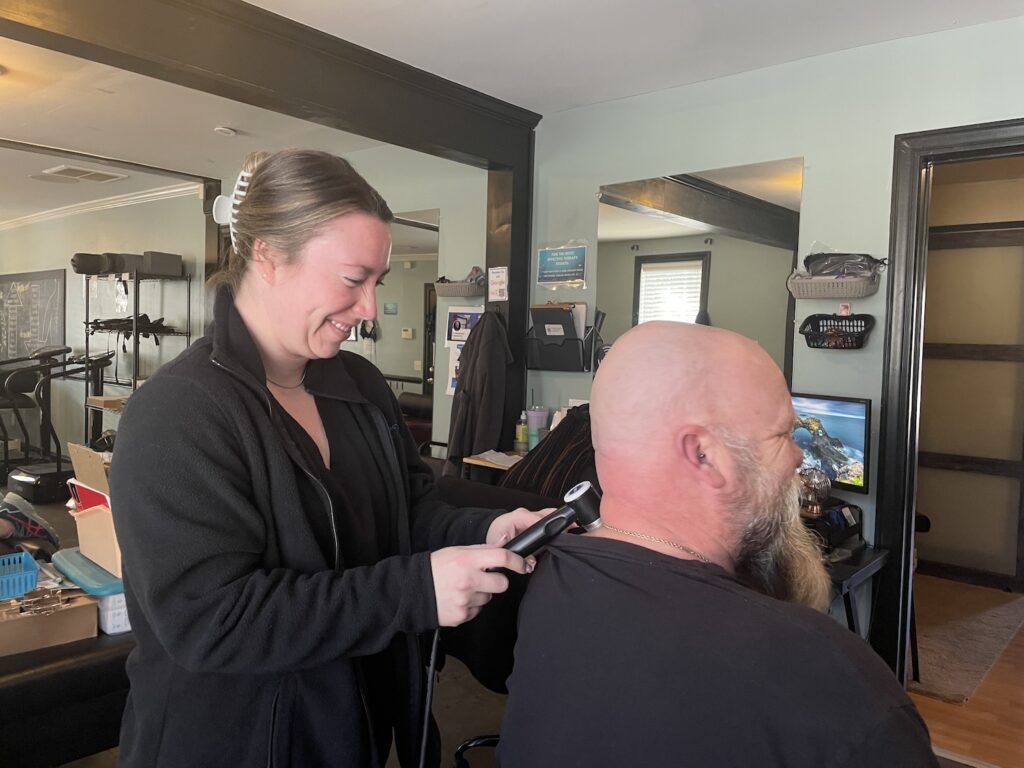
As a local chiropractor, I want to introduce you to the benefits of ultrasound therapy, a powerful and non-invasive treatment that can promote healing and alleviate pain. This technique utilizes high-frequency sound waves that penetrate deep into your tissues, creating heat and vibration in the targeted area.
As these sound waves move through your body, they stimulate cellular activity and enhance blood flow, which can significantly speed up your recovery.
Let me explain three key ways ultrasound therapy works:
- Thermal Effect: The sound waves generate heat, which raises the temperature of your tissues. This increase in temperature can enhance circulation, relax muscles, and reduce stiffness, leading to faster healing.
- Mechanical Effect: The ultrasound waves create tiny bubbles in your tissues that expand and contract. This process, referred to as cavitation, helps to break down scar tissue and promotes cellular repair, enabling your body to heal more effectively.
- Increased Permeability: Ultrasound therapy can improve the permeability of cell membranes. This means that essential nutrients and healing substances can enter your cells more easily, further supporting your recovery process.
Incorporating ultrasound therapy into your chiropractic care can provide a holistic approach to healing, enhancing your overall well-being and helping you return to your normal activities sooner.
If you have any questions or would like to learn more about how this therapy can benefit you, I'm here to help!
Benefits for Injury Recovery
As a local chiropractor, I want to share with you the incredible benefits of ultrasound therapy in the context of injury recovery. If you're unfamiliar with chiropractic care and natural healing, it's important to understand how this non-invasive treatment can significantly enhance your healing process.
One of the standout advantages of ultrasound therapy is its ability to promote tissue repair. By using sound waves that penetrate deep into your tissues, ultrasound increases blood flow to the affected areas. This boost in circulation accelerates the healing of damaged tissues, helping you recover more efficiently.
In addition to promoting healing, ultrasound therapy can also help reduce inflammation and swelling, which often accompany injuries. This reduction in discomfort means you can return to your daily activities and favorite pastimes sooner than you might expect.
Furthermore, ultrasound is effective in alleviating pain by disrupting the pain signals that travel to your brain. This allows you to participate in rehabilitation exercises with greater ease and less discomfort.
Another significant benefit of this therapy is its ability to enhance the flexibility of your muscles and joints. Regaining full range of motion is crucial for a complete recovery, and ultrasound therapy can help facilitate that process. As you experience these positive effects, you'll likely notice a decrease in your overall recovery time, empowering you to return to your sport or activity with renewed confidence.
Incorporating ultrasound therapy into your recovery plan not only aids in physical healing but also fosters a positive mindset. When you see progress and feel better, it can greatly influence your outlook on recovery.
With these advantages, you're paving the way for a successful comeback from your injury with the support of natural healing methods offered in chiropractic care. If you have any questions about how ultrasound therapy can benefit you, don't hesitate to reach out!
Stretching and Strengthening Exercises
As your local chiropractor, I want to emphasize the importance of stretching and strengthening exercises for your recovery and overall health.
These exercises are vital in enhancing your flexibility and building muscle endurance, which are crucial for improving your movement and stability. Not only do they help you perform better in your daily activities, but they also play a significant role in preventing future injuries.
By incorporating these practices into your routine, you can stay active and enjoy a healthier lifestyle for longer.
Importance of Flexibility
As your local chiropractor, I want to emphasize the significant role flexibility plays in recovering from sports injuries and enhancing your overall performance. Many people don't realize that incorporating stretching and strengthening exercises into your routine can be a game changer, not just for recovery, but also for preventing future injuries.
Here's why flexibility is so vital in your healing journey:
- Improved Range of Motion: Regular stretching is key to maintaining and even increasing your flexibility. This is essential for performing movements efficiently and effectively, especially in sports.
- Enhanced Blood Flow: Stretching helps improve circulation in your muscles, which is crucial. Better blood flow means your muscles receive the nutrients and oxygen they need to heal properly.
- Reduced Muscle Tension: Keeping your muscles flexible can relieve tightness and discomfort. This allows you to move more freely and comfortably during your activities, making your experience more enjoyable.
Incorporating flexibility work into your recovery plan is an important step towards a healthier, pain-free lifestyle.
If you have any questions about how to integrate flexibility into your routine, I'm here to help!
Building Muscle Endurance
As a local chiropractor, I want to share some valuable insights on how to enhance your muscle endurance while recovering from a sports injury. It's important to incorporate both stretching and strengthening exercises into your rehabilitation routine to promote healing and restore function.
Begin with gentle stretches to improve your flexibility and prevent stiffness in the affected area. Dynamic stretches, such as leg swings or arm circles, are excellent for warming up your muscles before you move on to strengthening exercises.
Once you're warmed up, it's time to introduce some resistance training. Bodyweight exercises like squats, lunges, and push-ups can effectively build endurance without putting too much strain on your injured area. If you're feeling ready, you can gradually incorporate resistance bands or light weights to increase the challenge.
The key is to aim for higher repetitions with lighter loads, as this approach is designed to enhance endurance rather than bulk up your muscles.
Additionally, consider exercises that engage multiple muscle groups, such as planks or kettlebell swings. These movements can help maximize your workout and make the most of your time.
Always listen to your body; if something doesn't feel right, it's important to stop and reassess your approach.
Consistency is crucial in this process, so aim to engage in these exercises a few times a week. As you progress, gradually increase the intensity or duration of your workouts, allowing your muscles the opportunity to adapt and strengthen.
By following these guidelines, you can't only recover effectively from your injury but also build a solid foundation for your return to sports and physical activity.
Preventing Future Injuries
As your local chiropractor, I'm here to guide you on how to prevent future injuries and maintain your overall musculoskeletal health. Once you've built your muscle endurance, it's crucial to focus on strategies that will keep you safe during physical activity. A combination of stretching and strengthening exercises can significantly reduce your risk of injury.
Here are three essential strategies I recommend incorporating into your routine:
- Dynamic Stretching: Before diving into your workouts, it's important to warm up with dynamic stretches. Movements such as leg swings, arm circles, and lunges not only prepare your muscles for the activity ahead but also enhance your flexibility, which is vital for injury prevention.
- Strength Training: Strengthening the muscles around your joints is key to providing stability and support during movement. I encourage you to include exercises like squats, lunges, and shoulder presses in your routine. Aim for at least two strength training sessions each week to reinforce these crucial muscle groups.
- Static Stretching: After your workouts, take the time to cool down with static stretches. Holding each stretch for 15-30 seconds allows you to lengthen your muscles and support recovery. Be sure to target the major muscle groups that you've worked during your session to promote balance and flexibility.
By integrating these strategies into your fitness routine, you can't only enhance your performance but also significantly lower your chances of injuries.
If you have any questions or need personalized advice, don't hesitate to reach out! Your health and well-being are my priority.
Psychological Aspects of Recovery
As a local chiropractor, I often see athletes who underestimate the importance of the psychological aspects of recovery. However, these factors can significantly influence the healing process. When dealing with an injury, it's essential to recognize that it's not just your body that requires healing—your mind is a crucial component as well. Maintaining a positive mindset and staying focused can greatly enhance your recovery journey.
One effective method I recommend is visualization techniques. Imagine yourself back in action, enjoying your sport with a sense of freedom and joy. This mental exercise not only boosts your motivation but can also facilitate a quicker return to your activities.
It's also vital to set realistic goals during your recovery. Break larger objectives into smaller, achievable steps, and take the time to celebrate each milestone. This approach helps maintain your sense of progress and uplifts your spirits.
Don't hesitate to reach out for support, whether from teammates, coaches, or even a sports psychologist. Sharing your feelings and experiences can relieve stress and provide valuable insights into your recovery. Remember, it's completely normal to feel anxious or discouraged at times; acknowledging these emotions is an essential part of the healing process.
Additionally, I encourage patients to practice mindfulness and relaxation techniques to manage stress effectively. Engaging in activities like meditation or deep-breathing exercises can calm your mind, allowing your body to focus on healing.
Conclusion
As a local chiropractor, I want to share how various techniques can significantly aid your recovery from sports injuries. First and foremost, prioritizing rest is crucial—your body needs time to heal. Alongside rest, physical therapy can be instrumental in your rehabilitation process, helping you regain mobility and strength.
Nutrition plays a vital role as well. A balanced diet rich in essential nutrients can support your healing journey. Additionally, consider advanced treatments offered in chiropractic care, such as cryotherapy and ultrasound therapy, which can help reduce inflammation and promote tissue repair.
Incorporating stretching and strengthening exercises into your routine is essential for rebuilding strength and preventing future injuries. Don't forget to address the psychological aspects of recovery; staying positive and motivated can make a significant difference in your healing process.
By embracing a holistic approach to your recovery, which includes chiropractic care, you'll be on your way to returning to your sport stronger and healthier than before. If you have questions about how chiropractic care can help you recover, don't hesitate to reach out!