If you're dealing with back pain, you might be wondering about non-invasive options that could offer relief without resorting to surgery or heavy medications. Techniques like physical therapy, chiropractic care, and acupuncture can play a significant role in managing your discomfort. Each method comes with its own set of benefits, and understanding these can help you make informed choices. But are these approaches effective for everyone? Let's explore what might work best for you and uncover some surprising options that could enhance your recovery.
Physical Therapy Techniques
When it comes to managing back pain, physical therapy techniques play an essential role in your recovery. These techniques focus on strengthening your muscles, improving flexibility, and enhancing your overall mobility. A skilled physical therapist will work with you to create a personalized plan that addresses your specific needs and goals.
One key technique involves stretching exercises. These help to loosen tight muscles and improve your range of motion. You'll likely perform various stretches targeting your back, hips, and legs, all essential areas for alleviating pain.
Strengthening exercises will also be a significant part of your routine. By focusing on core stability, you'll support your spine better, reducing the risk of future injuries.
Manual therapy is another technique you might encounter. This hands-on approach helps to relieve tension in your muscles and improve circulation. Your therapist may use specific movements to manipulate your joints and soft tissues, promoting healing and reducing pain.
Additionally, modalities like heat, ice, or electrical stimulation can be integrated into your therapy sessions. These methods help to manage pain and inflammation efficiently, providing you with relief while you work on your exercises.
Finally, education on proper body mechanics and posture can be invaluable. By learning how to move correctly and maintain good posture, you'll minimize strain on your back during daily activities.
Chiropractic Adjustments
Chiropractic adjustments can be a game-changer for your back pain.
These techniques focus on realigning your spine and improving mobility, which can alleviate various conditions.
Whether you're dealing with tension headaches or lower back issues, chiropractic care might offer the relief you're seeking.
Benefits of Chiropractic Care
For those seeking relief from back pain, chiropractic adjustments offer a non-invasive approach that can considerably improve your quality of life. These adjustments focus on restoring proper alignment to your spine, which can reduce pain, enhance mobility, and promote overall wellness. You may find that regular chiropractic visits alleviate discomfort and help prevent future issues.
One of the primary benefits of chiropractic care is its emphasis on treating the root cause of your pain rather than just masking symptoms. This holistic approach can lead to long-lasting relief. Many patients also report improved posture and increased range of motion following adjustments, making daily activities more manageable.
Additionally, chiropractic care can enhance your body's natural healing processes by improving circulation and reducing inflammation. This can lead to faster recovery from injuries or stress-related issues.
Furthermore, it's a safe option for individuals of all ages, from children to seniors.
Incorporating chiropractic care into your wellness routine can empower you to take control of your back pain and improve your overall health. With consistent care, you can enjoy an active lifestyle free from the limitations of discomfort.
Techniques Used in Adjustments
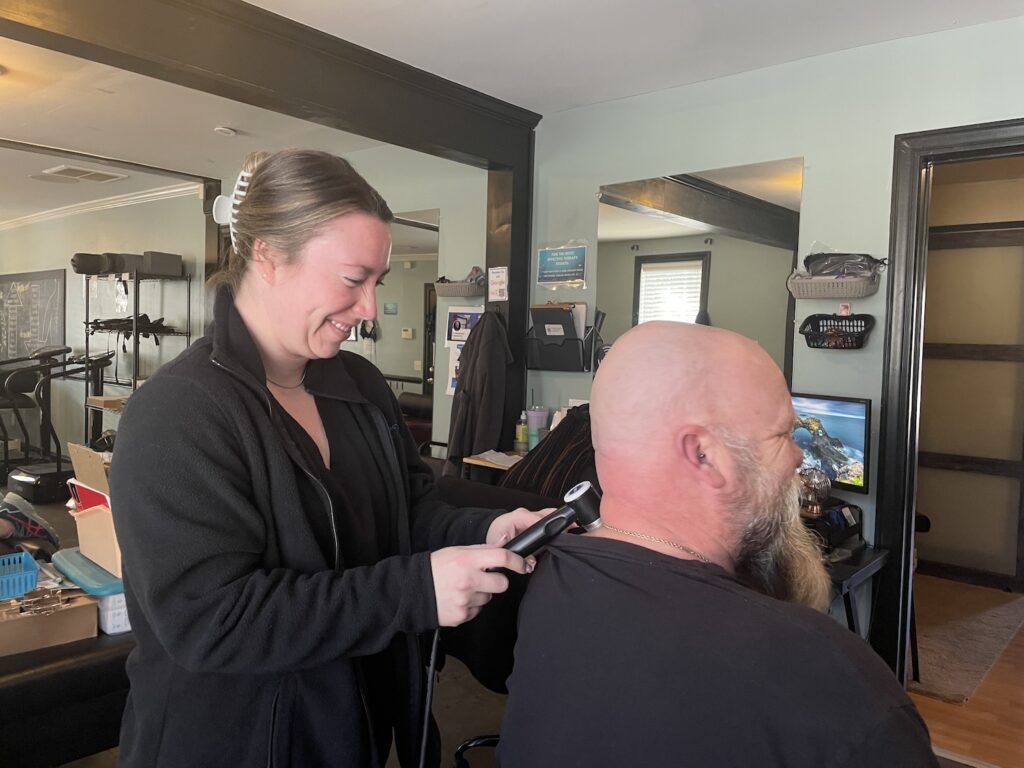
In the domain of non-invasive treatments, various techniques are employed during chiropractic adjustments to address back pain effectively. You'll find that chiropractors often use manual adjustments, which involve applying controlled force to specific joints. This technique helps realign the spine and improve overall mobility.
Another common method is the use of instrument-assisted adjustments. With tools like the Activator or Impulse instrument, chiropractors provide gentle, precise pressure on the spine, making adjustments easier and often more comfortable for patients.
You might also experience soft tissue therapy, where practitioners apply pressure to muscles and connective tissues, alleviating tension and enhancing blood flow.
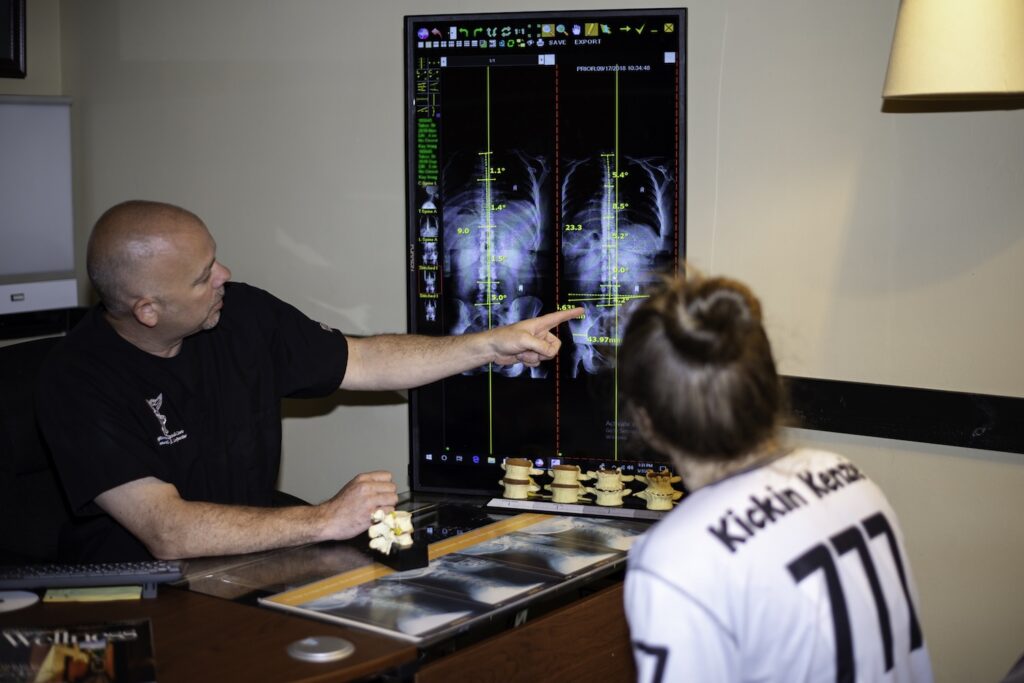
Diversified technique is another approach you may encounter, combining various adjustment styles tailored to your specific needs. Additionally, some chiropractors utilize the Gonstead technique, focusing on detailed analysis of spinal structures before making targeted adjustments.
Finally, you might explore other techniques like the Thompson drop-table method, where sections of the table drop slightly to assist with adjustments.
Each of these methods aims to relieve pain, restore function, and promote overall wellness, ensuring you receive personalized care for your back pain.
Conditions Treated by Chiropractors
Chiropractors address a wide range of conditions beyond just back pain. They're trained to treat various musculoskeletal issues, including neck pain, headaches, and joint pain.
If you suffer from tension headaches or migraines, chiropractic adjustments can relieve pressure and improve blood flow, helping reduce the frequency and intensity of your symptoms.
Additionally, chiropractors often work with patients experiencing sciatica, a condition that causes pain along the sciatic nerve, which runs from your lower back down to your legs. By aligning the spine and relieving nerve pressure, they can help ease discomfort.
If you've got issues like carpal tunnel syndrome or sports injuries, chiropractic care can also be beneficial. Adjustments can restore mobility and support your body's natural healing processes, allowing you to recover faster.
Furthermore, chiropractors can assist with conditions related to posture, like tech neck or lower back strain from prolonged sitting. Regular chiropractic visits can help maintain proper alignment, ensuring your body stays balanced and healthy.
Incorporating chiropractic care into your routine can promote overall wellness and improve your quality of life.
Acupuncture Benefits
Acupuncture can be a game-changer for your back pain, offering relief through its unique pain relief mechanisms.
By stimulating specific points, it enhances blood circulation, promoting healing and reducing discomfort.
If you're looking for a non-invasive way to manage your pain, acupuncture might just be the solution you need.
Pain Relief Mechanism
Releasing the potential for pain relief, acupuncture offers a unique mechanism that engages the body's natural healing processes. When you undergo acupuncture, thin needles are strategically inserted into specific points on your body. This stimulates your nervous system and encourages the release of endorphins—your body's natural painkillers. This process not only helps alleviate pain but also promotes a sense of well-being.
Additionally, acupuncture can help modulate the way your brain perceives pain. By influencing the pathways in your nervous system, it alters the signals sent to your brain, reducing the sensation of discomfort you might experience. This dual action of releasing endorphins and altering pain perception makes acupuncture a compelling option for back pain relief.
Moreover, many people report feeling more relaxed and balanced after sessions, which can further help manage pain and stress. As your body becomes more attuned to this healing method, you may notice a cumulative effect, leading to long-term benefits.
Enhanced Blood Circulation
Enhancing blood circulation is another significant benefit of acupuncture that contributes to overall pain relief and recovery. When you receive acupuncture, the tiny needles stimulate specific points on your body. This process encourages increased blood flow to the areas where you experience pain or discomfort. Improved circulation delivers essential nutrients and oxygen to your tissues, promoting healing and reducing inflammation.
As blood circulation improves, you may notice a decrease in muscle tension and stiffness. This can be particularly beneficial if you deal with chronic back pain, as enhanced blood flow helps your body recover more efficiently. You might also find that your overall energy levels increase, making it easier to engage in activities that you enjoy.
Additionally, better circulation can aid in the removal of metabolic waste products from your muscles. This detoxification process further supports your body's natural healing mechanisms.
Massage Therapy Options
When you're dealing with back pain, massage therapy can be a game-changer. It's an effective, non-invasive way to relieve tension and promote relaxation in your muscles. You might find that regular sessions help reduce pain and improve your overall mobility. Different massage techniques can target various issues, so knowing what works best for you is essential.
Swedish massage is a popular choice that uses long, flowing strokes to enhance circulation and ease muscle tension. If you've got tight knots in your back, deep tissue massage applies more intense pressure, helping to break down those stubborn areas. Trigger point therapy focuses on specific points of tension, which can be especially effective for localized pain.
If you're looking for a more holistic approach, consider incorporating myofascial release and sports massage into your routine. Myofascial release targets the connective tissue surrounding muscles, while sports massage is tailored for athletes, providing relief from strains and enhancing performance.
Before you start, it's a good idea to consult a qualified massage therapist who can assess your condition and recommend the best approach. Keep in mind that communication is key; don't hesitate to let your therapist know about your pain levels and any specific areas you want them to focus on.
With consistent therapy, you might find that your back pain diminishes, allowing you to enjoy a more active lifestyle. Embrace the healing power of massage therapy and take a step towards relief today!
Mindfulness and Meditation
Finding relief from back pain often requires a multifaceted approach, and mindfulness and meditation can play a significant role in your healing journey. These practices help you cultivate awareness of your body and mind, allowing you to recognize and release tension that may contribute to your discomfort. By focusing on the present moment, you can create a mental space where pain doesn't dominate your thoughts.
Engaging in mindfulness can involve simple practices like deep breathing or body scanning. These techniques encourage you to pay attention to how your body feels, helping you identify areas of tension or pain. Once you're aware of these sensations, you can consciously relax those muscles, promoting a sense of relief.
Meditation, on the other hand, provides a structured way to quiet your mind and reduce stress. Regular meditation sessions can help shift your perspective on pain, making it feel less overwhelming. You might find guided meditations specifically designed for pain relief particularly beneficial, as they often incorporate visualizations and affirmations that encourage healing.
To get started, set aside a few minutes each day to practice mindfulness or meditation. Create a comfortable space where you won't be disturbed, and use resources like apps or videos to guide you.
Over time, you'll likely notice an improvement in how you manage your back pain, along with enhanced emotional well-being. By incorporating mindfulness and meditation into your routine, you're taking an empowering step toward better back health.
Heat and Cold Therapy
Applying heat and cold therapy can be an effective way to alleviate back pain quickly. This approach is simple, accessible, and can provide instant relief. Both heat and cold serve distinct purposes in pain management, so understanding when to use each is key.
Heat therapy works by increasing blood flow to the affected area, helping to relax tight muscles and soothe stiff joints. You can use a heating pad, warm towel, or even take a hot bath to enjoy its benefits.
On the other hand, cold therapy is great for reducing inflammation and numbing sharp pain. Ice packs or cold compresses can be applied for short intervals to help manage swelling.
Here are some emotional benefits you might experience with heat and cold therapy:
- Immediate relief from nagging pain can lift your spirits.
- Soothing warmth can create a comforting environment, making your home feel like a haven.
- A sense of control over your pain management empowers you to take charge of your health.
- Moments of peace can be found in the stillness while you apply these therapies, allowing you to reconnect with yourself.
- Hope for a pain-free day can motivate you to tackle daily activities with renewed vigor.
Incorporating heat and cold therapy into your routine can be a game-changer for managing back pain, enhancing your quality of life.
Just be sure to alternate between the two and listen to your body for the best results.
Exercise and Stretching
Movement is essential for maintaining a healthy back, and incorporating exercise and stretching into your routine can greatly reduce pain and improve mobility. Regular physical activity strengthens muscles that support your spine, enhancing stability and reducing the risk of injury. You don't need an intense workout regimen; even simple exercises can make a significant difference.
Start with low-impact activities like walking, swimming, or cycling. These exercises promote blood flow and help maintain flexibility without putting too much strain on your back. Aim for at least 30 minutes of moderate exercise most days of the week.
Incorporating stretching is equally important. Focus on gentle stretches that target your back, hips, and legs. Stretches like the cat-cow, child's pose, and hamstring stretch can help release tension and improve flexibility. Hold each stretch for about 20-30 seconds and repeat as necessary.
Listen to your body; if something feels painful, ease off and try a different movement. Consistency is key—try to include a mix of stretching and strengthening exercises in your routine at least three times a week.
Consider consulting a physical therapist or trainer to develop a personalized exercise plan tailored to your specific needs and limitations. They can guide you on proper form, ensuring you're maximizing benefits while minimizing strain on your back.
Posture Improvement
Maintaining good posture can greatly alleviate back pain and complement your exercise routine. When you sit, stand, or move with proper alignment, you reduce unnecessary strain on your spine and muscles. This simple adjustment can make a significant difference in how you feel throughout the day.
To improve your posture, start by being aware of your body alignment. Here are some practical steps to help you stay on track:
- Sit up straight: Keep your back against the chair and your feet flat on the ground.
- Engage your core: Strengthening your core muscles provides stability and support for your spine.
- Use ergonomic furniture: Invest in a good chair or desk that encourages proper posture, especially if you work long hours.
- Take frequent breaks: Get up and stretch or walk around every hour to relieve tension and reset your posture.
- Practice mindful movements: Be conscious of how you carry yourself while walking or lifting objects—bending at the knees rather than the waist can help protect your back.
Lifestyle Modifications
Making small changes to your daily routine can have a big impact on managing back pain. Start by incorporating regular physical activity into your life. Aim for at least 30 minutes of moderate exercise most days of the week. Activities like walking, swimming, or cycling can strengthen your muscles and improve flexibility, which are essential for back health.
Next, pay attention to your sleep habits. Confirm you have a supportive mattress and pillow that keep your spine aligned. Try to establish a consistent sleep schedule, going to bed and waking up at the same time daily. Good sleep hygiene can enhance recovery and reduce discomfort.
Nutrition also plays a key role. Eating a balanced diet rich in anti-inflammatory foods, such as fruits, vegetables, whole grains, and lean proteins can help reduce pain levels. Stay hydrated too; dehydration can lead to muscle cramps and spasms that worsen back pain.
Don't overlook the importance of stress management. Chronic stress can lead to muscle tension, so consider incorporating relaxation techniques like yoga, meditation, or deep breathing exercises into your routine.
Finally, limit prolonged sitting. If your job requires it, take regular breaks to stand, stretch, or walk around. This will help prevent stiffness and keep your back healthy.
Conclusion
Incorporating non-invasive options for back pain can greatly improve your comfort and overall well-being. By exploring physical therapy, chiropractic care, acupuncture, and massage therapy, you can find the combination that works best for you. Don't forget the importance of good posture, regular exercise, and stress management techniques. By making these lifestyle modifications, you're taking proactive steps towards a healthier back and a more active life. Start your journey to relief today!