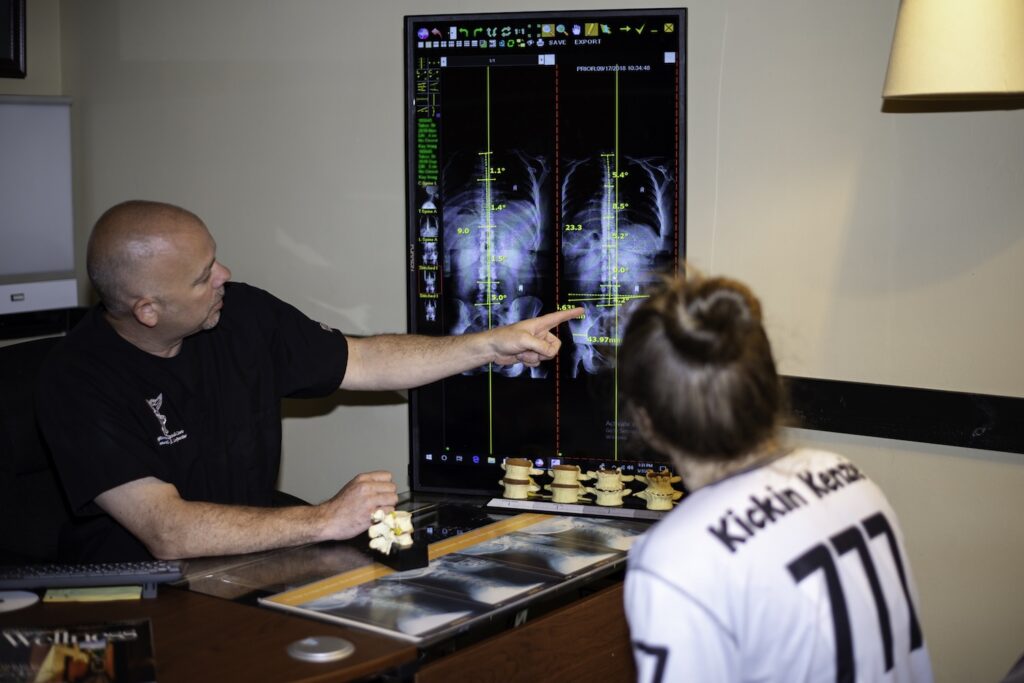
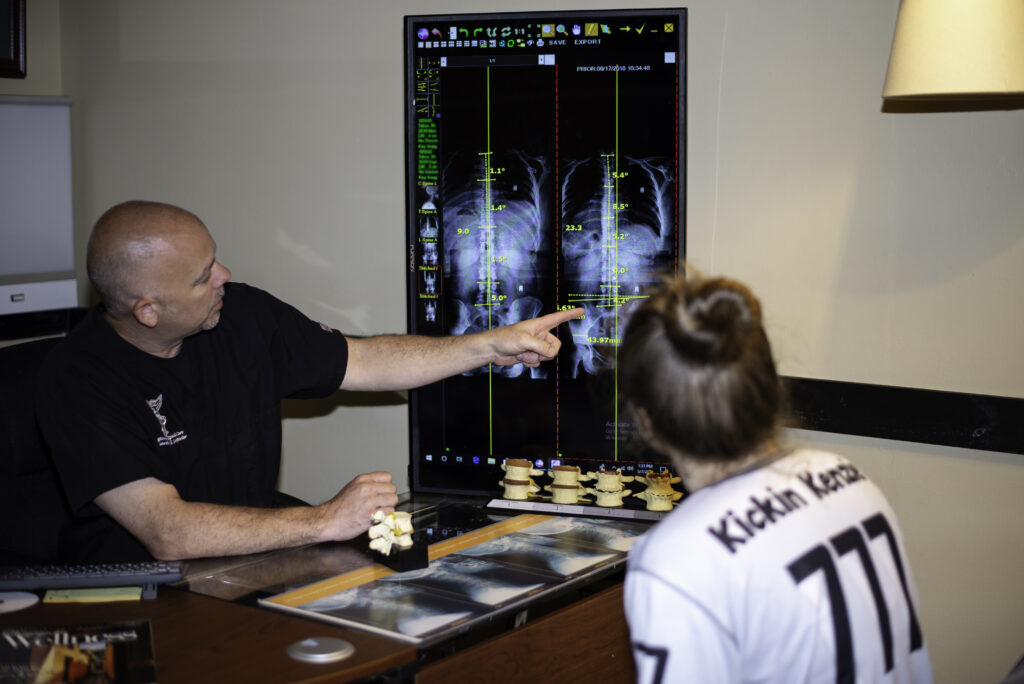
When it comes to maintaining optimal brain health, understanding your current state is crucial. As a local chiropractor, I encourage you to take the neurological wellness quiz—not just as a quick evaluation, but as a meaningful step toward uncovering your cognitive potential. This valuable tool will help you identify your strengths and pinpoint areas that may need improvement, allowing you to develop a personalized plan to enhance both your brain function and emotional well-being.
Interpreting the results of the quiz can be enlightening, and I'm here to guide you through that process. Together, we can explore natural strategies that support lasting improvement. From chiropractic adjustments that promote better nervous system function to lifestyle changes that enhance your overall wellness, the answers may be more accessible than you think. Embrace this journey toward neurological wellness, and let's work together to unlock your full cognitive potential!
Understanding Neurological Wellness
As a local chiropractor, I want to emphasize the importance of understanding neurological wellness and how it can significantly enhance your overall health and quality of life. When we talk about neurological wellness, we're focusing on the function of your nervous system, which includes your brain, spinal cord, and the extensive network of nerves throughout your body. A healthy, well-functioning nervous system is essential for effectively processing information, coordinating movements, and regulating all bodily functions.
To promote your neurological wellness, it's crucial to consider several lifestyle factors. Regular exercise, a balanced diet, and adequate sleep are foundational to maintaining optimal neurological health. Exercise is particularly beneficial as it increases blood flow to the brain and supports the growth of new neurons, which ultimately boosts cognitive function.
Mental stimulation is another important aspect. Engaging your brain with activities like puzzles, reading, or learning new skills can strengthen neural connections and enhance memory. Additionally, maintaining social interactions is vital; they keep your brain engaged and help combat feelings of isolation, which can adversely affect your mental health.
Managing stress is also critical for your neurological wellness. Chronic stress can lead to inflammation and various issues that may harm your nervous system. As a chiropractor, I often recommend incorporating mindfulness practices, such as meditation or yoga, to help you effectively manage stress.
Ultimately, understanding neurological wellness empowers you to make informed choices that promote your brain health and improve your overall quality of life. By prioritizing your neurological wellness and exploring natural healing methods, such as chiropractic care, you're investing in a healthier future for yourself.
Let's work together to enhance your wellness journey!
Importance of Brain Health
As your local chiropractor, I want to emphasize the critical role that brain health plays in your overall well-being. Maintaining a healthy brain is vital for supporting your cognitive abilities and emotional balance.
By prioritizing your brain health, you can enhance your neuroplasticity—the brain's ability to adapt and reorganize itself—which is essential for effectively navigating life's challenges.
In our practice, we understand that a healthy spine contributes to optimal brain function. Misalignments in the spine can affect the nervous system, potentially interfering with communication between your brain and body.
This is where chiropractic care comes in. Through gentle adjustments and holistic approaches, we can help improve your spinal alignment, which may enhance your brain's capacity to function at its best.
Let's delve into why focusing on your brain health matters for your overall wellness and how chiropractic care can support you in this journey.
Cognitive Function Maintenance
As a local chiropractor, I want to emphasize the importance of cognitive function maintenance for your overall health and well-being. Keeping your brain sharp is essential for navigating daily life and making informed decisions. Just like your spine needs care to function properly, your brain also requires attention to support its cognitive abilities.
As we age, it's common for cognitive abilities to decline, but there are proactive measures you can take to support your brain health. Engaging in regular mental exercises, such as puzzles or reading, is a great way to stimulate your brain and promote neural connections. I often recommend incorporating these activities into your daily routine, alongside physical exercise.
Physical activity not only improves your overall health but also increases blood flow to the brain, which can enhance cognitive function. A balanced diet is another key factor in maintaining cognitive health. Foods rich in antioxidants, healthy fats, and vitamins provide essential nutrients that your brain needs to thrive. I can guide you on dietary choices that support not just your spinal health, but also your cognitive function.
Sleep is vital for cognitive maintenance. Aim for 7-9 hours of quality rest each night to allow your brain to recharge and consolidate memories. If you're having trouble sleeping, chiropractic care may help by addressing any physical discomfort that could be impacting your rest.
Staying socially active is equally important. Engaging with friends and loved ones can help prevent cognitive decline and keep your mind engaged. I encourage my patients to participate in community activities or social groups as part of a holistic approach to health.
Lastly, managing stress is crucial for cognitive function. Mindfulness practices and relaxation techniques can greatly improve your mental clarity and focus. Chiropractic care can also help reduce physical stress and tension, supporting your overall mental well-being.
Emotional Well-Being Connection
As a local chiropractor, I want to emphasize the importance of your brain's health and how it directly impacts your emotional well-being. When you take steps to support your brain health, you're not only enhancing your cognitive functions but also boosting your emotional resilience.
A healthy brain helps you manage stress better, regulate your emotions, and build strong, positive relationships. Here are four key ways that brain health influences your emotional state:
- Mood Regulation: A well-functioning brain is crucial for balancing neurotransmitters, which are vital for maintaining a stable mood. Chiropractic care can help improve your nervous system function, supporting this balance.
- Stress Management: Healthy brain pathways allow you to handle stress more effectively. By promoting better spinal alignment, chiropractic adjustments can reduce physical tension and anxiety, leading to a calmer state of mind.
- Emotional Resilience: A healthy brain environment fosters adaptability. Regular chiropractic care can enhance your overall nervous system health, enabling you to bounce back from life's challenges with greater ease.
- Social Connections: Good brain health enhances your ability to connect with others. When you feel good physically and mentally, you're more likely to engage in meaningful relationships, which provides valuable emotional support.
Neuroplasticity and Adaptability
As a chiropractor, I want to share some insights about neuroplasticity, which is the brain's incredible ability to reorganize itself by forming new neural connections. This process is crucial not only for adaptability but also for maintaining overall brain health.
Every time you learn something new or tackle a challenge, your brain rewires itself, enabling you to adjust and grow. This adaptability is vital for preserving cognitive function throughout your life.
You may not be aware, but engaging in mentally stimulating activities—such as puzzles, reading, or picking up a new skill—can significantly enhance neuroplasticity. The more you challenge your brain, the more you encourage these positive changes, which can lead to better memory, increased creativity, and improved problem-solving abilities.
Additionally, it's important to recognize that our emotional experiences can influence the structure of our brains as well. Positive experiences can strengthen neural pathways, while negative ones may impede your brain's ability to adapt. This highlights the importance of nurturing emotional well-being alongside mental stimulation.
At our chiropractic practice, we focus on holistic healing, which includes not only physical adjustments to improve spinal health but also strategies to support your brain's adaptability.
Common Signs of Declining Function
As a local Chiropractor, I want to share some important insights about recognizing the common signs of declining function that could indicate potential neurological issues.
Being aware of these indicators can empower you to take proactive steps toward maintaining your overall health and well-being. Here are four key signs to keep an eye on:
1. Memory Loss: Have you noticed that you're forgetting names, appointments, or even recent conversations more often? While occasional forgetfulness can be normal, persistent memory lapses may be a signal that something isn't quite right with your cognitive function.
2. Difficulty with Problem-Solving: If you find yourself struggling to follow through with plans or solving everyday problems that you previously handled with ease, it's worth taking note.
Tasks that once felt simple shouldn't become overwhelming or confusing, and if they do, it might be time to seek support.
3. Changes in Mood or Behavior: Are you experiencing noticeable shifts in your mood, such as increased irritability, anxiety, or feelings of depression?
These changes can sometimes point to underlying neurological concerns. It's essential to pay attention to these feelings, especially if they persist or worsen, and to consider seeking guidance.
4. Decreased Coordination: If you've started to feel unsteady on your feet or are having difficulties with balance, this could indicate changes in your neurological function.
Additionally, challenges with fine motor skills—like buttoning a shirt—are also important red flags to watch for.
Recognizing these signs early is crucial for better management of your health.
By staying proactive and reaching out for help when you notice these changes, you can work towards ensuring a healthier future.
If you have any concerns, please don't hesitate to consult with me or another healthcare professional. Together, we can explore natural healing options that support your well-being.
Benefits of Assessing Your Health
As a local chiropractor, I want to emphasize the importance of assessing your health, not just for your body but for your overall well-being. Taking the time to evaluate your health provides you with a deeper understanding of how your body functions and how your mental state affects your physical health. This self-awareness is crucial because it empowers you to make informed decisions about your lifestyle and the natural healing methods we offer.
One of the key benefits of regular health assessments is early detection. By routinely checking in on your health, you can identify potential issues before they develop into more serious conditions. This proactive approach is especially important in chiropractic care, as it allows us to address musculoskeletal problems early on, preventing chronic pain and discomfort that can significantly impact your quality of life.
Additionally, understanding your unique health profile enables personalized health management. This is where chiropractic care shines. By knowing your specific needs, we can tailor our treatments—whether it's spinal adjustments, therapeutic exercises, or lifestyle recommendations—to create a customized plan that works for you and promotes natural healing.
Moreover, regularly reviewing your health can enhance your motivation to maintain healthy habits. As you track your progress and notice improvements in your body and well-being, you'll feel encouraged to continue your journey toward better health. This positive reinforcement is vital in making lasting lifestyle changes.
Finally, evaluating your health fosters better communication with your healthcare providers, including your chiropractor. When you have a clear understanding of your health status, it leads to more meaningful discussions and collaboration, ensuring you receive the most effective treatment options tailored to your needs.
Incorporating chiropractic care into your health assessment is a holistic approach to achieving optimal health and wellness. Let's work together to understand your body better and embark on a journey toward natural healing and improved quality of life.
Overview of the Quiz
As your local chiropractor, I believe that understanding your health is just the beginning of your journey toward wellness. Taking actionable steps can truly make a significant difference in your life.
That's why I'm excited to introduce the Neurological Wellness Quiz—a structured tool designed to help you assess various aspects of your mental and emotional health.
By participating in this quiz, you'll gain valuable insights that can guide you toward better neurological wellness and overall health.
Here's what you can expect when you engage with this resource:
- Holistic Approach: The quiz takes into account your physical, mental, and emotional well-being, giving you a comprehensive view of your health. This holistic perspective aligns perfectly with the principles of chiropractic care, which emphasizes the interconnectedness of body and mind.
- User-Friendly Format: I've ensured that the quiz is easy to navigate, featuring straightforward questions that require simple responses. This makes it accessible for everyone, regardless of your familiarity with health assessments.
- Confidentiality Assured: Your privacy is paramount. Your responses to the quiz will be kept confidential, allowing you to answer honestly and without fear of judgment. This focus on confidentiality means you can concentrate on what truly matters—improving your wellness.
- Actionable Insights: After you complete the quiz, you'll receive personalized information that can guide you on your next steps toward enhancing your neurological health. This tailored approach can complement the chiropractic care I provide, helping you achieve a balanced and healthy lifestyle.
I encourage you to take this important step for your health. Your journey to wellness starts with understanding where you're now, and this quiz is a great place to begin!
How to Interpret Your Results
Interpreting your results from the Neurological Wellness Quiz is an important step in understanding how we can work together to enhance your health through chiropractic care and natural healing. After completing the quiz, you'll receive a score reflecting your current neurological well-being. It's important to take a moment to review this score. Generally, a higher score suggests a healthier state, while a lower score may indicate areas where we can focus our efforts.
As a chiropractor, I encourage you to look closely at the specific categories evaluated in the quiz, including cognitive function, emotional health, and lifestyle habits. Each of these sections sheds light on different aspects of your neurological wellness. If you notice any areas where your score was lower than expected, this can help us identify specific challenges that may be impacting your health.
While the numbers are informative, it's crucial to consider what they mean in the context of your everyday life. For example, if cognitive function is a concern, think about how this issue might affect your work, relationships, and overall quality of life. Reflect on your lifestyle choices—such as your sleep patterns, diet, and stress management—that could be contributing to these results.
Remember, these results serve as a starting point for our journey together. They provide a foundation for discussions about your health and wellness goals. As your chiropractor, I can offer personalized advice and strategies to address your specific needs.
Tips for Improving Brain Function
As a chiropractor dedicated to your overall health and well-being, I want to share some valuable insights on how you can boost your brain function and enhance your neurological health. It's more attainable than you might think! By integrating a few straightforward practices into your daily life, you can sharpen your cognitive abilities and improve your brain health. Here are some effective strategies to consider:
- Stay Mentally Active: Just like your spine benefits from regular adjustments, your brain thrives when it's challenged. Engage in activities that stimulate your mind, such as solving puzzles, reading, or picking up a new skill. These activities can help create new neural connections and enhance cognitive function.
- Exercise Regularly: Physical activity isn't just good for your body; it's essential for your brain too! Regular exercise increases blood flow to the brain, which supports neurogenesis—the creation of new neurons. I recommend aiming for at least 30 minutes of aerobic exercise most days of the week to keep your brain functioning optimally.
- Eat a Brain-Healthy Diet: Nutrition plays a vital role in brain health. Incorporate foods that are rich in antioxidants, healthy fats, and essential vitamins. Think of vibrant berries, fatty fish, nuts, and leafy greens. These nutrient-dense foods support cognitive function and help protect against cognitive decline.
- Get Quality Sleep: Just as regular chiropractic care is important for your physical health, quality sleep is crucial for your brain's well-being. Good sleep is essential for memory consolidation and cognitive performance. Aim for 7-9 hours each night and establish a consistent sleep routine to enhance your overall rest quality.
Lifestyle Changes for Wellness
As a chiropractor dedicated to your overall wellness, I want to emphasize the importance of two essential lifestyle changes that can significantly enhance your neurological health: nutrition and exercise.
Incorporating brain-healthy foods into your diet can greatly improve cognitive function, helping you think clearer and feel sharper. Additionally, engaging in regular physical activity not only boosts your body's strength but also enhances mental clarity.
By focusing on these adjustments, you're not just supporting your brain health; you're laying the foundation for better overall well-being.
Nutrition for Brain Health
As a chiropractor dedicated to your overall well-being, I want to emphasize that nutrition plays a crucial role in not just physical health, but also in enhancing brain function. The foods you choose to consume have a direct impact on your mental clarity, emotional well-being, and cognitive abilities. By making informed dietary choices, you can support your brain and improve its performance.
Here are four essential nutrients that are particularly important for maintaining optimal brain health:
- Omega-3 Fatty Acids: These beneficial fats, found in sources like fatty fish, walnuts, and flaxseeds, are vital for brain structure and function. They've been shown to enhance memory and improve mood, making them a key component of a brain-healthy diet.
- Antioxidants: Foods like berries, dark chocolate, and green leafy vegetables are packed with antioxidants. These powerful compounds help protect your brain from oxidative stress and inflammation, which can damage brain cells over time.
- Vitamins B, D, and E: These essential vitamins contribute significantly to brain health. They help promote cognitive function and can lower the risk of neurodegenerative diseases. Make sure to include whole grains, nuts, and dairy products in your meals to reap these benefits.
- Hydration: Staying properly hydrated is fundamental for maintaining focus and cognitive abilities. Remember to drink plenty of water throughout the day to ensure your brain remains functioning at its peak.
Exercise and Mental Clarity
As a local chiropractor, I want to emphasize the incredible benefits of regular exercise, not just for your physical health, but for your mental clarity as well. Engaging in physical activity can have profound effects on your overall well-being. When you exercise, your body releases endorphins, which are natural mood enhancers that help alleviate stress. This chemical response can lead to improved focus and enhanced cognitive function, making it easier for you to take on daily tasks.
Incorporating different types of exercise—such as aerobic activities, strength training, and even yoga—can further support your brain health. Aerobic exercises, for instance, increase blood flow to the brain, which is crucial for the growth of new neurons and better memory retention. On the other hand, strength training has been shown to improve executive function and decision-making skills. Additionally, practices like yoga and mindfulness can greatly enhance your concentration and help reduce anxiety.
To experience these benefits, I recommend aiming for at least 150 minutes of moderate-intensity exercise each week. This doesn't have to feel daunting; even activities like brisk walking can make a significant difference. Start with small steps, choose activities that you enjoy, and gradually increase the intensity as you feel more comfortable.
By doing so, you'll not only improve your physical health but also enjoy sharper mental clarity, which will help you navigate the challenges of daily life with ease. Embrace the powerful connection between movement and mental wellness.
As a chiropractor, I believe that supporting your body through natural healing methods, including exercise, can lead to flourishing cognitive abilities and a healthier, happier life.
Resources for Further Learning
As you embark on your journey toward neurological wellness, it's essential to understand the holistic approach that chiropractic care can offer. Many patients may not be familiar with how chiropractic practices can enhance mental health and cognitive function, so I've compiled a selection of valuable resources that can deepen your understanding and support your growth in this area.
Here are four key resources worth exploring:
- Books: Consider diving into insightful titles like "The Brain That Changes Itself" by Norman Doidge or "The Body Keeps the Score" by Bessel van der Kolk. These books delve into neuroplasticity and the intricate connection between the brain and body, which is fundamental to chiropractic philosophy.
- Podcasts: Listening to podcasts such as "The Neuroscience Meets SEL Podcast" or "Unlocking Us with Brené Brown" can provide you with engaging discussions around mental wellness and neuroscience. These shows often highlight the importance of a healthy nervous system, which is crucial for resilience and overall well-being.
- Online Courses: Platforms like Coursera or Udemy offer courses on topics such as neuroscience, mindfulness, and emotional intelligence. Enrolling in these courses can give you structured learning experiences that align with the principles of chiropractic care and enhance your understanding of how your body and mind work together.
- Support Groups: I encourage you to seek out local or online support groups where you can connect with others who share similar health journeys. These communities can provide encouragement and share strategies for improving your mental and physical health through natural healing methods.
By exploring these resources, you can empower yourself on the path to neurological wellness.
Sharing Your Results
Now that you've taken the quiz, it's important to delve into your score and what it signifies for your neurological health.
Take a moment to reflect on your results; this is a crucial step in understanding your body's needs.
As your local chiropractor, I encourage you to consider the next steps for enhancing your wellness.
Sharing your findings with me or another healthcare professional can lead to valuable insights and a tailored plan for improvement.
Together, we can explore natural healing methods that align with your individual needs and support your journey to better health.
Understanding Your Score
Understanding your score from the Neurological Wellness Quiz can offer important insights into your cognitive health, which is closely linked to your overall well-being. As a local chiropractor, I want to help you see how your brain functions in various areas, and how this ties into the natural healing process. Your score not only highlights your strengths but also points out potential areas where we can improve your neurological wellness.
Here are four key factors to consider when interpreting your score:
- Cognitive Functioning: A higher score often suggests better memory, attention, and problem-solving skills. As we work together, we can focus on enhancing these functions through chiropractic adjustments and holistic practices.
- Emotional Well-being: Your score may also provide insights into your emotional health. A balanced emotional state is vital for optimal cognitive performance. If your results indicate stress or imbalance, we can explore natural healing techniques to support your emotional well-being.
- Lifestyle Choices: Consider how your daily habits—like diet, exercise, and sleep—affect your score. These lifestyle factors are crucial in promoting neurological wellness, and as your chiropractor, I can guide you in making choices that support your health.
- Social Connections: Your level of social engagement can greatly influence your cognitive health. If your score reflects lower social interaction, we can discuss strategies to strengthen your support network and enhance your overall wellness.
Next Steps for Improvement
As your local chiropractor, I want to emphasize the importance of understanding your neurological health, which can greatly benefit from our natural healing practices.
After taking the Neurological Wellness Quiz, it's crucial to reflect on your results and what they mean for you. Don't hesitate to share your findings with me during your next visit; together, we can discuss how they relate to your overall well-being and identify specific areas where chiropractic care might help improve your cognitive function.
I encourage you to seek out resources that complement your chiropractic treatments. This could include reading materials, engaging in local workshops, or exploring community support groups focused on holistic health.
Incorporating lifestyle changes, such as regular physical activity, a nutritious diet, and mindfulness techniques, can significantly enhance your neurological wellness and overall vitality.
Based on your quiz results, we can set realistic, measurable goals tailored to your needs. For example, if you find that stress management is an area of concern, we can develop a plan that integrates relaxation techniques with your chiropractic sessions.
It's also important to monitor your progress regularly. Revisiting your quiz results can provide insight into your improvements and encourage you to stay committed to your health journey.
Conclusion
Taking the neurological wellness quiz is an essential first step in understanding and enhancing your brain health. As a local chiropractor, I often emphasize the importance of recognizing both your strengths and areas for improvement. This awareness can pave the way for meaningful changes that boost cognitive function and emotional stability.
In my practice, I see firsthand how small lifestyle adjustments can yield significant benefits. By embracing the insights gained from this quiz, you can take proactive measures to improve your neurological wellness. Remember, your brain health is closely linked to your overall well-being, and by prioritizing it, you are investing in a healthier, more vibrant life. Your brain—and your body—will certainly appreciate the care you provide!