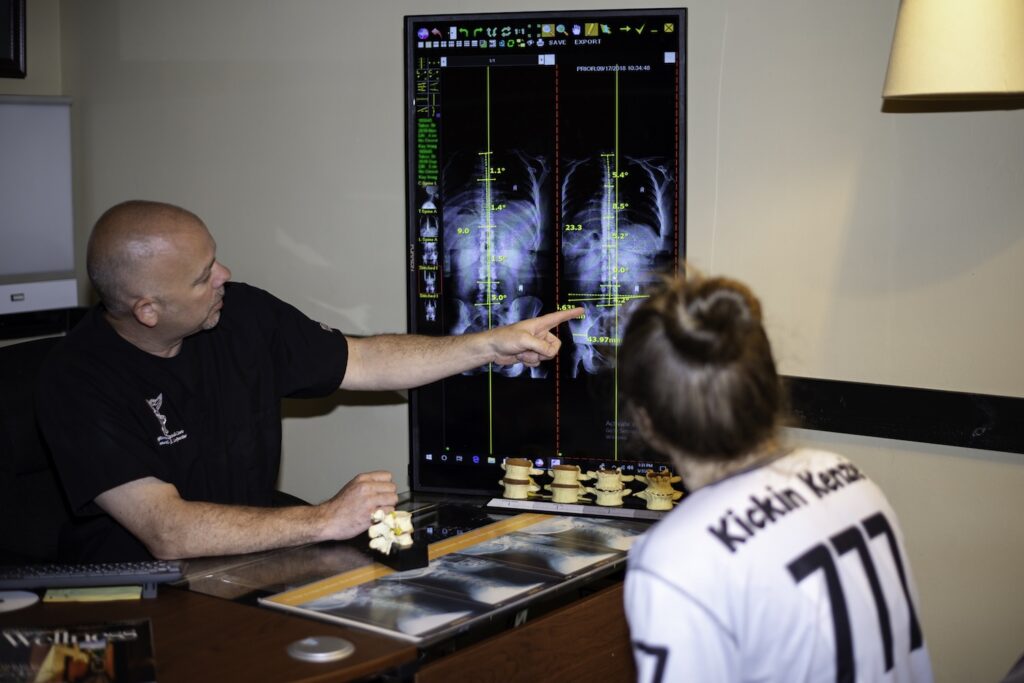
As a local chiropractor, I understand that many of you may be struggling with muscle strain or back pain, and I’m here to assure you that relief is possible. It’s essential to recognize that simple, natural techniques can significantly enhance your well-being. By incorporating gentle stretching and ensuring proper hydration into your daily routine, you can improve your comfort and mobility.
However, there’s much more to consider when addressing these concerns effectively. Chiropractic care focuses on the body’s natural ability to heal itself, and I encourage you to explore various holistic strategies that can support your journey toward a pain-free life. Let’s discuss key tips that can help you regain balance and function in your life, so you can enjoy a healthier, more active lifestyle.
Practice Gentle Stretching Exercises
As a chiropractor, I often emphasize the importance of gentle stretching exercises in maintaining a healthy spine and alleviating muscle strain and back pain. These stretches can be a valuable addition to your daily routine, promoting flexibility, enhancing blood circulation, and reducing muscle tension.
I recommend starting with simple stretches, such as the cat-cow pose or the seated forward bend. These movements gently elongate the spine and can significantly ease discomfort. It’s essential to listen to your body during these exercises; you should only stretch to the point of mild tension, never pushing yourself too hard.
Holding each stretch for 15 to 30 seconds can provide effective relief. I encourage my patients to make stretching a daily habit, particularly after long periods of sitting or standing, as this can help prevent stiffness and pain.
Don’t forget the importance of breathing during your stretches. Deep, steady breaths can further relax your muscles and enhance the benefits of the stretches.
Consistency is crucial; over time, you’ll likely notice a significant improvement in your flexibility and a reduction in back pain. Remember, incorporating these gentle stretches into your routine is a natural way to support your overall wellness and spinal health.
Apply Cold and Heat Therapy
As a local chiropractor, I want to share some effective methods for relieving muscle strain and back pain that you may find helpful. One of the key approaches I recommend is the use of cold and heat therapy in addition to stretching.
First, let’s talk about cold therapy. If you’re experiencing pain, especially within the first 48 hours, applying cold can be very beneficial. Ice packs work wonders in reducing inflammation and can help numb sharp discomfort.
Simply wrap some ice in a cloth and apply it to the affected area for about 15-20 minutes at a time. This can provide immediate relief and help prevent further swelling.
Once the initial inflammation has subsided, it’s time to switch to heat therapy. Heat is excellent for improving blood circulation and relaxing tight muscles, which can be crucial for your recovery.
You might consider using a heating pad or enjoying a warm bath. Applying heat for 15-30 minutes can help soothe your aching back and promote healing.
Always pay attention to how your body responds to these therapies. If you notice that either cold or heat increases your pain, it’s important to stop immediately.
Alternating between cold and heat can also be very effective, offering relief while enhancing the healing process.
Maintain Proper Posture
As your local chiropractor, I want to emphasize the importance of maintaining proper posture to prevent muscle strain and back pain, particularly if you find yourself sitting or standing for prolonged periods.
When seated, ensure your feet are flat on the floor, your knees are at a right angle, and your back is pressed against the chair. Choosing a chair that provides adequate support for your lower back can significantly aid in maintaining proper spinal alignment.
If you’re standing, it’s crucial to distribute your weight evenly on both feet and avoid locking your knees, as this can lead to unnecessary tension in your body.
I also encourage you to take regular breaks to move around and stretch. This simple practice can alleviate tension and promote better posture.
If your work involves long hours at a desk, consider investing in a standing desk or an ergonomic chair to better support your body’s natural alignment.
Being mindful of your posture while you work is key to reducing the risk of muscle strain and back pain.
Stay Hydrated and Nourished
As a local chiropractor, I want to emphasize the importance of staying hydrated and nourished for your overall health, particularly when it comes to keeping your muscles and back in optimal condition.
Water is crucial for maintaining muscle elasticity and can significantly reduce the risk of cramps. I recommend that you drink plenty of water throughout the day, especially if you’re active. Remember, dehydration can lead to fatigue and increased discomfort, so having a water bottle with you at all times is a good practice.
Equally important is proper nourishment. A balanced diet that includes plenty of vitamins, minerals, and protein is essential for muscle repair and recovery. Incorporate foods like leafy greens, nuts, and lean proteins into your meals.
Omega-3 fatty acids, found in fish, can help reduce inflammation, which may ease pain in your back and muscles.
Don’t forget about snacks! Healthy options like yogurt or fresh fruit can help maintain your energy levels and prevent muscle strain throughout the day.
It’s vital to understand that what you consume impacts how your body feels. By prioritizing hydration and nutrition, you can make a significant difference in your overall well-being and manage pain more effectively.
Consult a Healthcare Professional
When it comes to persistent muscle strain or back pain, I encourage you to consider the benefits of chiropractic care. As a chiropractor, my goal is to help you understand how your body works and how we can work together to promote healing naturally.
During your visit, I’ll take the time to assess your condition thoroughly, ensuring I understand your symptoms and any activities that may have contributed to your discomfort. This information is crucial for identifying the root cause of your pain.
Through targeted adjustments and therapies, we can create a personalized treatment plan that may include spinal manipulation, therapeutic exercises, and lifestyle recommendations tailored to your specific needs.
It’s important to address ongoing pain promptly, as ignoring it may lead to more serious complications down the line. A chiropractic approach not only focuses on alleviating your pain but also on enhancing your overall well-being and function.
I can help rule out any serious underlying issues, ensuring you receive the right care for your situation.
Remember, self-diagnosing or relying solely on home remedies can sometimes exacerbate your condition. By consulting with a chiropractor, you’re taking a proactive step towards understanding your body and promoting natural healing.
Prioritize your health, and let’s work together to help you find relief and improve your quality of life.
Conclusion
As a local chiropractor, I want to share some valuable insights to help you manage muscle strain and back pain effectively. Integrating these five tips into your daily routine can make a significant difference in your comfort levels.
First, gentle stretching is essential. It can help improve your flexibility and reduce tension in your muscles. Additionally, utilizing cold and heat therapy can provide relief by reducing inflammation and promoting blood flow to the affected areas.
Maintaining good posture is crucial for spinal health. Being mindful of your posture throughout the day can alleviate unnecessary strain on your back.
Don’t forget the importance of hydration and nutrition; staying well-hydrated and nourished supports your body’s healing processes.
Lastly, I encourage you to seek guidance from a healthcare professional—like a chiropractor—who can provide personalized advice tailored to your specific needs. By taking these proactive steps, you can enhance your comfort and return to your daily activities with reduced pain and improved well-being.