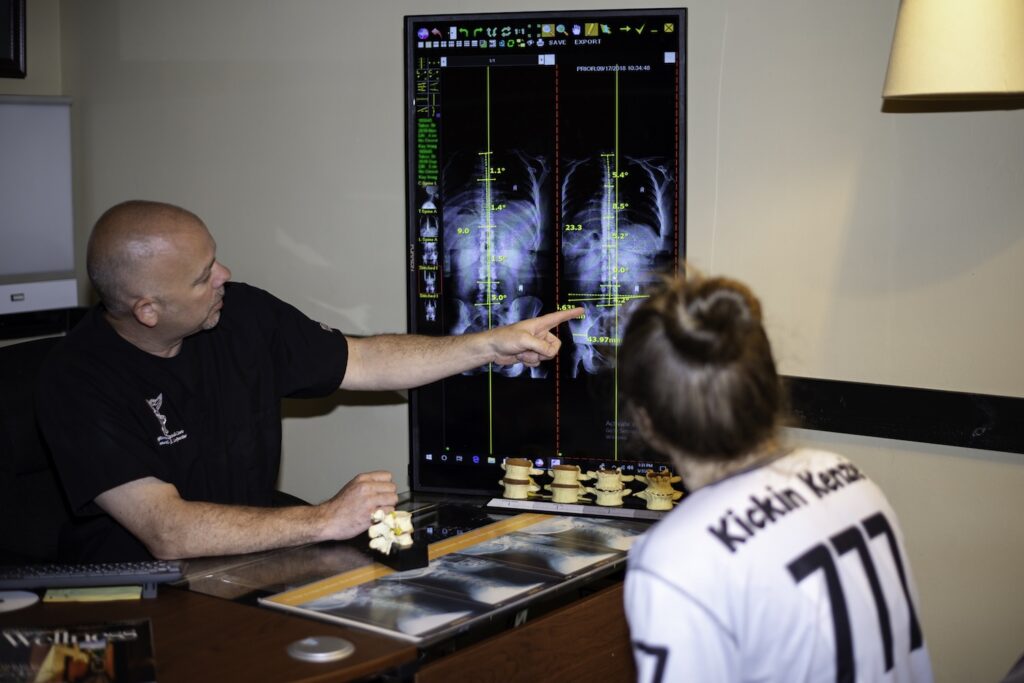
As a local chiropractor, I understand that experiencing a muscle strain can be incredibly painful and may hinder your daily activities. The good news is that relief is attainable through natural healing methods. It’s important to familiarize yourself with the right steps for immediate care and ongoing management so you can return to your routine more quickly.
First and foremost, it’s essential to know that chiropractic care can play a pivotal role in your recovery. By addressing the underlying issues contributing to your muscle strain, you can promote healing and prevent future injuries. Here are some effective strategies for muscle strain relief that I recommend to my patients:
- Rest and Ice: Initially, take a break from any activities that might aggravate the strain. Applying ice to the affected area can help reduce inflammation and numb the pain.
- Gentle Movement: While rest is crucial, gentle movements or stretching can aid in recovery. I can help guide you through safe exercises to maintain mobility without exacerbating the injury.
- Chiropractic Adjustments: A chiropractic adjustment can help realign your spine and improve overall function. This adjustment may relieve pressure on nerves and promote better blood flow to the injured muscle, facilitating healing.
- Therapeutic Techniques: In addition to adjustments, I offer various therapeutic techniques such as massage therapy, ultrasound, and electrical stimulation to encourage recovery and alleviate pain.
- Education and Prevention: Understanding proper body mechanics and posture is essential in preventing future strains. I’m here to educate you on safe practices for lifting, exercising, and daily activities.
If your symptoms persist or worsen, it’s important to seek professional help. As a chiropractor, I’m here to support you on your healing journey and help you get back to the activities you love. Remember, with the right care and attention, you can overcome a muscle strain and return to your routine. Let’s work together to ensure a smooth recovery!
Understanding Muscle Strains
As a local chiropractor, I want to help you understand the importance of recognizing and addressing muscle strains, especially if you’re new to chiropractic care and natural healing.
When you participate in physical activities, it’s easy to forget how much strain your muscles can endure. A muscle strain happens when muscle fibers stretch or tear due to excessive force, often caused by overexertion or improper techniques during exercise.
You may experience pain, swelling, or stiffness in the affected area, which can limit your movement and overall enjoyment of physical activities. By understanding how muscle strains occur, you can learn to recognize their signs early and take appropriate action.
Several risk factors contribute to muscle strains, including inadequate warm-ups, fatigue, and poor conditioning. It’s essential to listen to your body; if something doesn’t feel right, don’t ignore it. Instead of pushing through the discomfort, consider consulting with a chiropractor who can guide you in addressing these issues.
Muscle strains can affect various muscle groups, but the most common areas include the hamstrings, quadriceps, and lower back. Knowing the type and severity of your strain is crucial for recovery. Mild strains may heal on their own with proper care, but severe ones might need professional attention.
By educating yourself about muscle strains and seeking natural healing methods, you can better prepare for safe physical activity and significantly reduce your risk of injury.
Initial Steps for Immediate Relief
As a local chiropractor, I want to emphasize the importance of taking immediate action when you experience a muscle strain. Quick intervention can significantly enhance your recovery process.
I recommend implementing the R.I.C.E. method—rest, ice, compression, and elevation—as a natural way to manage your pain effectively. Additionally, if you find yourself in need of further relief, over-the-counter pain medications can be a helpful option to ease discomfort as your body begins to heal.
R.I.C.E. Method Explained
As a local chiropractor, I want to share with you an effective method for addressing muscle strains that can support your natural healing process. This approach is known as the R.I.C.E. method, which stands for Rest, Ice, Compression, and Elevation.
First and foremost, it’s important to give the affected muscle a break. Resting prevents any further injury and allows your body to begin the healing process. During this time, it’s best to avoid any activities that might aggravate the strain.
Next, applying ice to the injured area can be incredibly beneficial. I recommend using ice for 15-20 minutes every couple of hours. This not only helps to numb the pain but also reduces swelling, providing much-needed relief.
After icing, consider using compression with an elastic bandage. This offers support to the strained muscle and helps to minimize swelling. Just be sure the bandage is snug, but not so tight that it restricts blood flow.
Finally, elevating the injured muscle above heart level whenever possible is key. This simple step promotes better blood circulation and further assists in reducing swelling.
By integrating these steps into your recovery plan, you’ll lay a solid foundation for healing and get back to your active lifestyle sooner.
Over-the-Counter Pain Relief
As a local chiropractor, I often see patients looking for quick relief from muscle strain pain. Over-the-counter (OTC) pain relief can be a helpful option, but it’s important to understand your choices. Here are three common types that you might consider:
- Ibuprofen: This is a nonsteroidal anti-inflammatory drug (NSAID) that can effectively reduce both pain and inflammation. It’s crucial to follow the dosage instructions provided on the packaging to ensure safety and effectiveness.
- Acetaminophen: If you’re looking for pain relief without the anti-inflammatory properties, acetaminophen is a solid choice. Just remember to adhere to the recommended dosages as indicated.
- Topical Analgesics: Creams or gels that contain ingredients like menthol or capsaicin can offer localized relief for muscle strains. Applying these products as directed can lead to better outcomes.
While OTC medications can provide temporary relief, I encourage you to consult with a healthcare professional if your pain continues.
Additionally, combining these medications with the R.I.C.E. method—Rest, Ice, Compression, and Elevation—can support your recovery process.
At my practice, we focus on natural healing methods that can help you regain your strength and get back to your daily activities more effectively.
Home Remedies for Pain Management
As a local chiropractor, I often see patients struggling with muscle strain, and I want to share some effective home remedies that can make a significant difference in your pain relief journey.
One of the most accessible methods is ice therapy, which can help reduce inflammation and numb the pain.
Alternatively, heat application techniques can promote blood flow and relax tight muscles.
Additionally, incorporating herbal remedies may provide further relief and support your body’s natural healing process.
Let’s delve deeper into these options so you can find what resonates with you and aids in your recovery.
Ice Therapy Benefits
As a local chiropractor, I understand that muscle strains can be both painful and frustrating. However, I want to introduce you to the benefits of ice therapy, a natural healing method that can effectively help manage your discomfort.
When you apply ice to a strained muscle, you’ll experience several advantages that can support your recovery process:
- Reduces swelling: Ice works by constricting blood vessels, which helps minimize inflammation and control swelling in the affected area. This is crucial for promoting healing and reducing discomfort.
- Numbs pain: The cold sensation from the ice temporarily blocks pain signals, offering you immediate relief from the discomfort associated with your muscle strain. This can make a significant difference in your day-to-day activities.
- Speeds up healing: By addressing both inflammation and pain, ice therapy can enhance your body’s natural healing process. This means you’re likely to return to your normal activities much sooner than without it.
To maximize these benefits, I recommend applying ice for 15-20 minutes every hour during the first 48 hours following your injury. This simple yet effective approach can make a world of difference in your recovery.
Heat Application Techniques
As a local chiropractor, I want to share with you the benefits of heat therapy for soothing muscle strains. Many of my patients find that applying warmth can provide significant relief. You can easily do this at home using a heating pad, a warm towel, or a hot water bottle.
It’s important to wrap your heat source in a cloth to protect your skin from burns. When using heat, I recommend applying it for 15 to 20 minutes at a time. This helps your muscles relax and improves blood circulation, which is essential for healing.
Another great option is to take a warm bath or shower, which many find particularly comforting. However, I must emphasize that you should avoid using heat in the first 48 hours following an injury. Applying heat too soon can actually exacerbate swelling.
Always listen to your body—if the heat seems to increase your pain, stop using it and consider reaching out to a healthcare professional for further guidance. Remember, taking care of yourself is crucial, and I’m here to help you navigate your path to recovery with natural healing methods.
Herbal Remedies Options
As a local chiropractor, I want to share some insights into how you can enhance your pain management strategy, especially when dealing with muscle strains.
While heat therapy is a great way to achieve immediate relief, exploring herbal remedies can offer additional benefits without the side effects often associated with pharmaceuticals.
Here are three natural options that I recommend considering:
- Arnica: This topical herbal remedy is well-regarded for its ability to reduce swelling and alleviate pain when applied directly to the area of discomfort. Many of my patients find it effective for quick relief.
- Turmeric: Renowned for its powerful anti-inflammatory properties, turmeric can be easily incorporated into your diet. Mixing turmeric powder with warm milk creates a soothing drink that may help ease internal pain and inflammation.
- Ginger: This versatile herb can be consumed in various forms, such as ginger tea or even as ginger oil for massage. Many of my patients have reported reduced muscle tension and soreness after using ginger, making it a wonderful addition to your recovery routine.
Integrating these herbal remedies into your everyday life can support your healing journey and promote a quicker recovery, complementing the chiropractic care you receive.
If you have any questions or need further guidance, feel free to ask during your next visit!
The Importance of Rest and Recovery
As a local chiropractor, I want to emphasize the critical role that rest and recovery play in healing muscle strains. When you experience a strain, your body is signaling that it needs time to repair itself. Neglecting this need can lead to increased pain, prolonged discomfort, or even more severe injuries.
By taking a break from your usual activities, you help reduce inflammation and enhance blood flow to the affected area. This increased circulation is vital, as it delivers essential nutrients that support the healing process.
Remember, if you feel pain or discomfort, it’s your body’s way of telling you that it’s time to take a step back and allow yourself to rest.
Now, incorporating rest doesn’t mean you have to be completely inactive. Engaging in light activities, such as walking or gentle stretching, can actually encourage circulation without putting additional strain on the injured muscle.
Additionally, prioritizing quality sleep is crucial, as it’s during this time that your body works hardest to repair itself.
Stretching and Strengthening Exercises
As your local chiropractor, I want to emphasize the importance of incorporating stretching and strengthening exercises into your recovery routine after your body has had time to rest.
These exercises play a vital role in improving flexibility and enhancing muscle stability, which can significantly lower the risk of future strains and injuries. Here are three essential exercises I recommend for you to consider:
- Gentle Stretching: It’s crucial to focus on the specific muscle group that has been affected. Hold each stretch for about 15-30 seconds while taking deep breaths. This not only helps to relax the muscles but also promotes blood flow, aiding in recovery.
- Isometric Strengthening: This technique allows you to engage your muscles effectively without moving the joint itself. A simple way to practice this is by pressing your hand against a wall or a sturdy object. This method builds strength while minimizing strain on your body.
- Progressive Resistance: Utilizing resistance bands or light weights can help you gradually increase your muscle strength. I recommend starting with 2-3 sets of 10-15 repetitions, ensuring you maintain proper form throughout to avoid re-injury.
By consistently incorporating these exercises into your routine, you can enhance your muscle function and resilience.
This approach not only aids in your recovery but also helps you bounce back stronger and more flexible. Remember, taking care of your body through natural healing practices like these is an essential part of maintaining your overall health and wellness.
When to Use Ice or Heat Therapy
As a local chiropractor, I want to help you understand the best ways to support your recovery from a muscle strain using natural healing techniques like ice and heat therapy. Knowing when to use each can significantly influence your healing process.
Immediately after an injury occurs, ice therapy is your best friend. Applying ice for 15-20 minutes can effectively reduce swelling and numb painful sensations. Remember to wrap the ice in a cloth to safeguard your skin from frostbite.
Once a few days have passed and the initial swelling has subsided, heat therapy becomes beneficial. It helps to relax and loosen tight muscles, improving blood circulation in the affected area. You can use a warm towel, heating pad, or enjoy a warm bath for about 15-20 minutes to experience the soothing effects.
By incorporating these simple therapies, you can enhance your recovery journey and support your body’s natural healing process.
If you have any questions or need further guidance, feel free to reach out to our office. Your health and wellness are our top priorities!
Over-the-Counter Pain Relief Options
As a chiropractor, I often see patients dealing with muscle strains, and I want to share some effective over-the-counter (OTC) pain relief options that can help you manage discomfort naturally.
These medications can play a supportive role in reducing pain and inflammation, making it easier for you to return to your daily activities. Here are three common OTC options to consider:
- Ibuprofen: This nonsteroidal anti-inflammatory drug (NSAID) is widely recommended for muscle strains because it not only alleviates pain but also helps to reduce swelling. Its anti-inflammatory properties can be particularly beneficial in your healing process.
- Acetaminophen: While acetaminophen doesn’t target inflammation, it’s an effective pain reliever. If you’re unable to take NSAIDs due to allergies or other health concerns, acetaminophen can be a suitable alternative for managing pain.
- Topical analgesics: Creams or gels that contain ingredients like menthol or capsaicin can offer localized relief. Applying these products directly to the affected area can enhance your comfort and support healing without the need for oral medications.
Remember, it’s important to read the labels of any medications you choose and consult with your pharmacist or healthcare provider if you have any questions or concerns.
Additionally, chiropractic care can complement these treatments by addressing the underlying issues of your muscle strain, promoting healing, and restoring your mobility naturally.
Knowing When to Seek Professional Help
As a local chiropractor, I often get asked how to determine if a muscle strain requires professional attention. If you’re experiencing severe pain that doesn’t improve with rest, ice, or over-the-counter pain relief, it’s wise to come in for an assessment.
Signs such as swelling, bruising, or an inability to move the affected area can indicate a more serious injury that may benefit from chiropractic care.
If you heard a popping or tearing sound at the time of your injury, that’s another signal that you should seek help. Additionally, if the pain lingers beyond a few days or intensifies, don’t wait to consult with a healthcare professional like me.
Other concerning symptoms include numbness, tingling, or weakness in the affected limb—these can be indicators of underlying issues that we can address through natural healing methods.
Remember, it’s always better to err on the side of caution when it comes to your health. By seeking assistance early, we can help prevent further complications and facilitate a quicker recovery.
Our goal is to provide you with a proper diagnosis and an effective, individualized treatment plan that aligns with your body’s natural healing capabilities. Your well-being is our priority!
Conclusion
As a local chiropractor, I want to share some important insights on effectively managing a muscle strain. Understanding how to care for your body is crucial, and it starts with a combination of immediate care and ongoing strategies. I recommend following the R.I.C.E. method—Rest, Ice, Compression, and Elevation—as a foundational approach to alleviate pain and promote healing.
Additionally, consider incorporating natural home remedies that can complement your recovery process. Proper rest is essential, along with gentle stretching and strengthening exercises as you start to feel better. These practices can help restore mobility and prevent future injuries.
If you find that your pain persists or worsens, it’s important to seek guidance from a healthcare professional. As a chiropractor, I can work with you to develop a personalized recovery plan that focuses on natural healing methods. Your journey to wellness is important, and I’m here to help you every step of the way. Take care of yourself!