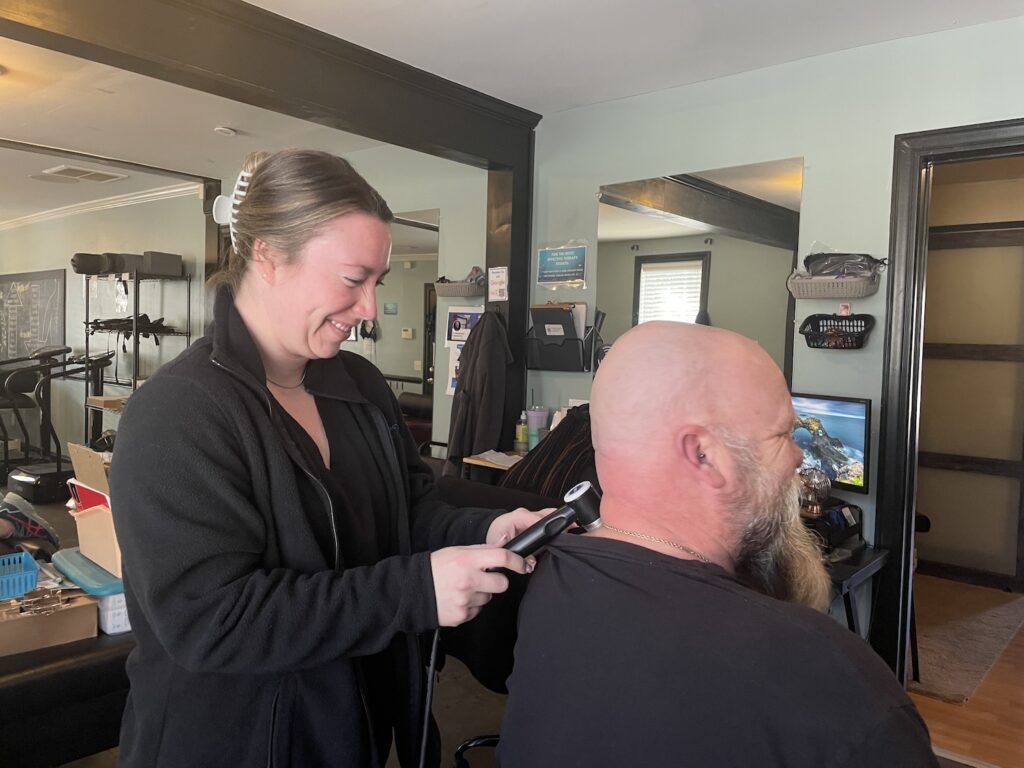
As a local chiropractor, I often see patients who are struggling with neck pain, and I understand how much it can interfere with your daily activities. It's important to know that gentle techniques for relief can not only help manage your discomfort but also aid in your recovery process. By integrating simple stretches and mindful practices into your everyday routine, you can improve your flexibility and alleviate tension in your neck.
These techniques are designed to be accessible for everyone, regardless of your fitness level. You might be wondering, what specific methods can you implement to find the best relief? Learning about the subtleties of these approaches could be the key to achieving lasting comfort. As we explore these techniques together, I look forward to guiding you on your journey to better neck health and overall well-being.
Understanding Neck Injuries
As a local chiropractor, I'm here to help you understand the complexities of neck injuries and how they can impact your daily life. Neck injuries can lead to significant discomfort and can disrupt your routine, but with the right knowledge, you can take steps toward effective management and recovery.
Common neck injuries that I encounter in practice include strains, sprains, and whiplash. These injuries often arise from accidents, poor posture, or repetitive movements. When you experience a neck strain, it means that the muscles and tendons in your neck have been stretched or torn, resulting in pain and limited mobility. Conversely, a sprain affects the ligaments, which can also become overstretched or torn.
You may have heard of whiplash, which is commonly associated with rear-end car collisions. This injury occurs when your head is abruptly jerked forward and then backward, causing damage to the soft tissues of your neck. Understanding these injuries is crucial for recognizing how they may affect you.
It's important to be aware of the symptoms associated with neck injuries. You might experience pain, stiffness, or headaches, and in some cases, numbness or tingling that radiates down your arms. These symptoms can hinder your daily activities, from work to exercise, making it essential to address them promptly.
However, not all neck pain is due to injuries. Conditions such as arthritis, herniated discs, and even stress can contribute to discomfort in this area. That's why it's vital to evaluate your situation comprehensively.
As a chiropractor, I can help determine whether you're dealing with an injury or another underlying issue. By working together, we can develop a natural healing plan that addresses your specific needs and helps you regain comfort and mobility.
Benefits of Gentle Techniques
As a local chiropractor, I want to share with you how gentle techniques can significantly help relieve neck pain. Many people are surprised to learn just how effective these methods can be in easing discomfort while being kind to your body. By embracing gentle approaches, we're allowing your muscles and nerves the essential time they need to heal without adding extra strain.
One remarkable benefit of gentle techniques is their capacity to reduce inflammation and enhance blood flow. Engaging in mild movements or applying gentle pressure encourages circulation, which is vital for delivering nutrients to the areas in pain. This boost in blood flow not only aids in healing but can also lead to quicker recovery times and a reduction in overall discomfort.
Additionally, these techniques are often safer for individuals who may be dealing with more serious injuries or chronic pain. You won't have to worry about pushing yourself too hard or exacerbating your condition. Instead, you can practice these gentle methods with peace of mind, knowing they're specifically designed to support your recovery journey.
What's more, gentle techniques are accessible to people of all ages and fitness levels. Whether you're an athlete or someone who prefers a more relaxed lifestyle, these methods can be tailored to suit your individual needs and capabilities.
They easily fit into your daily routine, making it simpler to prioritize your neck health and wellbeing. If you're curious about how these gentle techniques can work for you, I'm here to help guide you on your path to recovery.
Gentle Stretches for Relief
As a local chiropractor, I want to share how gentle stretches can play a significant role in alleviating neck pain and enhancing your mobility.
Many individuals may not be aware of the benefits that simple neck stretching techniques can offer. By integrating these gentle movements into your daily routine, you can promote relaxation and increase flexibility in your neck and upper body.
These stretches aren't just about easing discomfort; they also contribute to your overall well-being. When your neck is flexible and relaxed, it can lead to improved posture, reduced tension, and a greater range of motion.
I encourage you to explore these techniques as a natural way to support your body's healing process. Remember, taking care of your neck is essential for your overall health, and gentle stretches can be a great place to start.
Neck Stretching Techniques
As a local chiropractor, I often see patients who experience tension and discomfort in their necks due to daily activities and stress. It's important to understand that neck stiffness can significantly impact your overall well-being.
Fortunately, there are gentle neck stretching techniques you can incorporate into your daily routine to help alleviate this tightness and promote natural healing.
To begin, find a comfortable seated or standing position. Start by lowering your right ear towards your right shoulder. You should feel a gentle stretch along the left side of your neck. Hold this position for about 15-30 seconds, and then switch to the left side. This simple stretch can help release the tension that accumulates throughout the day.
Next, consider tilting your chin towards your chest, which will allow the back of your neck to stretch. Maintain this position for another 15-30 seconds. This stretch is particularly effective for counteracting the forward head posture that many of us develop from extended screen time and poor ergonomics.
Another beneficial technique is to gently rotate your head. Slowly turn your head to the right until you feel a mild stretch. Hold this position for 15 seconds before rotating to the left. This movement can help improve your neck's range of motion.
I also recommend the "chin tuck" stretch. This involves pulling your chin back toward your throat without tilting your head up or down. This exercise is essential for aligning your spine and relieving built-up tension in your neck area.
Incorporating these stretches into your daily routine can make a noticeable difference in your neck discomfort.
Remember to listen to your body during these exercises. If you feel any pain, it's important to stop the stretch and consult with a healthcare professional. As your chiropractor, I'm here to support you on your journey to better health and comfort.
Benefits of Gentle Movements
As a local chiropractor, I want to share with you how incorporating gentle movements into your daily routine can greatly improve your neck health and overall well-being.
Simple actions like gentle stretches and rotations can significantly relieve tension and enhance flexibility in your neck. You might be surprised to learn that dedicating just a few minutes each day to these exercises can lead to noticeable improvements in how your neck feels.
Gentle movements are crucial for promoting blood circulation, which plays a vital role in healing any injuries you may have. When blood flow increases, it brings essential nutrients to the damaged areas, helping you recover faster.
Additionally, you'll likely find that these techniques decrease stiffness, allowing you to move your neck with greater ease.
Engaging in gentle stretches also encourages you to develop a heightened awareness of your body. This mindfulness can translate into better posture habits, which is key to preventing future injuries.
You'll start to notice when you're holding tension or straining your neck, empowering you to make the necessary adjustments before discomfort arises.
By prioritizing gentle movements, you're not just addressing immediate concerns; you're investing in the long-term health of your neck.
I encourage you to take a few moments each day to incorporate these gentle techniques into your routine. You'll be amazed at the numerous benefits they can offer for your overall well-being.
Mindfulness Practices to Consider
As a local chiropractor, I often see patients struggling with neck pain, and I want to share how mindfulness practices can play a crucial role in your recovery.
Incorporating breathing exercises into your routine can significantly help you relax and alleviate tension in your neck and shoulders.
Additionally, guided imagery techniques can assist you in visualizing your healing process, promoting a positive mindset towards recovery.
Let's delve into how these simple yet effective methods can complement your chiropractic care and support your journey to wellness.
Breathing Exercises for Relaxation
As a local chiropractor, I want to share how simple breathing exercises can significantly enhance your relaxation routine and contribute to overall well-being. Integrating focused breathing into your daily life can be a powerful tool for reducing stress and alleviating tension, particularly in the neck area.
When you take a moment to practice deep breathing, you activate your body's relaxation response, allowing your muscles to unwind and your mind to become clearer.
To begin, find a comfortable position, whether sitting or lying down. Close your eyes and place one hand on your belly. Inhale slowly through your nose, allowing your diaphragm to expand fully. You should feel your hand rise as you fill your lungs with air. Hold your breath for a few seconds, then exhale gently through your mouth, making sure that your exhalation is longer than your inhalation. This technique helps to release any accumulated tension in your body.
I recommend dedicating five to ten minutes each day to this practice. You may also find it helpful to count your breaths, which can further anchor your focus and quiet your mind.
As you become more attuned to your breathing, you may notice a decrease in neck discomfort and an overall improvement in relaxation. These simple exercises not only promote relaxation but also enhance your body awareness, leading to a more tranquil state of being.
Guided Imagery Techniques
As a local chiropractor, I often emphasize the importance of relaxation techniques in conjunction with chiropractic care to support your healing process. One effective method that can enhance your overall well-being is guided imagery, which helps create vivid mental images that can promote healing and alleviate tension, especially in areas like your neck.
To begin, find a comfortable position, whether seated or lying down, and take a few deep breaths to help ground yourself. Close your eyes and envision a calming scene—this could be a peaceful beach with gentle waves or a serene forest filled with the sounds of birds.
Focus on the details of this scene: the colors, the natural sounds, and the scents around you. As you immerse yourself in this visualization, allow the sensation of relaxation to wash over you.
Now, shift your focus specifically to your neck. Imagine a warm, golden light surrounding this area, bringing comfort and relief. With each breath you take, visualize this light dissolving any tension or discomfort you might be experiencing.
Hold onto this image for several minutes, allowing it to deepen with each inhalation and exhalation.
When you feel ready, gradually bring your awareness back to the present moment. Open your eyes and take a moment to assess how you feel. Incorporating guided imagery into your routine can significantly enhance your overall health and facilitate your recovery from neck injuries.
Alternative Therapies for Healing
As a local chiropractor, I want to share some insights about alternative therapies that can effectively complement traditional treatments for neck injuries. These holistic approaches not only focus on alleviating physical pain but also support emotional and mental well-being during your recovery journey.
One of the key therapies I often recommend is acupuncture. This ancient practice involves the insertion of thin needles into specific points on the body. Many of my patients have found that acupuncture helps reduce pain and enhance mobility in their necks by stimulating the release of endorphins and improving blood circulation.
Chiropractic care is another vital component of a comprehensive recovery plan. Through spinal adjustments, I can help alleviate tension in your neck and improve your posture, which is crucial for regaining movement and minimizing discomfort. Regular chiropractic sessions can lead to significant improvements in your neck health.
Massage therapy is also an effective option worth considering. It's excellent for easing muscle tension, enhancing circulation, and promoting relaxation. Techniques such as deep tissue massage or myofascial release can be particularly beneficial for targeting tight areas in your neck, providing immediate relief.
In addition, I encourage exploring herbal remedies and supplements like turmeric, ginger, or omega-3 fatty acids. These natural anti-inflammatories can support your healing process from the inside out, working alongside your chiropractic care.
Lastly, incorporating yoga and gentle stretching into your routine can significantly enhance flexibility and strengthen the muscles in your neck. By embracing these practices, you not only aid your recovery but also contribute to long-term neck health.
Lifestyle Changes for Prevention
As a local chiropractor, I want to share some important lifestyle changes that can help prevent neck injuries and support your overall well-being. One of the most effective steps you can take is to focus on your posture.
Whether you're sitting at a desk or looking at your phone, it's crucial to be mindful of how you hold your head and shoulders. Aim to keep your ears aligned with your shoulders and avoid slouching. Investing in ergonomic furniture, like a chair designed to support good posture, can make a significant difference in your daily comfort.
Regular exercise is also key to maintaining healthy neck function. I recommend incorporating strength training and flexibility exercises into your routine. Activities like yoga and Pilates are fantastic options; they help improve flexibility and enhance your body awareness.
Be sure to include specific stretches for your neck, as these can relieve tightness and improve your range of motion.
Sleep is another important factor in neck health. Choosing the right pillow is essential for keeping your neck aligned with your spine during rest. If you sleep on your side, a thicker pillow can fill the gap between your head and the mattress, providing better support.
It's best to avoid sleeping on your stomach, as this position can place unnecessary strain on your neck.
Lastly, managing stress is vital. High stress levels can lead to muscle tension in the neck area, which may result in discomfort or injuries. I encourage you to practice relaxation techniques such as deep breathing, meditation, or gentle yoga to help alleviate this tension.
Conclusion
As a local chiropractor, I want to share with you how incorporating gentle techniques for neck injury relief can significantly enhance your recovery process. Simple stretches, mindfulness practices, and alternative therapies are vital components that not only alleviate pain but also promote your overall well-being. It's essential to understand that small lifestyle changes can play a significant role in preventing future injuries. By staying consistent with these practices, you can cultivate a healthier and more resilient neck. I encourage you to embrace these techniques, as they can lead to noticeable benefits in your daily life. Together, we can explore these methods and help you achieve optimal neck health!