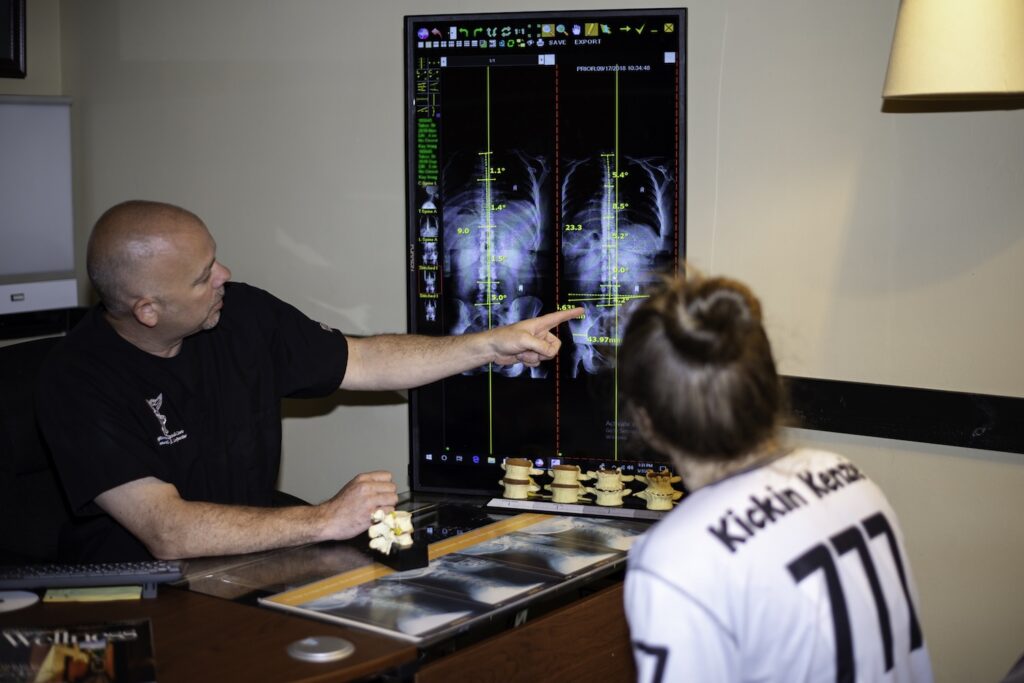
As a chiropractor dedicated to the well-being of infants and toddlers, I understand that the early years of your child's life are crucial for their emotional and physical health. You might be surprised to learn how gentle techniques can significantly shape this development. By creating a calming environment, practicing responsive feeding, and establishing gentle sleep routines, you can greatly enhance your child's overall well-being.
These approaches not only promote deeper connections between you and your child but also instill a sense of security that is vital during these formative years. So, what specific methods can you incorporate to nurture this atmosphere? From gentle spinal adjustments to promote proper alignment, to techniques that relieve tension and discomfort, I can guide you through practices that support your child's natural healing processes. The insights I share may transform your parenting experience and help your little one thrive in a healthy and loving environment.
Understanding Gentle Parenting
As a chiropractor, I want to emphasize the importance of holistic approaches to health and well-being, much like the principles of gentle parenting in nurturing children. Embracing a natural healing process means prioritizing empathy and understanding, not just for our children but also in our own self-care. This approach encourages us to connect with our bodies on an emotional and physical level, fostering a secure relationship with our health that nurtures our overall development.
Instead of resorting to quick fixes or harsh treatments, we focus on guiding our bodies through their healing experiences. This involves understanding our physical sensations and reactions. When you experience discomfort or pain, it's essential to listen actively to what your body is telling you. Validating these feelings can help build trust in your body's ability to heal, encouraging you to seek help without fear or judgment.
A crucial aspect of chiropractic care is modeling healthy habits. Just as children learn by observing, we too can benefit from surrounding ourselves with individuals who prioritize wellness, patience, and self-care. By demonstrating these qualities in our own lives, we can inspire ourselves and others to adopt a healthier lifestyle.
Consistency is also key in our health journey. This doesn't mean being rigid; rather, it involves establishing clear routines and practices that support our well-being. In chiropractic care, we focus on aligning our bodies and maintaining healthy movement patterns, which isn't about punishment but about teaching ourselves to move and function better through knowledge and understanding.
Ultimately, embracing a natural healing perspective invites you to see the world through a lens of wellness. By adopting this viewpoint, we create an environment where our bodies can thrive emotionally, socially, and physically. Through chiropractic care, we can foster a deeper connection with our health and well-being, leading to a more balanced and fulfilling life.
Creating a Soothing Environment
Creating a soothing environment for your child can significantly enhance their overall comfort and sense of calm, which is essential for their well-being.
As a chiropractor, I often emphasize the importance of a harmonious space that promotes relaxation and healing.
Begin by selecting a calming color palette in their room, as certain colors can influence mood and stress levels.
Pair this with gentle soundscapes, such as soft music or nature sounds, to help drown out any distracting noises.
These small yet impactful changes can transform their environment into a peaceful sanctuary, fostering a sense of safety that's beneficial for both their physical and emotional health.
Calming Color Palette
As a local chiropractor, I often emphasize the importance of a calming environment for your child's overall well-being, especially when it comes to their physical and emotional health. Just like the gentle adjustments we provide to promote alignment and ease in the body, creating a soothing space with a calming color palette can significantly affect your infant's or toddler's mood.
By incorporating soft, muted colors into your child's surroundings—such as pale blues, soft greens, and gentle yellows—you can foster a serene atmosphere that encourages relaxation. These colors are particularly effective at alleviating anxiety and instilling a sense of peace, which is essential for healthy growth and development.
When considering your child's space, it's vital to observe how these colors interact with natural light. Light, airy shades can expand the feeling of the room, making it more inviting, while slightly darker tones may offer a cozy, nurturing environment. It's best to avoid overly bright or bold colors, as they can be overstimulating and potentially lead to restlessness, which can affect not just emotional health but also the physical alignment we work to support in chiropractic care.
Don't overlook the significance of furniture and accessories in maintaining this calming atmosphere. Choose calming hues for items like rugs, curtains, and bedding. These elements not only enhance the aesthetic but also contribute to the overall tranquility of the space, creating an environment where your child can feel secure and relaxed.
Moreover, consistency in color choices throughout your child's environment is crucial. A cohesive color scheme can provide a sense of stability and comfort, much like the consistent care we provide in chiropractic practice.
Soft Soundscapes
The calming color palette you've chosen for your child's space is a great start in fostering a relaxed environment, but did you know that soft soundscapes can significantly enhance that soothing atmosphere? As a chiropractor, I understand the importance of creating a holistic environment that supports not only physical well-being but emotional comfort as well.
Incorporating gentle sounds can help create a serene backdrop that makes your little one feel safe and secure, which is essential for their overall health. Consider integrating soft music, nature sounds, or white noise into your child's routine. These sounds can mask abrupt noises that might otherwise disturb them and provide a comforting ambiance for naps or quiet playtime.
A sound machine or a carefully curated playlist on your device could be beneficial in this regard. Look for melodies with slow tempos and minimal lyrics, as these are less likely to overstimulate your child's developing nervous system.
Lullabies are another excellent option—they not only soothe but can also become a lovely part of your bedtime routine, reinforcing a sense of safety and comfort. However, don't overlook the beauty of silence. Sometimes, allowing the quiet to envelop the space can be just as reassuring.
Pay attention to your child's responses to various sounds, and adjust accordingly. If you notice that certain sounds contribute to a more relaxed state, make them a consistent part of their environment.
Responsive Feeding Techniques
As a chiropractor, I want to emphasize the importance of being attuned to your body's signals, much like responsive feeding techniques with children. It's essential to listen to your own cues and needs, especially when it comes to maintaining your health and well-being. Just as children show signs of hunger or fullness, your body communicates its needs through various signals. For example, if you experience discomfort or tension, it may be your body's way of indicating that it needs attention or care.
Creating a calm environment is crucial for your overall health. Minimize distractions in your daily life—this might mean turning off electronic devices or taking a moment to breathe deeply. Engaging in activities that foster relaxation can help you connect with your body and mind, promoting a sense of security and well-being. This connection not only helps you feel at ease but also encourages you to explore different methods of self-care and healing.
I encourage you to incorporate a variety of healthy habits into your routine, much like introducing different foods into a child's diet. Pay attention to how your body responds to various activities, exercises, and treatments. If you find certain movements or therapies beneficial, make those a regular part of your wellness regimen, while also being open to trying new approaches that can enhance your health.
It's also vital to model healthy behaviors—not just for yourself but for those around you. Share meals with family and friends, engage in physical activities, and demonstrate a balanced approach to health. This not only reinforces your own habits but also sets a positive example for others.
Gentle Sleep Routines
Establishing gentle sleep routines can significantly enhance your overall well-being, as well as that of your child. When you create a calm and consistent bedtime routine, you help your child understand that it's time to wind down, which is crucial for both physical and emotional health. A regular bedtime signals to your little one that sleep is approaching, aiding in a smoother transition to rest. Consistency is vital, so aim to maintain the same schedule each night.
Incorporating soothing activities into this routine can be beneficial. Activities like reading a story, singing a lullaby, or even engaging in gentle stretching can't only help your child relax but also foster a deeper connection between you. These calming rituals create a safe and comforting environment, which is essential for promoting restorative sleep.
Pay attention to your child's cues. If they appear tired, it's important not to delay starting the routine. Being responsive to their needs fosters a sense of security and understanding, which can reduce stress levels. It's best to avoid overstimulating activities close to bedtime, as they can interfere with your child's ability to settle down. Instead, maintain a calm and quiet atmosphere.
Consider utilizing soft lighting and minimizing noise to create a peaceful sleeping space. Introducing a comforting object, such as a special blanket or stuffed animal, can also provide a sense of security and comfort.
Remember, it's completely normal for infants and toddlers to wake during the night. When this occurs, respond gently and assist them in returning to sleep without inducing anxiety.
Mindful Communication Strategies
When it comes to communicating with infants and toddlers, employing mindful strategies can significantly enhance their development and well-being.
As a chiropractor, I emphasize the importance of active listening, which involves fully engaging with your child and responding to their needs.
Additionally, being attentive to their nonverbal cues—like gestures and facial expressions—helps you better understand their feelings and desires.
Using simple, clear language is also essential, as it fosters a supportive environment that promotes learning and connection.
These mindful communication techniques not only improve understanding between you and your little one but also contribute to their overall health and emotional growth, aligning with the principles of natural healing that I advocate in my practice.
Active Listening Techniques
Active listening is a crucial aspect of effective communication, not just in everyday interactions, but also in understanding your body and its needs, especially when it comes to chiropractic care. When you actively listen to your body, you create an environment where you can truly recognize and value its signals.
To practice this, start by tuning in to how your body feels—whether it's tension in your back, discomfort in your neck, or stiffness in your joints. This awareness shows that you're genuinely interested in what your body is communicating.
Utilize affirmations, both internally and externally, like "I feel" or "I notice," to encourage yourself to explore your sensations further. These small acknowledgments validate your physical experiences and help build your self-awareness.
When you notice a pain or discomfort, take a moment before reacting; this allows your body to communicate its needs without interruption. This practice not only reinforces your understanding of your body's signals but also fosters patience in your healing journey.
Mirroring your body's emotions can also be beneficial. If you feel excited after an adjustment, embrace that positivity; if you're experiencing discomfort, recognize and acknowledge those feelings.
This connection deepens your relationship with your body and fosters a sense of trust in the healing process. By practicing active listening to your body, you're not just recognizing symptoms; you're understanding its overall health, which is essential for your well-being.
Nonverbal Cues Importance
Nonverbal cues are incredibly important in the realm of health and wellness, particularly when it comes to understanding the needs of your body. Just like infants and toddlers communicate their feelings without words, our bodies send us signals that can indicate what we need for optimal health. You may notice that certain aches, tensions, or even changes in posture can convey a wealth of information about your physical state.
For example, a tightness in your shoulders may suggest stress, while a relaxed posture often indicates comfort and ease. By paying attention to these nonverbal signals from your body, you can become more attuned to your health needs and seek appropriate care, such as chiropractic adjustments, to address imbalances.
Additionally, your own body language during a chiropractic visit is essential. Sitting up straight, maintaining eye contact with your chiropractor, and expressing your concerns openly can help build a trusting relationship.
Remember, the tone of your voice and the way you communicate your discomfort also play a role in how effectively your chiropractor can assist you. Being mindful of these nonverbal elements not only enhances your experience but also strengthens the partnership between you and your chiropractor in achieving a healthier lifestyle.
Trust your instincts—those subtle signals from your body can guide you in understanding what it needs. By recognizing these cues, you empower yourself to take control of your well-being and embrace the benefits of chiropractic care and natural healing.
Simple Language Use
When talking to patients new to chiropractic care, it's important to use simple language that everyone can understand. Clear and direct phrases help people learn and feel comfortable asking questions. This way, we build a good connection and help them understand natural healing better.
Here are some tips to keep in mind:
- Use short sentences: It's easier to understand when information is simple. Instead of saying, "Chiropractic adjustments can help with pain relief and improve mobility," you can say, "Chiropractic helps with pain and movement."
- Repeat key words: Using the same terms helps people remember. If you say, "Let's work on your back," you can follow up with, "How does your back feel?" to help them connect with their own experience.
- Incorporate gestures: Use simple hand movements or point to areas on a model. For example, while talking about the spine, point to it on a chart to help them see what you mean.
Encouraging Emotional Expression
While it may seem challenging at times, encouraging emotional expression in infants and toddlers is essential for their overall well-being, much like how proper spinal alignment is crucial for physical health. Just as we create a supportive environment for our patients to heal and thrive, fostering an atmosphere where young ones can express their feelings is vital for their development.
When we acknowledge their emotions, whether they're happy, sad, or frustrated, we validate their experiences. Simple phrases like "I see you're upset" or "You're really happy!" can affirm their feelings and show them it's okay to express themselves, similar to how we reassure our patients about their healing journey.
Using facial expressions and body language to model emotional responses is akin to how we demonstrate proper posture and movements in chiropractic care. Smiling, frowning, or showing surprise helps children connect their feelings with physical expressions, just as we guide patients to understand the connection between their body and overall health.
Encourage them to use words or gestures to communicate how they feel. Even simple signs or sounds can be a great start, much like how we encourage our patients to communicate their physical sensations during treatments.
Introducing books or stories that focus on emotions can be as beneficial as educating patients about the importance of spinal health. Reading about characters experiencing different feelings can help your child understand their own emotions better, much like how understanding the body's mechanics aids in healing.
You can also create scenarios during playtime where they can act out various emotions, helping them recognize and express those feelings in a safe context, similar to how we create a comfortable space for our patients during their treatments.
Lastly, always be patient. Just as healing takes time, emotional expression is a skill that develops gradually. Your encouragement and support will empower your child to communicate their feelings effectively, laying a strong foundation for emotional intelligence as they grow, just as we strive to build a solid foundation for our patients' physical health through chiropractic care.
Play-Based Learning Approaches
Play-based learning approaches offer a dynamic way for infants and toddlers to explore their world while developing essential skills. Just like how children thrive in a play-based environment, chiropractic care fosters a holistic approach to health that encourages natural healing and well-being.
Engaging in various activities that promote movement and play can have a profound impact on your child's development, just as maintaining spinal health can enhance overall wellness. Here are a few ways to incorporate chiropractic principles into your daily routine with your little ones:
- Imaginative Movement: Encourage your child to engage in imaginative play through movement. Activities like dancing, pretending to be animals, or even yoga can help develop their physical coordination and body awareness, similar to how chiropractic adjustments enhance physical function.
- Sensory Exploration: Introduce activities that involve movement and sensory play, such as climbing, balancing, or jumping. These activities stimulate your child's senses and support their physical development, just as chiropractic care promotes healthy spinal alignment and mobility.
- Cooperative Play: Foster games that require teamwork and communication. Activities like building blocks or participating in group sports can teach your child about cooperation and the importance of working together, paralleling how chiropractic care encourages community wellness and shared health goals.
By integrating these playful activities into your child's routine and understanding the benefits of chiropractic care, you can help them thrive both physically and emotionally.
Just as play aids in their development, regular chiropractic adjustments can enhance their overall health and well-being, paving the way for a healthier future.
Establishing Consistent Boundaries
Creating a nurturing environment for your child isn't only about playful activities; it also involves establishing consistent boundaries, much like how we set expectations for our bodies in chiropractic care. Just as children thrive when they know what to expect, our bodies function best when we understand how to maintain our health and well-being. Clear boundaries in health care provide a sense of safety and security, allowing us to navigate our wellness journey effectively.
Start by identifying the health boundaries that are most important to you and your family. Whether it's limiting screen time for better posture, establishing regular exercise routines, or following safety protocols during physical activities, it's crucial to communicate these clearly. Use simple, relatable language that everyone can understand. For example, instead of saying, "Don't slouch," try "We practice good posture to keep our backs healthy." This approach offers guidance rather than just restrictions.
Consistency is key in both parenting and health. If you waver on your health practices, your body may respond with discomfort or pain, just as a child may test boundaries when they're unclear. Stick to your established health routines, but also be open to adjusting them as your family grows and changes. If a health strategy seems too strict or doesn't fit your lifestyle anymore, don't hesitate to reassess.
Model the health behaviors you want to see in your family. Just as children mimic their parents, they'll also observe and adopt the health practices you embody.
Building Strong Connections
Building strong connections with your child is essential for their emotional and social development. As a chiropractor, I understand that the foundation of a healthy life includes not only physical well-being but also nurturing relationships. These bonds provide a sense of security that allows your child to explore the world with confidence.
To foster these connections, consider integrating some simple activities that promote closeness and trust, which can also benefit their overall health.
Here are three effective ways to strengthen your relationship while supporting your child's well-being:
- Talk and Listen: Just as we discuss your health and wellness during visits, it's important to make time for conversations with your child. Encourage them to express their thoughts and feelings, and actively listen to what they say. This practice builds mutual respect and understanding, which is vital for emotional health.
- Play Together: Engaging in play that interests your child is another way to bond. Whether it's building blocks, reading a book, or playing dress-up, these shared moments create lasting memories and deepen your connection. By letting your child lead the play, you empower them and help build confidence, which positively impacts their overall development.
- Physical Affection: As a chiropractor, I can't emphasize enough the benefits of physical touch. Hugs, cuddles, and gentle touch not only strengthen emotional bonds but also promote the release of oxytocin, which is essential for emotional well-being. Make it a point to be present and affectionate with your child, showing them that they're loved and safe.
Incorporating these practices into your daily routine not only enhances your relationship with your child but also contributes to their overall physical and emotional health.
Practicing Self-Care as Parents
As a local chiropractor, I understand that parenting can often feel overwhelming, and prioritizing your well-being is essential not just for you, but for your children too. One of the simplest ways to incorporate self-care into your busy life is by dedicating a few minutes each day to your own needs.
Whether that means enjoying a quiet moment with your morning coffee or taking a brief walk, these small acts can significantly improve your energy and mental clarity.
It's also important to recognize that seeking help isn't a sign of weakness. Leaning on family, friends, or local parenting groups can relieve some of the burdens of parenting.
Don't hesitate to arrange playdates or swap babysitting duties with fellow parents—these breaks allow you to recharge without feeling guilty.
Staying connected with your support network is crucial. Even a quick text to a friend can uplift your spirits and remind you that you're not alone in this parenting journey.
Additionally, consider establishing a family routine that includes downtime. This not only strengthens family bonds but also promotes a sense of stability that benefits everyone.
Listening to your body and mind is vital in managing stress. If you're feeling overwhelmed, I encourage you to explore natural healing practices such as chiropractic care, which can help alleviate physical stressors and improve your overall well-being.
Techniques like deep breathing, yoga, and meditation can also be effective in promoting relaxation and a positive outlook.
Conclusion
As a chiropractor dedicated to the well-being of infants and toddlers, I want to share how gentle techniques can significantly enhance your child's emotional and physical health. By incorporating chiropractic care into their routine, you are fostering a secure and loving environment that promotes their overall development. Gentle adjustments, soothing techniques, and mindful interactions not only strengthen your bond with your child but also support their growth and vitality.
It's important to remember that your own self-care is a vital component of this journey. When you take care of your own health, you are better equipped to address your child's needs effectively. I encourage you to explore chiropractic care and its gentle strategies, which can help create a comforting and supportive atmosphere where your little one can thrive. Together, we can ensure your child's health and happiness flourish naturally.