
Back Pain Causes in Lexington: How Chiropractic Care Helps
If you live in Lexington and struggle with back pain, you are not alone—and you are not stuck. At Lexington Spinal Care, we help patients every day identify what’s driving their discomfort and create a plan to get them moving confidently again. In this article, I’ll explain common back pain causes in plain language, how your spine and nervous system are involved, and how chiropractic care addresses the root of the problem—not just the symptoms.
What do we cover below? You’ll learn the most frequent reasons backs hurt, what those pains often feel like, how chiropractic fits in as a first-line, non-drug approach, and when it’s smart to reach out for an evaluation here in Lexington.
Back pain causes: the short answer
Most back pain comes from irritated joints, discs, muscles, or ligaments in the spine—often triggered by poor mechanics, posture, or overuse. Chiropractic care focuses on restoring healthy alignment and movement so those tissues can calm down and heal.
Table of Contents
Understanding Back Pain: A Simple Overview
Back pain is a message from your body. Most of the time, it’s mechanical—meaning it comes from how the muscles, joints, discs, and ligaments of your spine are moving and loading. When mechanics are off, tissues can become irritated, inflamed, or tight. That irritation sends pain signals.
Back pain can be acute (sudden, often after a lift or awkward movement), subacute (lingering a few weeks), or chronic (lasting longer than three months). Each stage benefits from a thoughtful, hands-on approach that restores normal motion and reduces stress on the spine. That’s exactly what chiropractic care is designed to do.
The Most Common Back Pain Causes in Lexington
Here in Lexington, I frequently see back pain linked to daily activities, work setups, and weekend routines. While every person is unique, these are the causes we find most often:
- Muscle strain and ligament sprain: A quick lift, yardwork, or a long day moving boxes can overwork tissues. The result is soreness, stiffness, and a feeling that your back needs to “unlock.”
- Joint restriction and facet irritation: The small joints in your spine, called facets, guide motion. When they get stuck or irritated, you may feel sharp, localized pain with certain movements or when leaning backward.
- Disc irritation: Discs cushion the vertebrae. Prolonged sitting, slouching, or repetitive bending can stress the disc. This may cause deep, diffuse pain, occasional referral into the hip, or stiffness after sitting.
- Sacroiliac (SI) joint stress: The SI joints link the spine to the pelvis. They can become irritated with asymmetrical postures, long drives, or one-sided activities. Pain is often felt near the dimples at the back of the pelvis.
- Posture and ergonomics: Desk work, tablets, and long commutes are common in modern life. When the head and shoulders creep forward, the lower back compensates, increasing strain on multiple spinal segments.
- Degenerative changes: Natural age-related changes—often called osteoarthritis or disc degeneration—can reduce shock absorption. Pain levels vary widely, and many people feel better when spinal motion is well tuned.
- Overuse and sports: Golf, pickleball, running, or even enthusiastic gardening can create repetitive stress. Imbalances in core and hip control often show up as back pain after activity.
- Stress and muscle guarding: When life gets busy or stressful, muscles tend to tighten. This tension can lock joints down and limit healthy motion, feeding a cycle of pain and stiffness.
- Pregnancy-related changes: Hormonal and postural shifts can load the lower back and pelvis differently. Gentle, pregnancy-safe chiropractic care can help keep motion balanced during this time.
How These Causes Affect Your Spine and Nervous System
Your spine is both a structural column and a protective tunnel for your nervous system. When a joint is restricted or a disc is irritated, nearby muscles tighten to guard the area. That muscle guarding can compress joints further and alter how you move. Over time, your brain starts to “expect” this pattern, which is why pain can become persistent.
Chiropractic adjustments aim to restore normal joint motion. When a joint moves the way it’s meant to, nerves signal more clearly, muscles can relax, and the area gets fresh blood flow. This is why many people feel lighter, looser, and more coordinated after care.
| Common Cause | How It Affects the Spine |
|---|---|
| Poor posture and prolonged sitting | Loads the discs and tightens hip flexors; reduces joint motion in the mid and lower back. |
| Improper lifting or sudden strain | Overloads muscles/ligaments, causing protective spasm and facet joint irritation. |
| Disc irritation | Triggers deep, aching pain; worsens with flexion or long sitting; may refer into the hip or thigh. |
| SI joint dysfunction | Causes low-back or buttock pain; often worse with standing, stairs, or getting out of the car. |
| Age-related changes | May stiffen joints; discomfort improves when alignment and motion are optimized. |
Signs and Symptoms to Pay Attention To
Mechanical back pain often feels stiff in the morning, sore after sitting, or sharp with specific movements like bending or twisting. You may notice pain on one side, a “stuck” feeling, or discomfort that eases when you walk around.
Nerve-related symptoms can include tingling, numbness, or weakness in a leg or foot. Sciatica refers to pain traveling down the buttock and leg along the sciatic nerve. Not every leg symptom is serious, but these are signs that deserve a timely, professional evaluation.
Whether your pain is new or has lingered for months, the pattern of your symptoms helps us identify which joints and tissues need attention. That’s a core part of a chiropractic assessment.
How Chiropractic Care Addresses the Root Cause
Chiropractic is a frontline, non-drug approach to back pain that focuses on restoring healthy spinal alignment and movement. When motion is balanced, irritated tissues can calm down, and you can start moving without guarding.
Care commonly includes precise spinal adjustments to improve joint mechanics, reduce protective muscle spasm, and support better nerve signaling. We pair adjustments with movement guidance, posture strategies, and simple home recommendations so your results last beyond the treatment room.
Evidence supports using spinal manipulation for back pain as part of initial conservative care. Clinical guidelines, such as those from the American College of Physicians, recommend starting with non-pharmacologic options for most low back pain, which include spinal manipulation delivered by chiropractors. These approaches have been shown to help reduce pain and improve function for many patients over time. Sources: American College of Physicians guideline summary; National Center for Complementary and Integrative Health overview of spinal manipulation.
What to Expect at Lexington Spinal Care
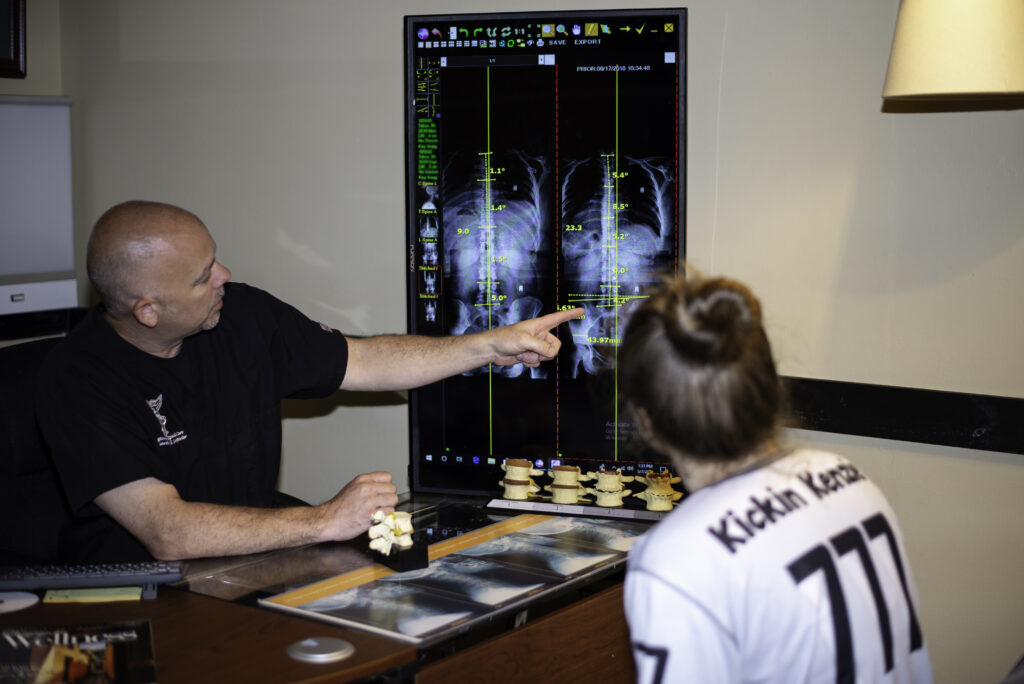
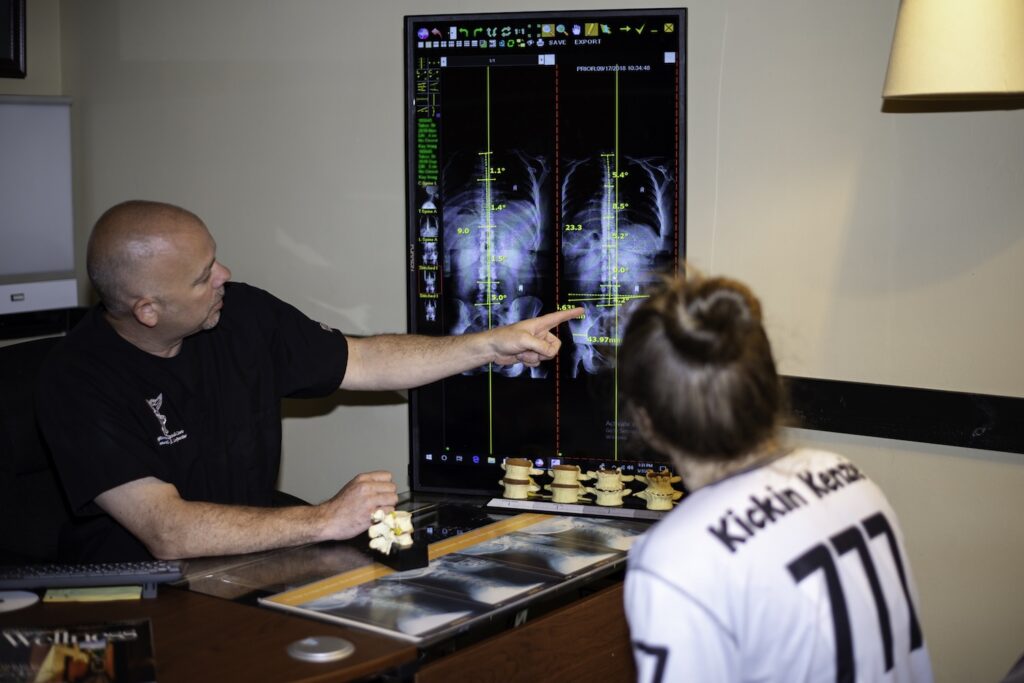
Your first visit is about clarity and comfort. We begin with a detailed conversation about your pain, your goals, and your daily activities. Then we perform an orthopedic and chiropractic exam to pinpoint which joints, muscles, and movement patterns are involved.
If needed, we may refer for imaging. We use imaging selectively—only when it will change care decisions. Most mechanical back pain can be identified safely and accurately through a thorough history and exam.
Treatment is individualized. Many patients feel relief early, but lasting change comes from restoring the way your spine moves day to day. We’ll outline a plan that fits your schedule, explain each step, and check progress along the way.
Simple Daily Habits That Help Your Back
- Set your workstation so the top of your screen is at eye level, your feet are flat, and your hips are slightly higher than your knees. Take short movement breaks every 30–45 minutes.
- Use your legs when lifting. Keep the item close, hinge at the hips, and avoid twisting while carrying. When in doubt, make two trips.
- Sleep with a supportive pillow and mattress. Side sleepers often do well with a pillow between the knees; back sleepers can try a small pillow under the knees.
These simple steps reduce daily stress on your spine. Combined with chiropractic adjustments, they can help you feel better and stay active here in Lexington’s parks, neighborhoods, and workplaces.
When to See a Chiropractor
Consider scheduling a chiropractic evaluation if your back pain has lasted more than a few days, keeps returning, limits your work or workouts, or follows a minor strain that just hasn’t improved. It’s also wise to come in if you notice stiffness every morning, pain after sitting, or discomfort when you bend or twist.
Early, conservative care often leads to faster recovery because small problems are easier to correct before they become bigger ones. If you’re unsure whether your situation is appropriate for chiropractic, give us a call—we’re happy to guide you.
When to Seek Medical Care Urgently
- New loss of bowel or bladder control, or numbness in the saddle area
- Progressive leg weakness, especially after an injury
- Back pain with fever, unexplained weight loss, or a history of cancer
- Major trauma, such as a fall from height or car crash
These red flags may indicate a medical emergency and warrant immediate attention. Chiropractic care is not emergency care; when we identify these signs, we refer promptly.
Common Myths and Straight Facts
- Myth: “Back pain always means a serious injury.”
Fact: Most back pain is mechanical and responds well to conservative, hands-on care and smart movement strategies. - Myth: “If my X-ray shows degeneration, nothing will help.”
Fact: Age-related changes are common, even in people without pain. Improving alignment and motion can still reduce pain and improve function. - Myth: “I should rest until the pain is completely gone.”
Fact: Gentle, guided movement is usually better than bed rest. Chiropractic helps restore movement safely so you can resume activity sooner. - Myth: “Adjustments only ‘crack’ the back.”
Fact: Chiropractic adjustments are precise, therapeutic movements that restore joint function. The sound some people hear is just gas shifting in the joint, not bones grinding.
A Local Note from Our Team
Back pain can put life on pause—work, yardwork, sports, or simply getting comfortable at night. Our Lexington community is active, and we want you to stay that way. At Lexington Spinal Care, we use chiropractic as a first-line, non-drug approach to find the source of your discomfort, restore healthy motion, and help you return to what you love.
If your back has been bothering you, even a little, it’s worth a conversation. We’re here to listen, examine, and guide you with a clear, step-by-step plan.
FAQs
What is the most common cause of back pain?
Mechanical issues—like joint restriction, muscle strain, or disc irritation—are the most common. These often come from posture, overuse, or a sudden strain.
Can chiropractic help a herniated or bulging disc?
Many people with disc-related pain respond to conservative chiropractic care that focuses on restoring motion and reducing stress on the irritated disc. An evaluation helps determine the best approach for your case.
How long does back pain take to improve?
Recovery time varies. Some patients feel better quickly; others need a series of visits to retrain motion and reduce recurring stress. Your response depends on the cause, duration, and your daily habits.
Do I need X-rays before starting care?
Not always. Most mechanical back pain can be assessed without imaging. We recommend imaging only when it helps guide safe, effective care.
Is chiropractic safe?
For most people, chiropractic care is considered safe when performed by a trained, licensed chiropractor. We screen for red flags and refer when another type of care is more appropriate.
Should I rest or keep moving?
Gentle movement is usually better than extended rest. We’ll show you how to move safely and support healing through daily activities.
TL;DR Summary
- Most back pain comes from mechanical causes—joints, discs, and muscles under stress.
- Chiropractic is a first-line, non-drug approach that restores healthy spinal motion and reduces irritation.
- Small daily changes to posture, lifting, and sleep can protect your back and speed recovery.
- See a chiropractor if pain lasts more than a few days, keeps returning, or limits your activities.
- Seek urgent medical care for red flags like loss of bowel/bladder control, major trauma, or progressive weakness.
References (for readers who want more context): American College of Physicians—Noninvasive Treatments for Acute/Subacute/Chronic Low Back Pain (clinical guideline summary); National Center for Complementary and Integrative Health—Spinal Manipulation for Low-Back Pain.