
Whiplash in Lexington: Symptoms, Recovery, and Chiropractic Care at Lexington Spinal Care
If you’ve recently been in a car accident or a sudden sports collision here in Lexington, there’s a good chance your neck took a quick, forceful jolt. That rapid back-and-forth motion is known as whiplash, and it can leave you with neck pain, headaches, stiffness, and trouble focusing on everyday tasks. At Lexington Spinal Care, we help people in our community recover their motion and confidence after whiplash—safely and effectively.
This article explains what whiplash is, how it affects your neck and nervous system, and why seeing a chiropractor first is a smart, proactive choice. You’ll also learn what to expect during an exam, how we personalize care, and when to seek urgent medical attention. My goal is to give you clear, calm guidance so you can make the best decision for your health.
Whiplash is a neck injury caused by a rapid acceleration–deceleration force that overstretches and irritates the soft tissues of the neck, including joints, ligaments, discs, and muscles. It most commonly happens in car accidents, but can occur in sports or falls. Pain may appear immediately or develop over the next 24–72 hours.
Table of Contents
- What Whiplash Is and How It Affects Your Neck
- Common Causes in Lexington
- Signs and Symptoms to Watch For
- The Biomechanics of Whiplash (Explained Simply)
- Why Chiropractic Care Should Be Your First Call
- What to Expect at Lexington Spinal Care
- Practical Steps You Can Take at Home
- When to See a Chiropractor—and When to Seek Medical Care
- Myths vs Facts About Whiplash and Chiropractic
- Final Thoughts: We’re Here in Lexington
What Whiplash Is and How It Affects Your Neck
Whiplash is a neck sprain–strain injury. The sudden force places stress on cervical joints, discs, muscles, and ligaments. That stress can disrupt normal joint motion and trigger inflammation, guarding, and pain.
Because your neck is a hub for nerves that supply the head, shoulders, and arms, whiplash can create symptoms beyond the neck. Headaches, jaw tension, shoulder discomfort, and even tingling in the arms can occur.
Importantly, most whiplash injuries are mechanical, meaning they relate to how your joints and soft tissues move and function. That’s exactly the realm where chiropractic care shines—restoring motion, calming irritated tissues, and helping you return to everyday activities with confidence.
Common Causes in Lexington
We see whiplash year-round in Lexington. Rear-end vehicle collisions are the most frequent cause. Even “minor” fender benders can produce enough force to injure sensitive neck structures.
Sports such as soccer, basketball, and horseback riding can also cause whiplash. A fall on the ice during winter or a quick spin-out on a wet road can do it as well. The common thread is sudden acceleration and deceleration that your neck isn’t prepared for.
Signs and Symptoms to Watch For
Symptoms may begin right away or build over the first 48–72 hours. Pain and stiffness often show up first, followed by headaches or a feeling of “heaviness” at the base of the skull. Some people notice dizziness or difficulty getting comfortable while sleeping.
Below is a simple guide to common symptoms and what they may suggest. This table is for general education—only a proper exam can determine what’s happening in your specific case.
| Symptom | What it may indicate |
|---|---|
| Neck pain and stiffness | Sprain–strain of muscles, ligaments, and facet joints |
| Headaches (base of skull) | Irritated upper cervical joints or muscle tension |
| Shoulder/upper back ache | Referral from cervical joints or muscle spasm |
| Tingling into arm or hand | Possible nerve irritation; needs careful evaluation |
| Dizziness or “foggy” feeling | Sensory mismatch from neck proprioceptors; also review for concussion if appropriate |
| Jaw tension | Protective guarding and altered head/neck posture |
| Severe worsening pain, weakness, or significant numbness | Potential red flag—requires prompt medical assessment |
The Biomechanics of Whiplash (Explained Simply)
During a whiplash event, the head and neck are thrust into a quick “S-shaped” curve. Some joints rapidly extend while others flex. Muscles try to protect you by contracting, but that protective response can overstretch certain tissues.
Facet joints—the small joints at the back of the spine—can become irritated, and the surrounding ligaments may sprain. Muscles tighten to guard the area, which can limit your range of motion and create trigger points that refer pain to the head and shoulders.
Chiropractic care aims to restore normal joint motion and reduce this protective spasm. When joints move the way they’re designed to, it helps calm nerves, reduce pain, and improve circulation for healing.
Why Chiropractic Care Should Be Your First Call
For a primarily mechanical injury like whiplash, chiropractic is a frontline solution. Chiropractors are trained to evaluate spinal motion, identify irritated joints and soft tissues, and use precise, gentle techniques to restore function.
Early, appropriate movement is important after a neck injury. A chiropractic plan emphasizes safe motion, not prolonged immobilization. This supports better long-term outcomes and reduces the risk of lingering stiffness.
Evidence suggests that spinal manipulation and manual therapies can help reduce neck pain and improve function for many patients, and they are widely used as part of conservative care plans. While every case is unique, our approach is designed to address the root mechanical issues that keep you hurting and guarded.
Most importantly, chiropractic care meets you where you are—no “one-size-fits-all.” If your injury is straightforward, care is focused and efficient. If your case is more complex, we tailor the plan while coordinating referrals when appropriate.
What to Expect at Lexington Spinal Care
When you come to Lexington Spinal Care after a collision or sports injury, we start by listening. We’ll ask what happened, what you’re feeling, and what movements make it better or worse. Then we perform a careful cervical spine exam.
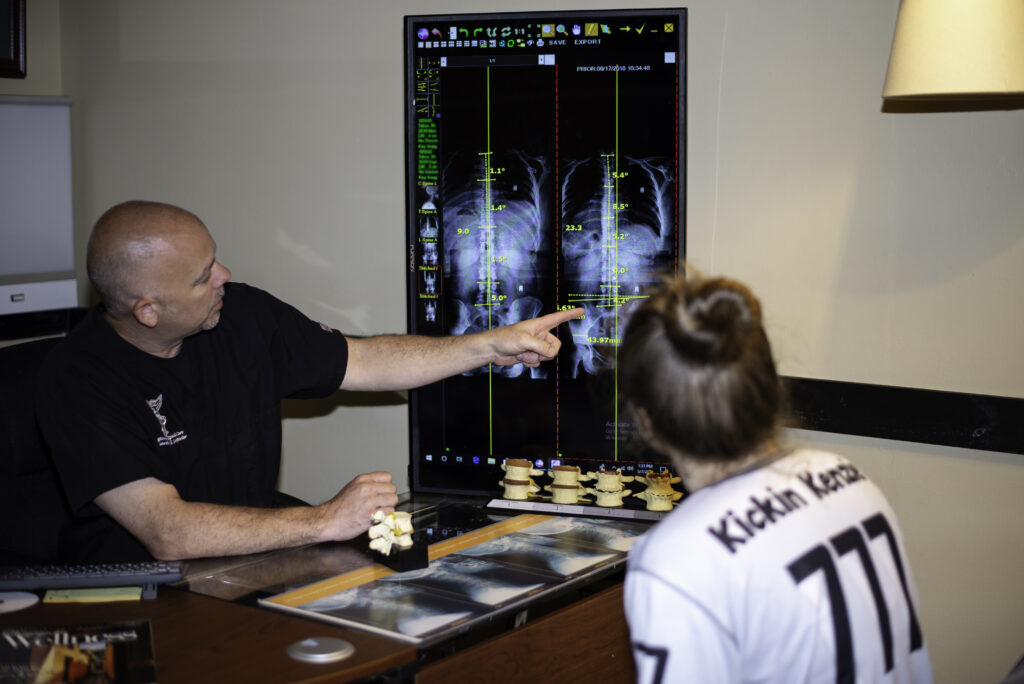
Your exam may include orthopedic and neurological checks, reflexes, strength testing, sensation evaluation, and range-of-motion assessment. We’ll also evaluate your posture, breathing patterns, and shoulder mechanics to understand the bigger picture.
If your history or exam suggests something that requires imaging or medical consultation, we’ll discuss that with you clearly. When appropriate, we coordinate with local providers. Your safety comes first.
Once we confirm chiropractic care is appropriate, we build a plan. Early visits often focus on reducing pain and restoring gentle motion. As you improve, we progress to stability and resilience so you feel ready to return to driving, work, sports, and sleep without worry.
Gentle Techniques We May Use
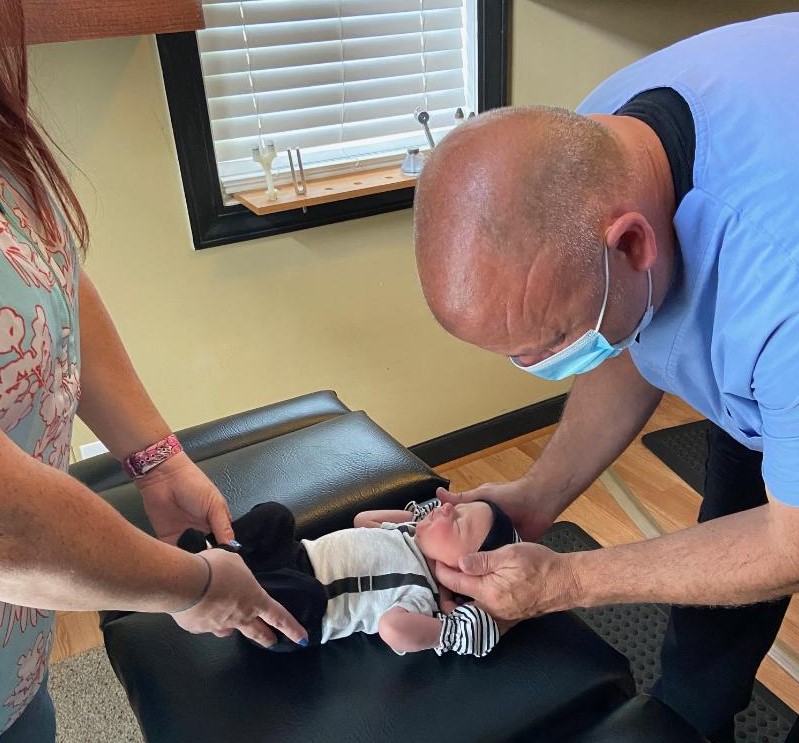
Chiropractic adjustments are precise, controlled movements that aim to restore healthy joint motion. For whiplash, we choose the gentlest approach that gets results—this may include traditional hands-on adjustments or instrument-assisted techniques.
We may also use mobilization (slow, controlled joint motion), soft-tissue therapy for tight muscles and fascia, and guided movement strategies to retrain how your neck and shoulders work together. Home strategies are integrated early so you feel progress between visits.
Our aim is simple: calm the irritation, restore motion, support healing, and help you move with confidence again.
Practical Steps You Can Take at Home
Small, consistent habits add up. These simple tips can support healing while we care for your neck:
- Use a supportive pillow that keeps your neck neutral. Avoid sleeping propped on multiple pillows.
- Apply brief, comfortable doses of cold during the first 48 hours if it eases soreness. After that, switch to gentle heat only if it feels better.
- Keep moving within your comfort. Short, frequent walks and light neck range-of-motion are usually better than complete rest.
- Adjust your workstation. Bring the screen to eye level and keep the top of your monitor at or just below eye height.
- Hydrate and eat nutrient-dense foods to support tissue recovery.
If any activity increases pain sharply or creates numbness, stop and let us know. We’ll adjust your plan.
When to See a Chiropractor—and When to Seek Medical Care
If you’ve had a collision or a sudden force to the neck, schedule a chiropractic evaluation promptly—even if your pain seems “not that bad.” Early assessment helps us rule out concerning findings, begin gentle care, and guide you on smart activity levels so minor issues don’t turn into lingering problems.
Many patients we see in Lexington tell us they tried to “wait it out,” only to find stiffness and headaches creeping in weeks later. It’s far easier to get ahead of it with a timely evaluation and a focused plan.
Red flags that warrant urgent medical attention include severe or worsening headache, loss of consciousness, significant numbness or weakness in a limb, difficulty speaking or swallowing, changes in vision, unrelenting vomiting, severe midline neck tenderness, or visible deformity after injury. If those occur, seek emergency care first. After urgent issues are addressed, chiropractic care can often support your recovery during the rehabilitation phase.
Myths vs Facts About Whiplash and Chiropractic
Myth: If you don’t hurt right away, you’re fine.
Fact: Whiplash symptoms often build over 24–72 hours. Early evaluation helps prevent small problems from becoming big ones.
Myth: You should rest until all pain goes away.
Fact: Prolonged rest can increase stiffness. Guided, comfortable movement is usually better for recovery.
Myth: “It was a low-speed crash, so I can’t be injured.”
Fact: Even low-speed collisions can create enough force to irritate neck joints and soft tissues. Your body’s response matters more than vehicle damage.
Myth: Chiropractic is too aggressive for a fresh neck injury.
Fact: Care is tailored to your tolerance. We use gentle techniques first and progress as you improve.
Final Thoughts: We’re Here in Lexington
Whiplash can be frustrating, especially when you feel fine one moment and stiff or foggy the next. You deserve a clear plan—and a team that listens. At Lexington Spinal Care, we help our neighbors recover well and return to the routines that matter.
If you’re in Lexington and suspect whiplash, don’t wait for symptoms to pile up. Reach out for an evaluation. We’ll make a thoughtful plan that respects your comfort, supports healing, and helps you move forward with confidence.
Frequently Asked Questions
What exactly happens to the neck during whiplash?
The head and neck are pulled into a rapid “S-shaped” curve. Some levels of the neck quickly extend while others flex. That sudden motion can irritate facet joints, strain ligaments, and tighten muscles.
How soon after a car accident should I see a chiropractor?
As soon as possible. Early evaluation helps us rule out concerns, start gentle care, and guide safe activity. You don’t need to wait until pain peaks.
Do I need X-rays or an MRI before chiropractic care?
Not always. Many whiplash cases can be evaluated clinically. If your history or exam suggests imaging is warranted, we’ll discuss it and coordinate as needed.
Can whiplash cause headaches or jaw pain?
Yes. Irritated upper cervical joints and protective muscle tension can refer pain to the head or jaw. Restoring normal neck motion often helps reduce those symptoms.
How long does recovery take?
It varies. Many people feel better within weeks with focused care and smart activity. More complex cases take longer. We’ll reassess regularly and adjust your plan.
Is chiropractic safe after a car crash?
For appropriate cases, chiropractic care uses gentle, tailored techniques and is considered a conservative, non-invasive option. We screen carefully and refer when needed.
TL;DR
- Whiplash is a rapid neck sprain–strain that affects joints, ligaments, and muscles, often after car crashes or sports collisions.
- Chiropractic is a frontline approach for whiplash because it restores motion, calms irritation, and supports natural healing.
- Early evaluation helps prevent lingering stiffness and headaches. Care is gentle and tailored to your comfort.
- Seek urgent medical care for red flags like severe headache, major numbness/weakness, or loss of consciousness.
- In Lexington, our team at Lexington Spinal Care is here to help you recover and get back to the activities you love.