As a local chiropractor, I understand that lower back pain can be a frustrating and debilitating issue for many individuals. You may find yourself struggling with simple tasks or feeling restricted in your daily activities due to this discomfort. The good news is that there are effective techniques within chiropractic care and natural healing that can help alleviate your pain.
By familiarizing yourself with various approaches, you can take proactive steps toward finding relief. Chiropractic care focuses on the relationship between your spine and nervous system, emphasizing the body’s innate ability to heal itself when properly aligned. This means that with the right adjustments and techniques, we can help restore balance and function to your body.
So, what methods are truly the most effective? Let’s explore some chiropractic techniques, such as spinal adjustments, therapeutic exercises, and lifestyle modifications, that can be seamlessly incorporated into your routine to enhance your overall well-being. Together, we can work towards a pain-free life and improve your quality of life.
Understanding the Causes of Lower Back Pain
As a local chiropractor, I want to help you understand the various factors that can contribute to lower back pain. One of the most common causes we see is muscle strain, which often occurs from activities like heavy lifting or making awkward movements. It’s important to be mindful of your body mechanics to prevent these strains.
Another contributing factor is poor posture. Whether you’re sitting for long hours at a desk or standing for extended periods, improper alignment can significantly affect your comfort and overall spinal health. I often advise my patients to ensure they’ve proper ergonomic support while working to alleviate stress on their backs.
You might also be experiencing pain due to a herniated disc, which happens when the cushioning between your vertebrae slips out of place. Other conditions, such as arthritis or sciatica, can lead to persistent discomfort as well.
Additionally, if you’re carrying extra weight, this can place additional stress on your spine, exacerbating any existing issues.
It’s also essential to recognize that emotional stress can take a toll on your body, often resulting in muscle tension in your back. By understanding these potential causes, you can take proactive steps towards relief and recovery.
Through chiropractic care and natural healing methods, we can work together to promote a healthier, pain-free back for you in the long run.
Stretching Exercises for Pain Relief
As a local chiropractor, I often see patients who struggle with lower back pain, which can arise from a variety of factors. One effective way to manage this discomfort is through targeted stretching exercises. These stretches can help alleviate tension in the hips, hamstrings, and lower back, promoting natural healing and flexibility.
One of the stretches I recommend is the child’s pose. To perform this stretch, kneel on the floor and sit back on your heels. Then, stretch your arms forward while lowering your torso to the ground. Hold this position for about 20-30 seconds to experience its soothing effects.
Another beneficial stretch is the knee-to-chest stretch. Simply lie on your back, pull one knee gently toward your chest, and hold it there for 15-30 seconds before switching to the other leg. This can help relieve tightness in your lower back.
Additionally, the seated forward bend is a great option. Sit with your legs extended in front of you, and reach toward your toes while keeping your back straight. Hold this stretch for a few moments to enhance flexibility in your lower back.
I encourage my patients to incorporate these stretches into their daily routine or whenever they begin to feel tightness in their backs. Remember to focus on your breathing and always listen to your body—never push yourself beyond what feels comfortable.
Regular stretching not only helps relieve pain but also promotes overall well-being by reducing tension and enhancing flexibility. Embracing these natural methods can be a crucial part of your journey to better health.
Strengthening Your Core Muscles
As a local chiropractor, I want to emphasize the importance of strengthening your core muscles for your overall health and well-being. A robust core plays a crucial role in reducing lower back pain and enhancing your stability.
When your core is strong, it provides better support for your spine, which can help prevent future injuries and discomfort.
Let’s take a closer look at some effective core exercises that I often recommend to my patients. These exercises not only build strength but can also alleviate pain and improve your daily function.
Importance of Core Strength
As your local chiropractor, I want to emphasize the vital role that core strength plays in your overall health and well-being. Many people may not realize that a strong core is essential for relieving lower back pain and maintaining stability throughout your body. When your core muscles are robust, they provide crucial support to your spine and pelvis, which helps to alleviate strain on your lower back.
Developing a strong core not only enhances your posture but also improves your balance, making it a key factor in preventing future injuries. Here are a few important reasons why focusing on core strength is essential for your health:
- Stability During Movement: A strong core stabilizes your body, which minimizes the risk of injuries whether you’re exercising or going about your daily activities.
- Improved Posture: Strengthening your core can help correct poor posture, thereby reducing unnecessary pressure on your spine and helping you feel more comfortable.
- Enhanced Athletic Performance: For those who enjoy physical activity, a well-developed core can lead to better performance, allowing you to work out more effectively and enjoy your favorite sports.
- Functional Strength: Building core strength contributes to your overall functional strength, making everyday tasks—like lifting, bending, or sitting—much easier and more efficient.
Incorporating core-strengthening exercises into your routine can significantly benefit your health and well-being.
If you have any questions about how to improve your core strength or how it relates to chiropractic care, I’m here to help guide you on your journey to better health!
Effective Core Exercises
Building a strong core is essential for maintaining a healthy spine and reducing discomfort, and it doesn’t have to be complex. As a chiropractor, I often recommend starting with foundational exercises such as planks, bridges, and bird-dogs. These movements engage multiple muscle groups, promoting stability and supporting your lower back.
For planks, position your body in a straight line from head to heels, engaging your abdominal muscles for 30 seconds. This exercise helps strengthen your core and improve posture.
When performing bridges, lie on your back, lift your hips off the ground, and squeeze your glutes while keeping your feet flat. This not only targets your core but also activates your glute muscles, which play a significant role in supporting your spine.
Bird-dogs are another excellent exercise. Begin on your hands and knees, then extend one arm forward while simultaneously extending the opposite leg back. This movement improves balance and coordination while engaging your core.
Aim for three sets of each exercise, and as your strength improves, gradually increase your hold time or the number of repetitions.
Consistency is key. By incorporating these core exercises into your routine, you’ll likely notice enhanced stability and a reduction in lower back discomfort.
Improving Your Posture
As a local chiropractor, I want to emphasize the often-overlooked importance of posture in your overall health and well-being, particularly when it comes to alleviating lower back pain. Many individuals may not realize how significantly posture impacts their comfort and health, but by being mindful of how you hold your body, you can experience substantial relief from discomfort.
Here are some practical tips to help you improve your posture throughout your day:
- When sitting, ensure that your feet are flat on the floor to provide a stable base.
- Aim to align your ears, shoulders, and hips in a straight line. This alignment helps to reduce strain on your spine.
- Consider using ergonomic chairs or cushions designed for support, as they can greatly enhance your sitting posture.
- Remember to take regular breaks to stand up and stretch; this will help alleviate tension and encourage better posture.
Incorporating good posture into your daily routine not only benefits your back but can also enhance your confidence and energy levels. When you consciously correct your posture, you engage your core muscles, which provide essential stability and support to your spine.
It’s important to remember that it’s never too late to make improvements. By making these simple adjustments, you can lead a more comfortable, pain-free life. If you’re interested in learning more about how chiropractic care can support your journey to better posture and overall health, don’t hesitate to reach out!
The Benefits of Heat and Ice Therapy
As a local chiropractor, I want to share how heat and ice therapy can play a crucial role in managing lower back pain. Many of my patients find these methods extremely beneficial in their recovery process.
Heat therapy is fantastic for relaxing tight muscles and enhancing blood flow to the affected area, which can significantly reduce discomfort.
On the other hand, ice therapy is excellent for minimizing inflammation and numbing any sharp pain you might be experiencing.
By understanding how to properly utilize both heat and ice, you can greatly improve your healing journey.
If you’re new to chiropractic care or natural healing, incorporating these therapies can complement your treatment and help you regain your comfort and mobility.
Heat Therapy Advantages
As a local chiropractor, I want to share with you the numerous benefits of heat therapy for relieving lower back pain, especially when used in conjunction with ice therapy. Many patients may not realize how effective this natural method can be for improving your overall well-being.
When you apply heat to your lower back, it increases blood flow to the affected area, which aids in healing and promotes relaxation. This technique is particularly effective for soothing stiff muscles and enhancing your flexibility, making it easier for you to move comfortably.
Here are some key advantages of incorporating heat therapy into your pain management routine:
- Reduces Muscle Tension: The warmth from heat therapy loosens tight muscles, providing you with a greater sense of comfort and relief.
- Increases Blood Circulation: By improving circulation, heat therapy delivers essential nutrients to the injured area, which supports your body’s natural recovery process.
- Promotes Relaxation: The soothing heat creates a calming effect that can alleviate stress and discomfort, contributing to your overall mental well-being.
- Relieves Pain: Heat can effectively block pain signals, offering you immediate relief from discomfort that may be hindering your daily activities.
Incorporating heat therapy into your routine can significantly enhance your healing journey.
If you have any questions about how to use heat therapy effectively or how it fits into your chiropractic care plan, please don’t hesitate to ask during your next visit. Your health and comfort are our top priorities!
Ice Therapy Benefits
As a local chiropractor, I’d like to share some valuable insights about ice therapy and its benefits, particularly for those dealing with lower back pain. Many people may not be aware, but ice therapy serves as a fantastic complement to heat therapy in managing pain and inflammation.
When you apply ice to your lower back, it works to reduce inflammation and numb any soreness, delivering quick relief from acute pain. This is because the cold therapy constricts blood vessels, which helps minimize swelling and slows down nerve signals in the affected area, providing you with much-needed comfort.
For optimal results, I recommend using ice packs or even frozen vegetables wrapped in a cloth, applying them for about 15-20 minutes at a time. It’s also beneficial to alternate ice therapy with heat treatments; this combination can greatly enhance your recovery process.
Not only does ice therapy alleviate pain, but it also promotes faster healing, enabling you to return to your daily activities with greater ease.
Always pay attention to how your body responds and adjust the application of ice as needed to ensure maximum relief. Remember, understanding these natural healing methods can empower you in your journey toward wellness.
If you have any questions or need further guidance, please don’t hesitate to reach out during your next visit!
Utilizing Over-the-Counter Pain Relievers
If you’re experiencing lower back pain, I want you to know that there are effective over-the-counter pain relievers that can offer you some quick relief.
These medications can help reduce inflammation and ease your discomfort, allowing you to return to your daily activities more comfortably. Here are some options that I recommend considering:
- Ibuprofen: This is a nonsteroidal anti-inflammatory drug (NSAID) that can help relieve pain while also reducing swelling in the affected area.
- Acetaminophen: This pain reliever can be effective for mild to moderate aches, though it doesn’t have the anti-inflammatory properties of NSAIDs.
- Naproxen: Another NSAID, naproxen is known for its longer-lasting effects, making it a good option for ongoing pain management.
- Topical analgesics: These are creams or patches that you can apply directly to your skin. They provide localized relief right where you need it.
Before you start any medication, I highly encourage you to consult with a healthcare professional.
They can assist you in determining the appropriate dosage and ensure that it’s safe for you, especially if you have any existing health conditions.
As a chiropractor, I also believe in exploring natural healing methods alongside these medications to address the root causes of your pain.
Let’s work together to find the best approach for your health and comfort!
Exploring Alternative Therapies: Acupuncture and Chiropractic Care
As a local chiropractor, I want to share some valuable insights about alternative therapies that can offer significant relief for those suffering from lower back pain. Many people may not be familiar with chiropractic care, but it’s an effective approach that focuses on aligning your spine to enhance your overall health and well-being.
Chiropractic adjustments are designed to restore proper function to your spine, which can lead to reduced pain and improved mobility. This natural healing method not only addresses your immediate discomfort but also promotes long-term wellness by allowing your body to function optimally.
In addition to chiropractic care, acupuncture is another alternative therapy worth considering. This ancient practice can complement the benefits of chiropractic adjustments by helping to reduce pain and increase your range of motion.
If you’re curious about how these treatments can help you on your journey to better health, let’s explore the possibilities together. Your path to relief and improved quality of life may be closer than you think!
Benefits of Acupuncture
As a local chiropractor, I want to share with you the benefits of acupuncture, an ancient practice that I often recommend as a complementary approach to natural healing.
Acupuncture involves the insertion of thin needles into specific points on the body, and many of my patients have found relief from lower back pain through this technique.
Here are some of the benefits you may experience:
- Pain Reduction: Acupuncture effectively targets pain pathways, helping to alleviate discomfort without the use of medication.
- Improved Blood Flow: By enhancing circulation, acupuncture can promote healing and reduce inflammation in the affected area, which is crucial for recovery.
- Stress Relief: This treatment not only addresses physical pain but also helps lower stress levels. Reduced stress can lead to decreased muscle tension, which is often a contributing factor to pain.
- Enhanced Mobility: By alleviating pain and tension, acupuncture can improve your overall range of motion and flexibility, allowing you to engage in daily activities more comfortably.
If you’re struggling with lower back pain, I encourage you to consider acupuncture as a viable option to complement your chiropractic care and support your journey towards better health and wellness.
Chiropractic Adjustments Explained
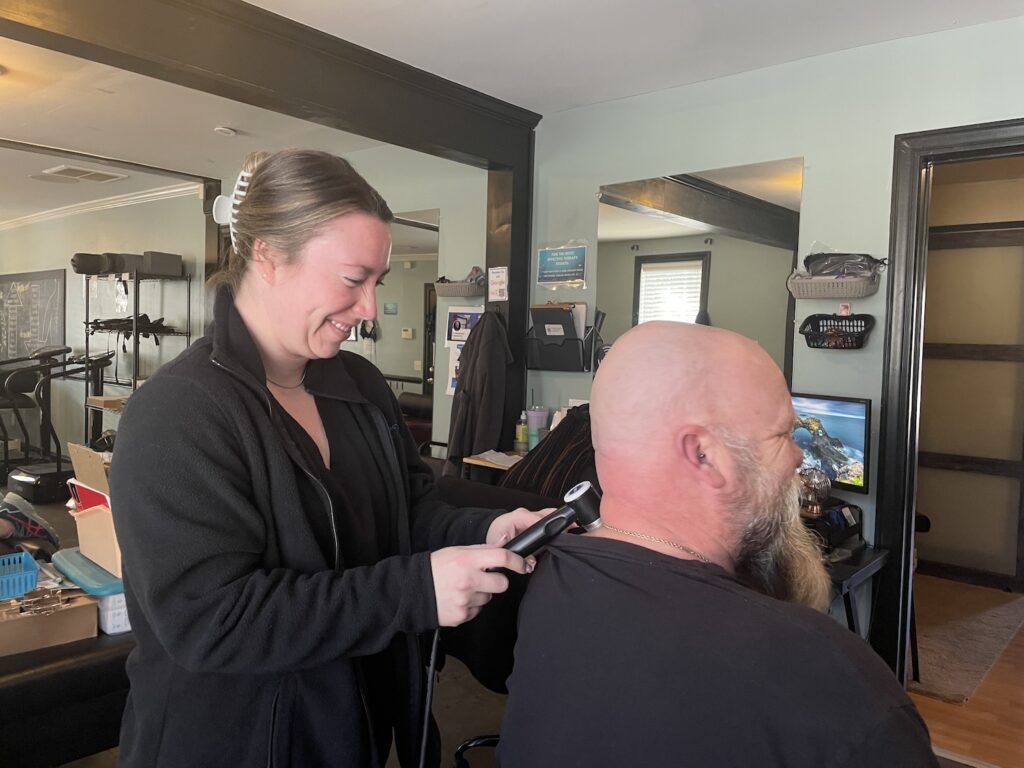
As a local chiropractor, I want to take a moment to explain how chiropractic adjustments can be a vital part of managing and alleviating lower back pain. Our primary focus is on restoring proper alignment to your spine, which is crucial for overall health.
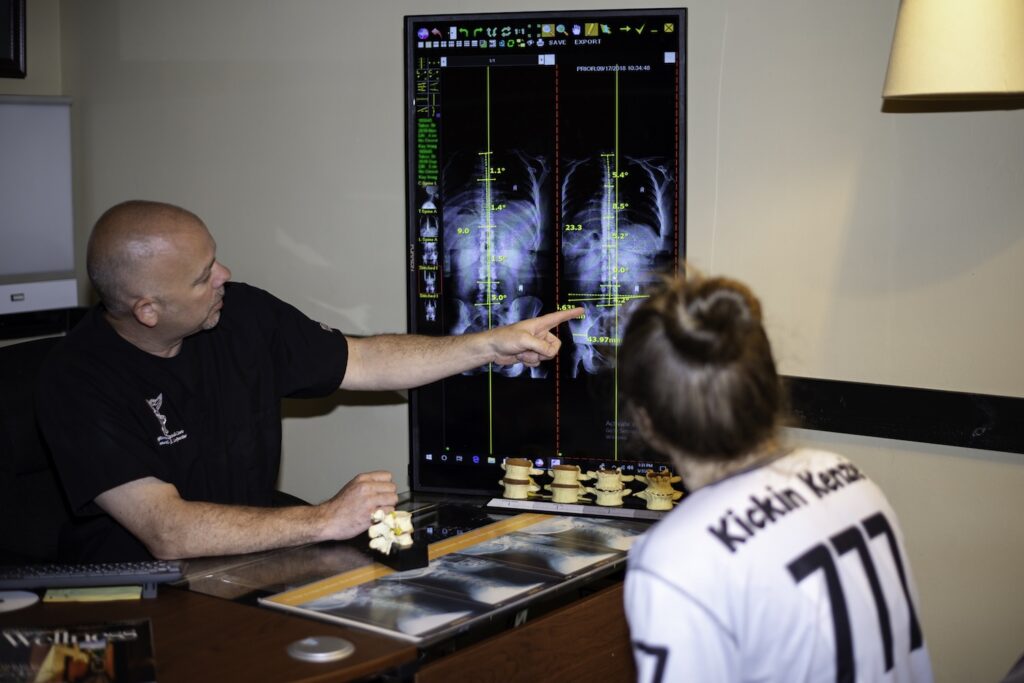
When you come in for a visit, I’ll assess your posture and spinal alignment to identify any misalignments that might be contributing to your discomfort. Through the use of precise techniques, I apply controlled force to specific joints in your spine. This helps realign your spine and can lead to significant pain relief, as well as improved mobility and overall function.
Many of my patients report feeling immediate relief after their first adjustment. Others may notice gradual improvements over time as we work together on their care.
Regular chiropractic visits not only help in alleviating pain but also play a key role in maintaining your spinal health and preventing future issues.
If you’re experiencing lower back pain or any discomfort, I encourage you to explore chiropractic care as a natural healing option. Together, we can determine if adjustments are the right solution for your needs, helping you regain your comfort and quality of life.
The Role of Physical Therapy
Managing lower back pain can often feel daunting, but chiropractic care can be a vital part of your recovery process. By focusing on the body’s natural ability to heal, we offer tools and techniques that help restore strength, enhance flexibility, and alleviate pain.
As a chiropractor, I can develop a personalized plan that addresses your specific needs, guiding you through adjustments and exercises that target the underlying issues contributing to your discomfort.
Here are some key benefits of chiropractic care:
- Education: You’ll gain a deeper understanding of your condition, learning what factors may be worsening your pain.
- Strengthening: Our targeted exercises can help build muscle strength, providing support to your spine and reducing overall strain.
- Flexibility: We incorporate stretching routines that improve your range of motion, making daily activities more manageable.
- Pain Management: We utilize various techniques, including spinal adjustments and complementary therapies, to effectively reduce pain.
Integrating chiropractic care into your recovery plan can significantly enhance your journey toward relief and better overall health.
Making Lifestyle Changes for Long-Term Relief
As a local chiropractor dedicated to your well-being, I want to share how making lasting changes to your daily habits can significantly relieve lower back pain. One of the most effective steps you can take is to incorporate regular exercise into your routine. Activities such as walking, swimming, or yoga not only enhance flexibility but also strengthen your core muscles, which are essential for supporting your spine.
It’s also vital to be mindful of your posture, especially during long periods of sitting. Consider investing in a chair that provides good lumbar support and ensure that your feet remain flat on the ground while seated. This can help alleviate unnecessary strain on your back.
Maintaining a healthy weight is another crucial factor. Carrying excess weight can place additional stress on your back, so aim for a balanced diet that includes plenty of fruits, vegetables, lean proteins, and whole grains. Staying well-hydrated is equally important, as proper hydration supports muscle function and overall health.
Lastly, don’t underestimate the importance of sleep. The quality of your mattress and your sleeping position can have a considerable impact on your back health.
When to Seek Professional Help
When should you consider seeking professional help for your lower back pain? As a local chiropractor, I want to emphasize that if your discomfort persists despite trying home remedies, it’s important to reach out to a healthcare provider. Ignoring severe symptoms can lead to more significant issues later, so it’s crucial to pay attention to what your body is telling you.
Here are some signs that indicate you should seek a professional evaluation:
- Pain lasting more than a few weeks: If your pain isn’t improving, it may be a sign of an underlying issue that requires attention.
- Numbness, tingling, or weakness: These sensations can signal nerve involvement and shouldn’t be ignored.
- Severe pain following an injury: If you’ve experienced a fall or accident, it’s essential to get examined to rule out any serious damage.
- Difficulty standing or walking: Struggling with basic movements is a clear indication that you may benefit from professional help to identify the problem.
By seeking chiropractic care early on, you can prevent further complications and get back to your daily activities more quickly.
Our approach focuses on natural healing and restoring balance to your body, which can lead to long-term relief from pain.
Conclusion
As a local chiropractor, I want to share some effective techniques that can help relieve your lower back pain and enhance your overall well-being. Incorporating regular stretching and core-strengthening exercises into your routine is essential. These practices not only alleviate discomfort but also support the structure of your spine.
Utilizing heat and ice therapy can provide significant relief as well—heat helps to relax tight muscles, while ice can reduce inflammation. It’s also crucial to be mindful of your posture throughout the day; proper alignment can prevent strain and promote healing.
If you’re open to it, consider exploring alternative therapies, such as chiropractic adjustments, which can realign your spine and alleviate pain. Remember, even small changes in your daily habits can lead to lasting relief. However, if your pain continues, I encourage you to seek professional guidance. Together, we can ensure you are on the right path to recovery and improved health.