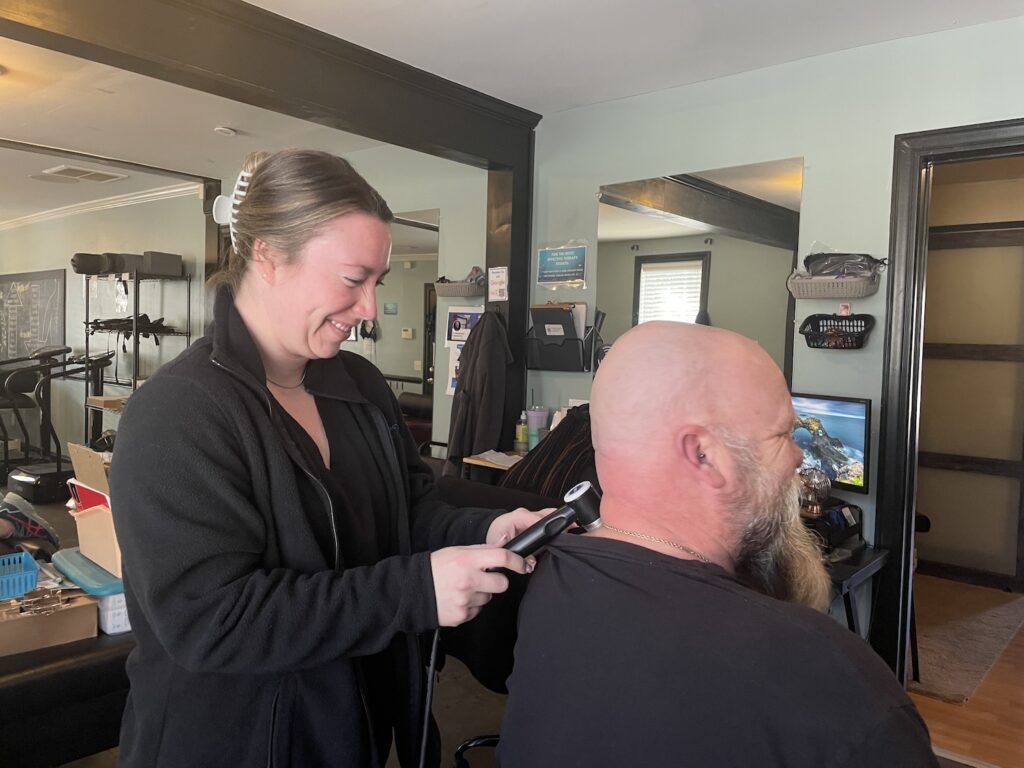
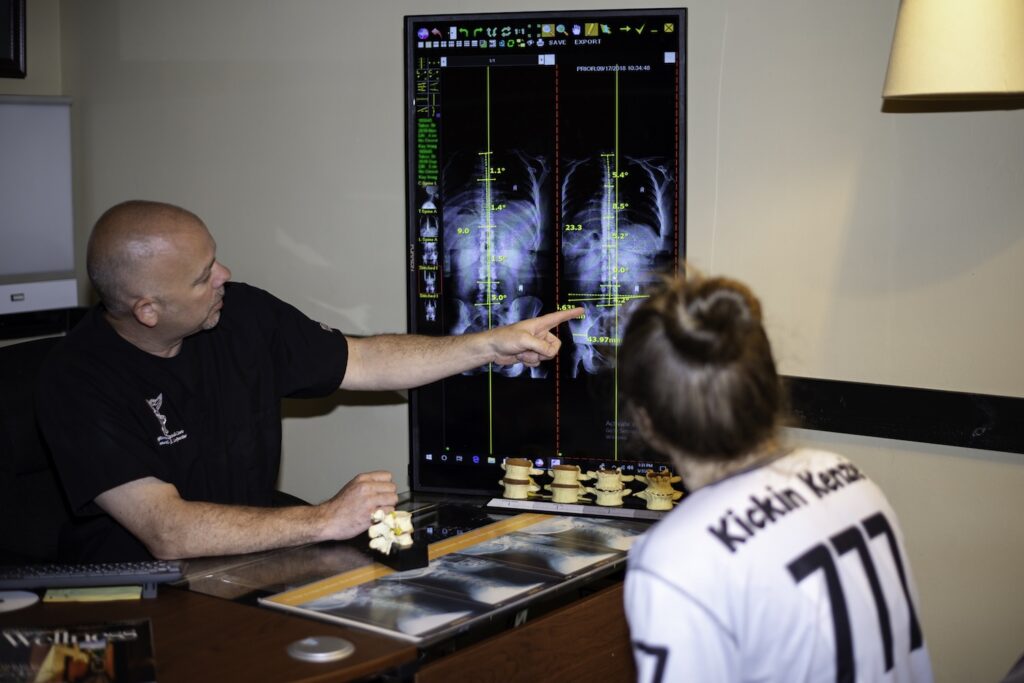
As a local chiropractor, I understand that managing chronic pain can often feel daunting. Many of you may be exploring various options for relief, and I want to share how chiropractic care can play a significant role in your healing journey. Traditional treatments, such as chiropractic adjustments, focus on improving your body's alignment and function, which can alleviate pain at its source.
In addition to chiropractic methods, incorporating innovative techniques like mindfulness and technology can enhance your overall well-being. For example, mindfulness practices can help you develop a better relationship with your pain, while technology can provide valuable insights into your progress.
The beauty of these approaches lies in their ability to work together. By creating a personalized plan that combines chiropractic adjustments with mindfulness and perhaps some tech-driven solutions, you can address your pain holistically. My goal is to help you understand how these elements come together to foster real, sustainable change in your life. Together, we can explore these options to find a path toward a more manageable and fulfilling life.
Understanding Chronic Pain
Chronic pain is more than just a symptom; it's a complex condition that can significantly affect your daily life. As a chiropractor, I want you to understand that this pain can linger long after an injury has healed or arise without any obvious cause. It may influence your ability to work, participate in social activities, and even complete everyday tasks at home. Recognizing chronic pain is essential, as it encompasses not just physical aspects, but also emotional and psychological ones.
When you're experiencing chronic pain, it's important to know that your brain and nervous system may process pain signals differently. What might start as a temporary sensation can become a persistent and distressing experience. This ongoing discomfort often leads to feelings of frustration, anxiety, or even depression. You're not just battling physical pain; you're also navigating the emotional challenges it brings to your overall well-being.
In my practice, I've seen various types of chronic pain, including neuropathic pain caused by nerve damage and nociceptive pain that originates from tissue damage. Understanding these distinctions is crucial, as they can affect how you perceive your pain and respond to treatment. It's vital to listen to your body and identify the triggers and patterns of your discomfort.
As you explore options for relief, remember that you aren't alone in this journey. Many individuals face similar challenges, and understanding chronic pain can empower you to seek effective solutions tailored to your needs. Chiropractic care focuses on natural healing and can play a pivotal role in managing this complex condition.
Knowledge and awareness are your allies in navigating chronic pain, and together, we can work towards improving your quality of life.
Conventional Treatment Options
Managing chronic pain can feel overwhelming, but as a local chiropractor, I want to share how chiropractic care and natural healing methods can play a vital role in alleviating your symptoms and enhancing your overall quality of life.
One of the foundational aspects of chiropractic care is addressing misalignments in the spine and other joints. These misalignments can lead to pain and discomfort throughout the body. Through gentle adjustments, I can help realign your spine, which can relieve pressure on nerves and promote better function. Many patients experience significant relief from chronic pain through these adjustments, often without the need for medication.
In addition to spinal adjustments, I also focus on educating my patients about the importance of posture and ergonomics. Maintaining proper posture not only helps prevent pain but can also improve your body's mechanics and overall health. I can show you exercises and stretches tailored to your needs that strengthen muscles, enhance flexibility, and ultimately reduce pain.
For those dealing with specific conditions, I may recommend complementary therapies such as massage or modalities like ultrasound or electrical stimulation. These techniques can help manage inflammation, relax tight muscles, and further support your recovery.
Lifestyle modifications are also crucial in managing chronic pain. I encourage my patients to adopt a balanced diet, engage in regular physical activity, and prioritize quality sleep. Simple changes can have a profound impact on your pain levels and overall well-being.
Finally, I believe in the power of open communication. Regular check-ins allow us to assess your progress, discuss what's working, and adjust your treatment plan as needed. By embracing chiropractic care and natural healing methods, you can take proactive steps towards improved pain management and a more fulfilling life.
Alternative Therapies
As a local chiropractor, I want to share with you the benefits of alternative therapies for managing chronic pain.
Approaches like chiropractic adjustments, acupuncture, and herbal remedies can provide significant relief. These methods not only address the pain itself but also enhance your overall well-being.
By exploring these options, you can develop a more holistic pain management strategy that aligns with your body's natural healing processes.
I encourage you to consider how chiropractic care and these complementary therapies can work together to help you feel your best.
Acupuncture and Pain Management
As a local chiropractor, I want to share with you an effective and natural approach to pain management that many of my patients have found beneficial: acupuncture.
This ancient practice involves the careful insertion of thin needles into specific points on your body, which can promote balance and facilitate healing.
Research indicates that acupuncture can stimulate the release of endorphins, which are your body's natural painkillers. This can be particularly helpful for those dealing with chronic pain conditions such as back pain, arthritis, or migraines.
Many of my patients have reported significant reductions in pain levels and enhancements in their overall well-being after just a few acupuncture sessions.
Acupuncture is generally safe and carries minimal side effects, making it a compelling option for those who prefer to avoid pharmaceuticals.
During an acupuncture session, you may experience a profound sense of relaxation as the needles work to restore your body's energy flow.
Sessions typically last between 30 to 60 minutes, and the frequency of treatments can be customized to meet your individual needs.
It's essential to work with a licensed acupuncturist who can tailor the treatment specifically to your pain management goals.
By incorporating acupuncture into your pain relief strategy, you could experience meaningful improvements that help you regain control over your life and activities.
If you're interested in exploring this natural healing method, I encourage you to discuss it during your next visit.
Herbal Remedies and Efficacy
As a chiropractor dedicated to your holistic well-being, I want to introduce you to some natural approaches to pain relief that you may find beneficial. Many individuals seek out herbal remedies due to their potential anti-inflammatory, analgesic, and muscle-relaxant properties. You might've heard of common herbs like turmeric, ginger, and willow bark, which are gaining popularity for their effectiveness in alleviating pain.
For instance, turmeric contains curcumin, a powerful compound that may help reduce inflammation and enhance joint function. Ginger, known for its warming effects, can be quite helpful in easing muscle pain and stiffness. Then there's willow bark, often called "nature's aspirin," which has a long history of use for managing pain and discomfort.
It's essential to recognize that herbal remedies may not work the same way for everyone. Individual responses can differ based on several factors such as dosage, preparation methods, and your unique body chemistry. Therefore, I strongly recommend consulting with a healthcare professional—like myself—before incorporating new herbs into your routine, especially if you're currently taking other medications or have any pre-existing health conditions.
Integrating herbal remedies into your pain management strategy could greatly enhance your overall quality of life. With the right guidance, you might discover a natural alternative that effectively supports your journey toward chronic pain relief alongside chiropractic care.
Together, we can explore the best options tailored to your needs.
Mind-Body Techniques
As a local chiropractor, I understand that living with chronic pain can often feel isolating and overwhelming. However, I want to share how incorporating mind-body techniques can empower you to take charge of your well-being and enhance your healing journey. These techniques highlight the vital connection between your mind and body, enabling you to manage your pain more effectively and improve your overall quality of life.
Let's start with mindfulness meditation. This practice encourages you to focus on the present moment, helping to alleviate the stress and anxiety that frequently accompany chronic pain. I recommend setting aside just a few minutes each day to sit quietly, breathe deeply, and observe your thoughts without judgment. Over time, as you cultivate this habit, many patients report a reduction in pain intensity and an increase in emotional resilience.
Another powerful technique I often share with my patients is guided imagery. This practice involves visualizing peaceful and calming scenes that promote relaxation. You can easily find guided imagery recordings online or even create your own mental sanctuary. By immersing yourself in these soothing images, you can effectively distract your mind from pain, allowing your body to relax and facilitate healing.
In addition to these practices, I encourage you to explore gentle movements like yoga or tai chi. These activities not only improve physical flexibility and strength but also cultivate mindfulness and deep breathing. Engaging in these practices regularly can help you develop a heightened awareness of your body and its sensations, making it easier to navigate and manage your pain.
Integrating mind-body techniques into your daily routine can significantly enhance your coping strategies and provide you with a sense of control over your chronic pain. As your chiropractor, I'm here to support you in embracing these practices, which can lead to a more empowered and balanced approach to your overall well-being.
Together, we can work towards achieving a healthier, pain-free life.
Lifestyle Modifications
As your local chiropractor, I want to share how making certain lifestyle modifications can significantly enhance your journey toward pain relief and overall wellness. Many folks may not realize that small adjustments in daily routines can lead to substantial improvements in managing chronic pain.
First and foremost, incorporating regular physical activity into your life is crucial. Gentle exercises like walking, swimming, or yoga can help build strength and improve flexibility, which can ultimately reduce the intensity of your pain. As your chiropractor, I can guide you on specific movements that align with your body's needs.
Establishing a consistent sleep schedule is another essential aspect of your healing process. Quality sleep is vital for recovery and pain management. Aim for seven to nine hours of restorative sleep each night. Creating a calming bedtime routine can help you unwind, which may include limiting screen time before bed and ensuring your sleeping environment is dark and quiet.
Stress management plays a significant role in your overall health as well. Chronic pain can often be worsened by stress, so it's important to find effective coping strategies. Techniques such as mindfulness meditation, deep breathing exercises, or engaging in hobbies that bring you joy can significantly help reduce stress levels.
Lastly, I can't emphasize enough the importance of social support. Connecting with friends, family, or support groups can offer emotional relief and practical advice, making your journey feel less isolating.
By focusing on these lifestyle modifications, you're not just addressing your pain; you're actively working toward a healthier and more fulfilling life.
Dietary Considerations
As your local chiropractor, I want to share how important your diet can be in managing chronic pain. Many patients may not realize that what you eat plays a significant role in your overall health and can greatly influence your pain levels.
By incorporating anti-inflammatory foods into your meals and ensuring you're staying well-hydrated, you can help reduce discomfort and support your body's natural healing processes.
Let's take a closer look at how these dietary choices can enhance your pain relief journey and work in harmony with the chiropractic care we provide.
Together, we can create a holistic approach to your health that addresses both your physical alignment and your nutritional needs.
Anti-Inflammatory Foods
As a local chiropractor, I want to share how important it's to incorporate anti-inflammatory foods into your diet for effective chronic pain management. Many of us experience pain that stems from inflammation in the body, and adjusting your diet can play a significant role in alleviating that discomfort.
I encourage you to start by including a variety of fruits and vegetables that are high in antioxidants, such as berries, leafy greens, and sweet potatoes. These foods not only help fight inflammation but also supply your body with essential nutrients that support your overall health.
Healthy fats are also crucial! Foods like olive oil, avocados, and fatty fish such as salmon and mackerel are rich in omega-3 fatty acids, which have been proven to help reduce inflammation. Additionally, nuts and seeds, like walnuts and flaxseeds, can be excellent additions to your meals.
Don't overlook the power of spices and herbs! Turmeric and ginger are known for their strong anti-inflammatory properties, and I recommend incorporating them into your cooking whenever possible.
Whole grains like quinoa and brown rice are also beneficial, as they can help maintain stable blood sugar levels, further aiding in your pain management journey.
Lastly, it's best to limit processed foods, sugar, and refined carbohydrates, as these can contribute to inflammation in the body. By focusing on these anti-inflammatory foods, you can build a strong dietary foundation that supports your efforts to alleviate chronic pain and enhances your overall well-being.
Hydration and Pain Relief
As your local chiropractor, I want to emphasize the vital role hydration plays in managing chronic pain. Many people overlook the importance of staying properly hydrated, but it's just as crucial as choosing the right foods for your overall well-being.
When you're dehydrated, it can lead to increased inflammation, which often intensifies your pain levels. That's why it's essential to drink enough fluids every day.
Water is key to keeping your joints lubricated and ensures that essential nutrients are transported throughout your body, both of which are important for muscle function and reducing discomfort. I recommend aiming for at least eight 8-ounce glasses of water daily.
However, remember that everyone's hydration needs are unique and can vary based on your activity level, the climate you live in, and any specific health conditions you may have.
To help boost your hydration, consider adding foods with high water content to your diet, such as cucumbers, oranges, and melons. These foods not only provide additional nutrients but also contribute to your hydration levels.
It's also important to be aware of certain beverages that can lead to dehydration, such as those containing caffeine or alcohol. While enjoying these in moderation is fine, be sure to balance them out with plenty of water.
Additionally, pay attention to your body's signals. Thirst is just one sign of dehydration; if you experience fatigue or dizziness, it may be time to increase your fluid intake.
Physical Activity and Exercise
As a chiropractor dedicated to helping patients manage chronic pain, I want to emphasize the significant role that regular physical activity and exercise can play in improving your quality of life. Engaging in movement goes beyond just strengthening your muscles; it can also uplift your mood and enhance your overall well-being. By incorporating exercise into your daily routine, you may find that your body adapts positively, leading to reduced discomfort over time.
To get started, it's essential to choose gentle activities that align with your current fitness level. Low-impact exercises such as walking, swimming, or yoga are excellent options to consider. These activities can help alleviate stiffness, enhance flexibility, and promote better circulation—all without putting excessive strain on your body.
Remember to listen to your body; if you experience pain, it's perfectly acceptable to modify the exercise or explore alternative options.
Consistency is crucial for success. Rather than overwhelming yourself with intense workouts, aim for shorter sessions several times a week. As you become more comfortable, you can gradually increase the intensity and duration of your activities. This progressive approach aids in building strength and endurance while minimizing the risk of injury.
Beyond the physical advantages, exercising stimulates the release of endorphins, which are your body's natural pain relievers. These endorphins can help elevate your mood and alleviate feelings of stress and anxiety—common challenges for those living with chronic pain.
Before starting any new exercise program, I strongly recommend consulting with a healthcare professional, such as myself. I can provide you with personalized advice tailored to your specific condition and needs.
Technological Innovations
As your local chiropractor, I want to share how technological innovations can enhance your journey toward managing chronic pain naturally. Many of you may not be familiar with the various tools available today that can significantly improve your quality of life.
For starters, wearable devices are fantastic for tracking key aspects of your daily routine, such as physical activity, sleep patterns, and stress levels. By keeping an eye on these factors, you can identify potential triggers for your discomfort and make informed adjustments to help alleviate your pain.
Smartphone apps are another valuable resource in pain management. There are numerous applications designed specifically for this purpose, offering guided meditations, relaxation techniques, and even virtual physical therapy sessions. These tools can help you create a personalized pain relief plan that seamlessly fits into your everyday life.
Telehealth services have also transformed how you can access professional guidance and support. With a simple click, you can connect with healthcare providers from the comfort of your own home. This convenience allows you to stay engaged with your pain management strategies without the added stress of traveling to appointments.
Furthermore, advancements in neuromodulation devices are making waves in pain relief. These innovative devices work by altering pain signals before they reach your brain, offering you relief without relying solely on medication.
Lastly, I want to highlight the potential of virtual reality (VR) in pain management. VR can transport you to calming environments, providing a distraction from discomfort and promoting relaxation.
Support Systems and Resources
As a local chiropractor, I want to emphasize the importance of having a strong support system while navigating the challenges of chronic pain. The journey to relief and healing can be significantly smoother when you surround yourself with individuals who understand your struggles. This support can come from family, friends, or even dedicated support groups where you can connect with others facing similar issues.
I encourage you to explore local or online support groups focused on chronic pain management. These communities are invaluable resources, offering various coping strategies, treatment options, and advice for daily living. Connecting with others can help reduce feelings of isolation and empower you to take an active role in managing your condition.
In addition to community support, don't forget about the professional resources available to you. As a chiropractor, I specialize in natural healing methods that address the underlying causes of pain. By working together, we can develop a personalized treatment plan that may include spinal adjustments, therapeutic exercises, and lifestyle modifications to enhance your overall well-being.
Moreover, consider consulting with therapists who specialize in pain management. They can provide techniques to help you cope with the emotional aspects of chronic pain, allowing you to address both the physical and mental components of your condition.
Lastly, educate yourself about your pain and treatment options. Knowledge is an empowering tool that enables you to have informed discussions with your healthcare providers, including me. Together, we can explore chiropractic care and natural healing approaches that may improve your quality of life and help you regain control over your health.
Conclusion
As a local chiropractor, I want to emphasize the importance of a holistic approach to managing chronic pain. By integrating conventional treatments with natural healing practices, we can significantly improve your quality of life. Chiropractic care focuses on aligning your spine and enhancing your body's natural ability to heal, which can effectively alleviate pain.
In addition to chiropractic adjustments, I encourage you to explore alternative therapies such as acupuncture and massage, which can complement your treatment. Mindfulness techniques, like meditation and deep-breathing exercises, are also valuable tools in managing stress and pain perception.
Maintaining a healthy lifestyle through proper nutrition and regular physical activity is essential for your overall well-being. Don't underestimate the power of movement; gentle exercises can strengthen your body and reduce discomfort.
Furthermore, technology can play a role in your pain management journey, with tools like apps for tracking your symptoms and guided exercises. Remember, you don't have to navigate this journey alone. Seeking support from healthcare professionals, including your chiropractor, and leaning on loved ones can bolster your resilience as you work towards feeling better.
Embrace these natural solutions, and together, we can help you find relief and enhance your ability to enjoy life to the fullest.