You might find yourself overwhelmed by daily stressors, but there are natural ways to relax that can greatly improve your well-being, especially when guided by professionals. Practices like mindfulness meditation and yoga offer structured paths to tranquility, while nature therapy immerses you in calming environments tailored for healing. Even professional massage therapy can address your specific tension points, promoting a deeper sense of relaxation. As you consider these options, you may wonder which methods resonate most with you and how you can incorporate them into your life for lasting benefits.
Mindfulness Meditation Techniques
Practicing mindfulness meditation can profoundly enhance your ability to relax and find inner peace. By focusing on the present moment, you'll train your mind to let go of stress and distractions that typically pull you away from tranquility.
Start by finding a quiet space where you won't be disturbed. Sit comfortably, close your eyes, and take a deep breath. As you inhale, feel your chest rise; as you exhale, allow any tension to release.
Begin your practice by simply observing your breath. Notice the rhythm without trying to change it. When thoughts arise, acknowledge them without judgment and gently redirect your focus back to your breath. This act of returning your attention is essential—it strengthens your mindfulness skills over time.
You can also incorporate body scans into your practice. As you sit or lie comfortably, slowly bring your awareness to different parts of your body, starting from your toes and moving upward. Notice any sensations, tension, or relaxation. This technique helps you connect with your physical self and promotes a deeper sense of relaxation.
Consider setting a timer for five to ten minutes initially. As you become more comfortable, gradually extend your practice. You'll find that consistency matters; even a few minutes a day can greatly impact your mental clarity and emotional well-being.
Embrace this journey of self-discovery and allow mindfulness meditation to guide you toward a more peaceful, centered life.
Benefits of Aromatherapy
Aromatherapy offers a natural and effective way to enhance your relaxation and overall well-being. By using essential oils derived from plants, you can tap into their therapeutic properties to soothe your mind and body. When you inhale these oils or apply them topically, they stimulate your sense of smell, triggering emotional responses that promote tranquility.
One of the primary benefits of aromatherapy is stress reduction. Certain scents, like lavender and chamomile, have calming effects that can help alleviate anxiety and tension. You might find that diffusing these oils in your living space creates a serene environment, making it easier for you to unwind after a long day.
Aromatherapy can also improve your sleep quality. If you struggle with insomnia or restless nights, incorporating essential oils like bergamot or sandalwood into your bedtime routine can help signal to your body that it's time to relax. A simple evening ritual of applying a few drops to your pillow or using a diffuser can enhance your chances of a restful night.
Moreover, aromatherapy can enhance your mood. Citrus scents like lemon and orange are known for their uplifting properties, helping to combat feelings of sadness or fatigue. When you feel more positive, it's easier to approach daily challenges with a fresh perspective.
Incorporating aromatherapy into your life is a simple yet powerful way to foster relaxation and improve your overall wellness. It's an accessible tool that you can use anytime, anywhere, to create a calming atmosphere.
Yoga and Guided Sessions
Yoga offers numerous benefits, from improved flexibility to reduced stress levels, making it a great choice for relaxation.
However, having guidance during your sessions can enhance your practice, helping you achieve better results.
Let's explore how incorporating yoga and guided sessions can transform your relaxation routine.
Benefits of Yoga
Bringing together body and mind, yoga offers a wealth of benefits that can transform your daily routine. By practicing yoga regularly, you'll likely notice improvements not just in your physical health but also in your mental well-being.
Here are some key benefits you might experience:
- Enhanced Flexibility: You'll find that your muscles and joints become more flexible, making everyday movements easier.
- Reduced Stress: Yoga's focus on breathing and mindfulness can help alleviate stress and anxiety, leaving you feeling more grounded.
- Improved Focus: Regular practice sharpens your concentration and mental clarity, allowing you to tackle daily tasks more effectively.
- Better Sleep Quality: As you relax your mind and body, you may notice a significant improvement in your sleep patterns.
- Increased Strength: Many yoga poses require you to support your body weight in different ways, helping to build strength over time.
Incorporating yoga into your routine can lead to a more balanced and fulfilling life.
Whether you're a beginner or advanced practitioner, the benefits of yoga are accessible to everyone, inviting you to explore its transformative power.
Importance of Guidance
Finding guidance in your yoga practice can greatly enhance the experience and benefits you gain from it. When you work with a knowledgeable instructor, you receive personalized feedback that helps you refine your technique and deepen your practice. This support not only boosts your confidence but also guarantees you're practicing safely, reducing the risk of injury.
Guided sessions can introduce you to various styles and techniques that you mightn't explore on your own. An instructor can tailor sessions to your specific needs, focusing on areas where you may feel tension or stress. This targeted approach allows you to maximize the therapeutic effects of yoga, making each session more impactful.
Moreover, having someone guide you fosters a sense of accountability. You're more likely to show up and commit to your practice when you know someone is expecting you. This consistency is key to reaping the long-term benefits of yoga.
Lastly, guided sessions often create a community atmosphere, where you can connect with others on a similar journey. This sense of belonging can further enhance your mental well-being, making your yoga practice not just a workout, but a crucial part of your self-care routine.
Nature Therapy Experiences
Nature therapy offers an invigorating way to relax and rejuvenate, tapping into the healing power of the outdoors.
You can explore various types of nature therapy, each with unique benefits, and discover how they can enhance your well-being.
Plus, finding qualified practitioners can help guide you on this enriching journey.
Benefits of Nature Therapy
Stepping into the tranquility of the outdoors can transform your mood and overall well-being. Nature therapy offers numerous benefits that can greatly improve your mental and physical health.
When you immerse yourself in natural surroundings, you'll notice a sense of calmness washing over you, helping to reduce stress levels and anxiety.
Here are some key benefits of nature therapy:
- Enhanced mood: Spending time in nature can boost your serotonin levels, making you feel happier.
- Improved focus: Nature helps to clear your mind, allowing for better concentration and creativity.
- Better sleep: Exposure to natural light during the day helps regulate your sleep-wake cycle, leading to more restful nights.
- Increased energy: Being outdoors can invigorate you, warding off fatigue and lethargy.
- Strengthened connections: Nature therapy encourages social interaction, whether through group activities or shared experiences.
Incorporating nature into your routine, even for short periods, can lead to lasting positive changes.
Types of Nature Therapy
Experiencing the benefits of nature therapy can take many forms, each offering unique ways to connect with the outdoors. One popular type is ecotherapy, where you immerse yourself in nature while engaging in therapeutic activities like guided hikes or mindfulness exercises. This approach allows you to deepen your bond with the natural world while fostering emotional healing.
Another form is forest bathing, or Shinrin-yoku, which involves soaking in the atmosphere of the forest. You can wander slowly, breathe deeply, and observe the sights and sounds around you, helping to reduce stress and improve your mood.
Nature-based art therapy combines creativity with the environment. You might explore your artistic side through painting, sculpting, or photography, using nature as your inspiration. This method encourages self-expression while enhancing your appreciation for the beauty around you.
Lastly, gardening therapy lets you cultivate plants and flowers, providing not only a sense of accomplishment but also connection to the earth. Spending time nurturing a garden can create a peaceful escape from daily stressors.
Each of these types of nature therapy offers valuable experiences to help you relax and rejuvenate.
Finding Qualified Practitioners
When searching for qualified practitioners in nature therapy, you'll want to evaluate their credentials and experience. This guarantees you're working with someone who genuinely understands the therapeutic benefits of nature and can guide you effectively.
Here are some key points to regard as you search:
- Professional Credentials: Look for certifications in nature therapy or related fields such as psychology or counseling.
- Experience: Check how long they've been practicing and their expertise in specific nature therapy techniques.
- Client Reviews: Read testimonials or reviews from previous clients to gauge their satisfaction and outcomes.
- Approach: Understand their philosophy toward nature therapy; some may focus on mindfulness, while others might emphasize physical activities.
- Personal Connection: Trust your instincts; a good rapport with your practitioner can greatly enhance your therapy experience.
Professional Massage Therapy
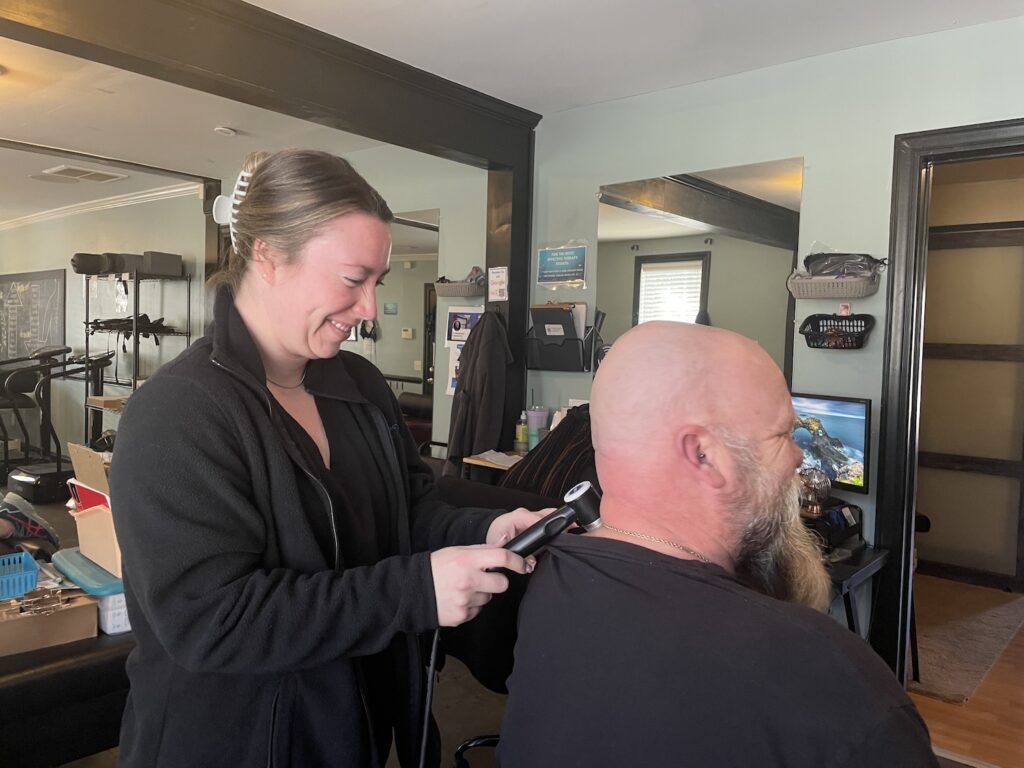
Professional massage therapy brings relief and rejuvenation, making it a popular choice for those seeking to unwind from daily stressors. When you step into a massage therapy session, you're not just treating your body; you're nurturing your mind and spirit as well. The gentle kneading and manipulation of muscles can notably reduce tension, alleviate pain, and improve circulation. You might find yourself feeling lighter and more relaxed after just one session.
As you prepare for your massage, it's important to communicate your preferences and any specific areas of discomfort. This way, your therapist can tailor the experience to meet your needs. Whether you prefer a deep tissue massage to target knots or a soothing Swedish massage to melt away stress, the choice is yours. Each technique has its benefits, and your therapist can guide you to the best option.
During the session, focus on your breathing and allow your mind to drift. This mental escape is just as vital as the physical benefits. You'll likely notice that your stress levels decrease, and your overall mood improves. Regular massage therapy can even boost your immune system and enhance your sleep quality.
Incorporating professional massage therapy into your wellness routine can be transformative. It's a natural way to relax and recharge, giving you the energy needed to tackle life's challenges.
Sound Healing Practices
Through the soothing vibrations of sound healing practices, you can tap into a profound sense of relaxation and inner peace. These practices use various sound frequencies, instruments, and vocal tones to help you release stress and enhance your overall well-being.
They're simple to incorporate into your life, whether you're seeking a moment of calm or a deeper meditative experience.
Here are some popular sound healing methods you can explore:
- Tibetan Singing Bowls: The resonating tones created by these bowls promote relaxation and facilitate emotional release.
- Crystal Bowls: Made from quartz crystal, these bowls produce pure sounds that can align your energy centers, or chakras.
- Gong Bath: Immerse yourself in the powerful vibrations of a gong, which can help clear energetic blockages and induce a deep meditative state.
- Tuning Fork Therapy: This method uses calibrated tuning forks to create vibrations that resonate with your body's energy fields, promoting balance and healing.
- Nature Sounds: Listening to the sounds of rain, waves, or birds can ground you, helping to alleviate anxiety and improve your mood.
Integrating sound healing into your routine can be as simple as attending a class, listening to recordings, or even practicing at home.
Nutrition and Relaxation
When you think about relaxation, your nutrition plays an essential role. Certain foods can help calm your mind and body, while staying hydrated can greatly enhance your sense of well-being.
Let's explore how what you eat and drink can contribute to your relaxation efforts.
Foods That Calm You
Food can be a powerful ally in your quest for relaxation. The right choices can help soothe your mind and ease your stress. Incorporating calming foods into your diet can make a noticeable difference in how you feel.
Here are some foods to contemplate adding to your meals:
- Oatmeal: Its complex carbohydrates boost serotonin, promoting relaxation.
- Blueberries: Packed with antioxidants, they help reduce stress and improve mood.
- Salmon: Rich in omega-3 fatty acids, salmon can lower anxiety levels.
- Almonds: These nuts contain magnesium, which can help regulate cortisol, the stress hormone.
- Dark chocolate: A small piece can elevate your mood and reduce stress.
Hydration's Impact on Relaxation
Staying properly hydrated plays an essential role in how relaxed you feel. When your body is well-hydrated, it can function at its best, leading to improved mood and decreased stress levels. Dehydration, on the other hand, can trigger fatigue, irritability, and anxiety, making it harder to unwind.
You mightn't realize it, but even mild dehydration can impact your cognitive performance and emotional stability. When you're feeling parched, your body releases stress hormones, which can heighten anxiety and tension.
To combat this, aim to drink water consistently throughout the day. Keep a reusable water bottle handy, and set reminders if you need a nudge to hydrate.
Incorporating hydrating foods into your diet can also help. Fruits and vegetables like watermelon, cucumbers, and oranges aren't only invigorating but also contribute to your overall fluid intake.
If you're feeling overwhelmed, take a moment to pause, sip some water, and notice how it affects your mood. By prioritizing your hydration, you'll create a more supportive environment for relaxation, helping you to unwind and find your center more easily.
Art and Creative Therapies
Art and creative therapies offer a powerful way to unwind and express emotions that words often can't capture. Whether you're painting, drawing, or engaging in other artistic forms, these therapies provide a unique outlet for your feelings and thoughts.
When you immerse yourself in creative activities, you can discover new aspects of yourself and release pent-up stress.
You might find that engaging in art and creative therapies helps you in several ways:
- Enhanced Emotional Expression: Art can communicate feelings you struggle to articulate verbally.
- Stress Relief: The act of creating can serve as a distraction from worries, reducing anxiety.
- Improved Focus: Focusing on a creative task can shift your attention away from negative thoughts.
- Increased Self-Awareness: As you create, you may gain insights into your emotions and experiences.
- Community Connection: Participating in group art sessions fosters social connections, which can enhance your sense of belonging.
Consider seeking a professional art therapist who can guide you through the process. They can help you navigate your emotions and provide a safe space for exploration.
You don't need to be a skilled artist; the goal is to express, not to impress. Letting go of perfectionism allows you to engage authentically with your creative side.
Breathing Exercises With Experts
Breathing exercises can be a game changer for your relaxation routine, especially when guided by experts. These professionals can teach you various techniques tailored to your needs, helping you find the right rhythm and pace. You'll discover how important your breath is in managing stress and enhancing emotional well-being.
When working with a trained expert, you'll learn specific methods like diaphragmatic breathing, box breathing, or the 4-7-8 technique. Each of these methods focuses on deep, intentional breaths that calm your nervous system. You might start with simple instructions, allowing you to gradually build confidence in your practice. An expert can provide real-time feedback, ensuring you're using the right posture and technique for maximum effectiveness.
In a guided session, you can explore how your breath interacts with your body and mind. As you inhale and exhale, an expert will help you tune into sensations, thoughts, and feelings that arise. This mindfulness aspect adds depth to your experience, making it easier to release tension and anxiety.
After a few sessions, you might notice not just immediate relaxation but also long-term benefits like improved focus and emotional resilience.
Don't underestimate the power of community either. Many experts conduct group sessions, allowing you to connect with others on similar journeys. Sharing the experience can enhance your motivation and commitment to maintaining a regular practice.
Holistic Counseling Approaches
Holistic counseling approaches integrate various therapeutic methods to address the mind, body, and spirit, promoting overall well-being.
When you engage in holistic counseling, you're not just tackling a single issue; you're exploring how different aspects of your life interconnect. This all-encompassing approach can lead to deeper insights and lasting change.
In your sessions, you might encounter a blend of techniques designed to help you relax and transform. Here are some common elements you can expect:
- Mindfulness Practices: You'll learn how to stay present, reducing anxiety and enhancing your emotional awareness.
- Creative Expression: Art, music, or writing can serve as therapeutic tools, allowing you to express feelings that might be hard to articulate.
- Nature Therapy: Spending time outdoors can help ground you, providing a sense of peace and connection to the world.
- Bodywork: Techniques like massage or yoga can release physical tension, fostering relaxation and releasing emotional blockages.
- Nutritional Guidance: Understanding the impact of nutrition on your mental health can empower you to make healthier choices.
Conclusion
Incorporating natural ways to relax with professional help can transform your well-being. By exploring mindfulness meditation, yoga, nature therapy, and professional massage, you'll discover effective techniques to reduce stress and enhance your emotional health. Don't forget the benefits of nutrition, creative therapies, and holistic counseling in your journey towards relaxation. Embrace these practices, and you'll find yourself feeling more balanced, rejuvenated, and connected to your inner self. Start prioritizing your relaxation today!