When you experience a sports injury, figuring out the right steps for recovery can feel overwhelming. It's crucial to understand that early diagnosis is key to avoiding long-term complications. You might find it beneficial to explore various rehabilitation techniques and the role of nutrition in healing. But what if you could not only speed up your recovery but also strengthen your body against future injuries? As you consider these options, keep in mind the importance of a holistic approach that addresses both physical and mental well-being. The next steps could change everything for you.
Understanding Sports Injuries
Sports injuries affect countless athletes every year, and understanding them is essential for effective prevention and recovery. Whether you're a weekend warrior or a competitive athlete, knowing the common types of injuries can help you stay in the game. Sprains, strains, fractures, and tendonitis are among the most prevalent injuries you might encounter. Each type has its own causes, symptoms, and treatments, so it's important to recognize them early.
A sprain typically occurs when you twist or stretch a ligament beyond its limits, while a strain affects muscles or tendons. You might feel pain, swelling, or difficulty moving the affected area, signaling that it's time to take action. Fractures, or broken bones, can happen from high-impact collisions or falls, and they often require immediate medical attention. On the other hand, tendonitis develops from repetitive motion over time, leading to inflammation and chronic pain.
Understanding the mechanics behind these injuries can help you identify risk factors. Poor conditioning, improper technique, and inadequate warm-up can all contribute to your likelihood of getting hurt. By being aware of these factors, you can take proactive steps to minimize your risk.
Additionally, focusing on strengthening your muscles and improving flexibility can play an essential role in injury prevention. Knowing what to look for and how to protect yourself is the first step towards maintaining your athletic performance and enjoying your favorite sports without interruption.
Importance of Early Diagnosis
Recognizing symptoms early is essential for your recovery from a sports injury.
It helps you prevent further complications and allows for tailored treatment plans that fit your needs.
The sooner you act, the better your chances of getting back in the game quickly and safely.
Identifying Symptoms Promptly
How can you tell if a nagging pain is something more serious? It's essential to pay attention to your body and recognize the signs of injury early on.
If you notice persistent pain that doesn't improve with rest, that's a red flag. Other symptoms like swelling, bruising, or stiffness can indicate a more significant issue. You might also experience a reduced range of motion or a feeling of instability in the affected area.
Don't ignore these symptoms, as early diagnosis can make all the difference in your recovery. If you find it difficult to perform daily activities or if the pain intensifies with movement, it's time to seek professional advice.
Delaying a visit to a healthcare provider can lead to more severe injuries and longer recovery times.
Preventing Further Complications
Ignoring early symptoms can lead to complications that considerably extend your recovery time. When you notice pain, swelling, or discomfort, don't brush it off. Early diagnosis is essential in preventing further complications.
If you wait too long, what might start as a minor strain can escalate into a serious injury, requiring more extensive treatment and rehabilitation. Recognizing and addressing symptoms promptly allows you to manage your injury before it worsens.
For example, a small tear in a muscle may become a significant issue if you continue to push through the pain. Take the time to consult a healthcare professional who can evaluate your condition accurately. They'll provide insights on the necessary steps to take, reducing the risk of exacerbating your injury.
Additionally, early intervention often means a shorter recovery period. You'll get back on the field or court sooner if you tackle issues head-on.
Tailored Treatment Plans
A tailored treatment plan is essential for effective recovery, and early diagnosis plays a key role in its development. When you recognize the signs of a sports injury early on, you set the stage for a more precise and effective treatment strategy. Delaying diagnosis can lead to complications, prolonging your recovery and potentially worsening your condition.
By seeking help promptly, you allow healthcare professionals to assess your injury accurately. This means they can design a treatment plan specifically for your needs, considering factors like your type of sport, injury severity, and personal health history.
A personalized approach means you'll address not just the symptoms but also the underlying issues that could hinder your recovery. Engaging in early intervention can help you avoid unnecessary surgeries or prolonged physical therapy. Instead, you might find relief through targeted exercises, rest, or even alternative therapies tailored to your situation.
Physical Therapy Techniques
Restoration of movement and function is essential for athletes recovering from injuries, and physical therapy techniques play a significant role in this process. You'll likely encounter a variety of methods tailored to your specific needs, focusing on enhancing mobility, strength, and overall performance.
One common technique is manual therapy, where your therapist uses hands-on techniques to manipulate soft tissues and joints, improving circulation and alleviating pain.
Another effective method is therapeutic exercise, which aims to strengthen the injured area while promoting flexibility. Your therapist will develop a personalized workout plan that challenges you without risking further injury. Modalities like ultrasound and electrical stimulation can also be utilized to reduce inflammation and promote healing.
Balance training is another important aspect of physical therapy. By improving your stability, you can regain confidence in your movements and prevent future injuries. Additionally, proprioceptive training helps your body understand where it's in space, enhancing coordination and agility.
Incorporating stretches into your routine is essential for maintaining flexibility and preventing tightness in muscles surrounding the injury. Your therapist will guide you through appropriate stretches to guarantee you're targeting the right areas.
Throughout your recovery, consistent communication with your physical therapist is crucial. They'll assess your progress and adjust techniques as needed, ensuring you're on the right track.
Rehabilitation Strategies
Effective rehabilitation strategies are essential in your journey back to peak performance after an injury. To regain strength and mobility, you need a structured approach tailored to your specific needs. Start by setting clear, achievable goals. Break your recovery into manageable milestones to keep you motivated and focused.
Next, incorporate a variety of exercises into your routine. Strength training is imperative, as it helps rebuild muscle around the injured area. Use resistance bands, weights, or bodyweight exercises to gradually increase intensity.
Don't overlook flexibility and range-of-motion exercises; they're critical for restoring mobility and preventing future injuries. Gentle stretching can improve flexibility and reduce stiffness.
Balance and proprioception exercises also play a significant role in rehabilitation. Activities like single-leg stands or balance boards can enhance your body's awareness and coordination, essential for returning to your sport safely.
Consider incorporating functional movements that mimic the activities you'll perform in your sport, helping you adapt more seamlessly.
Regularly assess your progress. If something doesn't feel right, consult your healthcare professional. They can adjust your rehab plan, ensuring you're on the right track.
Don't rush the process; patience is key. It's tempting to push through discomfort, but listening to your body is imperative for long-term success.
Lastly, maintain a positive mindset. Surround yourself with supportive teammates, friends, or family who can encourage you along the way.
With the right rehabilitation strategies, you'll not only recover but come back stronger than before.
Alternative Therapies Overview
As you work through your rehabilitation, exploring alternative therapies can complement your recovery process. These therapies offer various benefits, helping to alleviate pain, improve mobility, and enhance overall well-being.
You might find practices like acupuncture particularly useful. This ancient technique involves inserting thin needles into specific points on your body to stimulate healing and reduce discomfort.
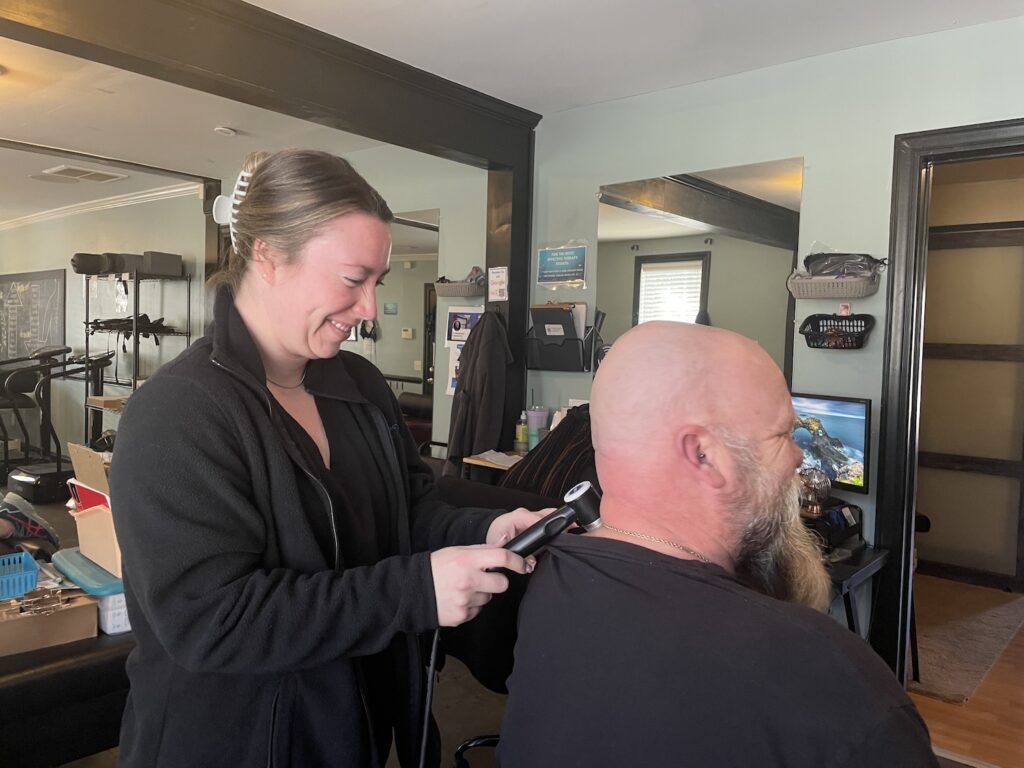
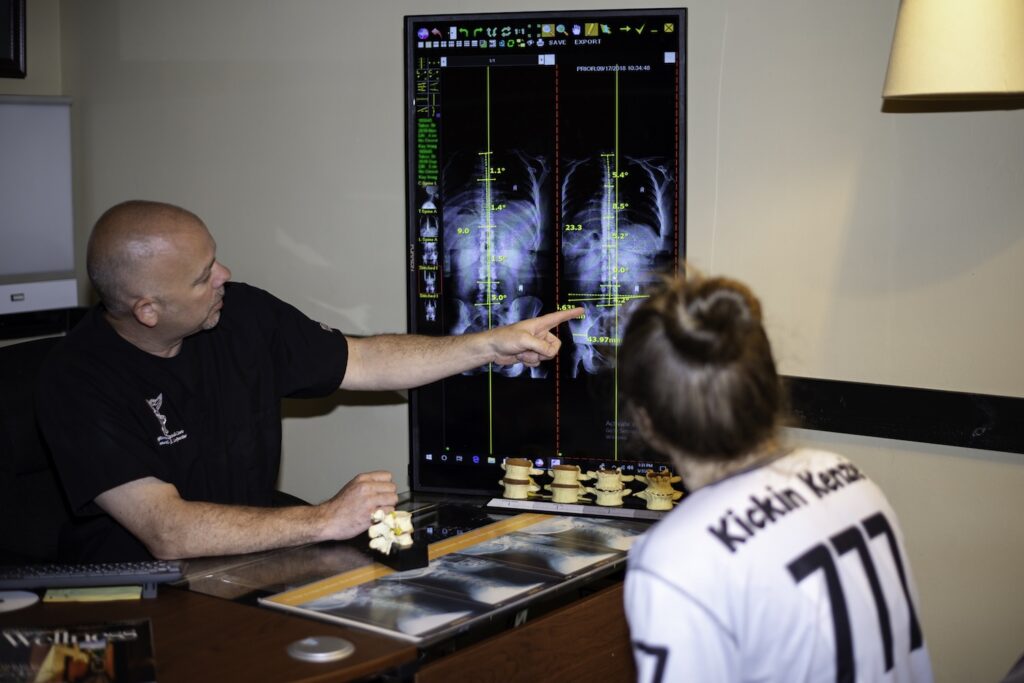
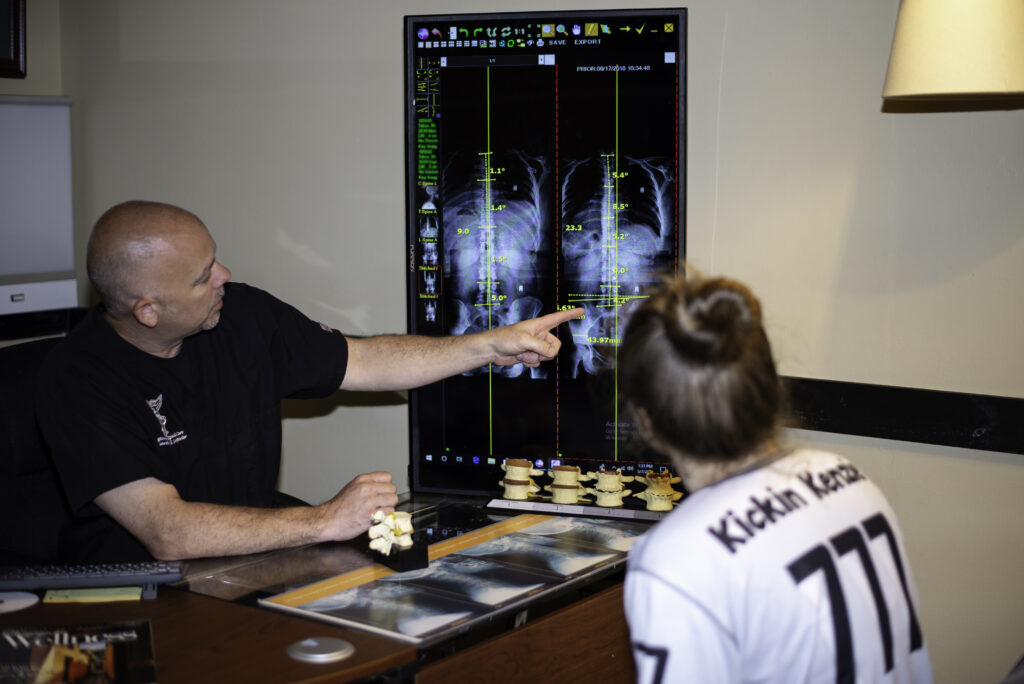
Another option is chiropractic care, which focuses on aligning the spine and musculoskeletal system. Many athletes have reported significant pain relief and improved function after just a few sessions.
If you're dealing with inflammation or muscle tension, consider massage therapy. Different techniques, such as deep tissue or sports massage, can aid in recovery by increasing blood flow and promoting relaxation.
Physical therapy is also worth considering, especially if you're looking for a structured approach to regain strength and flexibility. A qualified therapist can create a tailored program that incorporates exercises, stretches, and hands-on techniques to facilitate healing.
Additionally, incorporating mind-body practices like yoga or tai chi can enhance your recovery. These methods not only improve flexibility and strength but also help reduce stress and promote mental clarity.
Nutrition and Recovery
Proper nutrition plays an indispensable role in your recovery from sports injuries. When you're healing, your body needs the right nutrients to repair tissues, reduce inflammation, and restore strength. Focusing on a balanced diet that includes proteins, healthy fats, and carbohydrates is essential.
Proteins are your body's building blocks. Incorporate lean meats, fish, eggs, beans, and dairy into your meals. These foods provide the amino acids necessary for muscle repair and tissue regeneration. Aim for at least 1.2 to 1.5 grams of protein per kilogram of body weight, especially during recovery.
Healthy fats, such as those found in avocados, nuts, and olive oil, help reduce inflammation. Omega-3 fatty acids, in particular, are known for their anti-inflammatory properties, so consider adding fatty fish like salmon or supplements to your diet.
Carbohydrates are also important for restoring energy levels. When you're injured, your body experiences stress, which can deplete your energy reserves. Opt for whole grains, fruits, and vegetables to fuel your body and support the healing process.
Don't forget about hydration! Staying well-hydrated helps your body function effectively, aids in nutrient absorption, and flushes out toxins. Aim for at least eight cups of water a day, and more if you're active or in a warmer climate.
Preventative Measures
Recognizing the importance of preventative measures can greatly reduce your risk of sports injuries. One of the key aspects of prevention is proper warm-up and cool-down routines. Before you engage in your workout or game, take at least 10-15 minutes to stretch and gradually increase your heart rate. This prepares your muscles and joints for the activity ahead.
In addition to warming up, make sure you're using the right equipment. Whether it's shoes, pads, or any other gear specific to your sport, having the proper equipment can greatly help in preventing injuries. Regularly check for wear and tear on your gear and replace it as needed.
Strength training plays an essential role too. Incorporating a balanced strength-training program can enhance your muscle strength, flexibility, and endurance, which all contribute to injury prevention. Focus on exercises that target the muscle groups used in your sport, and don't forget about your core.
Listening to your body is crucial. If you feel pain or fatigue, don't push through it. Instead, take a break or modify your activity. Cross-training can also be beneficial, as it allows you to work different muscle groups while minimizing overuse injuries.
Lastly, stay hydrated and maintain a balanced diet. Proper nutrition fuels your body and helps in recovery, making it less susceptible to injuries.
Mental Health Considerations
Mental health plays an essential role in your overall performance and enjoyment in sports. When you're mentally fit, you're more likely to stay focused, motivated, and resilient.
However, dealing with sports injuries can take a toll on your mental well-being. You might feel frustrated, anxious, or even depressed about the setbacks in your athletic journey.
It's vital to recognize how these feelings can impact your recovery process. If you're constantly worrying about your injury or how it affects your performance, you mightn't fully engage in rehabilitation exercises. Your mindset can influence your physical healing, so maintaining a positive outlook is essential.
Surround yourself with supportive teammates, coaches, or friends who can uplift your spirits during tough times.
Practicing mindfulness and stress management techniques can also help enhance your mental resilience. Techniques like deep breathing, visualization, or meditation can keep you grounded and focused on your goals.
Set small, achievable objectives to help you regain confidence in your abilities. Celebrate your progress, no matter how minor it may seem.
When to Seek Professional Help
If you're dealing with persistent pain that won't go away, it's time to contemplate getting professional help.
Limited mobility or function can also signal a more serious issue, as can any swelling or discoloration in the affected area.
Don't ignore these signs; seeking help early can make a significant difference in your recovery.
Persistent Pain Symptoms
Persistent pain can feel like an uninvited guest that just won't leave, often signaling that it's time to seek professional help. If you find yourself dealing with ongoing discomfort after an injury, don't ignore it. Your body's signals are important, and persistent pain could indicate an underlying issue that needs attention.
When pain lingers for weeks or even months, it's important to reflect on a professional evaluation. You might notice that certain activities exacerbate the pain, or it could interfere with your daily routine. If you're using over-the-counter medications more frequently to manage the pain, that's another sign it's time to consult a healthcare professional.
Additionally, if the pain affects your sleep or leads to changes in your mood, it's vital to address it. A healthcare provider can assess your condition, provide a proper diagnosis, and recommend a tailored treatment plan.
Limited Mobility and Function
Limited mobility can greatly impact your quality of life, making everyday tasks feel intimidating.
Whether you're struggling to climb stairs, bend down, or perform your favorite sports activities, it's crucial to recognize when it's time to seek professional help. If you find that these limitations persist for more than a few days or worsen over time, don't ignore the signs.
You should also pay attention to how mobility affects your daily routines. If you're avoiding activities you once enjoyed or relying on others for help, these are red flags.
Early intervention is key to preventing further complications.
Consider reaching out to a healthcare professional if you experience difficulty performing basic movements, feel pain during simple tasks, or notice increased stiffness in your joints.
A thorough evaluation can help identify the underlying cause and guide you toward a tailored treatment plan.
Swelling and Discoloration
Swelling and discoloration around an injury can signal a serious issue that requires immediate attention. If you notice these symptoms, it's essential to evaluate the situation and know when to seek professional help.
Here are four signs that should prompt you to contact a healthcare provider:
- Severe Swelling: If the swelling is extensive and doesn't start to improve within a couple of days, it might indicate a more serious injury.
- Persistent Discoloration: Dark bruises or discoloration that spreads rapidly can be a sign of internal bleeding or damage to underlying tissues.
- Increased Pain: If the pain worsens instead of improving, it's time to get checked out. This could indicate complications that need medical intervention.
- Limited Range of Motion: If you can't move the affected area without significant discomfort, don't wait. This could suggest a fracture or severe strain.
Ignoring these symptoms could lead to further complications, so trust your instincts.
When in doubt, it's always better to err on the side of caution and seek professional care. Your health and recovery should come first.
Conclusion
Finding relief from sports injuries requires a proactive approach. By prioritizing early diagnosis and engaging in tailored physical therapy, you can speed up your recovery. Incorporate proper nutrition and explore alternative therapies to support your healing process. Don't forget the importance of mental well-being and preventative measures to reduce future risks. If you're experiencing persistent pain or swelling, don't hesitate to seek professional help. Remember, taking care of your body is essential for staying active and enjoying your sport.