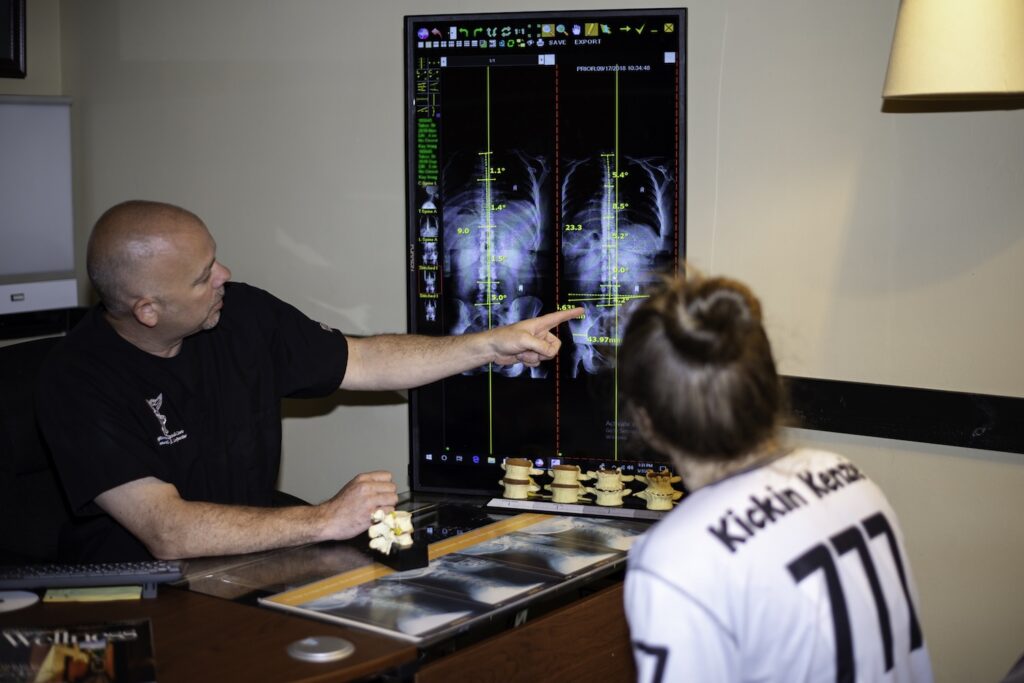
As a local chiropractor, I want to emphasize the importance of ensuring the safety and well-being of infants and toddlers during any form of treatment. When it comes to chiropractic care and natural healing, it's vital to use gentle yet effective techniques that cater to the unique needs of young children. This includes administering care in a way that is both safe and reassuring, allowing for a comforting experience.
Recognizing early signs of discomfort or illness is crucial, as it can help us tailor our approach to best support their health. Simple methods, such as gentle adjustments and soothing techniques, can significantly alleviate discomfort and promote overall wellness.
If you're wondering what specific strategies to prioritize for your child's health, I encourage you to consider chiropractic care as a safe, natural option. Together, we can explore approaches that align with your child's individual needs, ensuring their well-being in a nurturing environment.
Gentle Feeding Practices
When it comes to nurturing your child's well-being, especially during mealtime, creating a tranquil atmosphere is essential. As a chiropractor, I understand the importance of ensuring that your little one feels safe and secure, not just for physical health but for their overall emotional development as well.
Choose a calm setting for meals, away from distractions like loud noises or bright screens. This allows your child to focus on their food and enjoy the nourishing experience.
Establishing a consistent mealtime routine is also beneficial. Just like the body thrives on regular adjustments, children thrive on predictability. Regular mealtimes can help reduce anxiety around food and promote healthy habits. Use gentle, supportive language to discuss the foods they're eating, reinforcing a positive connection to nourishment.
It's vital to offer a variety of foods to expose them to different tastes and textures, much like exposing them to various forms of movement and activities for their physical development. Remember, patience is key; it may take several exposures before they accept a new food.
Pay attention to your child's signals. If they're pushing food away or turning their head, it's important to respect those cues. Forcing food can lead to negative associations with mealtime, much like forcing physical activity can lead to aversion.
Instead, offer small portions and allow them to explore their food at their own pace. You can make mealtime enjoyable by involving them in the process, such as letting them choose fruits or assisting with simple tasks, fostering a sense of autonomy.
Lastly, create a relaxed atmosphere during meals. Soft lighting and gentle music can contribute to a soothing environment, which is beneficial for both digestion and emotional well-being.
Safe Medication Administration
As a local Chiropractor, I want to emphasize the importance of precision when it comes to caring for our youngest patients—infants and toddlers.
Just like with medication, ensuring the right adjustments and techniques are applied is crucial for their health and well-being.
It's essential to assess their individual needs carefully and choose safe, gentle methods that are appropriate for their age and size.
Let's delve into how we can effectively support your little one's natural healing process, ensuring they receive the best care possible.
Proper Dosage Calculation
Understanding proper dosage calculations for medication is crucial, especially when it comes to the safety of infants and toddlers. As a chiropractor, I want to emphasize the importance of safe practices not just in chiropractic care, but in all aspects of health, including medication administration. Since young children have smaller, developing bodies, even minor miscalculations in medication dosage can lead to serious side effects.
When administering medication, always refer to the medication's label or consult your pediatrician for the recommended dosage based on your child's weight or age. As part of a holistic approach to health, it's essential to ensure that any medications given align with the principles of natural healing and well-being.
If you need to calculate the dosage, you can use a straightforward formula: (Desired Dose ÷ Available Dose) × Volume = Amount to Administer. For instance, if the desired dose is 5 mg and the available dose is 10 mg per milliliter, you'd administer 0.5 mL.
It's vital to double-check your calculations, as mistakes can easily occur. If you find yourself uncertain, please reach out to a healthcare professional for guidance.
I also recommend using precise measuring tools like oral syringes or droppers to ensure accurate dosing, rather than kitchen spoons, which can yield inconsistent results.
Finally, keep a detailed record of dosages administered and any reactions observed. This information is invaluable for follow-up visits and discussions about your child's health.
Safe Delivery Methods
Administering medication safely is crucial, especially for infants and toddlers, but as a chiropractor, I encourage exploring natural healing methods and the body's innate ability to heal itself.
When it comes to supporting the health of your little ones, choosing the right approach can make a significant difference. Instead of relying solely on medications, consider age-appropriate, natural alternatives that can aid in their wellness.
Before taking any action, ensure you have the right tools and knowledge. For example, gentle adjustments or specific techniques can help alleviate discomfort without the need for medication. It's important to avoid using adult medications unless they're carefully guided by a pediatrician, as they can have unintended effects on young bodies.
When addressing a child's discomfort, I recommend positioning them comfortably, perhaps in a semi-upright position, to foster a sense of safety and ease. If you're considering natural remedies, apply them gently and with care, following the guidance of a healthcare professional knowledgeable about pediatric care.
Always keep an eye on your child after any treatment to monitor their response and well-being.
Soothing Techniques for Discomfort
As a local chiropractor, I understand that when your child is feeling uncomfortable, it can be distressing for both of you. One effective method to alleviate their discomfort is through gentle rocking motions.
This technique not only provides a sense of security but can also help to soothe their nervous system. Additionally, applying a warm compress can be beneficial in relieving tension and promoting relaxation.
Let's explore these natural techniques further, so you can provide your child with the comfort they deserve while also considering the holistic approach of chiropractic care for their overall well-being.
Gentle Rocking Motions
As a local chiropractor, I want to share with you an effective technique that can help soothe infants and toddlers experiencing discomfort: gentle rocking motions. This method closely mimics the natural movements that occur when a child is carried, providing them with a profound sense of security and calm.
Begin by holding your child securely in your arms, ensuring that their head and neck are well-supported. This is crucial for their safety and comfort. Whether you choose to sit or stand, find a comfortable position for both you and your little one.
Start rocking back and forth gently. You may want to experiment with different speeds; some children find solace in slow, rhythmic movements, while others may respond better to a slightly quicker tempo. Pay close attention to your child's reactions; if they start to relax, you're doing it right.
While you rock, consider softly humming or singing to your child. This adds a soothing auditory dimension to the experience, enhancing its calming effects. Incorporating gentle rocking into your routine during fussy moments can significantly ease their discomfort, making it an invaluable tool in your natural healing approach.
Consistency is key here—regular practice of gentle rocking will help your child associate this motion with comfort and relief. Embrace this simple yet effective technique, and you'll witness your child settling into a peaceful state, which is vital for their overall well-being.
Warm Compress Application
As a local chiropractor dedicated to promoting natural healing and overall wellness, I want to share a simple yet effective method for soothing discomfort in infants and toddlers: applying a warm compress.
When little ones experience fussiness from teething, colic, or gas, this technique can provide them with relief and comfort. Here's how to do it safely:
- Select the Right Fabric: Opt for a soft, clean cloth or towel that's gentle on your child's sensitive skin. This is crucial for ensuring their comfort during the process.
- Heat It Up: Warm the cloth using warm water, but be sure it's not too hot. A quick test on your wrist can help you determine if the temperature is just right for your child.
- Apply with Care: Gently place the warm compress on the area where your child is experiencing discomfort. For instance, you can apply it to their tummy if they're having gas issues or on their gums if they're teething.
- Monitor Closely: Always keep a watchful eye on your child while using the compress. Be ready to remove it if they appear uncomfortable or if it starts to cool down.
This straightforward technique can be a wonderful addition to your toolkit for soothing your child.
However, if their discomfort persists or worsens, I encourage you to consult with a pediatrician or seek out chiropractic care for further guidance.
Effective Hydration Strategies
As a chiropractor dedicated to holistic health, I want to emphasize the importance of proper hydration for your little ones, especially infants and toddlers. Their developing bodies can lose fluids quickly, so ensuring they stay hydrated is vital for their overall well-being.
Start by offering water throughout the day. For infants under six months, breast milk or formula provides all the hydration they require. Once your child reaches the six-month mark, you can gradually introduce small amounts of water alongside their regular feedings.
It's also essential to be mindful of your child's activity levels and the weather. On hot days or during playtime, they may require more fluids, so don't hesitate to offer water more frequently. If your toddler is reluctant to drink plain water, try adding a splash of natural fruit juice to enhance its appeal. Just remember to dilute the juice with water to minimize sugar content.
Incorporating hydrating foods into their diet can also be beneficial. Fruits such as watermelon, oranges, and cucumbers have high water content that can aid in hydration. For toddlers, smoothies can be a delightful and nutritious way to increase both hydration and nutrient intake.
When you're out and about, keep a sippy cup or a water bottle readily available. Familiarizing your child with it helps them associate it with hydration.
Be watchful for any signs of dehydration, such as dry lips or a decrease in wet diapers, and increase their fluid intake right away if you notice these symptoms.
Recognizing Signs of Illness
As a chiropractor focused on holistic health, it's important to recognize the signs that your infant or toddler may be unwell. Understanding these indicators can greatly contribute to their overall well-being, and being aware of changes in their behavior and physical condition is key. Here are some signs to look out for:
- Fever: A raised temperature can be a sign of infection or discomfort. It's advisable to use a thermometer to monitor their temperature and consult with your pediatrician if it remains high or seems concerning.
- Changes in Appetite: If your little one suddenly shows less interest in eating or drinking, this might be a signal that something is amiss. Keep an eye on their hydration and nutritional intake, as this is crucial for their growth and health.
- Excessive Crying or Irritability: While it's normal for children to be fussy from time to time, an increase in crying or irritability can indicate that they aren't feeling well. Take note if your child seems more upset than usual, as this could warrant further investigation.
- Lethargy: If your child appears more tired, sluggish, or less responsive than usual, it's a sign that their body may be under stress. Compare their activity levels to what you typically see; any significant changes should be addressed.
By paying attention to these signs, you can take proactive steps to support your child's health. If you have any concerns, it's always best to consult with a pediatrician. Early intervention can lead to better treatment outcomes.
Home Remedies for Common Ailments
As a local chiropractor, I often encounter parents seeking natural ways to alleviate common ailments in their infants and toddlers. It's essential to approach these remedies with care, ensuring they're safe and appropriate for your little ones.
For example, if your child is experiencing minor cold symptoms, using a humidifier in their room can be incredibly beneficial. Keeping the air moist helps soothe their throat and nasal passages, making it easier for them to breathe.
If your toddler develops a mild fever, a lukewarm bath can be a comforting option. This method can help lower their body temperature, but be cautious to ensure the water isn't too cold, as that can lead to shivering, which might inadvertently raise their temperature.
Teething is another common discomfort for young ones. A chilled teething ring or a clean, cold washcloth can provide relief by numbing their sore gums.
Additionally, if your child is dealing with an upset stomach, consider offering them mild ginger tea. Just brew it lightly and allow it to cool before offering a few sips; ginger is known for its soothing properties.
For coughs, honey can be an effective remedy, but remember that it's only safe for children over one year old. A teaspoon can help soothe their throat and mitigate coughing.
Lastly, when it comes to diaper rash, a simple paste made from coconut oil or petroleum jelly can serve as a protective barrier while aiding in the healing of irritated skin.
As a chiropractor focused on holistic health, I encourage you to observe your child's reactions to these natural remedies and adjust as necessary, always prioritizing their comfort and safety.
Natural healing methods can complement chiropractic care and support your child's overall well-being.
When to Seek Professional Help
As a chiropractor dedicated to promoting health and wellness, I understand that knowing when to seek professional help for your child can be daunting. It's essential to ensure your little one receives the right care, and that often includes understanding when a visit to a chiropractor may be beneficial. Trust your instincts and observe your child closely; if they exhibit any concerning symptoms, it's always better to take action early.
Here are some key indicators that can suggest it's time to consider chiropractic care for your child:
- Persistent Discomfort: If your child is frequently complaining about aches or pains that last for more than a few days, it may be a sign to seek professional advice, as chiropractic care can address underlying musculoskeletal issues.
- Postural Concerns: If you notice your child has poor posture, slouches, or seems to be favoring one side of their body, a chiropractor can assess their alignment and provide gentle adjustments to promote proper posture and spinal health.
- Frequent Illness: If your child seems to be getting sick more often than usual, chiropractic care can help support their immune system by ensuring their nervous system is functioning optimally.
- Behavioral Changes: If you observe unusual irritability or changes in your child's behavior, it may stem from physical discomfort or tension. A chiropractor can help identify any physical factors contributing to these changes.
Always remember, as a parent, you know your child best. If something feels off, don't hesitate to reach out to a chiropractor. They can help assess whether your child would benefit from chiropractic adjustments or if further medical attention is needed.
Your child's health and well-being are paramount, so stay informed and proactive in seeking natural healing options!
Conclusion
In conclusion, treating infants and toddlers with a holistic approach can make a significant difference in their overall well-being. As a chiropractor, I emphasize the importance of gentle techniques that promote natural healing. Utilizing safe feeding practices, being cautious with medications, and implementing soothing methods can help ease discomfort in your little ones. It's essential to stay alert for any signs of illness and ensure that they remain well-hydrated.
While home remedies can provide comfort for minor ailments, it's crucial to recognize when professional guidance is needed. Chiropractic care can be a valuable resource in supporting your child's health, focusing on their body's natural ability to heal itself. By prioritizing your child's comfort and well-being through holistic practices, you can foster a healthier and happier experience for both of you.