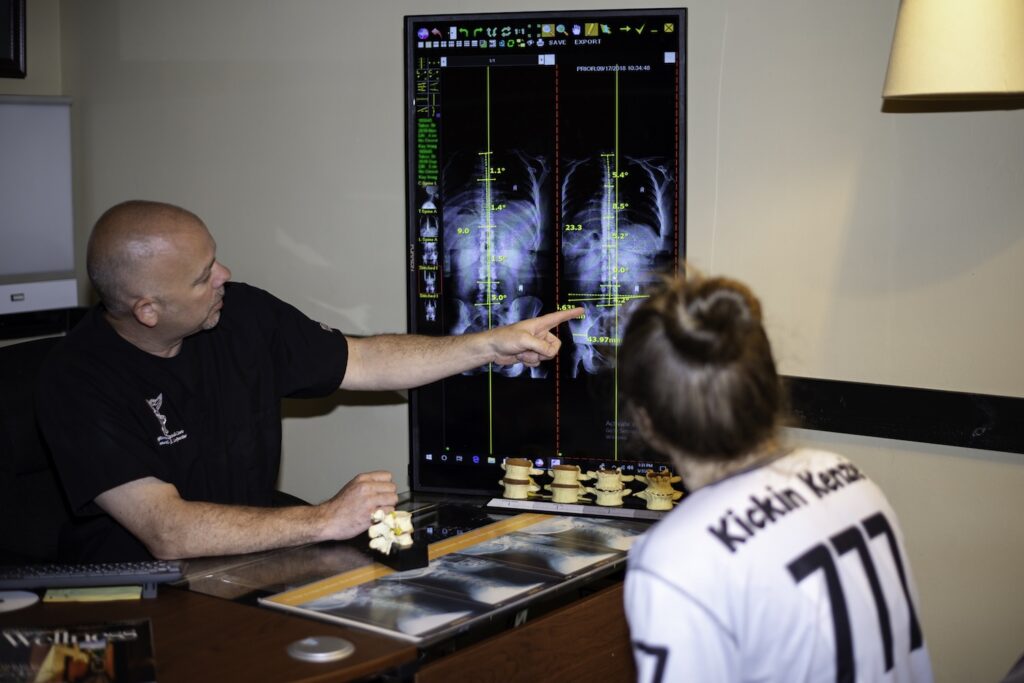
Managing chronic pain isn't just about alleviating discomfort; it also brings three significant benefits that can transform your daily life. You might find that improved physical function allows you to engage more actively in your routine, while enhanced emotional resilience helps you navigate life's challenges with greater ease. Additionally, gaining a sense of control over your pain can empower you in ways you hadn't imagined. Curious about how these benefits can manifest in your own experience?
Improved Physical Function
Improved physical function is one of the most significant benefits of effectively managing chronic pain. When you take control of your pain, you'll notice a remarkable difference in your daily activities. Instead of being limited by discomfort, you regain the ability to move freely and engage in tasks that once felt impossible. Whether it's walking, stretching, or even just standing, you'll find that managing your pain opens up new possibilities.
By implementing a variety of pain management strategies—like physical therapy, medication, or mindfulness techniques—you'll be able to enhance your overall mobility. Regular exercise becomes more achievable, and simple movements can transform from intimidating challenges into manageable routines.
As your physical function improves, you'll likely experience increased endurance and strength, allowing you to participate in activities you enjoy without fear of exacerbating your pain. You'll also discover that your body reacts positively to this newfound ability.
Improved physical function can lead to better sleep patterns, healthier habits, and even a boost in your immune system. When you're not constantly battling pain, your body can focus on healing and maintaining its overall health. This creates a positive feedback loop: the more you move and engage, the better you feel, and the more you're motivated to stay active.
Ultimately, managing chronic pain isn't just about alleviating discomfort; it's about reclaiming your life and embracing the joy of physical activity. The benefits of improved physical function can truly transform your day-to-day experience.
Enhanced Emotional Resilience
Managing chronic pain not only enhances your physical capabilities but also strengthens your emotional resilience. When you actively engage in managing your pain, you begin to develop coping strategies that bolster your mental fortitude. You learn to navigate tough days, face challenges head-on, and adapt to new circumstances, which fosters a sense of toughness and determination.
By confronting the daily realities of chronic pain, you cultivate a deeper understanding of your emotions. You become more aware of how pain affects your mood and mental state. This awareness allows you to identify triggers and find ways to address them, leading to healthier emotional responses. You might discover that practicing mindfulness or engaging in creative outlets helps you process your feelings more effectively.
Moreover, managing your pain often involves seeking support from others, whether through support groups, therapy, or friends and family. These connections can provide not just comfort but also perspective, helping you realize you're not alone in your struggles. Sharing your experiences can strengthen your ability to cope and enhance your emotional resilience even further.
As you gain skills to manage your pain, you also build a toolkit for handling stress and adversity. You'll find you can apply these skills to other areas of your life, enabling you to face challenges with greater confidence.
Ultimately, enhanced emotional resilience becomes one of the most empowering benefits of taking charge of your chronic pain management journey.
Increased Sense of Control
Taking charge of your chronic pain can lead to a powerful sense of control over your life. When you actively manage your pain, you regain authority over your daily activities and well-being. You can choose the methods that work best for you, whether it's medication, therapy, exercise, or alternative treatments. This proactive approach empowers you to make informed decisions and reduces feelings of helplessness.
By understanding your pain triggers and responses, you can create a personalized management plan. This knowledge not only enhances your self-awareness but also enables you to anticipate and address flare-ups before they escalate. You'll feel more equipped to tackle challenges and less at the mercy of your condition.
Establishing routines and setting realistic goals also contributes to this sense of control. When you track your progress, celebrate small victories, and reflect on what works, you cultivate a positive feedback loop that reinforces your efforts. You're not just reacting to your pain; you're actively engaging with it.
Moreover, when you take control, you can communicate your needs more effectively with healthcare providers, family, and friends. This open dialogue fosters supportive relationships, making it easier to navigate the emotional and physical aspects of chronic pain.
In essence, managing your chronic pain isn't just about alleviating discomfort; it's about reclaiming your life. With each step you take, you're building resilience and confidence, ultimately leading to a more empowered and fulfilling existence.
Conclusion
Managing chronic pain isn't just about enduring; it's about thriving. By focusing on improved physical function, you can engage more fully in daily activities and enjoy life. Enhancing your emotional resilience helps you cope better and reduces anxiety, making challenges feel more manageable. Finally, gaining a sense of control over your pain empowers you to take action and build confidence. Embrace these benefits, and you'll pave the way for a healthier, more fulfilling lifestyle.